
Understanding the Pros & Cons of Reusing Cooking Oil
Whether you’re running a busy restaurant kitchen or deep frying a batch of homemade favorites, one question comes up again and again: Can I reuse this oil? With food costs rising and sustainability top of mind, reusing cooking oil might seem like a no-brainer—but it’s not as simple as just pouring it back into the fryer.
Reusing frying oil has real benefits, from saving money to reducing waste. But it also carries risks if not handled properly—risks that can impact flavor, safety, and even your kitchen’s reputation. In this guide, we’ll walk through how to reuse cooking oil the right way, what signs mean it’s time to toss it, and how restaurants can take the guesswork out of oil management entirely. Here are some benefits to reusing cooking oil:
- Cost Savings: Extending the life of cooking oil reduces the frequency of purchases, leading to significant cost savings over time.
- Enhanced Flavor: Some chefs believe that reused oil can impart a deeper flavor to certain fried foods, especially when cooking similar items like chicken or vegetables.
However, there are notable risks associated with reusing frying oil:
- Contamination
When oil is reused multiple times, it can accumulate food particles, crumbs, and batter residue from previous cooking sessions. These leftover particles don’t just impact the appearance of the oil—they continue to cook and burn with each use, which can result in unpleasant, bitter flavors. Worse, this burnt debris can promote the formation of harmful free radicals and acrylamide, a compound linked to potential health risks when consumed in high amounts. In commercial kitchens, this kind of contamination can also increase the risk of cross-contamination and compromise food safety standards, especially if allergens are involved.
- Flavor Degradation
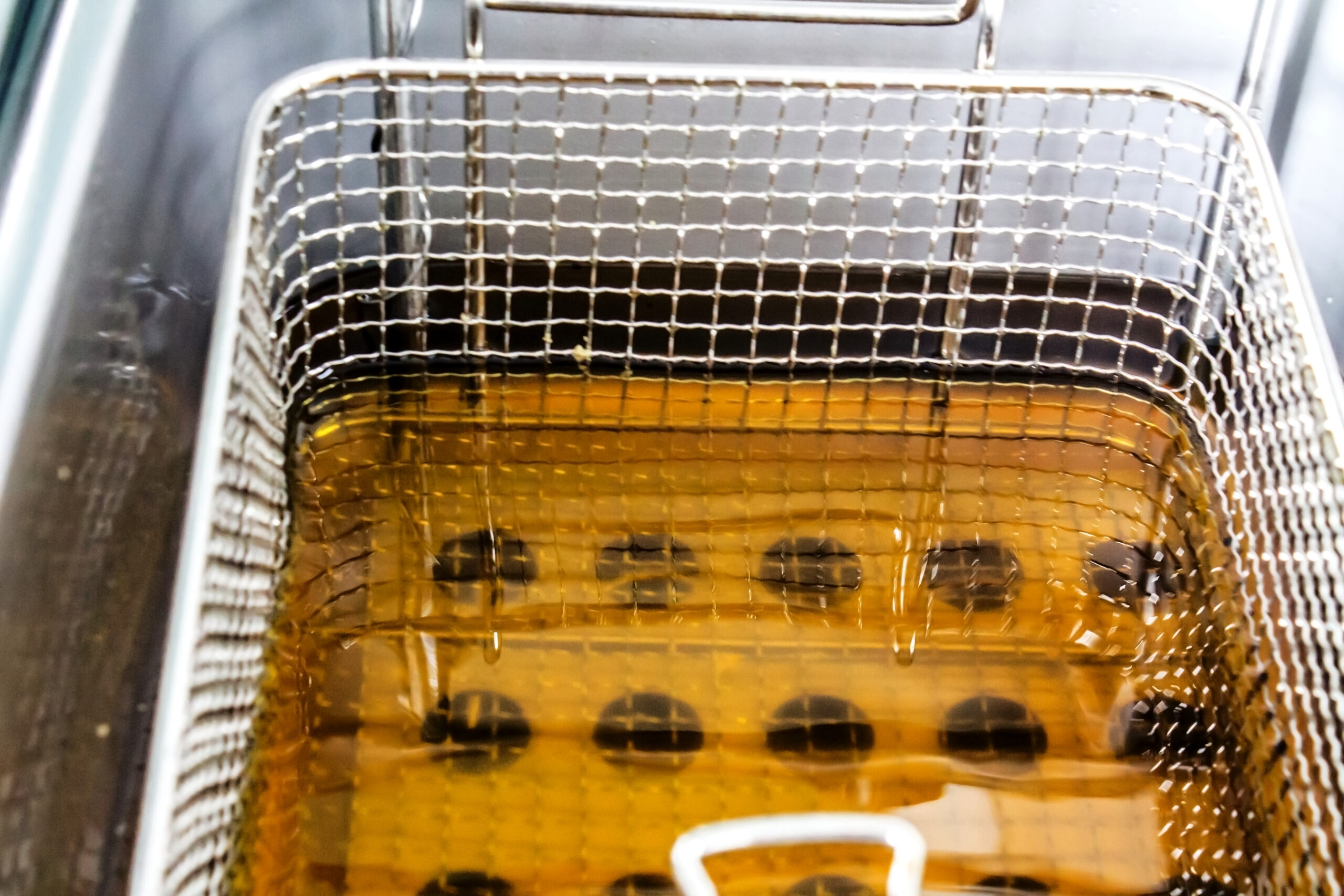
The flavor profile of reused oil changes significantly with each round of heating. As the oil breaks down, it takes on a darker color, a thicker consistency, and stronger, often unpleasant odors. These changes can seep into the food, giving fried dishes a rancid or greasy taste. For restaurants focused on delivering consistent food quality, flavor degradation is one of the first noticeable downsides of overused oil.
- Health Concerns
Repeated heating of frying oil causes chemical changes, particularly oxidation and polymerization of fats. These processes not only reduce the oil’s nutritional value but can also produce harmful compounds such as trans fats, aldehydes, and other oxidative byproducts. These substances have been linked to inflammation and other health issues when consumed frequently over time. For food service operators and health-conscious home cooks alike, understanding when oil has passed its safe-use window is essential for protecting both customer health and brand integrity.
How to Safely Reuse Cooking Oil
Filtering & Storing Used Oil
Proper filtration and storage are crucial to safely reuse cooking oil:
- Cool the Oil
Allow the oil to cool to a safe handling temperature after cooking, usually until it’s warm but not hot to the touch. Handling hot oil too soon can cause burns or damage storage materials, and rushing the process increases the risk of spills. - Strain the Oil
Use a fine-mesh strainer, cheesecloth, or coffee filter to remove leftover food particles and debris. Even small bits can burn during reheating, leading to bitter flavors, reduced oil life, and smoke. - Choose the Right Container
Transfer the strained oil into a clean, airtight container made of glass or stainless steel. These materials preserve oil quality and don’t react with the contents. Plastic should be avoided, as it can absorb odors or degrade when exposed to oil over time. - Label the Container
Clearly mark the container with the type of oil (such as olive oil or extra virgin varieties), the date of first use, and what was cooked in it. This helps track how long the oil has been reused and reduces the risk of using it beyond its safe or flavorful lifespan. - Store Properly
Keep the container in a cool, dark place away from direct sunlight and heat sources to minimize oxidation and rancidity. For longer-term reuse, refrigeration slows the breakdown process even further and helps preserve both flavor and safety.
How Many Times Can You Reuse Cooking Oil?
The number of times oil can be safely reused depends on several factors:
- Type of Food Cooked: Oil used to fry clean items like potatoes can be reused more times than oil used for breaded or battered fried foods such as chicken, pork, or vegetables.
- Type of Oil: Oils with higher smoke points, such as peanut or canola oil, tend to have a longer reusable life.
- Signs of Degradation: Discard oil if it exhibits the following signs:
- Dark color
- Rancid or off-putting smell
- Excessive foaming
- Sticky or gummy texture
- Dark color
These indicators suggest that the oil has broken down and is no longer safe or effective for frying.
Health & Safety Considerations
Reusing cooking oil improperly can pose serious health risks, particularly when oil is overheated or stored incorrectly.
- Oxidation: Repeated heating of oil leads to oxidation, which breaks down the oil’s structure and forms harmful compounds. These byproducts have been linked to inflammation, high blood pressure, and even increased cancer risk over time.
- Trans Fat Formation: As oil degrades, especially at high temperatures, it can begin to form trans fats. These unhealthy fats are strongly associated with cardiovascular disease and are a major reason why oil should not be reused indefinitely.
- Nutrient Loss: Many cooking oils—especially those rich in healthy fats like omega-3s—lose their beneficial nutrients with each reuse. Over time, the oil not only becomes less healthy, but it may even become harmful if used past its safe limit.
- While reusing oil can be safe if done carefully, the risks increase the more it’s used. Proper storage, filtering, and knowing when to discard used oil are key to protecting both food quality and health.
To mitigate these risks:
- Monitor Oil Quality: Regularly assess the oil for signs of degradation.
- Limit Reuse: Avoid reusing oil more than necessary, and always prioritize safety over cost savings.
Best Practices for Disposing of Used Cooking Oil
Proper disposal of used cooking oil is essential to prevent environmental damage:
- Do Not Pour Down Drains: Oil can solidify and clog plumbing systems, leading to costly repairs.
- Use Sealable Containers: Allow the oil to cool, then pour it into a sealable, non-recyclable container for disposal in the trash.
- Recycle: Many communities offer recycling programs that convert used cooking oil into biodiesel or other products. Ask local waste management authorities for options.
- Solidify Small Amounts: For small quantities, mix the oil with absorbent materials like cat litter or paper towels before disposing of it in the trash.
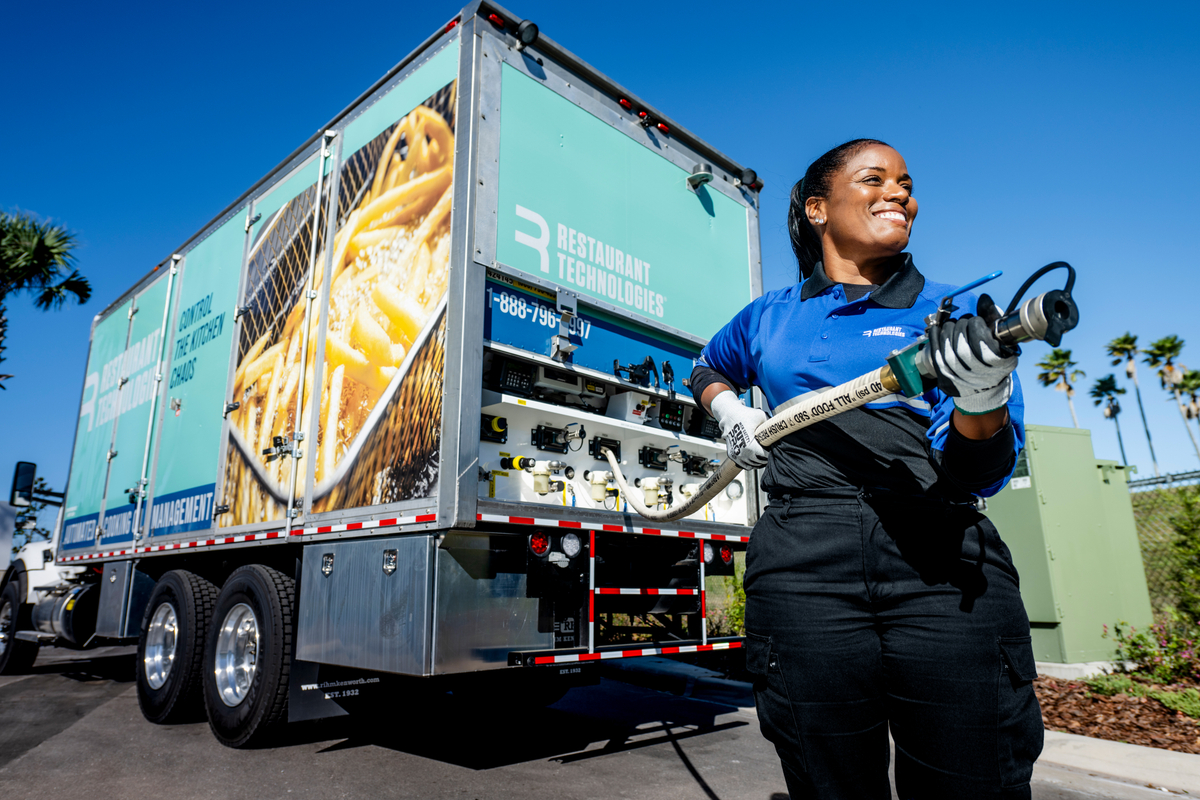
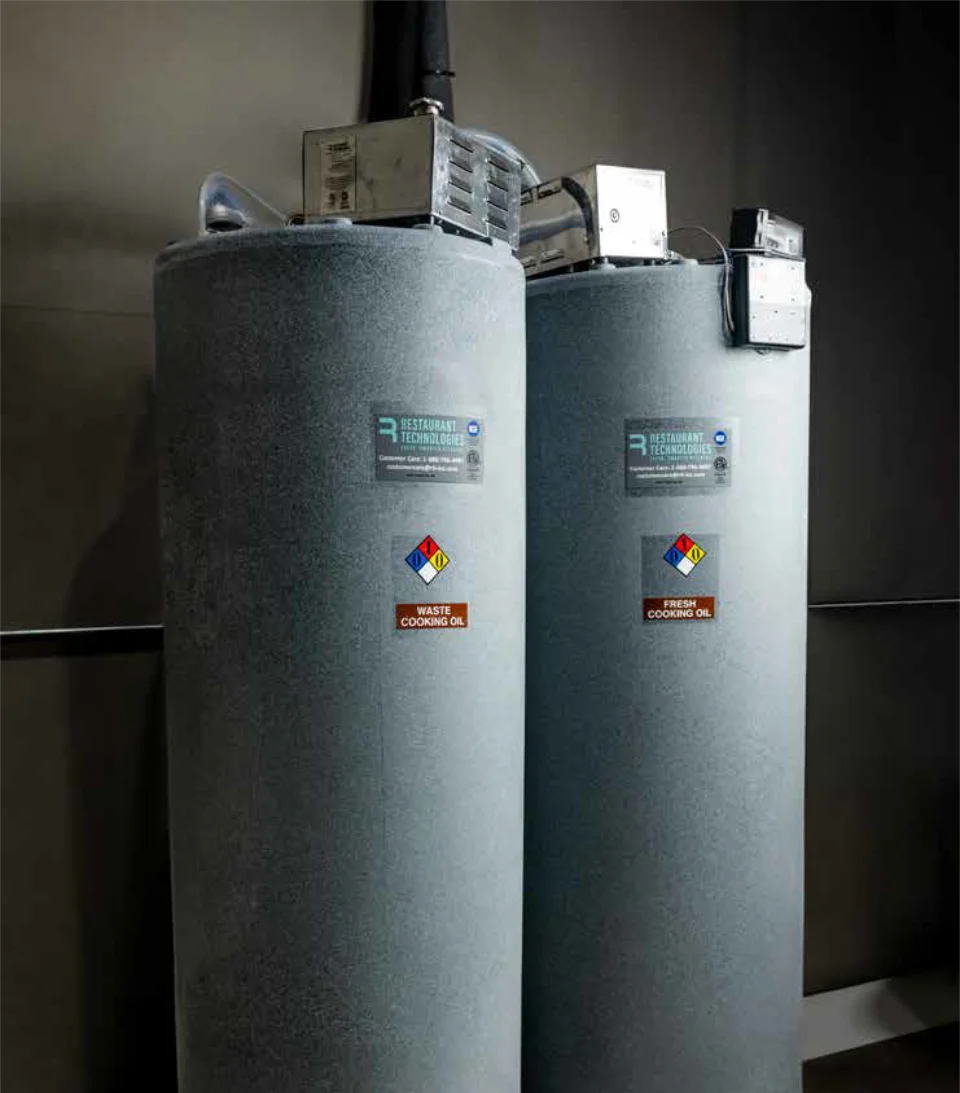
Why Restaurants Should Consider Automated Oil Management Systems
For food service operators, investing in automated oil management systems can offer numerous benefits:
- Efficiency: Automated systems streamline the process of filtering and replacing oil, saving time and labor.
- Consistency: Maintaining oil quality ensures consistent food taste and texture.
- Safety: Reducing manual handling of hot oil minimizes the risk of burns and accidents.
- Cost Savings: Extending the life of cooking oil reduces purchasing and disposal costs.
Environmental Impact of Used Cooking Oil
Improper disposal of cooking oil can have severe environmental consequences:
- Water Pollution: Oil poured down drains can enter waterways, harming aquatic life and ecosystems.
- Soil Contamination: Discarded oil can seep into the ground, affecting soil quality and plant life.
- Waste Management Issues: Clogged sewage systems due to oil disposal can lead to overflows and sanitation problems.
Recycling and Repurposing Options
Recycling used cooking oil contributes to environmental sustainability:
- Biodiesel Production: Used oil can be converted into biodiesel, a renewable energy source.
- Animal Feed: Processed oil can be used in the production of animal feed, reducing waste.
- Industrial Uses: Recycled oil serves as a raw material in manufacturing soaps, detergents, and other products.
Engaging in these recycling practices supports a circular economy and reduces environmental impact.
How Restaurants Can Optimize Oil Usage
Implementing strategies to extend the life of cooking oil can lead to significant benefits:
- Regular Filtration: Consistently filtering oil removes food particles and slows degradation.
- Temperature Control: Maintaining optimal frying temperatures prevents overheating and preserves oil quality.
- Scheduled Oil Rotation: Establishing a routine for oil replacement ensures consistent food quality and safety.
- Staff Training: Educating kitchen staff on best practices for oil management promotes a culture of safety and efficiency.
The Benefits of Automated Oil Filtration Systems
Automated oil filtration systems offer advanced solutions for oil management:
- Enhanced Food Quality: Consistent oil quality leads to better-tasting fried foods.
- Labor Savings: Automation reduces the need for manual oil handling, freeing up staff for other tasks.
- Cost Efficiency: Extending oil life lowers purchasing and disposal expenses.
- Safety Improvements: Minimizing contact with hot oil reduces the risk of workplace injuries.
Investing in such systems can yield long-term benefits for restaurant operations.
Conclusion
Reusing cooking oil can be a cost-effective practice when done safely and responsibly. By understanding the risks, implementing proper filtration and storage methods, and investing in advanced oil management systems, both home cooks and food service operators can maintain high food quality while ensuring safety and sustainability.
For restaurants seeking to optimize their oil usage and enhance kitchen efficiency, exploring restaurant oil filtration solutions can provide significant advantages.
Sources:
Eating Well. Is It Safe to Reuse Cooking Oil? Here’s What a Food Scientist Says. https://www.eatingwell.com/is-it-safe-to-reuse-cooking-oil-11708816#:~:text=Choose%20the%20right%20oils.%20%E2%80%9C,3
Nutrition. Rancidity in Fats and Oils: Considerations for Analytical Testing. https://ew-nutrition.com/us/rancidity-fats-oils-considerations-analytical-testing
Bon Appetit. How to Deal With Leftover Frying Oil. https://www.bonappetit.com/test-kitchen/how-to/article/leftover-frying-oil?utm_source=chatgpt.com
Serious Eats. How Many Times Can I Reuse Fry Oil? https://www.seriouseats.com/ask-the-food-lab-how-many-times-can-i-reuse-fry-oil