
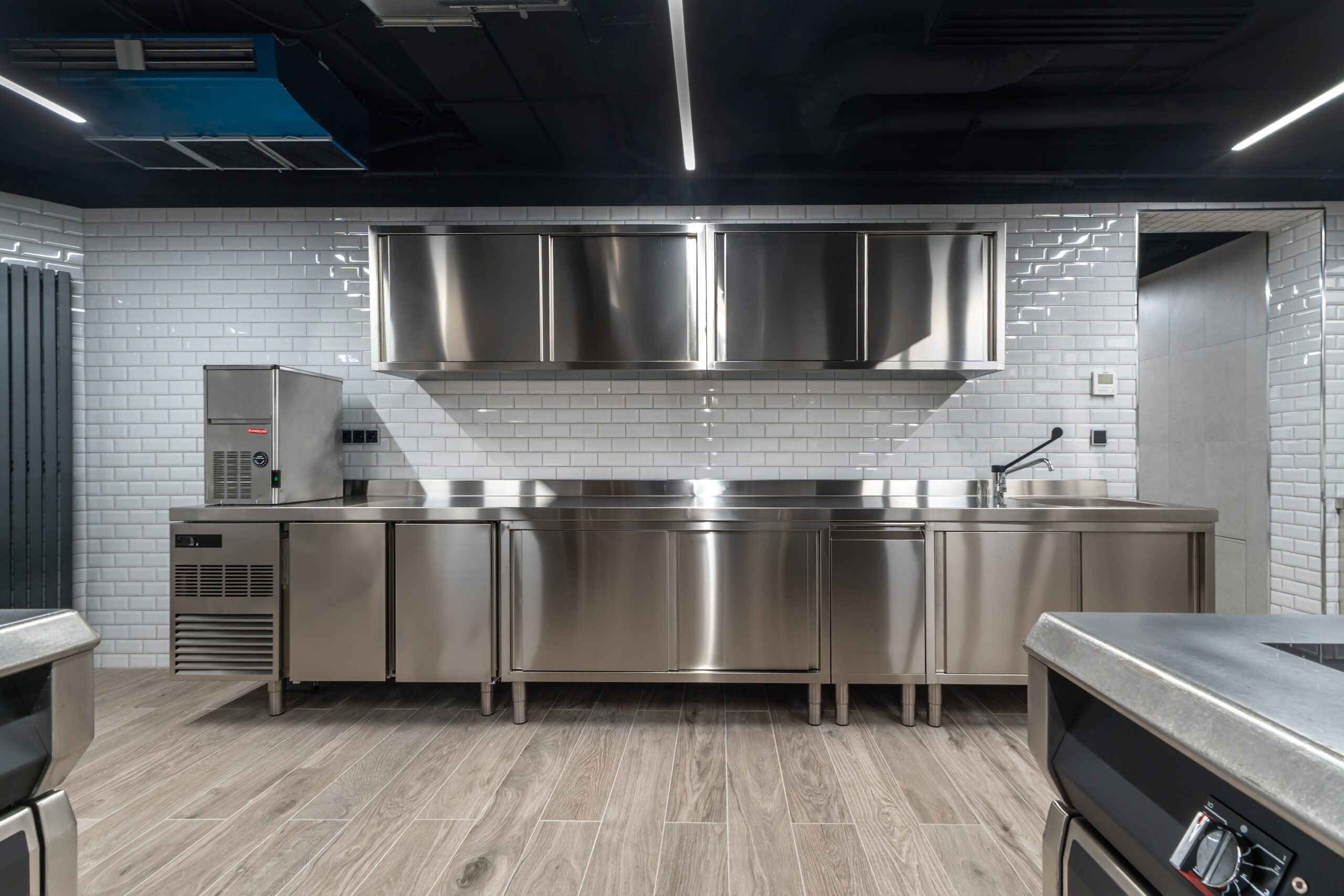
An effective restaurant kitchen layout supports speed, safety, and consistency across every shift. Whether operating a quick-service concept or a full-service dining room, the way a kitchen is organized directly affects food quality, labor efficiency, and staff safety. Thoughtful layout planning creates clear workflow paths that allow teams to perform at a high level without unnecessary movement or risk.
Designing for efficiency starts with understanding how your kitchen operates day to day and aligning the space to support those demands.
What Makes an Effective Restaurant Kitchen Layout?
At its core, a successful restaurant kitchen layout is built around a few key goals.
- Efficient movement between workstations
- Safe separation of hot, cold, and cleaning tasks
- Fast service during peak periods
- Clear communication between staff
Layouts should reduce backtracking, minimize congestion, and support consistent execution across shifts. These fundamentals apply across restaurant models, even though the physical layout may vary.
Common Types of Restaurant Kitchen Layouts
Different service styles require different kitchen configurations. The most common restaurant kitchen layouts include:
- Assembly line layouts, where food moves in a linear path from prep to plating
- Island layouts, which center cooking equipment and allow movement around a core station
- Zone-style layouts, where stations are grouped by task or menu category
- Galley layouts, which use parallel lines to maximize narrow spaces
- Open kitchens, designed to provide visibility while maintaining efficiency
Each layout supports specific operational needs based on menu complexity, order volume, and staffing levels.
Assembly Line vs. Zone Layouts
Assembly line layouts work well for high-volume concepts with standardized menus. They support speed and consistency by guiding food through a predictable sequence of steps.
Zone layouts are better suited for diverse menus and full-service restaurants. By grouping tasks like sauté, grill, and fry, zone layouts give cooks more autonomy and flexibility. The tradeoff is that they require strong communication and careful planning to avoid congestion.
Choosing the right approach depends on volume, team structure, and how much customization the menu requires.
Key Workstations in a Restaurant Kitchen
Most restaurant kitchens rely on a set of core workstations, regardless of layout style.
- Prep stations for ingredient processing and portioning
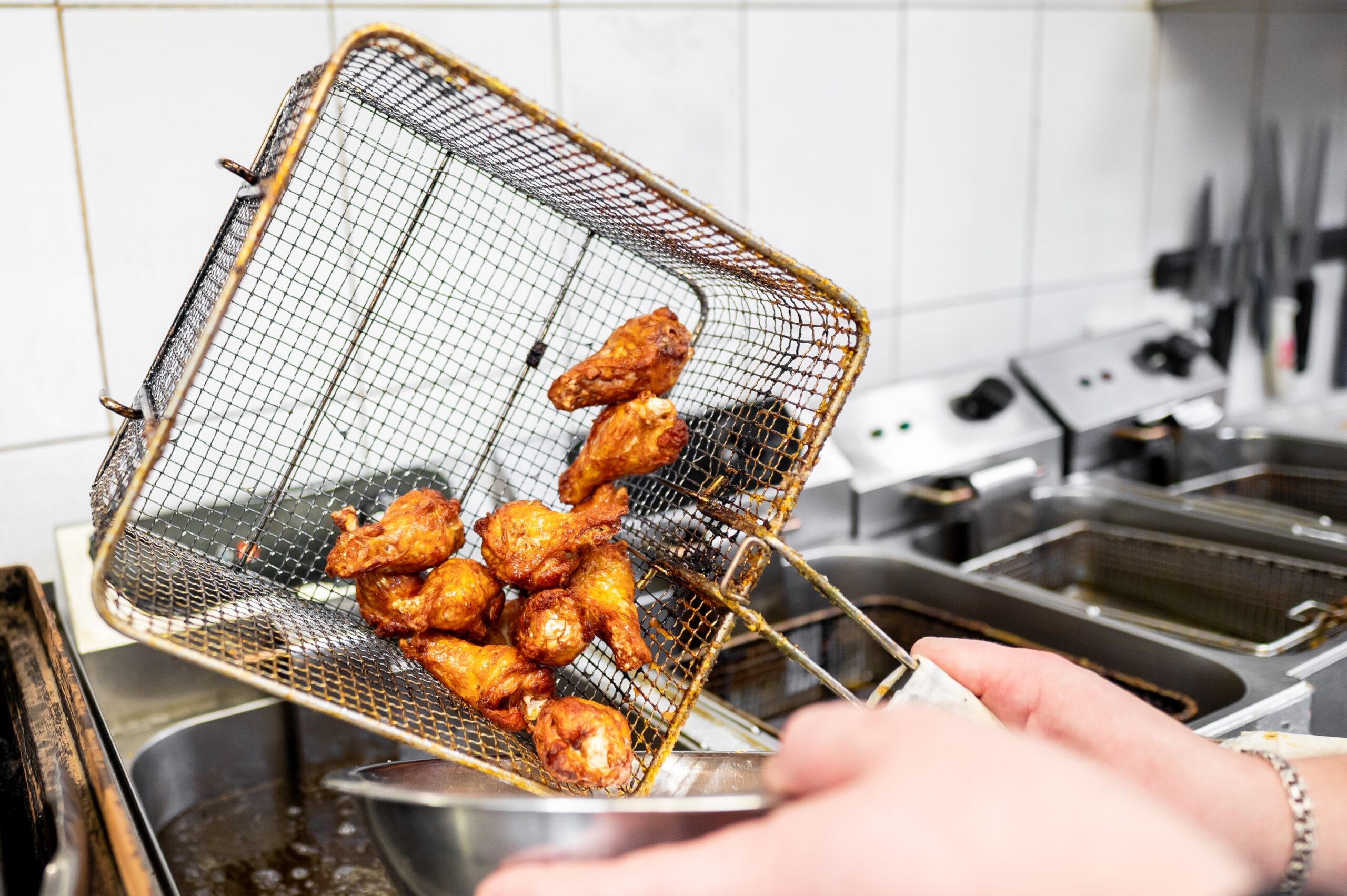
- Cooking stations for ranges, ovens, and fryers
- Plating or pass stations for final assembly and quality checks
- Wash areas for dishwashing and waste handling
- Storage zones for dry goods, refrigeration, and supplies
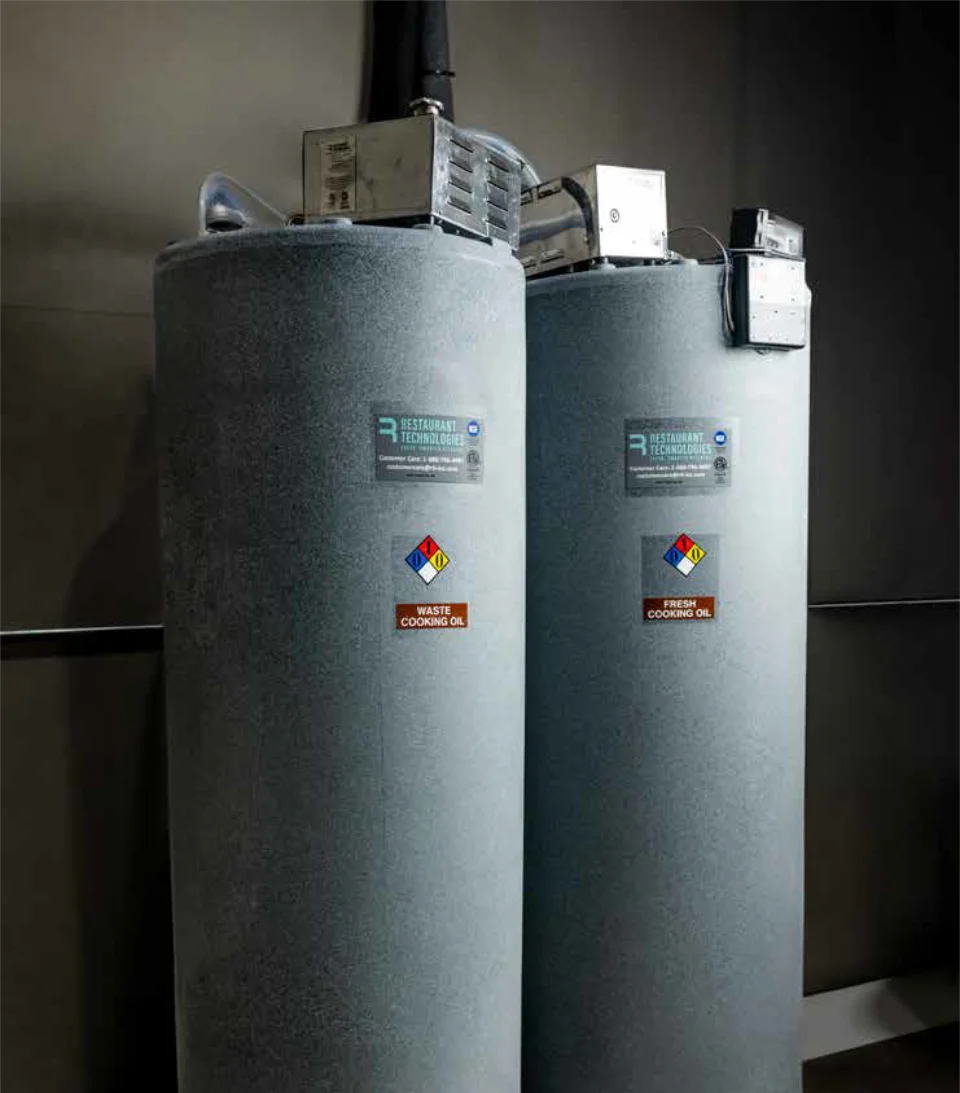
Proper placement of these stations limits cross-traffic and supports a smooth production flow. Cleaning and waste handling areas are often positioned outside the main cook line, where systems for cooking oil disposal can be integrated to reduce spills and improve safety.
Designing for Staff Safety and Flow
Safety and efficiency go hand in hand. Poor layouts increase the risk of slips, burns, and cross-contamination.
Effective designs focus on:
- Clear walkways between stations
- Separation of raw and cooked food paths
- Strategic placement of handwashing sinks
- Compliance with ADA and local code requirements
Reducing manual handling tasks also plays a role. Automating repetitive or hazardous processes helps protect staff while keeping kitchens running smoothly.
Equipment Placement and Maintenance Access
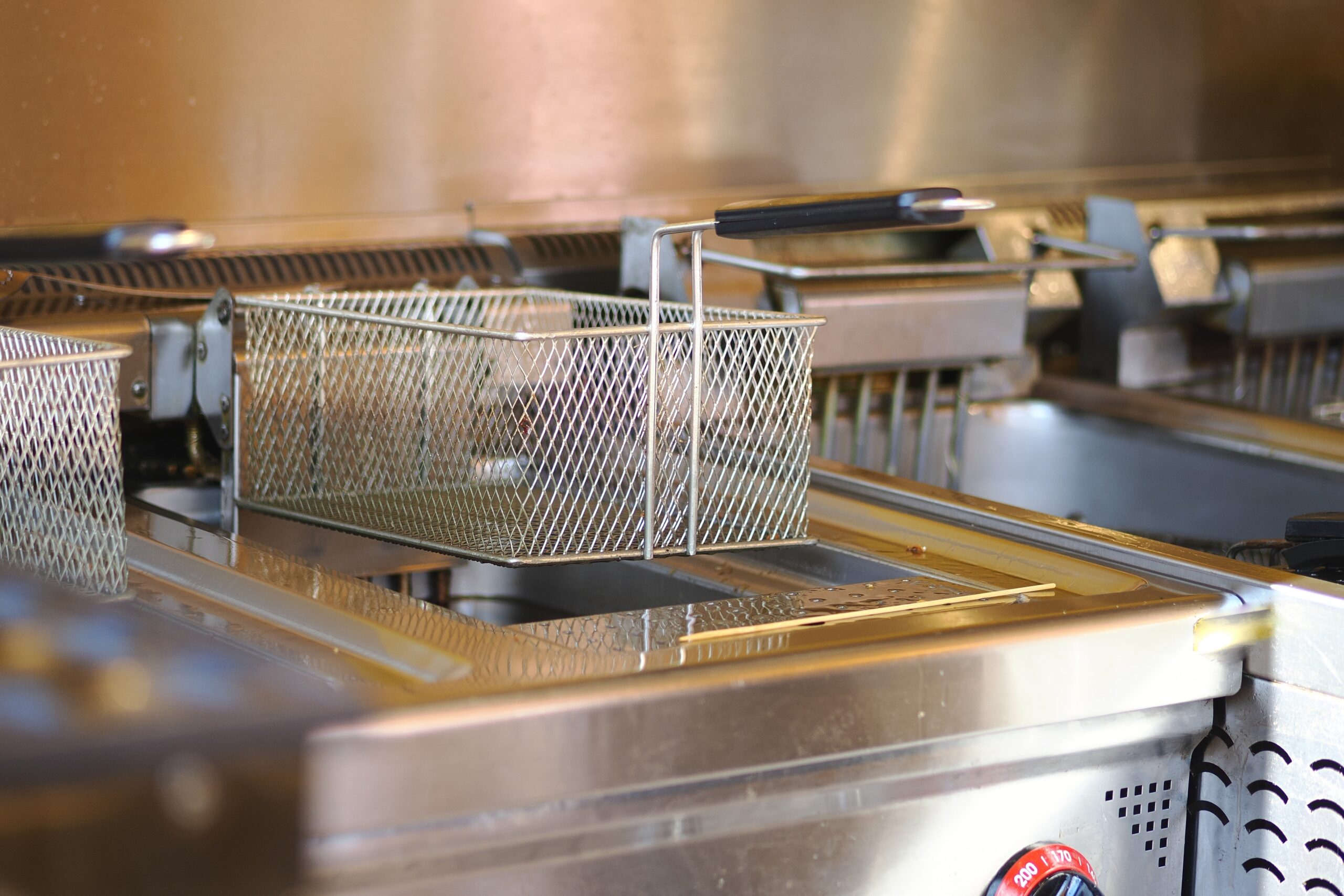
Equipment placement affects both daily performance and long-term maintenance. Fryers, grills, coolers, and ventilation systems should be positioned to support workflow while remaining accessible for service.
Best practices include:
- Grouping heat-producing equipment under shared hoods
- Allowing clearance for maintenance and cleaning
- Placing refrigeration close to prep and cook stations
- Avoiding equipment placement that forces staff to cross traffic lanes
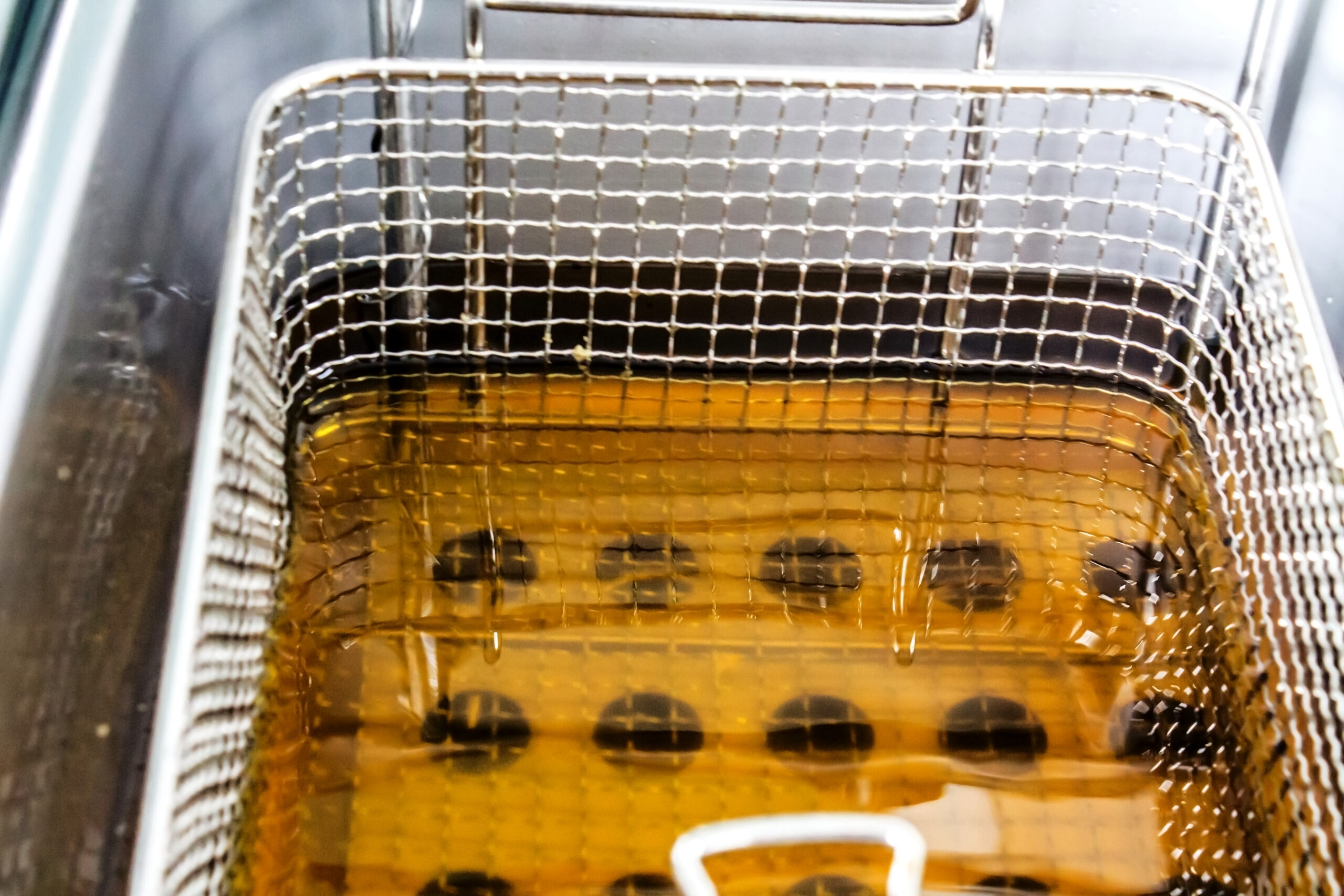
Fryer setups that include fryer filtration monitoring help kitchens maintain oil quality without manual checks, reducing downtime and improving consistency.
Deep Fryer Integration Across Layout Types
Deep fryers are common across many restaurant concepts, but their placement varies by layout.
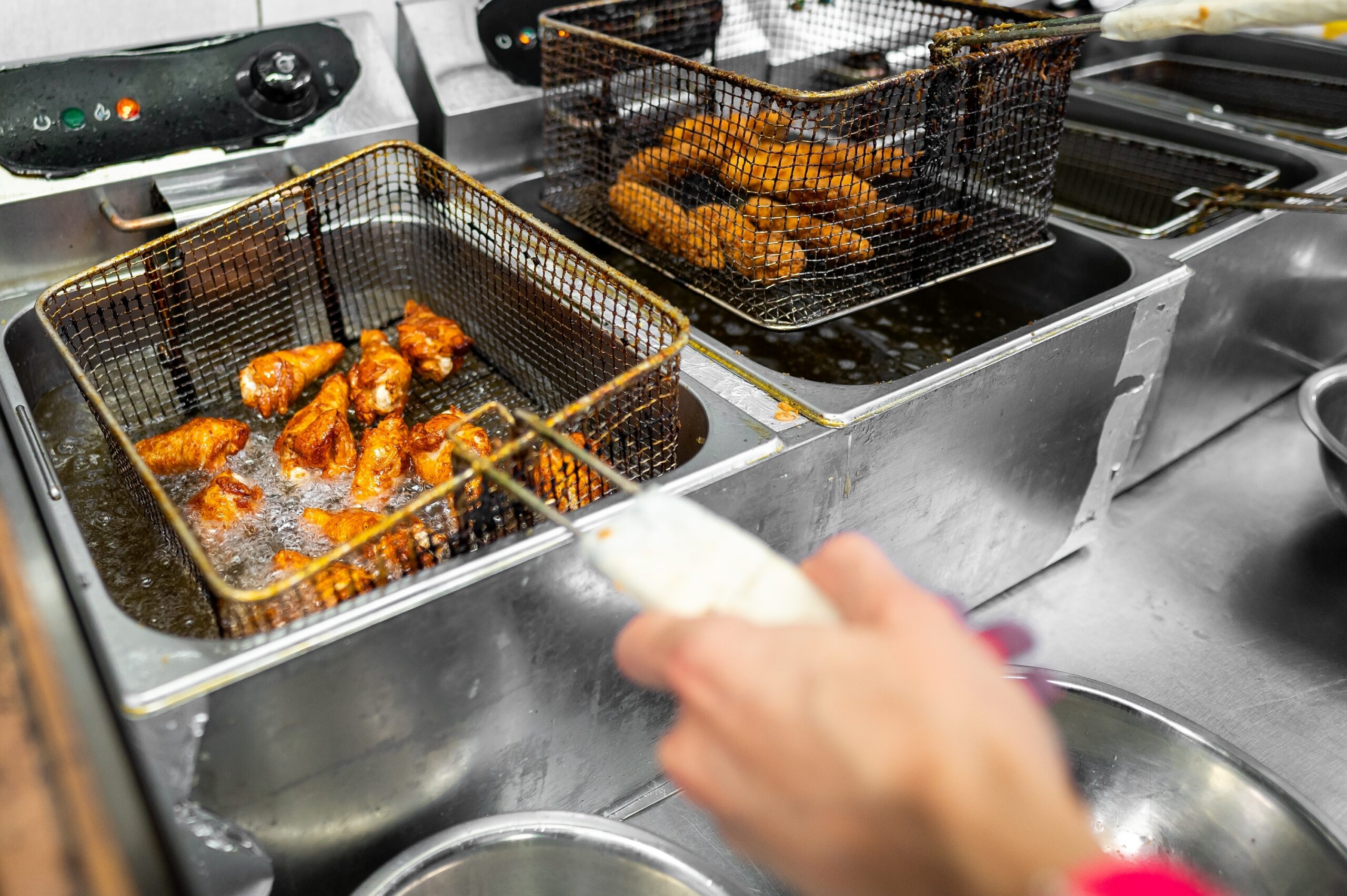
In assembly line kitchens, fryers are often positioned early in the line to support fast-moving items. Zone layouts may group fryers with other hot equipment, while galley kitchens typically place them along one wall to preserve aisle space.
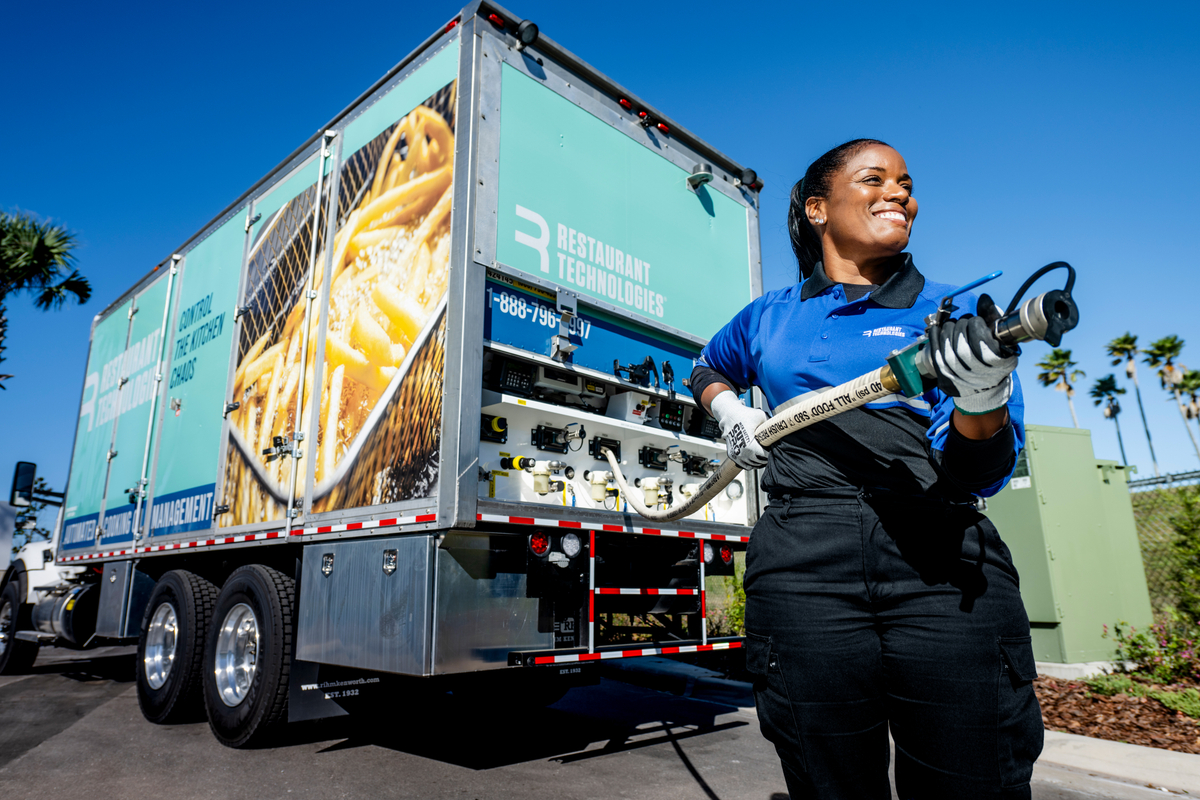
Across all layouts, modern cooking oil management practices help reduce mess and improve safety. Consistent cooking oil delivery ensures fry stations stay supplied without requiring on-site storage of heavy containers, while automated filtration and disposal limit staff exposure to hot oil.
Final Thoughts on Restaurant Kitchen Layout Planning
A well-designed restaurant kitchen layout improves efficiency, protects staff, and supports consistent food quality. By aligning layout style, workstation placement, and equipment choices with operational needs, restaurants can create kitchens that perform under pressure.
Operations can further streamline performance with end-to-end oil management services from Restaurant Technologies, including filtration, recycling, and disposal. These systems reduce manual handling, support safer kitchens, and help operators focus on delivering reliable service every day.