
Restaurant growth looks exciting from the outside with new locations, bigger teams, and more brand buzz. But inside the operation, growth can feel like a stress test. Every shortcut becomes a bigger problem. Every inconsistent process becomes a daily battle.
That’s why employee efficiency is one of the clearest separators between restaurants that scale smoothly and restaurants that stall. Efficient teams aren’t “moving faster” all the time. They’re moving with fewer obstacles, less rework, and more confidence because the operation is built to support them.
In other words, when the back-of-house runs with structure, the front-of-house feels easier, guests feel the difference, and expansion becomes repeatable.
The Link Between Employee Efficiency and Restaurant Growth
Growth rewards restaurants that can repeat success and not just achieve it once.
When teams are efficient, a new location doesn’t have to reinvent the wheel. Training gets cleaner. Execution becomes more consistent. Managers spend less time putting out fires and more time building leaders.
Fast-growing restaurants typically share a few foundational traits that make expansion smoother and more predictable.
Repeatable Teams
Efficient teams rely on routines that work the same way every shift. Performance does not depend on who happens to be scheduled that day. Clear processes reduce guesswork, speed up training, and create a consistent standard that can be replicated across locations.1
When routines are repeatable, new stores are easier to launch because the playbook already exists.
Clear Role Ownership
In high-growth environments, confusion is costly. Teams that scale well define responsibilities clearly so handoffs do not fall apart during peak hours. Employees know what they own, what support looks like, and how their role connects to the bigger operation. That clarity reduces errors, improves communication, and keeps service steady during rush periods.
Systems That Reduce Operational Friction
Efficient restaurants remove unnecessary steps from daily workflows. They organize prep areas, standardize procedures, and eliminate tasks that slow teams down. Employees spend less time correcting mistakes and more time executing. As locations multiply, those small efficiencies compound into meaningful labor savings and smoother service.
Fewer Risky or Physically Demanding Tasks
Sustainable growth requires protecting your team. When back-of-house operations are cluttered, inconsistent, or physically demanding, injuries and burnout follow. Restaurants that scale successfully reduce unnecessary strain and build safer workflows into their daily routines.
That stability lowers turnover, strengthens morale, and supports consistent execution. Efficiency, in this context, is not about pushing employees to move faster. It is about building a structure that allows performance to stay steady as the business grows.
When Teams Run Smoothly, Guests Feel the Difference
Guests don’t walk into your kitchen, but they can absolutely tell when your operation is under control.
When employees are not fighting disorganization, unclear routines, or inconsistent standards, they show up differently. They are calmer. More focused. More consistent. And that shift shows up in the guest experience.
Efficiency behind the scenes creates visible results out front. Guests notice:
- Orders moving smoothly, even during peak periods
- Fewer mistakes and remakes slowing down service
- Food that feels consistent from visit to visit
When teams are supported by clear systems, service feels steady. Guests may not know why their experience feels seamless, but they notice when it does. The reverse is also true. When back-of-house operations are strained, disorganized, or inconsistent, those pressures rarely stay hidden for long.
The Hidden Costs of Inefficient Back-of-House Operations
Inefficiency rarely shows up as one big catastrophe. It shows up as a slow leak. Minutes here. Frustration there. Fatigue everywhere.
When you are trying to grow, those leaks compound quickly. What feels manageable in one location becomes disruptive across five.
In practice, inefficiency creates costs in four critical areas:
- Time – Extra steps, repeated tasks, and constant cleanup that chip away at productive hours.
- Labor – Skilled employees spending energy on low-value work instead of food execution and guest service.
- Safety – Burns, slips, spills, and strain injuries that increase risk and interrupt operations.
- Morale – Burnout, turnover, and the ongoing sense that the team cannot keep up.
Where Oil Handling Quietly Slows Teams Down
One area where these hidden costs often converge is cooking oil handling.
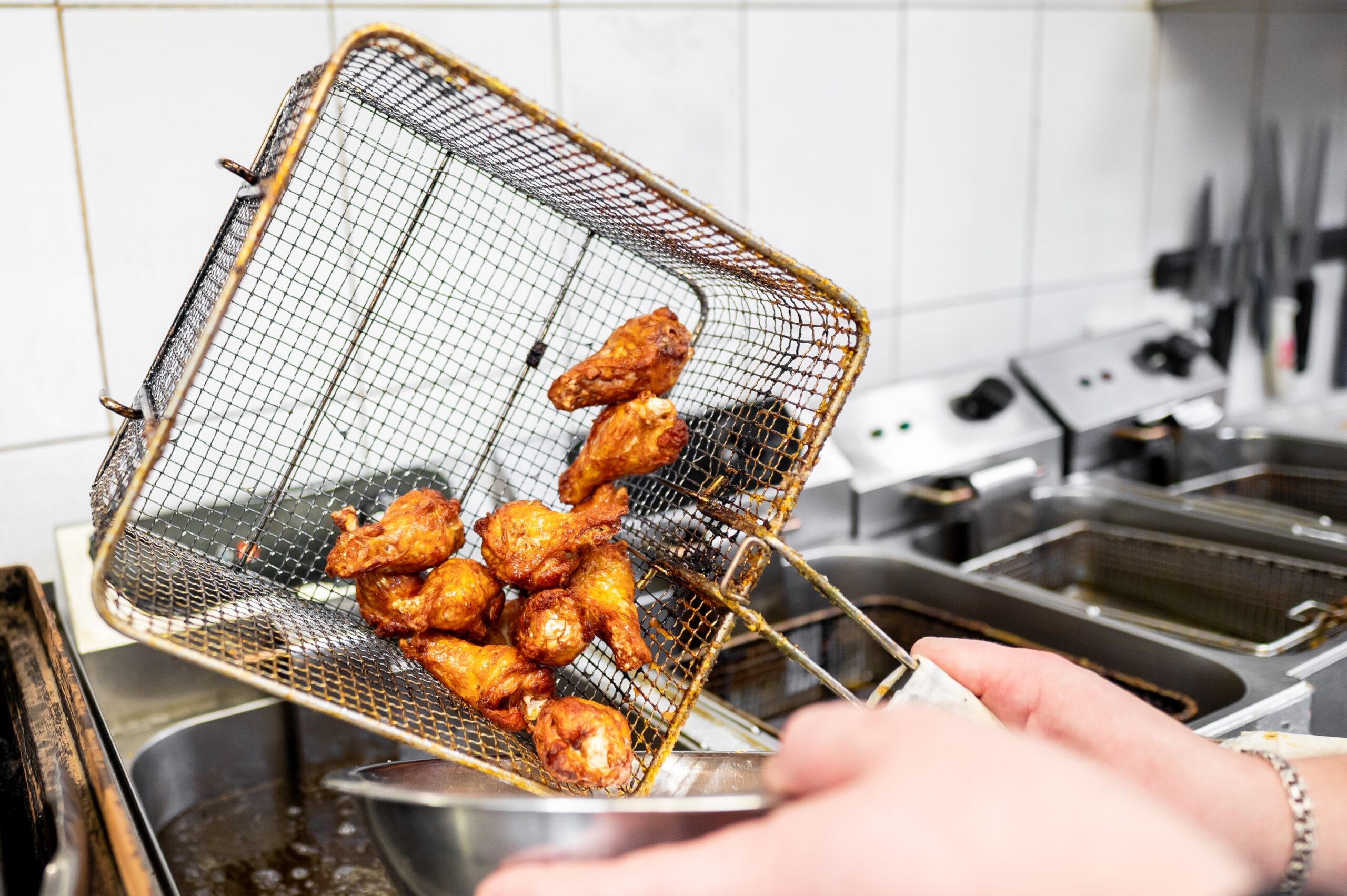
Older, manual approaches can be physically demanding, messy, and prone to spills during busy shifts. What should be a routine task can turn into an interruption that pulls employees away from production.
Traditional oil rendering tanks may introduce additional challenges, including odors, pests, inconsistent pickups, and extra handling steps that consume time and space in already tight kitchens. Manual cooking oil disposal processes add another layer of risk, increasing the likelihood of spills, burns, and cleanup that disrupt service.
In real-world terms, inefficiency can look like:
- A manager covering the line while someone handles a spill or disposal issue
- Team members pulled away from prep to manage oil logistics
- Staff feeling physically drained before peak service even begins
None of these moments are dramatic on their own. But they consume time, redirect labor, introduce risk, and create strain in ways that compound as a restaurant grows. And while they may not appear as a single line item on a P&L, they influence performance in ways that directly affect scalability.
Empowering Staff Through Smarter Kitchen Systems
The best operators don’t just demand performance, they design for it.
Supporting your team means building an environment where employees can win without sacrificing safety or sanity. That often looks like:
- Fewer physically demanding tasks, including manual oil handling
- Less clutter from storage containers and disposal equipment
- More predictable workflows during peak hours
- Clear standards that stay consistent across shifts
When everyday processes like cooking oil delivery, storage, and disposal are structured and reliable, teams spend less time navigating workarounds and more time focused on execution. Small inefficiencies create ongoing strain, but when systems simplify routine tasks, employees can concentrate on consistent performance instead of constant adjustment.
Why Automation Becomes A Growth Tool
As you scale, the small stuff becomes huge. The same manual oil handling that creates strain in one kitchen can quietly multiply across five. A task that takes ten minutes a day can turn into hours of lost productivity each week.
That is where smarter system design becomes a growth advantage.
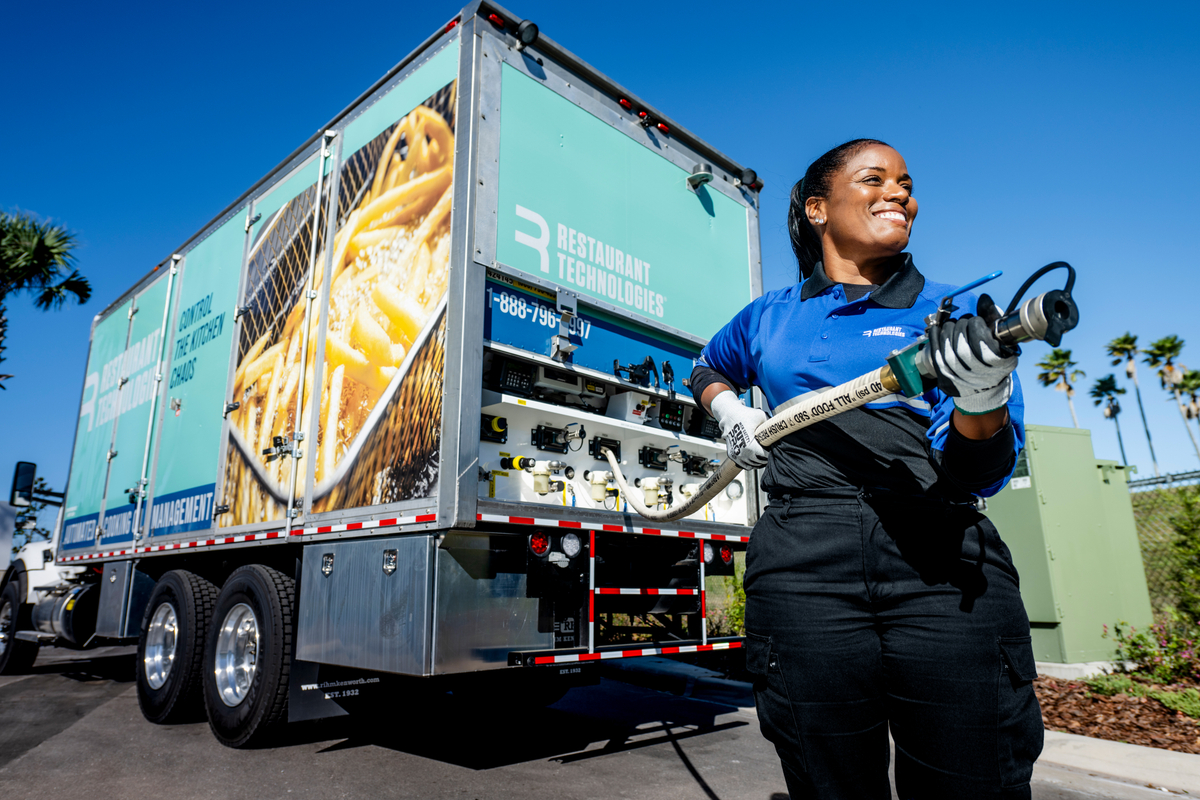
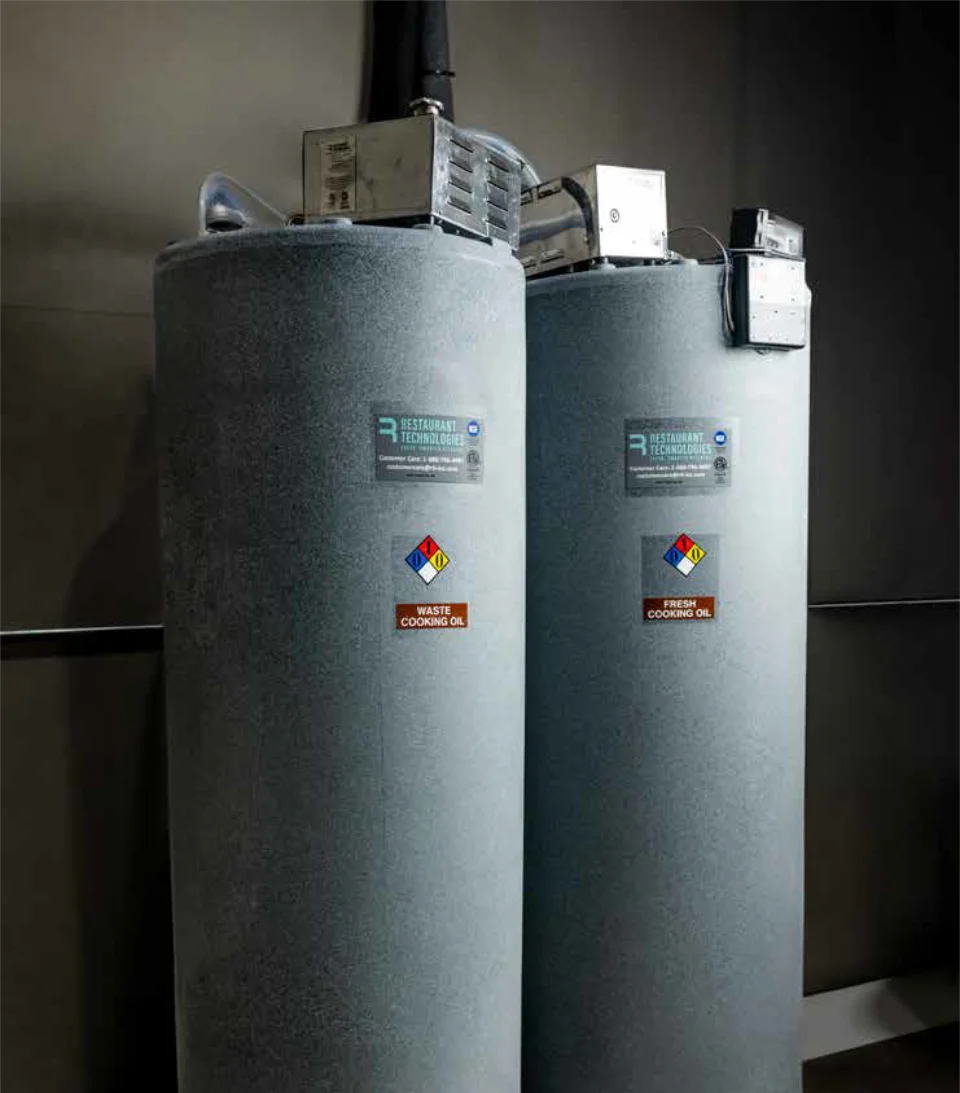
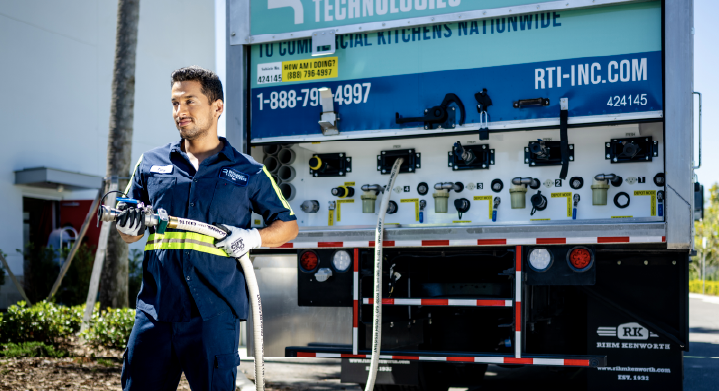
Automated cooking oil management brings structure to one of the most physically demanding and interruption-prone tasks in the kitchen.2 By replacing manual handling with a closed-loop, hands-free process, it reduces messy steps, limits lifting and spill risks, and standardizes routines across shifts. For operators, that consistency translates into measurable impact. RTI reports that customers save an average of nine hours of labor per week, along with other operational improvements tied to safety and efficiency.
For a growing brand, that structure supports:
- Easier onboarding with fewer manual oil procedures to train
- More consistent routines across locations
- Fewer disruptions that pull employees off the line
- A cleaner, safer back-of-house environment that scales
Efficiency does not come from asking more of employees. It comes from removing the daily friction that slows them down so performance remains steady as the business grows.
Efficiency Isn’t About Working Harder, It’s About Working Better
There is a long-standing belief in the restaurant industry that better results come from pushing harder—longer shifts, faster tickets, tighter turns. While that approach may drive short-term output, it rarely sustains growth.
When processes are clearly defined and supported by the right systems, performance becomes more predictable across shifts and locations. That difference is especially visible in physically demanding tasks like oil handling, where structured systems reduce heavy lifting, limit interruptions, and remove uncertainty around routine work.
Over time, constantly working around friction leads to fatigue. When operational strain is reduced, teams feel supported rather than stretched thin, managers can focus on coaching instead of correcting preventable issues, and performance remains steady as the business grows. Efficiency protects your people, and protected teams scale more sustainably.
Small Operational Wins Create Big Growth Moments
When you’re scaling a restaurant brand, growth rarely hinges on one dramatic overhaul. More often, it’s small operational improvements that determine whether expansion feels controlled or chaotic.
Consider how small changes can create a measurable impact:
- Organized prep systems create clearer labeling, stronger station setup, and fewer cross-communication errors during busy service periods.
- Streamlined oil management reduces manual handling, minimizes spills, and supports more consistent food quality across every shift.
- Structured communication routines lead to smoother shift handoffs, clearly defined responsibilities, and fewer mid-service surprises that disrupt execution.
Individually, these adjustments may seem modest. Across multiple locations, they shape performance. The brands that grow successfully are the ones that maintain consistent execution over time, protecting standards as they expand.
When oil handling and other routine processes are predictable, employees can focus on execution instead of compensating for gaps. That reliability allows leadership to concentrate on growth instead of constant correction.
Building a Culture Where Efficiency and Excellence Go Hand in Hand
Efficiency doesn’t thrive in chaos. It thrives in cultures that value structure, safety, and continuous improvement. When restaurant leaders invest in systems that remove friction, they send a powerful message: our people matter, and our standards matter.
That’s where Restaurant Technologies comes in. RTI partners with commercial kitchens nationwide to simplify cooking oil management through automated, closed-loop solutions. By reducing manual handling and standardizing daily routines, these systems help create a safer, more consistent back-of-house environment. When teams can rely on dependable processes, they’re able to focus on food quality, service, and steady growth.
If you’re looking to make performance more predictable as you scale, explore how RTI can support your operation.
Sources:
- ResearchGate. Integrating Restaurant POS with Labor Scheduling Systems for Improved Efficiency. https://www.researchgate.net/publication/388194735_Integrating_Restaurant_POS_with_Labor_Scheduling_Systems_for_Improved_Efficiency
- Food Business Review Europe. Automated cooking oil management brings structure to one of the most physically demanding and interruption-prone tasks in the kitchen. https://www.foodbusinessrevieweurope.com/news/frying-oil-purification-management-technologydriven-process-improvements-nwid-1834.html