
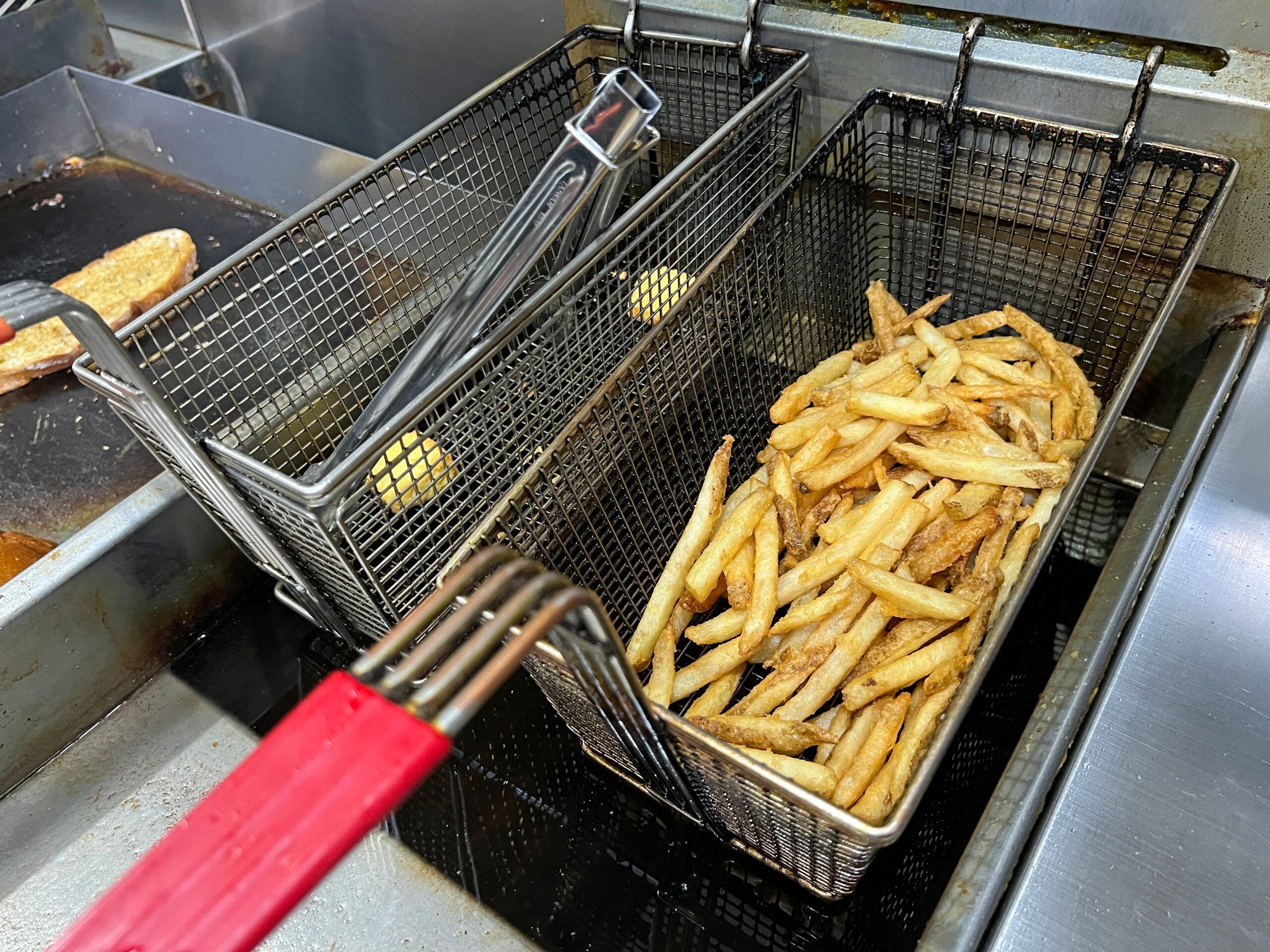
In any restaurant, oil is part of the daily workflow. From a deep fryer producing fried chicken to high-volume fry stations cooking fried foods all day, oil use is constant, but so is the need to remove it.
However, once used cooking oil starts to accumulate, the question is, how do you get it out of your business safely, consistently, and without disrupting operations?
In this case, most restaurants rely on structured oil pickup and recycling services. These systems are designed to collect waste oil, convert it into usable products such as biodiesel, and eliminate the need for manual disposal. This approach doesn’t just remove oil; it also creates a cleaner, safer, and more reliable process throughout your kitchen.
Understanding Used Cooking Oil Removal Options
Restaurant operators have two basic options when it comes to handling used cooking oil: manage disposal internally or work with a professional service provider. In practice, DIY disposal is rarely feasible for commercial kitchens.
Trying to dispose of used oil yourself often leads to these problems:
- Pouring oil into a drain can damage plumbing and create sewer issues.
- Dumping oil in the trash or an improper container can lead to spills and compliance risks.
- Managing large gallons of waste oil manually takes time away from core kitchen operations.
Because of this, most restaurant operations turn to used cooking oil collection and recycling services. These services handle everything from pickup to processing, ensuring oil is collected safely and converted into renewable resources.
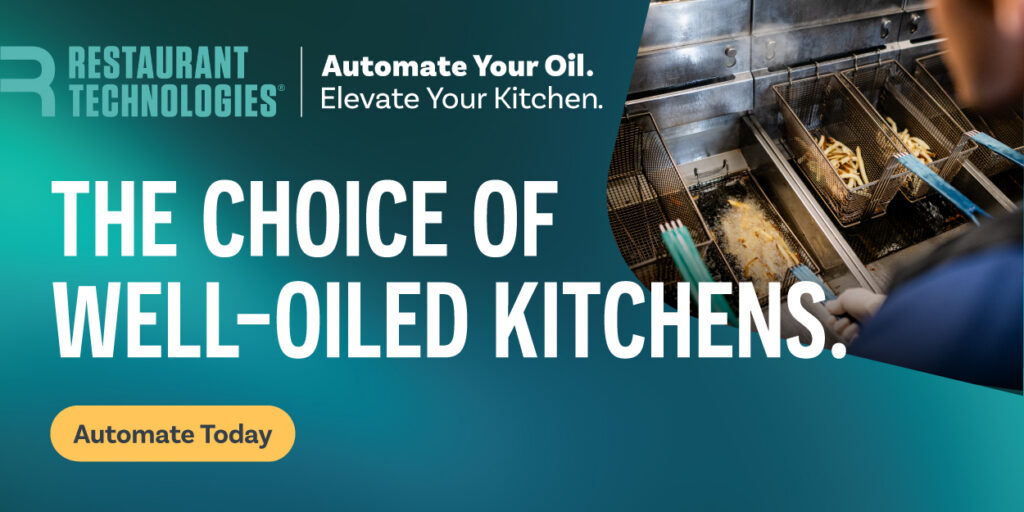
For many operators, the next step beyond basic pickup services is automated cooking oil management. Instead of relying on manual handling and external scheduling alone, automation creates a more controlled, hands-free system for storage, monitoring, and used cooking oil pickup.
How Oil Collection Services Work
Once a restaurant partners with a provider, the process becomes predictable and easy to manage. Used cooking oil pickup becomes part of your routine.
Here’s what the typical process looks like:
- Oil is collected from fryers and transferred into sealed collection containers or storage tanks.
- Teams may use cooking oil filtration systems to extend oil life and improve quality.
- The provider sets a schedule based on your oil usage and volume.
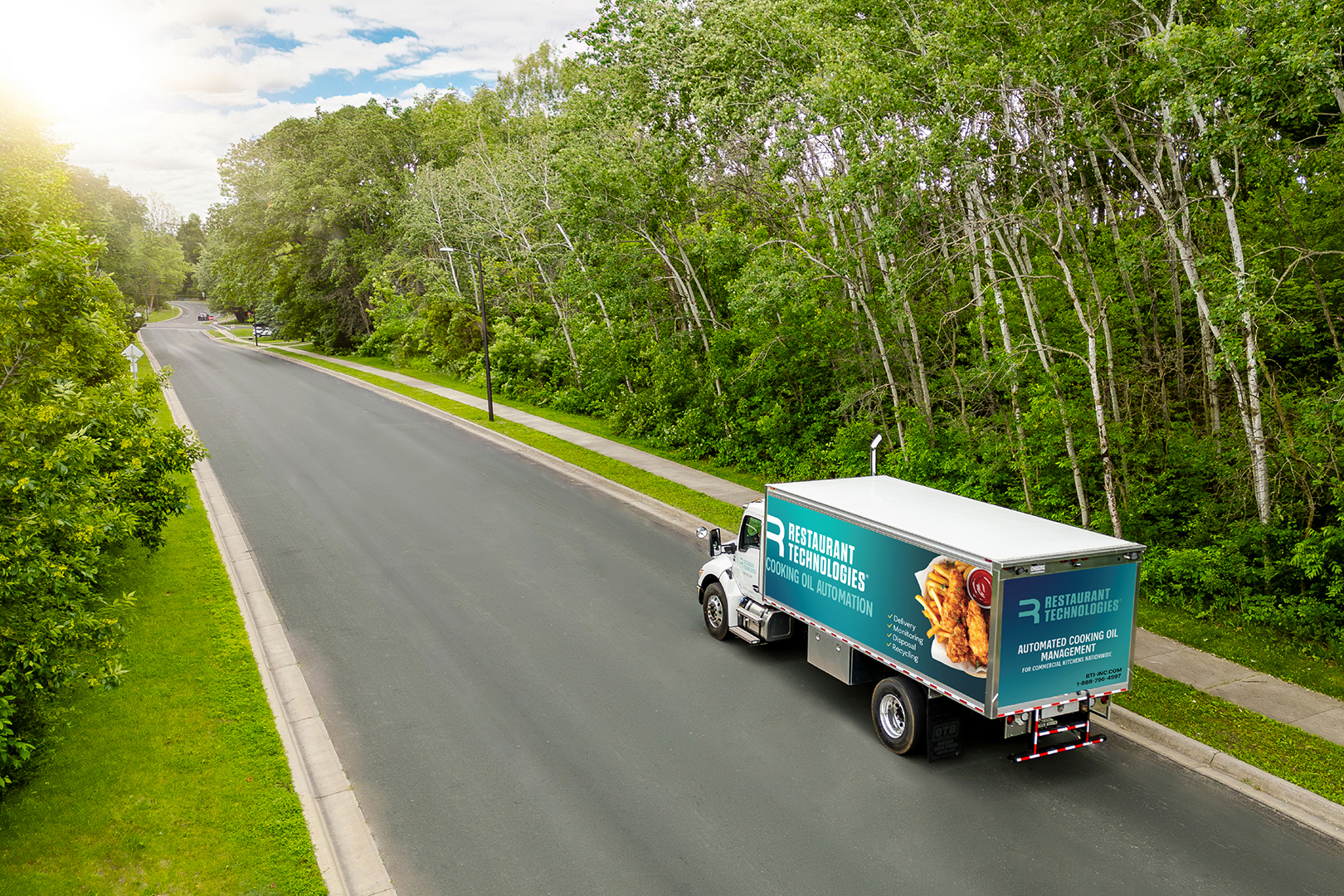
- Drivers arrive for scheduled pickups and pump the oil directly into their trucks.
At this stage, providers collect the old oil and transport it for processing. This is where used oil recycling begins, helping convert waste into usable resources while supporting renewable energy initiatives.
This structured system makes sure that restaurants don’t have to manage waste oil manually while maintaining compliance with EPA and Environmental Protection Agency guidelines.
Scheduled vs On-Demand Pickup
Not all pickup models are the same. Restaurants typically choose between scheduled pickups and on-demand service.
- Scheduled pickups provide consistency. The provider sets a routine based on oil usage, so storage containers never overflow.
- On-demand pickup offers flexibility but can lead to gaps, especially in high-volume kitchens where oil can accumulate quickly.
For most operations, scheduled pickups are the more reliable option. They reduce the risk of overfilled containers, eliminate last-minute calls, and create a predictable rhythm for oil removal.
What Happens to Collected Oil
Once oil leaves your restaurant, it begins a second lifecycle. Used cooking oil recycling plays a key role in sustainability and operational efficiency.
Collected oil is:
- Filtered to remove food particles and impurity
- Refined and converted into biodiesel or other fuel products
- Sometimes repurposed for products like animal feed or industrial use
This process supports a more sustainable lifecycle for cooking oil, turning what was once waste into a resource and supporting renewable fuel production.
Choosing the Right Oil Removal Provider
Not all providers offer the same level of service. Choosing the right partner can make a significant difference in how your restaurant manages oil.
When evaluating an oil removal service provider, look for these things:
- Reliability – Do they follow a consistent pickup schedule and honor service agreements?
- Compliance – Are they aligned with regulatory standards and environmental requirements?
- Equipment – Do they provide enclosed storage containers, pump systems, and safe collection systems?
- Scalability – Can they support multiple locations or increasing oil volume over time?
A strong partner ensures that oil removal is not just handled—but handled the same way every time. That consistency helps reduce risk, improve efficiency, and maintain cleaner back-of-house operations.
Preparing Your Business for Oil Pickup
Even with a provider in place, your setup matters. Proper storage and accessibility help ensure pickups are fast, safe, and efficient.
Restaurants should:
- Use designated storage containers or tanks for used oil
- Place containers in accessible, on-site locations for drivers
- Keep areas around containers clean and free of obstruction
- Avoid pouring oil into drains, sinks, or grease traps
Proper setup also helps prevent grease trap overload. When oil is handled correctly, it reduces the need for frequent grease trap cleaning and avoids strain on plumbing systems. Some operators also work with grease-trap cleaning services to maintain compliance and prevent FOG (fats, oils, and grease) buildup.
How Often Should You Schedule Oil Removal?
There’s no one-size-fits-all schedule. The right frequency depends on how much oil your restaurant uses and how much storage capacity you have.
High-volume kitchens that deep fry frequently, like those serving fried chicken or other fried foods, may need more frequent pickups. Smaller operations may schedule less often.
Key factors to consider include:
- Oil usage volume
- Storage container size
- Available space for on-site storage
- Risk of overflow or waste accumulation
Having a well-matched schedule ensures that oil never becomes a problem. Instead, it stays part of a controlled, repeatable process.
Benefits of Professional Oil Removal Services
Partnering with a professional oil removal provider does more than remove waste; it also improves the entire operation.
Key benefits include:
- Improved safety –Reduces spills, burns, and manual handling risks
- Operational efficiency – Frees staff from low-value tasks like transporting oil
- Cleaner kitchens – Prevents buildup of grease and waste oil
- Regulatory compliance – Ensures proper disposal and documentation
- Sustainability – Supports cooking oil recycling and renewable fuel production
- Better waste control – Makes it easier to properly dispose of oil and manage grease disposal without relying on manual processes
Over time, these benefits add up. Restaurants reduce hidden costs, improve consistency, and create a more controlled kitchen environment.
Without a structured process, teams often rely on inconsistent methods to dispose of waste, such as trying to pour oil into improper containers or scrape residue into the trash. Over time, these shortcuts create risk and inefficiency.
Make Oil Removal Simple and Reliable
Getting used cooking oil removed from your business doesn’t have to be complicated. With the right process and the right partner, it becomes a predictable part of daily operations.
Solutions like automated cooking oil management take this a step further by creating a closed-loop, hands-free system that connects cooking oil delivery, storage, and used cooking oil pickup into one streamlined workflow.
Restaurant Technologies supports more than 45,000 commercial kitchens with a system designed to improve safety, efficiency, and consistency. If you’re ready to simplify oil removal and create a more reliable process, it may be time to explore a more structured approach.