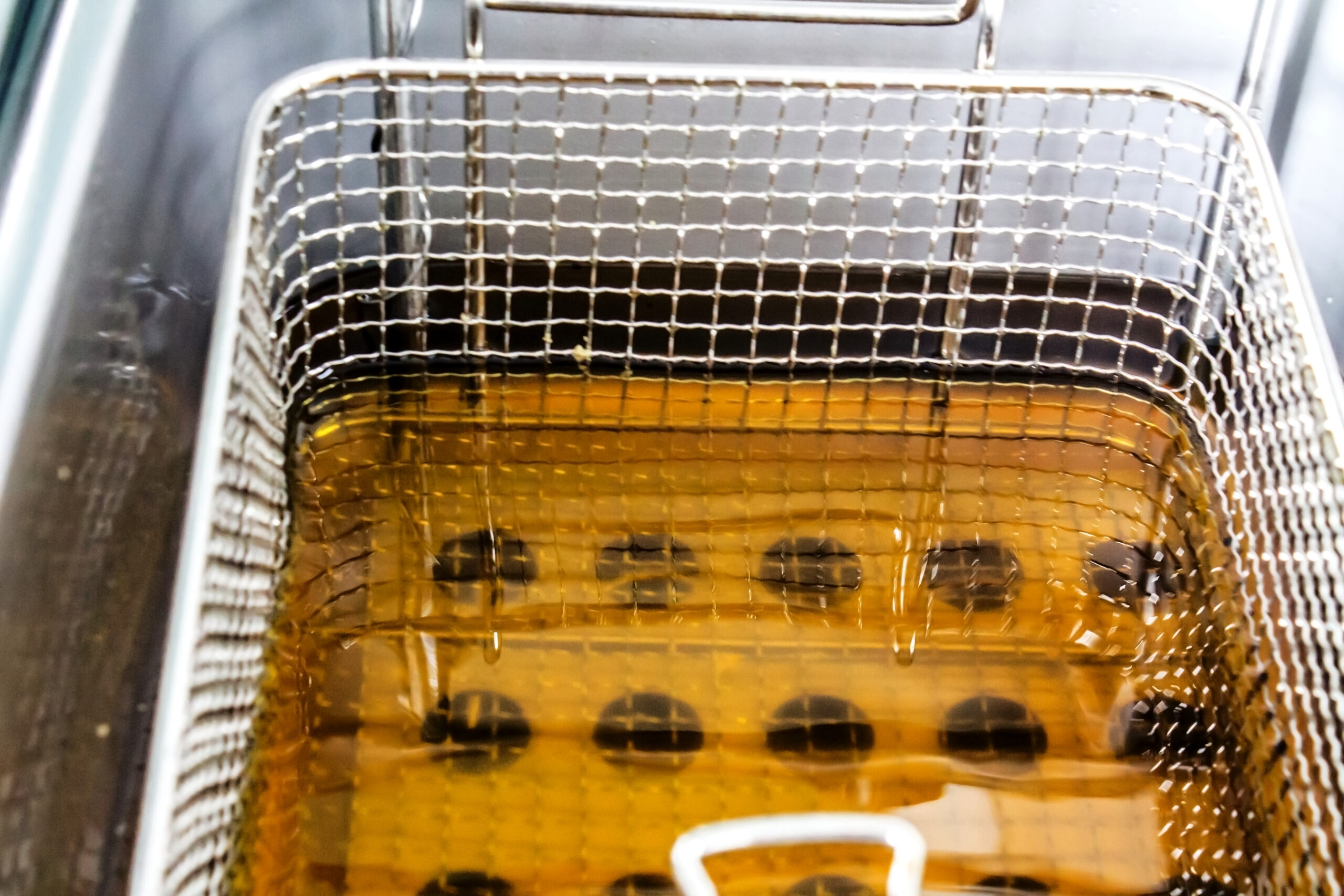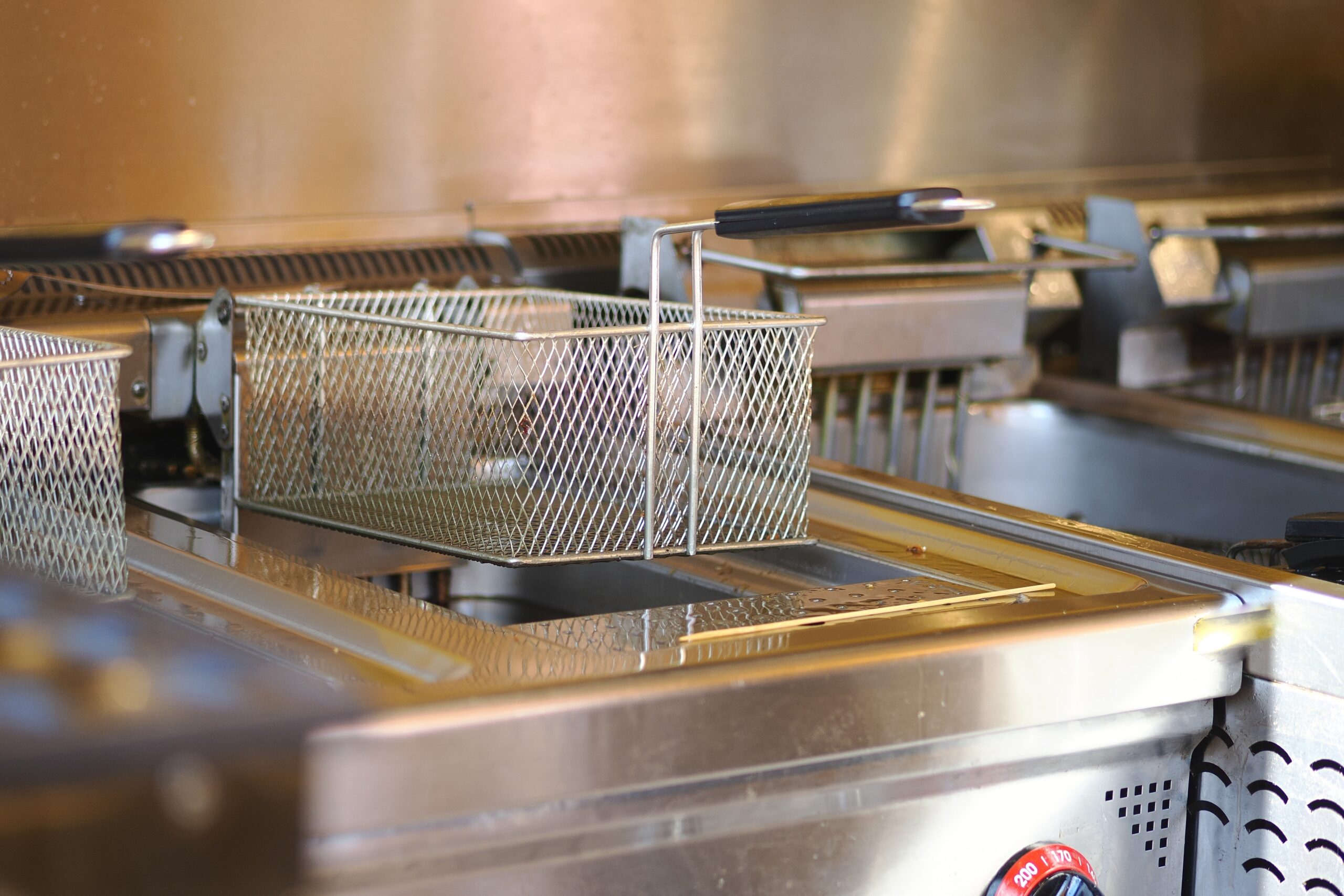

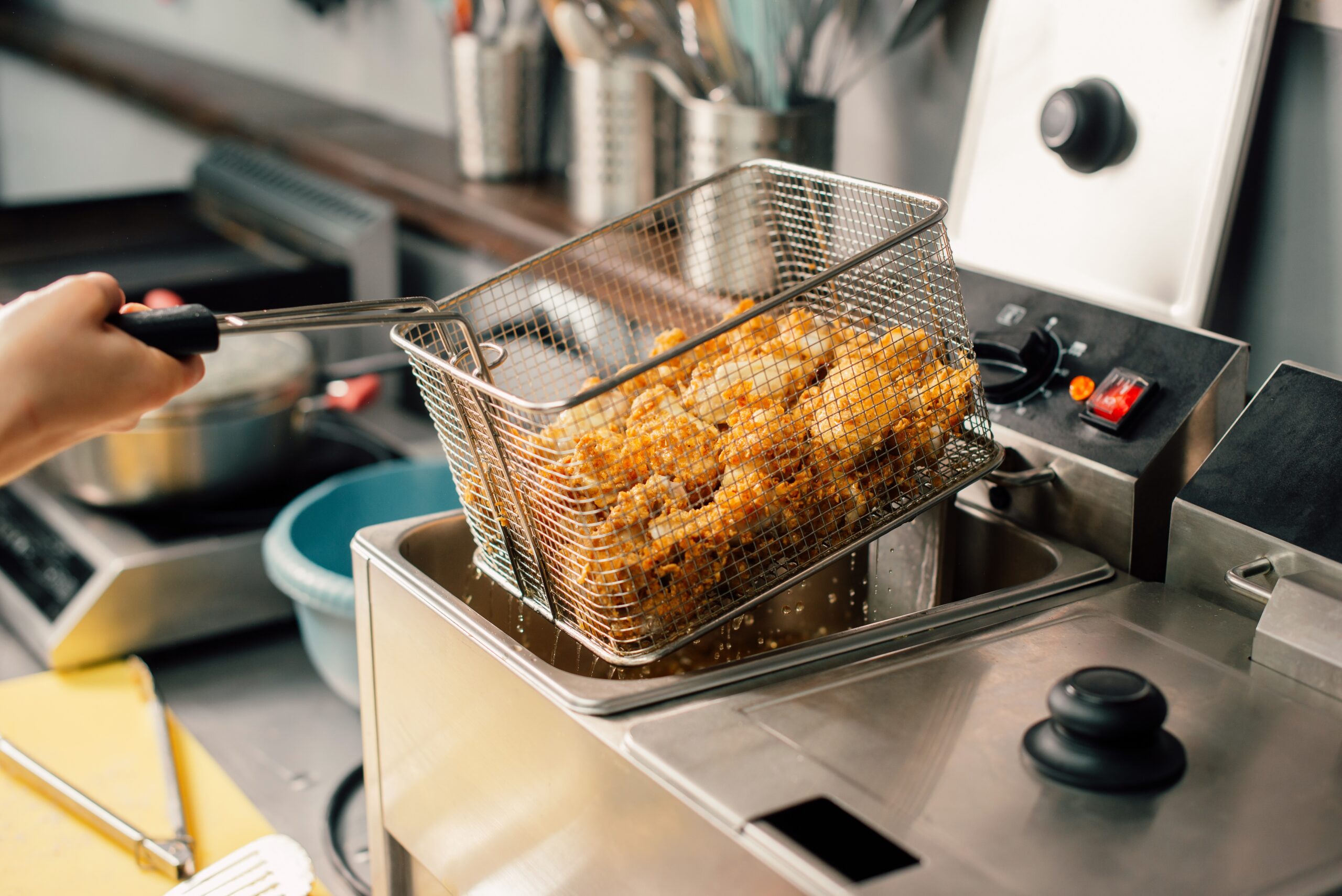
For most restaurants, getting rid of used fryer oil isn’t just a one-time task; it’s something every kitchen has to manage daily. One day it’s powering service, and the next, it’s sitting in a container, taking up space and waiting to be handled. For operators, the challenge isn’t just getting rid of it. It’s doing it in a way that’s safe, consistent, and doesn’t disrupt the kitchen.
That’s where structured oil removal comes in.
Restaurants don’t simply dispose of cooking oil on the fly. Instead, they follow established restaurant oil disposal processes built around safety, compliance, and consistency. The goal isn’t just disposal; it’s also managing oil in a controlled way that reduces risk, protects staff, and keeps operations running smoothly.
Common Methods Restaurants Use to Dispose of Fryer Oil
Restaurants have several disposal options available, but not all methods are safe or effective. Over time, the industry has moved toward more controlled systems, especially for handling large quantities of used cooking oil from restaurants.
The most common methods include:
- Professional cooking oil collection and recycling services
- Rendering and grease collection companies
- On-site storage with scheduled pickup
In addition to traditional collection services, some restaurant operators are moving toward automated cooking oil management. These systems combine storage, transfer, and pickup into a closed-loop process, reducing the need for manual handling and creating a more consistent approach to cooking oil disposal.
What you won’t see in a well-run kitchen is pouring oil into a drain. Improper disposal, especially pouring oil or cooking grease into plumbing, can clog a pipe, damage sewer lines, and create serious issues. Even small amounts of grease can build up over time.
That’s why proper disposal of cooking oil is built around consistency, not convenience. Restaurant owners must properly dispose of used cooking oil using systems designed specifically for grease disposal for foodservice businesses.
Why Recycling Used Fryer Oil Is the Industry Standard
Today, recycling used cooking oil has become the industry standard because it turns waste into value. Instead of treating oil as something to discard, operators can reuse cooking oil when appropriate and recycle it once it reaches the end of its lifecycle.
Through cooking oil recycling, used oil is collected and processed into products like biodiesel, animal feed, and other industrial materials. In this process, oil is refined and repurposed into renewable energy sources.
Here’s why cooking oil recycling has become the preferred approach:
- Environmental impact – Recycling reduces oil waste entering landfills and sewer systems.
- Operational efficiency – Structured recycling programs create consistency across locations.
- Cost control – In some cases, operators may offset costs through rebates or reduced disposal fees.
This approach supports proper disposal while reducing environmental impact. It also aligns with recycling programs that handle cooking oil each year across thousands of foodservice locations.
Partnering With Oil Collection and Recycling Companies
For most restaurant operations, the simplest way to manage used cooking oil is to partner with a professional collection service. These grease collection companies specialize in oil collection, transportation, and recycling, taking the burden off kitchen staff.
The process below eliminates the need for manual disposal while ensuring compliance with local regulations. It also helps prevent contamination from food particles, keeping the recycling process efficient.
A typical oil collection service works like this:
- Used cooking oil is transferred from fryers into a sealed container or oil storage tank.
- A scheduled pickup is arranged based on oil usage and volume.
- Drivers arrive, pump the oil into their trucks, and transport it to a recycling company.
- The oil is processed, refined, and converted into biofuel or other products.
Most providers handling cooking oil collection operate as licensed grease specialists, ensuring that used oil is transported and processed according to regulation. That’s why working with a reputable, licensed grease collection partner reduces the risk of compliance issues and helps protect against problems like grease thieves, who may target unsecured oil containers.
Scheduled Pickup Services
Most restaurants rely on scheduled pickups rather than waiting until oil becomes a problem. With a consistent schedule, oil containers never overflow, and disposal becomes part of the regular workflow.
Scheduled pickup services provide:
- Consistent removal of used cooking oil
- Reduced risk of spills and overflow
- Better grease management across shifts
- Improved safety for staff handling hot oil
This approach supports a clean and efficient kitchen by removing variability from the process.
On-Demand vs Recurring Collection
Some operators consider on-demand pickup for flexibility, but it often comes with trade-offs.
- On-demand pickup allows you to call when needed but can lead to delays.
- Recurring collection service ensures oil is removed on time, every time.
For most operations, recurring pickup is the better option. It reduces the chance of buildup, supports preventing grease issues, and keeps grease trap systems functioning properly.

Storage and Handling Before Disposal
Before oil is picked up, it has to be stored safely. This step is often overlooked, but it plays a major role in preventing spills, contamination, and safety hazards.
Restaurants typically store used cooking oil in dedicated oil containers or tanks. These containers are designed to handle large quantities of used cooking oil while minimizing exposure to air and debris.
Key best practices include:
- Use sealed containers to prevent leaks and odor
- Keep containers away from high-traffic areas
- Avoid mixing cooking oil and grease with other waste
- Ensure easy access for pickup without disrupting the kitchen
Handling cooking oil safely also means minimizing manual contact. Using pumps, caddies, or automated systems reduces the need for pouring oil and helps prevent spills.
In high-volume kitchens, regular grease disposal for foodservice becomes essential. Without it, oil waste can accumulate quickly and disrupt operations.
Indoor vs Outdoor Storage Systems
Restaurants may choose between indoor tanks or outdoor storage depending on space and operational needs. Here’s the difference:
- Indoor storage – offers convenience and protection from weather but requires careful placement.
- Outdoor storage – provides more capacity and easier pickup access but requires secure containment to prevent theft or spills.
Both options can work effectively when paired with a reliable oil collection service.
Equipment for Safe Oil Transfer
Handling hot oil manually is one of the biggest risks in a restaurant kitchen. That’s why many operators rely on equipment designed for safe oil transfer.
Common tools include:
- Oil shuttles or caddies
- Pumps for transferring oil from fryer to container
- Cooking oil filtration systems to remove food particles
These tools reduce the risk of burns, spills, and improper disposal while improving overall efficiency.
For operators looking to go further, automated cooking oil management systems connect storage, transfer, and pickup into a single closed-loop process, removing much of the manual handling altogether.
Compliance and Environmental Regulations
Regulations around grease disposal are designed to protect wastewater systems and public infrastructure. Local and federal agencies, including the Environmental Protection Agency (EPA), set guidelines for how restaurants must properly dispose of oil.
Improper disposal, such as pouring grease down the drain, can lead to:
- Sewer backups and environmental damage
- Violations of wastewater regulations
- Fines or penalties for non-compliance
Using grease traps and maintaining them through regular grease trap cleaning is essential. These systems help capture fat, oil, and grease (FOG) before they enter the sewer system.
For restaurant operators, compliance isn’t just about avoiding fines; it’s about ensuring a safe, sustainable process for disposing of oil waste.
Cost Considerations and Potential Rebates
Cost is always part of the conversation. While professional grease disposal services come with fees, they often replace hidden costs tied to manual handling.
Without a structured system, kitchens may face:
- Plumbing repairs from clogged pipes
- Increased labor for handling oil
- Cleaning and maintenance issues
- Risk of fines from improper disposal
On the other hand, recycling used cooking oil can create value. Some recycling programs offer rebates based on the amount of grease collected, especially when oil is converted into biofuel.
Over time, a consistent disposal system can reduce total costs while improving operational control.
Efficient and Responsible Fryer Oil Disposal
Restaurants usually get rid of used fryer oil through structured systems, not shortcuts. Professional oil collection, proper storage, and consistent recycling are the foundation of safe and efficient disposal.
The most effective approach combines safe storage, consistent pickup, and responsible recycling. For operators looking for a better way to dispose of cooking oil, a more structured system can reduce risk, improve efficiency, and simplify day-to-day operations.
Automated cooking oil management takes this a step further by connecting cooking oil delivery, storage, and disposal into one streamlined, closed-loop process. Restaurant Technologies supports more than 45,000 commercial kitchens with a more consistent way to manage oil, helping reduce risk, improve efficiency, and keep operations running smoothly.