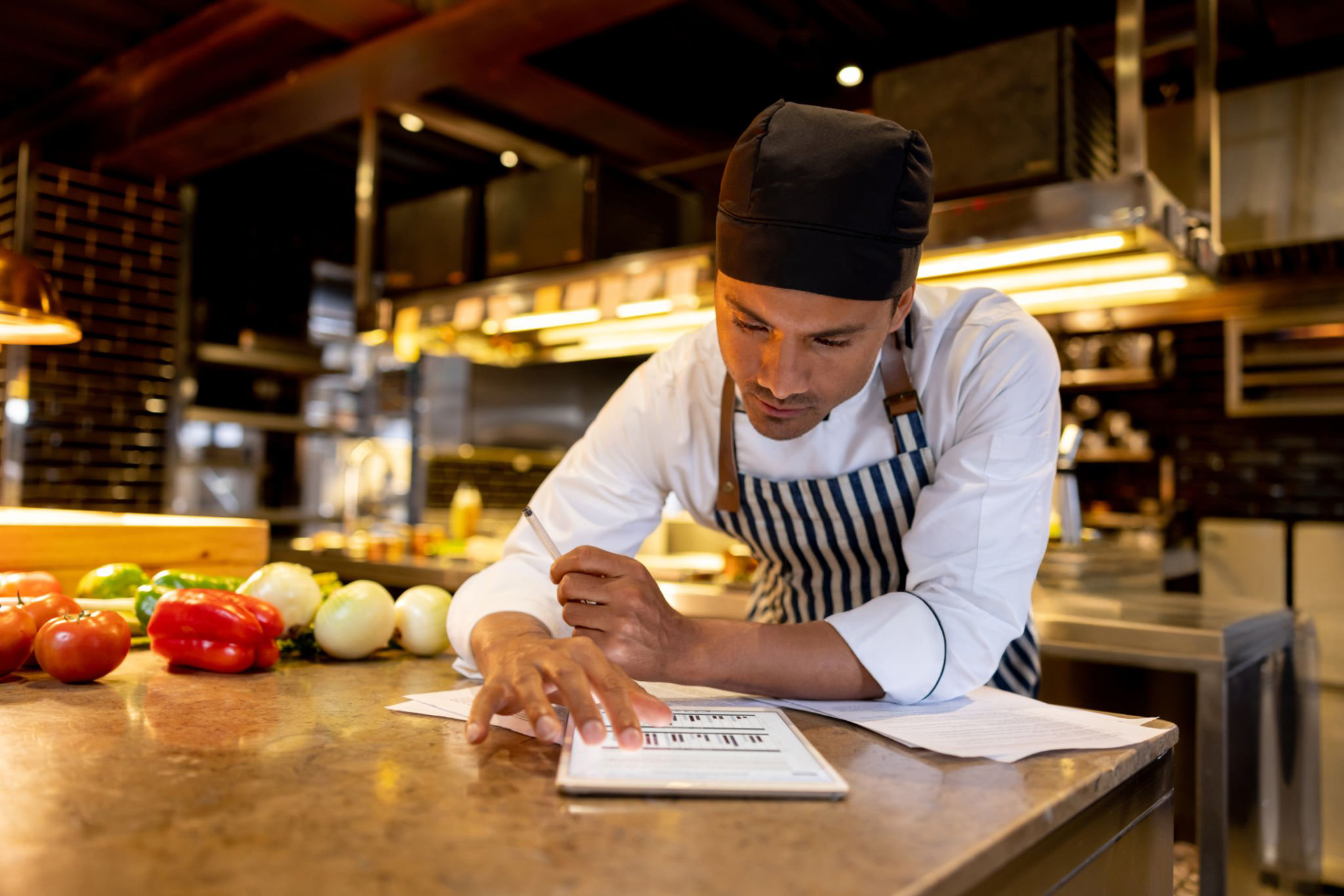


What Is AI in the Restaurant Industry?
Artificial Intelligence, or AI, might sound futuristic, but it’s already transforming how restaurants operate. AI refers to computer systems that learn from data, recognize patterns, and make recommendations automatically. Think of it as a digital assistant that helps plan schedules, reduce waste, and keep operations running smoothly.
AI isn’t about replacing people; it’s about helping teams work smarter. Automating repetitive tasks and providing real-time insights gives chefs, managers, and staff more time to focus on what matters most: great food and satisfied guests. According to a Deloitte insight, 8 out of 10 restaurant executives plan to increase their AI investment next year, underscoring the relevance of this topic.
Why AI Matters for Restaurants Today
Running a restaurant today means juggling labor shortages, rising costs, and increasingly demanding customers. That’s where AI makes a difference.
These innovative tools can predict which menu items will sell best, adjust staffing levels based on traffic, and monitor equipment to prevent breakdowns. For example, an AI scheduling platform might recommend the right number of line cooks for a busy weekend, or analytics dashboards can flag over-ordered ingredients before waste occurs.
These tools don’t replace human expertise; they actually enhance it. By removing the guesswork from daily decisions, AI helps owners stay proactive instead of reactive. It also keeps restaurants competitive in a fast-changing market where guests expect speed, accuracy, and personalized service.
Core Applications of AI in Restaurants
AI can be applied across nearly every part of a restaurant’s operation. Some of the most effective uses include:
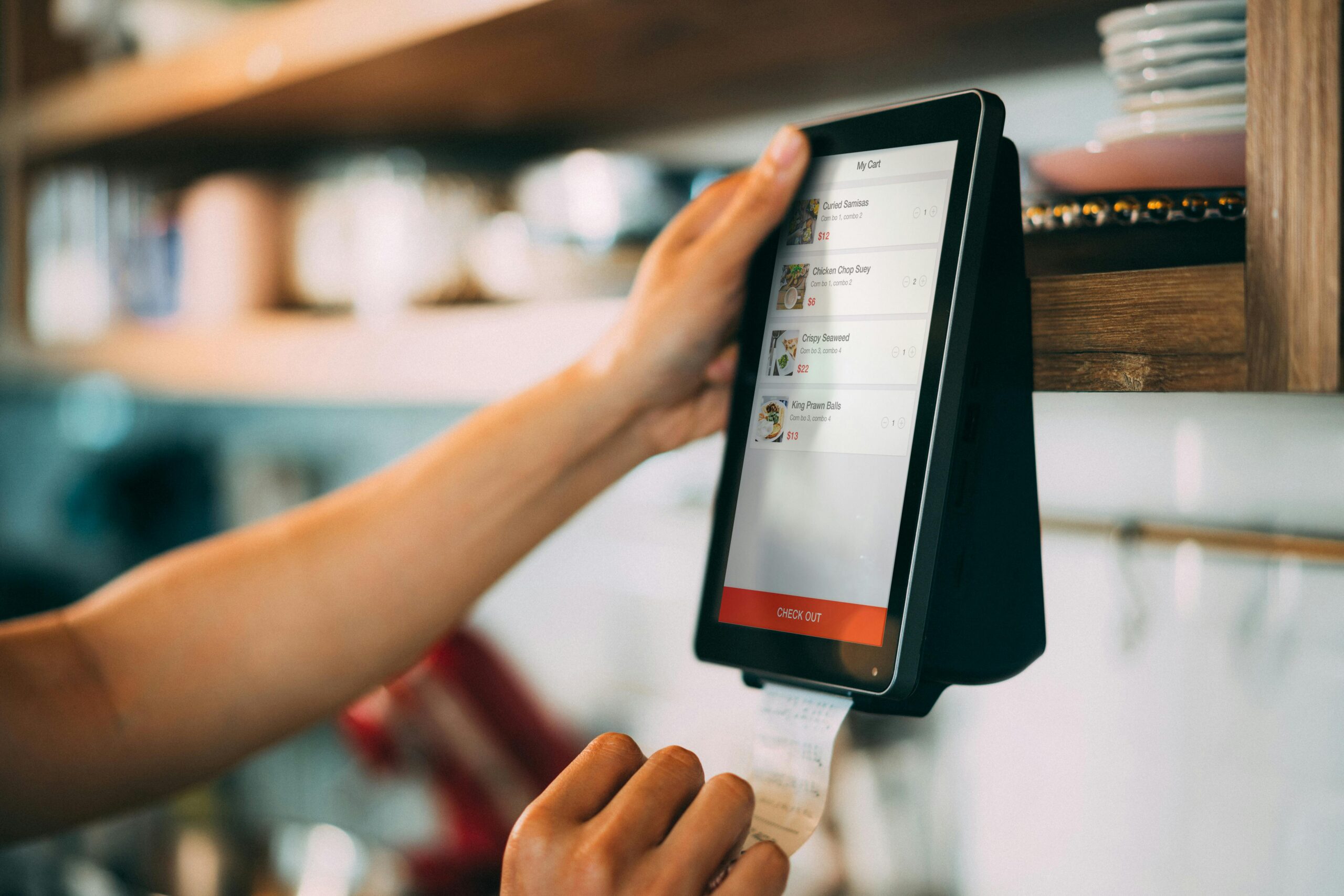
Customer Service: Smart chatbots and self-service kiosks let guests place orders, customize meals, or check wait times without tying up staff. Some systems even learn from previous visits to recommend favorites or upsell menu items that fit a guest’s preferences.
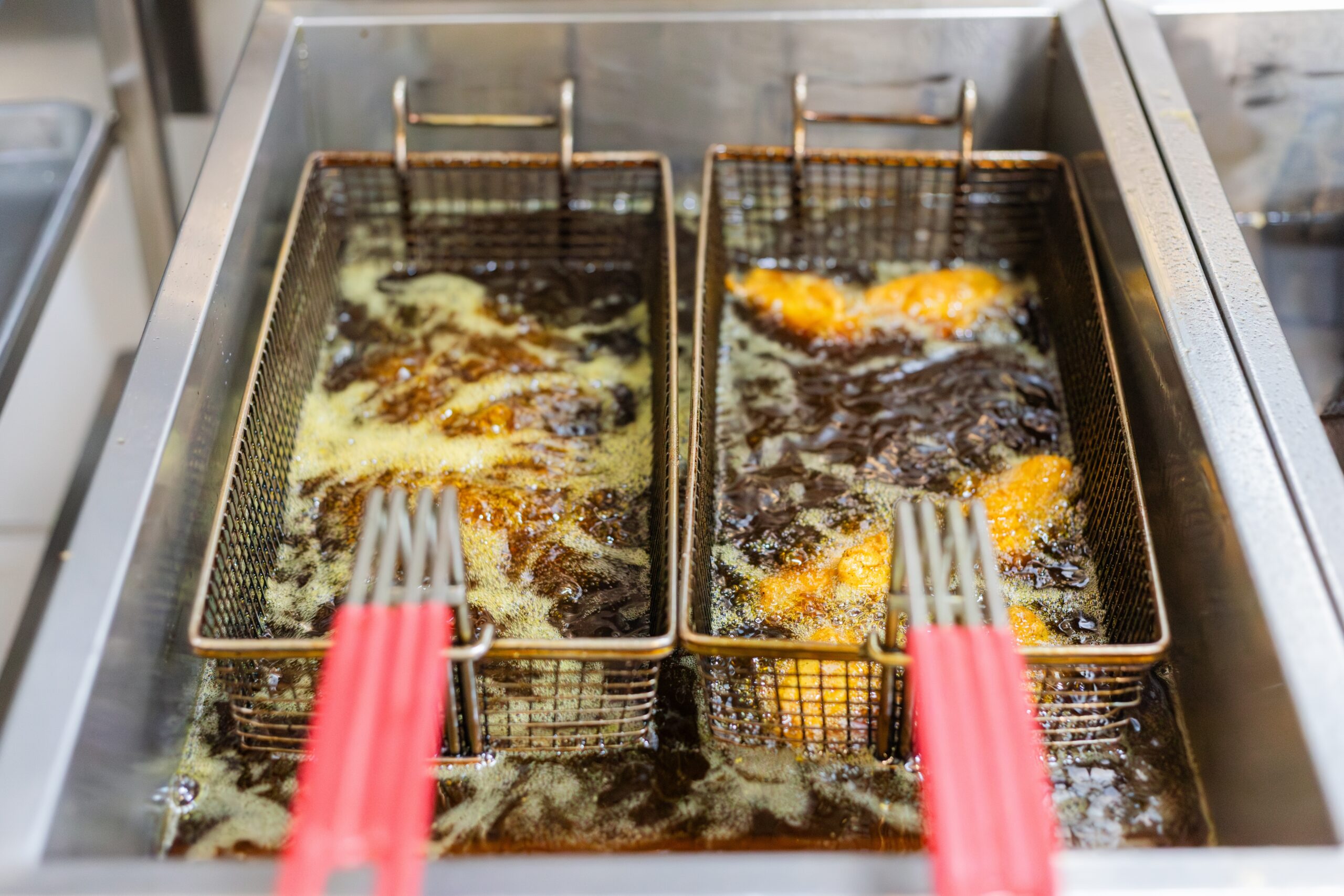
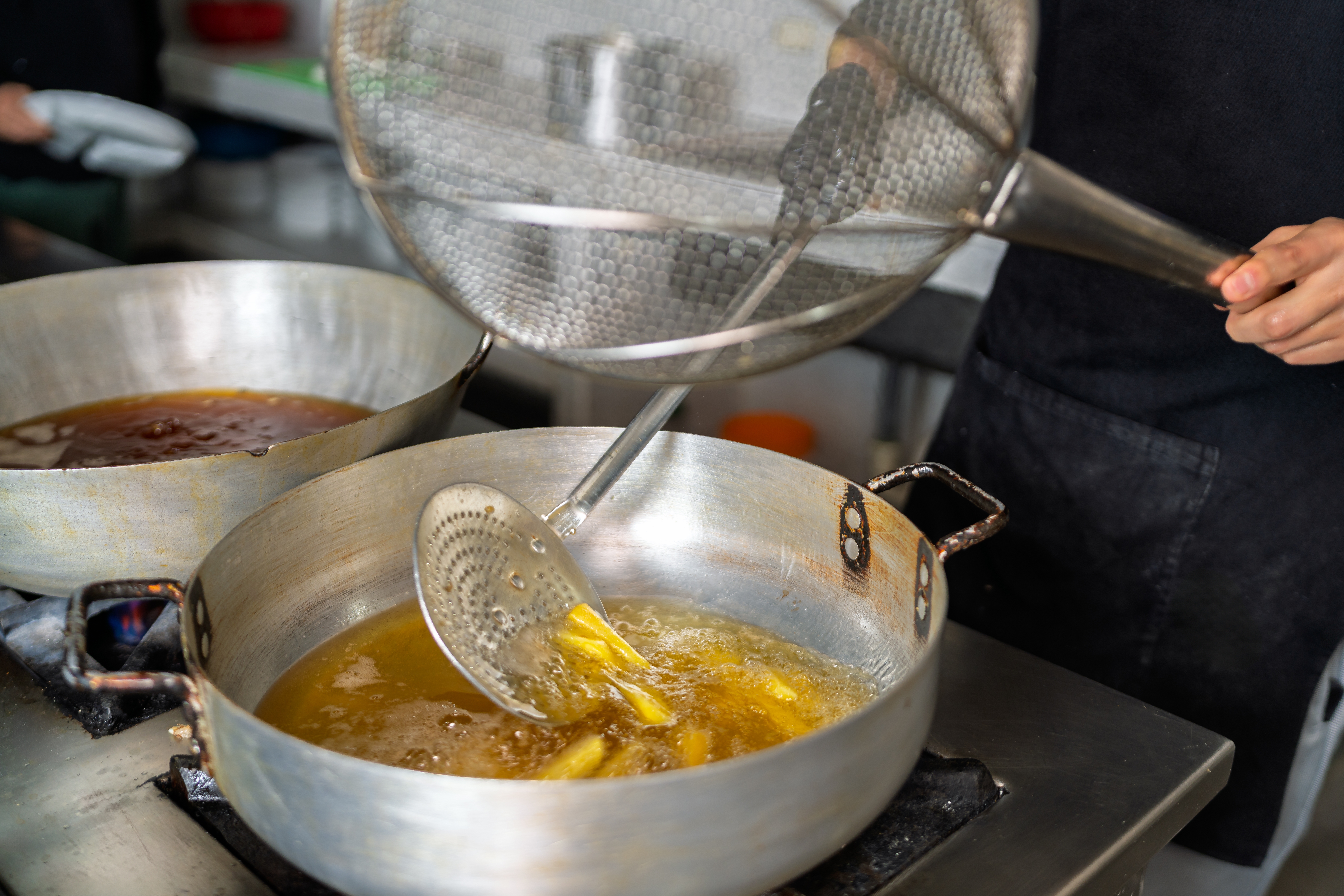
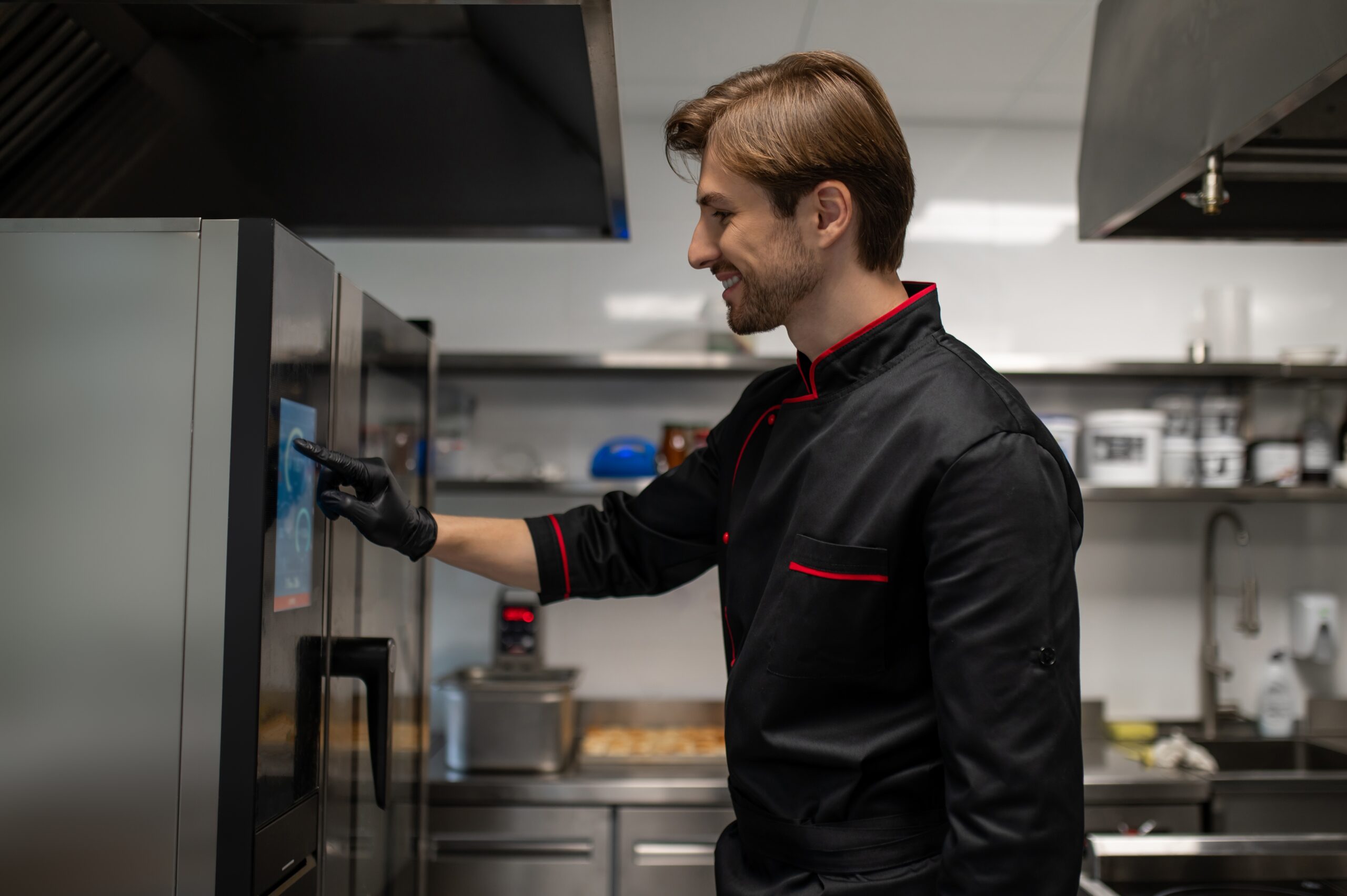
Kitchen Management: AI helps manage timing, temperature, and food quality. In some kitchens, smart ovens or fryers adjust automatically for different menu items, reducing waste and improving consistency. When combined with tools like automated cooking oil management, it keeps fryers cleaner and staff safer while maintaining food quality and flavor.
Ordering and Payment Systems: Self-service kiosks and mobile ordering apps use AI to recommend menu items based on customer preferences, order history, or even weather patterns.
Inventory Tracking: Predictive algorithms forecast ingredient usage to prevent overstocking or shortages, helping operators manage costs and minimize spoilage.
Even small restaurants can start with one or two AI features, like automated inventory alerts or dynamic scheduling tools, and expand as the benefits become clear. As explored in our post on AI Solutions for Restaurant Kitchen Efficiency, operators are finding that these tools save time, reduce errors, and make the kitchen more efficient and enjoyable to work in.
Benefits of AI Adoption in Restaurants
AI offers far more than novelty — it delivers practical, measurable improvements that make life easier for both managers and staff.
Efficiency and Speed: Automation reduces repetitive tasks such as data entry, manual scheduling, and inventory counting. With AI managing these background tasks, staff can focus on food preparation and guest interaction.
Cost Control: Predictive systems help operators identify waste before it happens. Whether it’s unused produce or overused fryer oil, AI can alert teams when resources are being stretched too thin.
Staff Support and Retention: When employees aren’t overwhelmed by manual tasks, job satisfaction improves. AI helps distribute workload fairly, supports better communication, and gives staff more time to do what they enjoy — cooking and serving guests.
Personalization and Guest Loyalty: AI systems remember guest preferences, making it easier to recommend specials or craft targeted promotions. This sense of personal attention keeps customers coming back.
Sustainability: Many AI tools also track energy usage or waste patterns, helping restaurants reduce their environmental footprint while saving on utilities.
As discussed in How AI Is Improving Restaurant Customer Service, technology is proving that automation can strengthen, not replace, the human side of dining. When guests feel seen and supported, service feels effortless, even when operations are complex behind the scenes.

Challenges of Implementing AI
Adopting AI can come with a few learning curves. The main challenges involve cost, staff training, and integration with existing systems.
Cost and Scale: Many operators assume AI requires a significant investment. In reality, today’s restaurant-specific tools are modular and affordable, often offered through cloud-based subscriptions that let you start small and expand over time.
Training and Adoption: Technology only works when teams feel confident using it. Training should emphasize how AI simplifies daily work, not replaces it. Once staff see that AI manages data while they focus on people, adoption becomes easier.
Integration and Support: Some older POS systems or kitchen tools don’t connect easily with new platforms. Partnering with a trusted provider like Restaurant Technologies helps ensure smooth integration. Start with one manageable upgrade, such as smart fryer monitoring or predictive maintenance, and grow from there.
The Future of AI in the Restaurant Industry
The next wave of AI in restaurants will focus on prediction, sustainability, and safety.
Predictive Analytics: AI systems will forecast sales, staffing needs, and delivery routes with increasing precision. This allows operators to plan weeks in advance rather than reacting to daily surprises.
Smart Maintenance: Equipment sensors detect performance changes and automatically schedule service, preventing breakdowns before they occur.
Sustainability Tracking: Restaurants are increasingly using AI to measure food waste, energy use, and emissions. These insights support greener operations and align with evolving consumer values.
Assistive Robotics: Some kitchens are experimenting with robots that handle repetitive or physically demanding tasks such as dishwashing or frying. These tools don’t replace staff; they help reduce burnout and injury risk.
Ultimately, AI will continue to evolve as an assistive technology — helping people do their jobs better, faster, and more safely.
Conclusion: Driving Restaurant Growth with AI
AI isn’t a distant concept; it’s a practical solution already helping restaurants streamline operations, reduce costs, and elevate guest experiences. When implemented thoughtfully, it supports staff, simplifies management, and strengthens brand reputation.Restaurant Technologies helps operators apply intelligent automation to real-world challenges. From data-driven insights to automated cooking oil management, RTI empowers restaurants to confidently and efficiently embrace technology.
Sources:
Deloitte Insights. How AI is Revolutionizing Restaurants. https://www.deloitte.com/us/en/insights/industry/retail-distribution/ai-in-restaurants.html
Blue Orbit. AI in Restaurants: The Pros, Cons & Surprising Outcomes of a Digital Revolution. https://www.blueorbiting.com/ai-in-restaurants-pros-cons-2025/