
Importance of a Cafeteria Cleaning Checklist
Cafeterias are the heart of schools, hospitals, and corporate workplaces, serving hundreds of people each day. Unlike restaurant requirements and cleaning checklists, their standards require extra oversight. Business owners must be aware of these distinctions. Managers must balance the challenge of serving large groups quickly with the need to meet regulations set by health departments and institutional programs. Even one slip in cleaning can put public health at risk, damage trust, and lead to costly violations. That’s why having a clear cafeteria cleaning checklist isn’t just helpful, it’s essential for food service success.
A well-documented checklist ensures consistency, accountability, and efficiency. It helps staff clearly understand their responsibilities, ensures no task is overlooked, and provides managers with a record of compliance during inspections. More importantly, it creates a safe environment for both staff and diners, reducing the risks of cross-contamination, pests, and foodborne illnesses.
Daily Cafeteria Cleaning Tasks
Daily cleaning is the foundation of cafeteria hygiene. Employees must perform routine tasks to prevent an unsanitary dining environment. These tasks address high-touch surfaces and foodservice areas that are constantly in use:
- Tables and Chairs: Wipe down and sanitize after every service period. Pay attention to chair backs and the undersides of tables where grime can accumulate.
- Serving Lines and Counters: Clean, sanitize, and disinfect trays, glass guards, and utensil stations throughout the day to ensure proper hygiene.
- High-Touch Points: Disinfect door handles, beverage dispensers, self-serve kiosks, condiment pumps, POS systems, and light switches thoroughly and regularly. These areas are some of the most common sources of germ transmission.
- Floors: Sweep and mop with a degreasing solution at the end of each shift to reduce slip hazards. In high-traffic cafeterias, schedule quick mid-day mopping sessions between breakfast and lunch service.
- Trash and Recycling: Remove and empty bins before they overflow and disinfect receptacles to deter pests. Proper trash management is always a top priority.
- Restrooms: Clean and sanitize toilets, sinks, mirrors, and soap dispensers multiple times per day. Replenish paper products and check accessibility features, such as grab bars and door handles, for cleanliness.
- Kitchen Equipment: Wipe down griddles, ovens, and prep surfaces. Empty crumb trays and clean fryer surfaces as needed.
Integrating these routines with a Hotel Kitchen Cleaning Checklist approach ensures cafeteria operations maintain the same level of discipline as hospitality kitchens. In particular, deep cleaning techniques prevent food safety hazards and preserve cleanliness in the long term.
Weekly and Monthly Cleaning Routines
Some cleaning tasks don’t require daily attention but are crucial to maintaining long-term food safety and ensuring equipment care. Scheduling weekly and monthly tasks prevents buildup that daily routines can’t fully address.
- Behind and Under Equipment: Pull out refrigerators, ovens, and fryers to clean grease, dust, and food particles that attract pests.
- Floor Scrubbing: Perform a deep scrub with an auto-scrubber or degreaser to remove embedded dirt and grease.
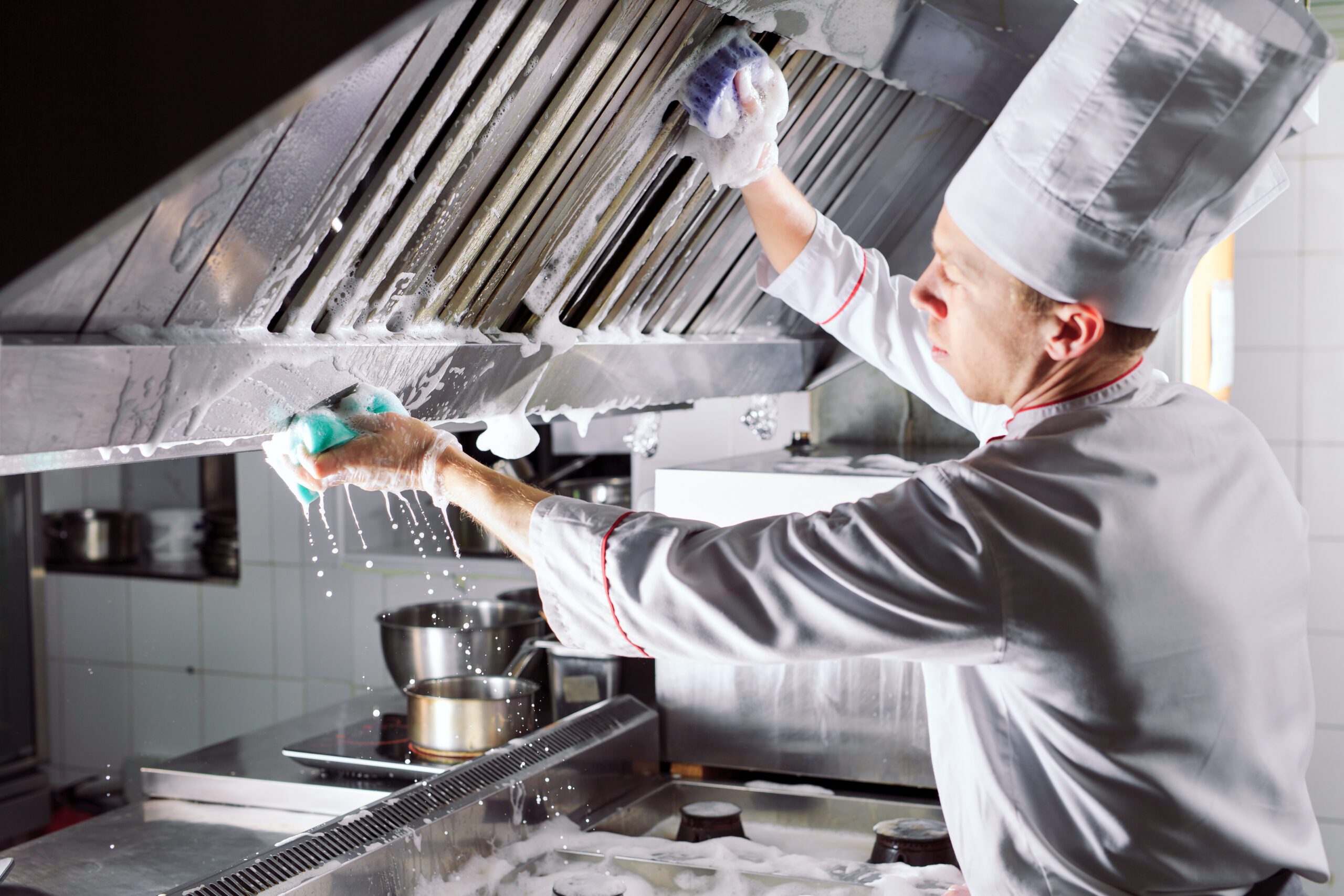
- Ventilation and Hoods: Clean filters weekly to maintain airflow and reduce fire risks. Schedule professional hood cleaning per NFPA 96 guidelines.
- Walk-in Coolers and Freezers: Wipe refrigerator shelves, reorganize stock, and discard expired items. Schedule regular defrosting and clean evaporator coils to maintain energy efficiency. Use proper labeling and rotation, or first-in-first-out (FIFO), to prevent food waste and compliance issues.
- Walls and Ceilings: Remove grease splatter, dust, and cobwebs.
- Dry Storage Areas: Sanitize shelving, rotate stock, and inspect for pests or signs of water damage. Seal cracks and monitor drains as part of pest prevention protocols.
These deeper tasks are especially important in institutional cafeterias, such as schools and hospitals, where service occurs multiple times a day.
Kitchen and Food Prep Area Cleaning
The back-of-house area is where contamination risks are highest. Staff must follow strict sanitation routines to protect food safety:
- Prep Counters: Sanitize before and after use, especially between handling raw and ready-to-eat foods.
- Cutting Boards and Utensils: Wash in a three-compartment sink or commercial dishwasher. Use color-coded boards to prevent cross-contamination.
- Cooking Surfaces: Clean grills, tilt skillets, and steam jacketed kettles after each use.
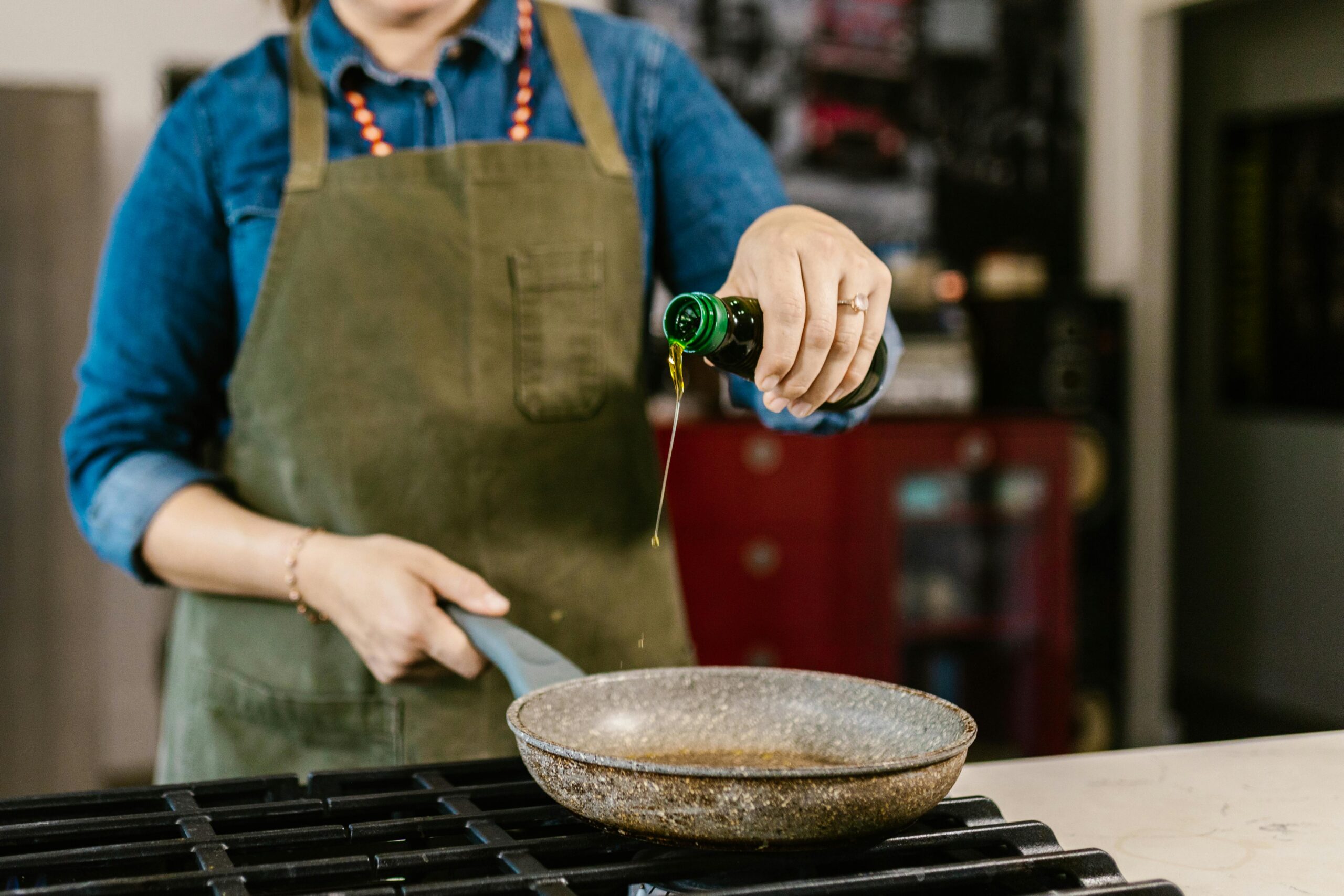
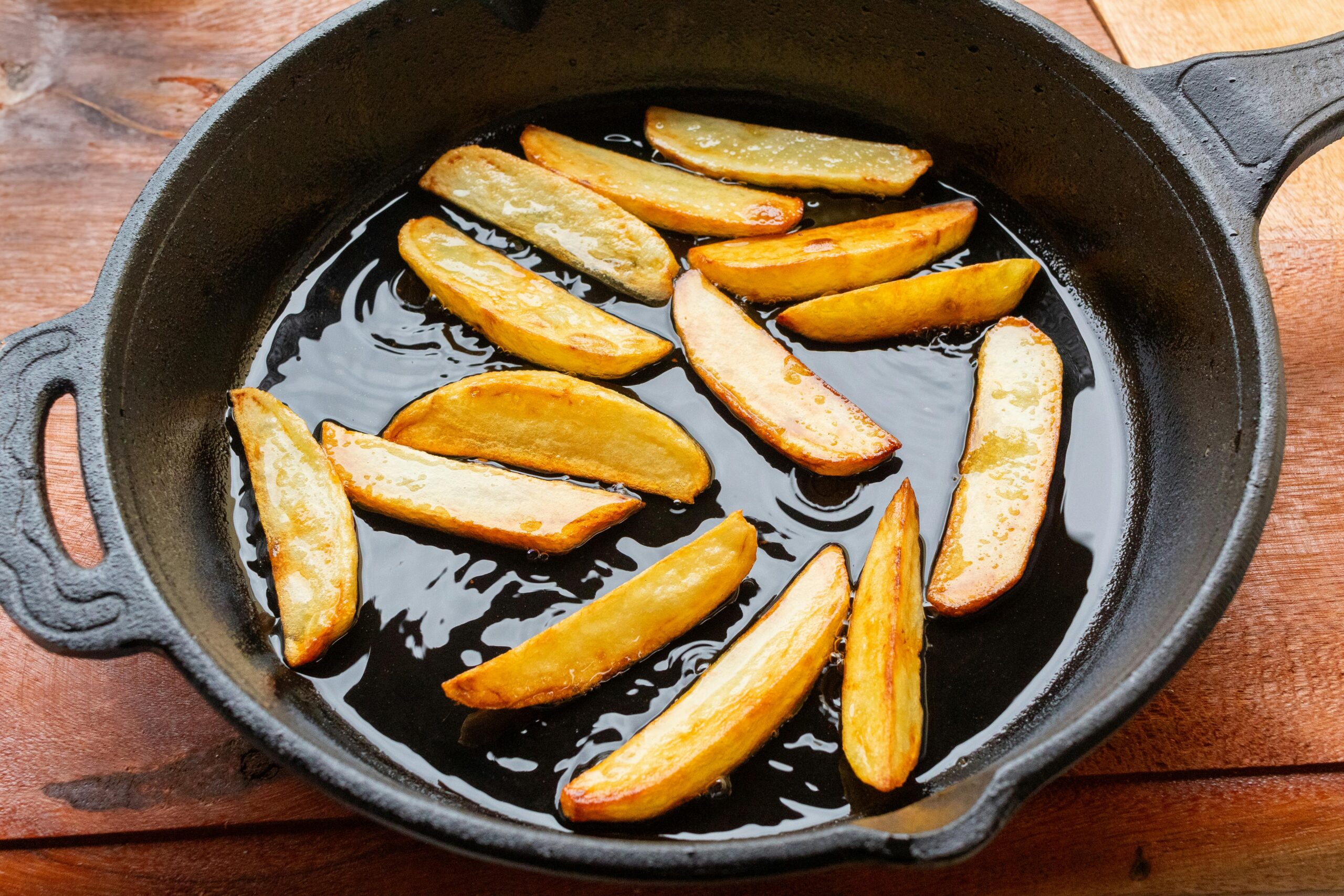
- Fryers: Skim oil throughout the day and wipe surrounding surfaces. Regularly filter or replace oil to maintain food quality. Automating cooking oil processes can reduce grease buildup and minimize the time staff spend handling hot oil.
- Storage Containers: Wash and air-dry before refilling to avoid residue buildup.
- Slicers and Processors: Disassemble, wash, and sanitize all parts according to manufacturer instructions. Health inspectors often check these items closely, making consistent cleaning essential.
Checklists help ensure staff perform these tasks consistently, reducing risks in environments where large groups are served quickly. Regular inspection of the checklist ensures that employees adhere to proper procedures for optimal results.
Dining Area and Restroom Maintenance
Front-of-house cleanliness is just as crucial as back-of-house. Diners judge cafeteria quality not only by the food but also by the environment:
- Tables and Trays: Sanitize between groups and ensure tray return areas remain tidy. Guests notice when trays pile up or tables feel sticky from the last group.
- Floors and Entrances: Clean spills immediately and mop entryways frequently during wet weather to prevent slips. Nothing signals neglect faster than dirty floors or tracked-in mud at the entrance.
- Windows and Glass: Keep sneeze guards, entry doors, and display cases smudge-free. Smudged sneeze guards or streaked glass make a cafeteria look unclean, even if the food is fresh.
- Restrooms: Establish a cleaning schedule aligned with peak meal times. Post restroom logs for accountability. Accessible features such as touchless faucets and ADA-compliant stalls must be kept sanitary to meet regulations. Customers quickly lose confidence if they walk into a restroom with unflushed toilets, empty soap dispensers, or paper on the floor.
- Waste Management: Ensure bins in dining areas are emptied before overflowing and wiped down regularly. Overflowing garbage cans or food scraps on the floor leave a negative impression long after the meal is finished.
A consistently clean dining area builds customer trust and makes the cafeteria more inviting. For many diners, visible cleanliness is as important as food quality in determining whether they return.
Safety and Compliance in Cafeteria Cleaning
Cafeterias are subject to rigorous local and federal regulations. Following a cafeteria cleaning checklist helps maintain compliance and avoids costly penalties:
- FDA Food Code: Requires proper sanitation of food-contact surfaces, use of approved cleaning chemicals, and safe storage practices.
- Health Department Standards: Inspections often focus on cleaning logs, sanitizer concentrations, and pest control measures.
- Cross-Contamination Prevention: Assign color-coded cleaning tools for raw prep areas, serving lines, and restrooms.
- Staff Safety: Train staff in chemical handling, PPE use, and emergency protocols to prevent workplace accidents.
- Documentation: Maintain cleaning checklists and temperature logs for inspection readiness. Digital logs or QR-based systems can improve disinfecting accountability and make inspection reporting easier.
- Onboarding and Training: Cleaning checklists also function as training tools, helping new staff understand their roles quickly and ensuring consistent practices across shifts.
For operations managing fryers, automated cooking oil management solutions streamline cleaning by reducing spills, minimizing slip hazards, and preventing grease buildup around equipment.
Conclusion: Simplifying Cafeteria Cleaning with Restaurant Technologies
A structured cafeteria cleaning checklist does more than pass inspections. It protects public health, creates a welcoming environment, and allows staff to work more efficiently. By breaking tasks into daily, weekly, and deep cleaning routines, managers can ensure consistency across shifts and reduce the risk of oversight.
Restaurant Technologies supports cafeteria managers by tackling one of the messiest and most disliked jobs in the kitchen: managing fryer oil. Studies show that manual oil handling is not only a top cause of workplace injuries but also one of the least popular tasks for kitchen staff, often hurting morale and increasing turnover. Learn how automation not only streamlines cleaning but also helps reduce staff turnover in our blog: Kitchen Automation and Team Retention.
RTI’s automated oil management systems:
- Eliminate the need for staff to manually handle oil
- Reduce floor spills and slip hazards
- Keep fryers and surrounding equipment cleaner for longer
- Improve food quality by extending oil life
With the right cleaning checklists and Restaurant Technologies’ innovations, cafeterias can maintain safe, sanitary environments while improving staff efficiency and guest satisfaction.
Frequently Asked Questions: Cafeteria Cleaning
How often should a cafeteria be deep-cleaned?
High-volume cafeterias should schedule deep cleans of cooking lines and equipment at least monthly, with quarterly cleaning of walls, ceilings, and storage areas. Frequency may increase based on menu type and regulatory requirements.
What is the most overlooked cafeteria cleaning task?
Cleaning behind and under heavy equipment is often skipped, yet it’s where grease and food debris accumulate. Regularly pulling out appliances helps prevent pest infestations and fire risks.
What cleaning supplies are best for cafeterias?
Use commercial-grade, food-safe sanitizers and degreasers approved by the EPA or local health departments. Pair with color-coded tools to separate prep, service, and restroom cleaning.
Do cafeterias need to log cleaning tasks?
Yes. Documented cleaning logs demonstrate compliance during health inspections and ensure accountability among staff.
How does oil management affect cafeteria cleanliness?
Manual oil handling increases the chance of spills and grease buildup. Automated oil management systems simplify cleaning, improve safety, and reduce time spent on fryer maintenance.
Sources:
NFPA. Standard for Ventilation Control and Fire Protection of Commercial Cooking Operations. https://www.nfpa.org/codes-and-standards/nfpa-96-standard-development/96
High Speed Training. Using a FIFO Food Storage System. https://www.highspeedtraining.co.uk/hub/fifo-food-storage/