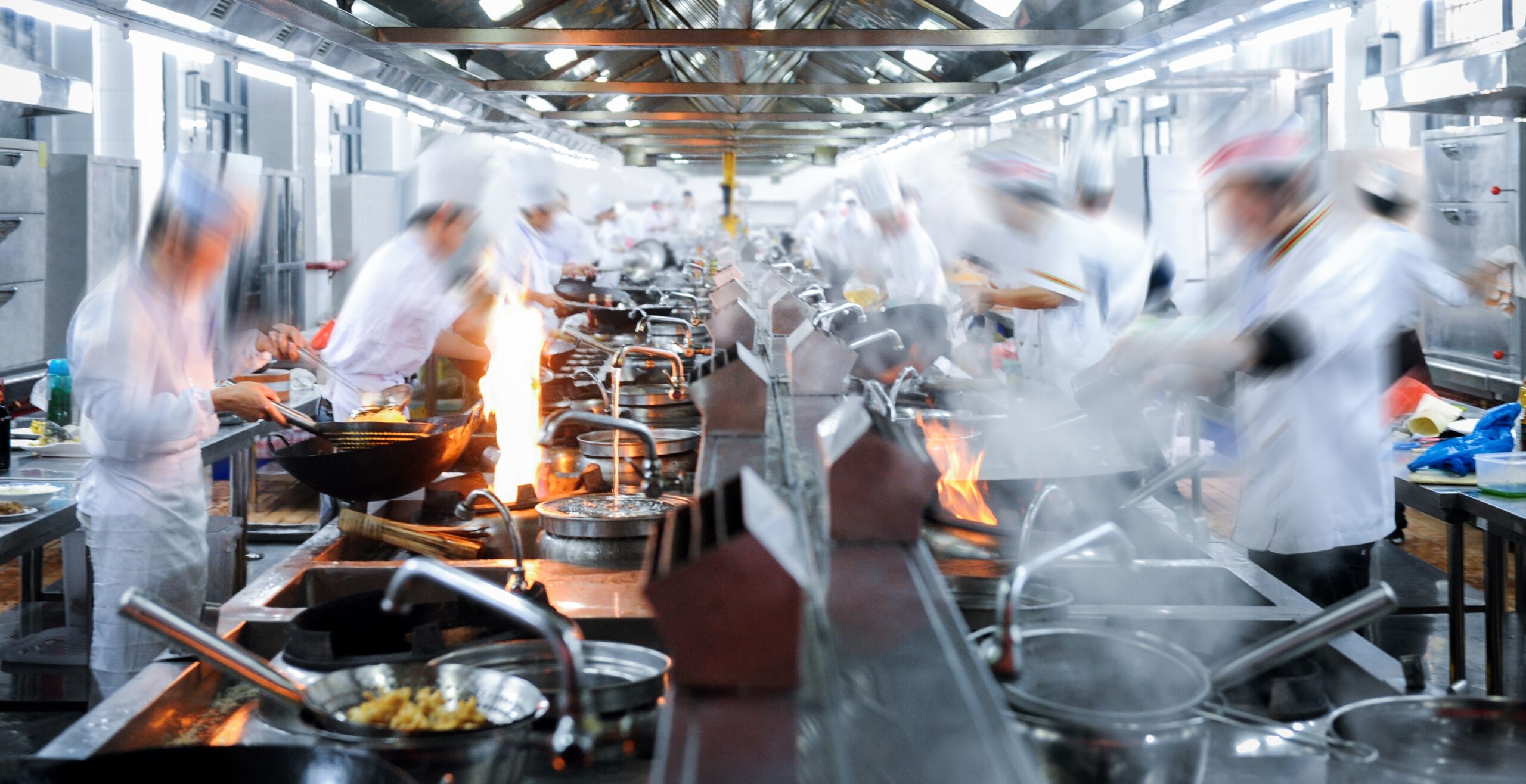


Cleanliness is a non-negotiable in commercial kitchens. Beyond appearances, consistent cleaning protects food safety, supports equipment performance, and helps kitchens meet health code requirements. A structured commercial kitchen cleaning checklist creates clear expectations for staff and ensures critical tasks are completed every day.
When cleaning routines are standardized, kitchens operate more safely and inspections become far less stressful.
The Importance of a Cleaning Checklist
A formal cleaning checklist helps kitchens move from reactive cleaning to consistent, preventive habits. Without a defined process, important tasks are often missed during busy shifts.
A checklist supports:
- Health code compliance and inspection readiness
- Safer working conditions for staff
- Better food quality and reduced contamination risk
- Longer equipment life and fewer service issues
Clear routines also reduce confusion by outlining who is responsible for each task and when it should be completed.
Daily Cleaning Tasks
Daily cleaning focuses on high-touch areas and visible surfaces that impact food safety and workflow.
Common daily tasks include:
- Sanitizing prep tables, cutting boards, and utensils
- Cleaning spills immediately to prevent slips
- Wiping down equipment controls, handles, and surfaces
- Sweeping and mopping floors
- Emptying trash and waste containers
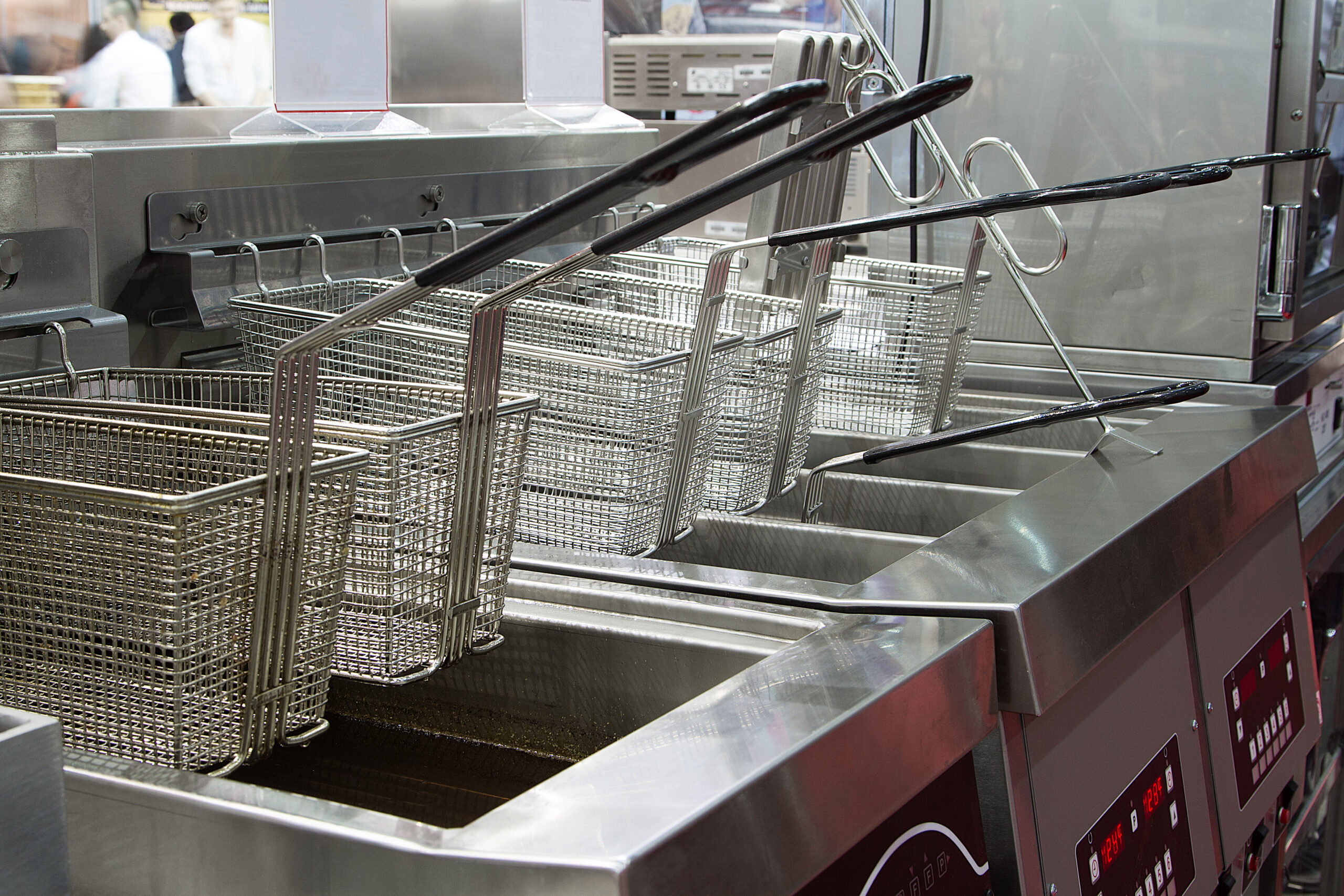
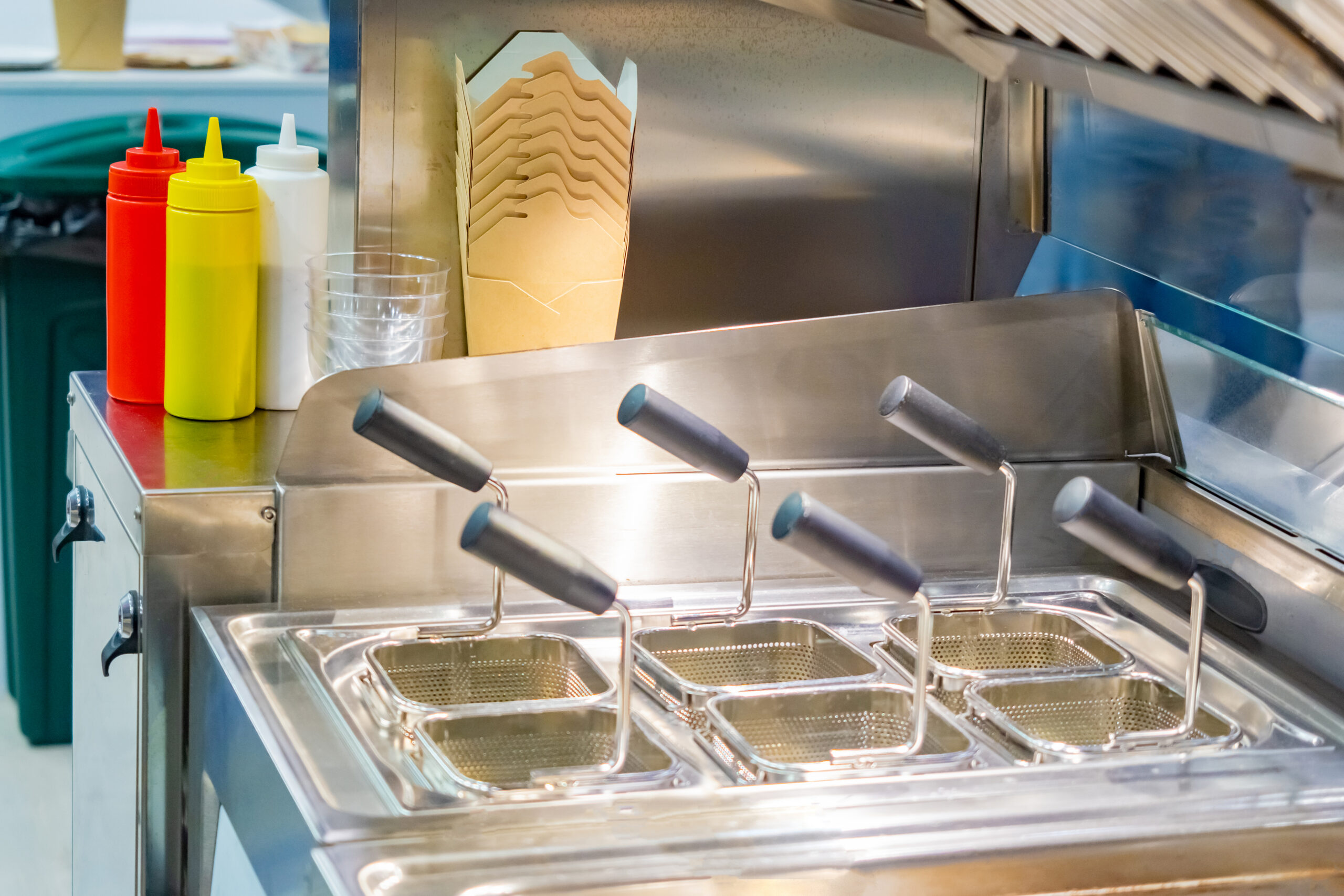
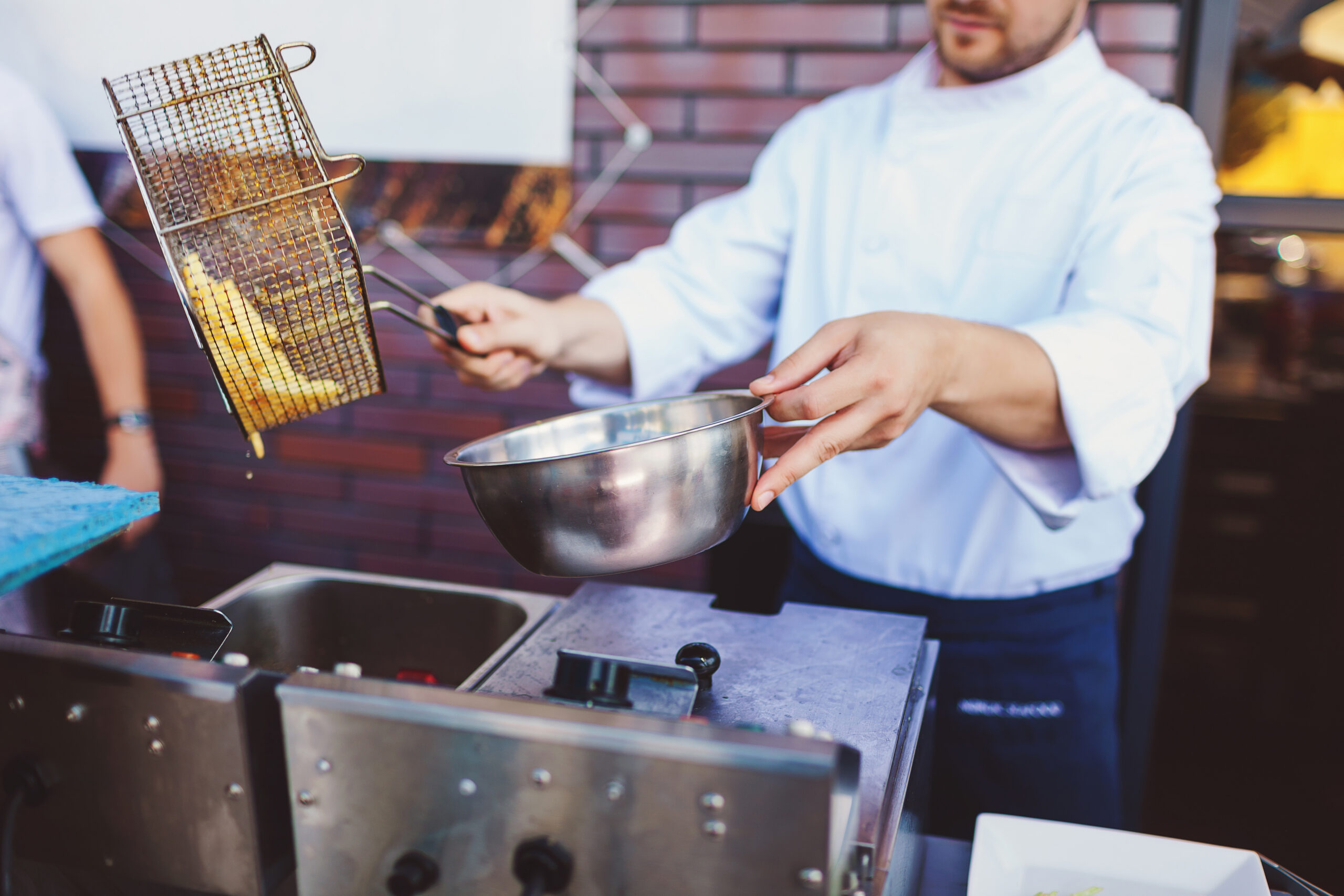
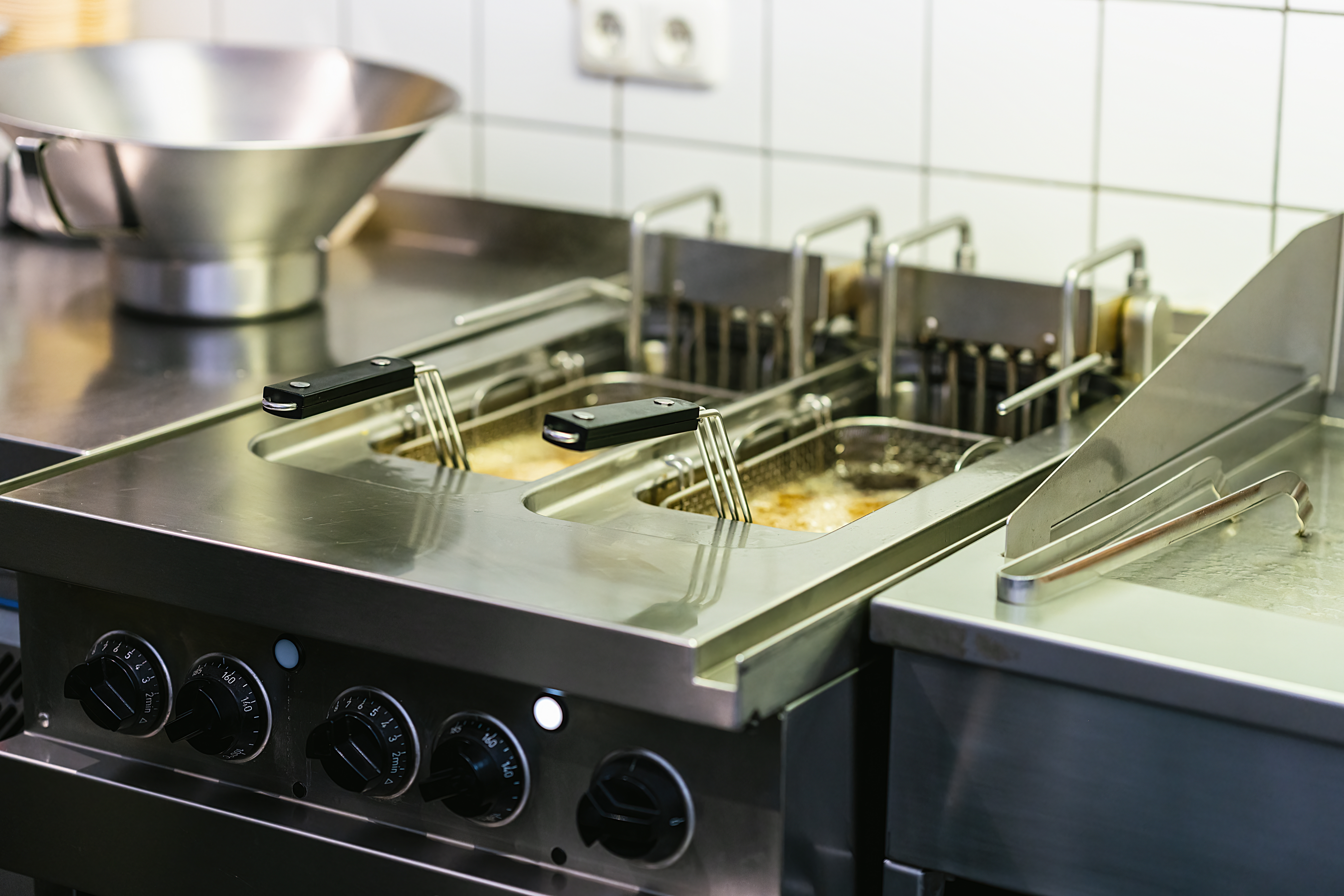
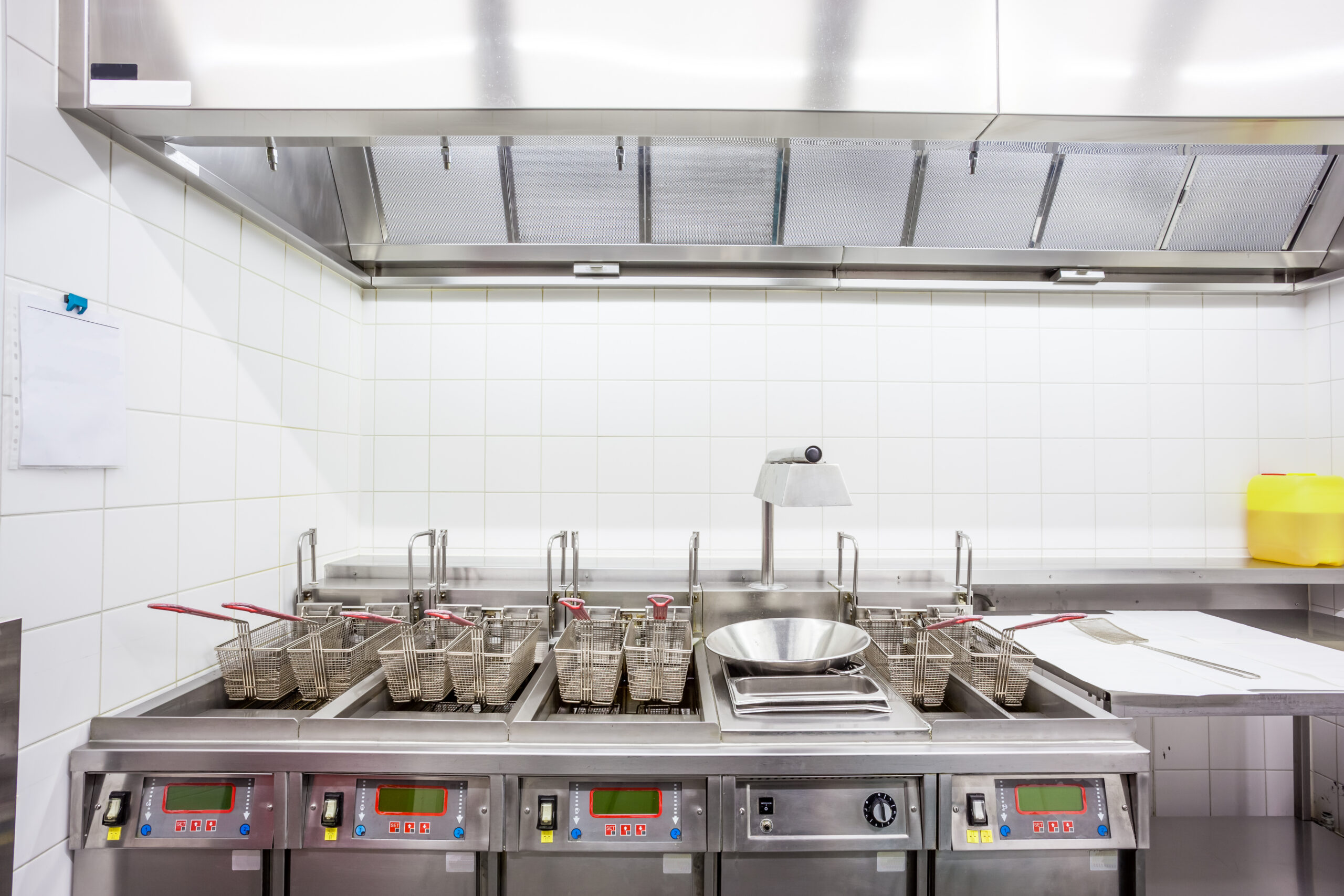
In fryer-heavy kitchens, daily attention to oil handling areas is especially important. Clean fryer stations and proper cooking oil management help reduce mess, odors, and safety risks tied to spills and splatter.
Weekly and Deep-Cleaning Responsibilities
Weekly and deep-cleaning tasks address buildup that daily routines do not fully eliminate.
Typical responsibilities include:
- Degreasing hoods, vents, and backsplash areas
- Scrubbing walk-in coolers and freezers
- Cleaning behind and underneath large appliances
- Washing walls near cook lines and fryers
- Inspecting drains and floor sinks
Managing grease and oil residue is a major part of deep cleaning. Kitchens that use structured cooking oil disposal systems often find it easier to keep these areas clean and compliant.
Cleaning Schedules by Shift or Station
Assigning cleaning duties by shift or workstation improves accountability and consistency.
Some kitchens divide responsibilities by:
- Opening, mid-shift, and closing tasks
- Prep, cook line, dish, and storage zones
- Individual stations such as grill, fryer, or salad
This approach prevents tasks from being overlooked and spreads the workload evenly across the team.
Creating a Printable Kitchen Cleaning Checklist
A cleaning checklist should be easy to reference and hard to ignore.
Effective checklists are:
- Clearly labeled by task and frequency
- Posted near workstations or time clocks
- Available in both printed and digital formats
- Simple enough to review quickly during a shift
Digital versions can be paired with reminders or logs to track completion and spot gaps over time.
Supplies Needed for Commercial Kitchen Cleaning
Having the right supplies on hand makes cleaning faster and more effective.
Common cleaning supplies include:
- Degreasers and surface sanitizers
- Sanitizer buckets and test strips
- Grill scrapers and fryer cleaning tools
- Mops, buckets, and floor cleaners
- Gloves, aprons, and protective eyewear
Reliable systems, such as scheduled cooking oil delivery, also reduce the need to store excess oil containers on-site, helping keep storage areas cleaner and more organized.
Staff Roles and Responsibilities
Maintaining a clean kitchen is a shared responsibility. Each role contributes in different ways.
- Line cooks clean and sanitize their stations throughout the shift
- Prep staff maintain clean work surfaces and storage areas
- Dish staff manage washing, sanitizing, and waste removal
- Managers verify tasks are completed and documented
Clear role definitions help ensure nothing falls through the cracks.
Training for Cleaning Protocols
Even experienced staff need training to follow cleaning procedures correctly.
Training should cover:
- Cleaning frequency and task priorities
- Proper chemical use and dilution
- Safe handling of hot equipment and oil
- Personal protective equipment requirements
Kitchens with fryers often benefit from tools like fryer filtration monitoring, which support cleaner fryer operation and reduce buildup that complicates cleaning routines.
Meeting Local Health Inspection Standards
Health inspectors look for consistency, not last-minute cleaning. A documented checklist demonstrates that cleaning is part of daily operations.
Following a structured checklist helps kitchens:
- Address common inspection violations proactively
- Maintain proper sanitation records
- Reduce the risk of fines or repeat inspections
Clean, well-organized kitchens also create a better impression during walkthroughs.
Final Thoughts on Cleaning Consistency
A commercial kitchen cleaning checklist supports food safety, efficiency, and professionalism every day. When cleaning tasks are clearly defined and consistently followed, kitchens operate more smoothly and staff can focus on service.
Cleanliness also improves when messy, high-risk tasks are simplified. Restaurant Technologies supports cleaner back-of-house environments by automating oil handling, filtration, and disposal. These systems help kitchens reduce spills, control grease, and maintain safer, more efficient operations shift after shift.