

Smart storage is critical to keeping commercial kitchens efficient, safe, and scalable. Limited space, high inventory turnover, and strict food safety requirements leave little margin for disorganization. The right storage strategies help kitchens reduce clutter, protect ingredients, and support faster service.
These commercial kitchen storage ideas focus on practical solutions that improve daily operations without adding complexity.
Challenges in Commercial Kitchen Storage
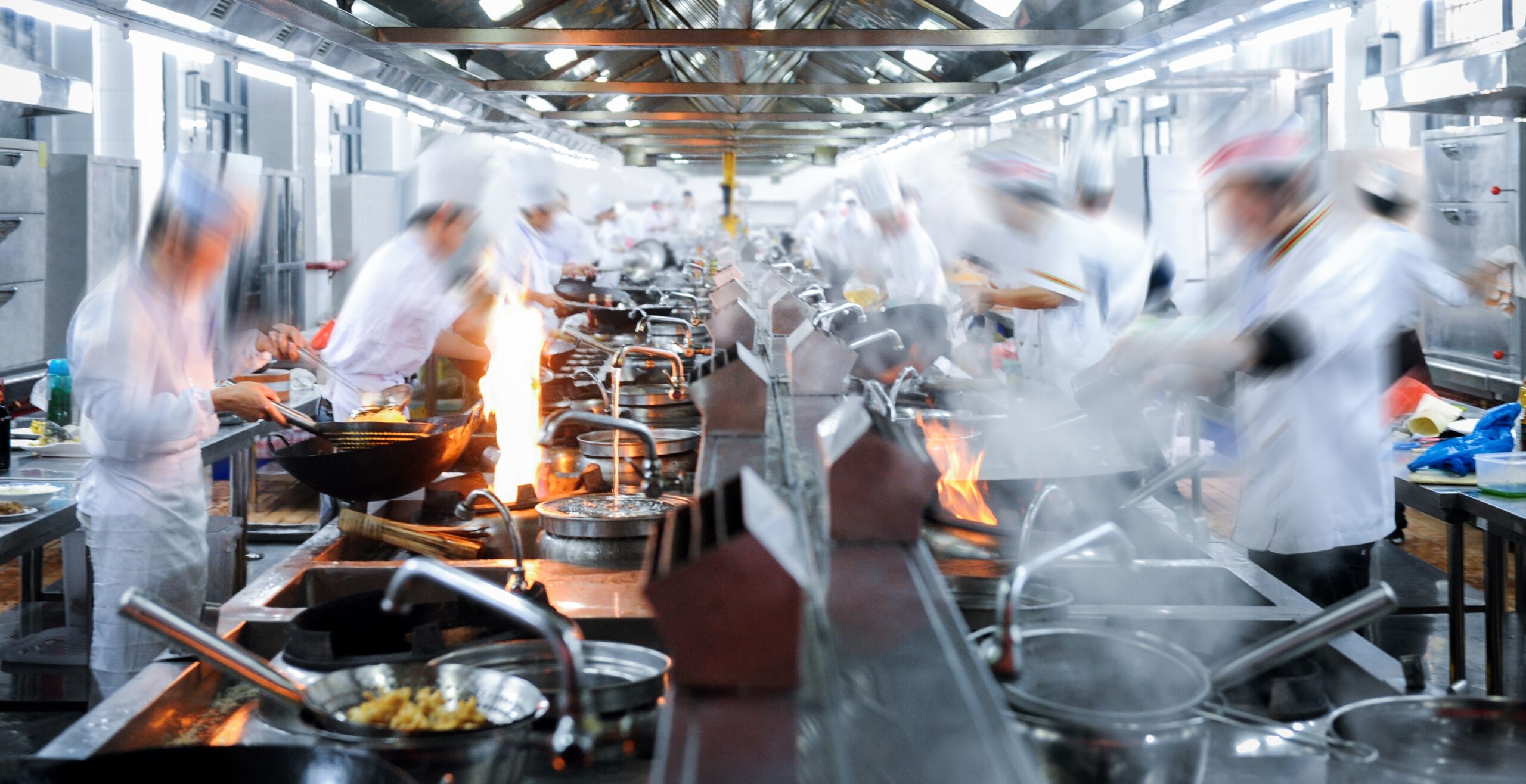
Storage is one of the most common pain points in commercial kitchens. Space is often limited, yet kitchens must store ingredients, equipment, and supplies safely and access them quickly.
Common challenges include:
- Crowded back-of-house layouts
- Overstocking due to inconsistent inventory control
- Safety risks caused by cluttered walkways
- Difficulty maintaining food safety standards
Without a clear storage strategy, these issues can slow service and increase risk.
Wall-Mounted and Overhead Storage Options
Vertical space is often underused in commercial kitchens. Wall-mounted solutions help free up floor space while keeping tools accessible.
1. Install Wall-Mounted Shelving for Frequently Used Items
Shelving above prep tables or sinks keeps utensils, containers, and small equipment within reach without crowding work surfaces.
2. Use Hooks and Racks for Tools and Smallwares
Hanging ladles, pans, and cleaning tools reduces drawer clutter and speeds up task transitions.
Undercounter and Drawer Systems
Low-profile storage keeps essential items close without disrupting workflow.
3. Add Undercounter Storage Beneath Workstations
Storing smallwares, prep tools, or cleaning supplies under counters reduces unnecessary steps during service.
4. Use Drawer Systems for Organized Access
Drawer-style storage helps staff quickly locate tools and prevents items from piling up on prep surfaces.
Dry Storage Room Setup
Dry storage areas often become cluttered if not carefully managed.
5. Organize Bulk Items With FIFO Systems
Shelving should support First In, First Out rotation to reduce spoilage and maintain food quality. Clear labels and shelf assignments make this process easier.
Cold and Freezer Storage Tips
Refrigeration and freezer storage require both organization and temperature control.
6. Assign Shelves by Ingredient Type
Separating proteins, produce, and prepared foods supports food safety and speeds up prep.
7. Maximize Shelf Space Without Blocking Airflow
Proper spacing improves temperature consistency and reduces strain on refrigeration equipment.
Mobile and Modular Storage Units
Flexible storage adapts to changing menus and service demands.
8. Use Rolling Carts and Modular Racks
Mobile units support prep, catering, or peak periods and can be repositioned as needed without permanent layout changes.
Labeling and Inventory Tracking
Visibility is key to effective storage management.
9. Label Containers and Track Inventory Consistently
Clear labels and digital tracking tools help kitchens control stock levels and avoid overordering. Kitchens that rely on predictable cooking oil delivery also reduce the need to store excess containers, freeing up valuable storage space.
Food Safety and Compliance in Storage
Proper storage protects both food quality and staff safety.
10. Store Items to Prevent Contamination and Clutter
Keeping food off the floor, separating chemicals from ingredients, and maintaining clear walkways helps kitchens meet health code requirements. Organized storage also reduces spills and improves safety around high-risk areas. Structured cooking oil disposal further supports safer storage by eliminating open containers and messy handling.
Maintenance and Cleaning of Storage Areas
Storage areas require regular upkeep to remain effective.
Shelves and racks should be cleaned routinely, expired items removed, and inventory rotated. Scheduled checks help prevent spoilage and keep storage systems functioning as intended.
Final Thoughts on Smart Storage Solutions
Smart storage is not just about saving space. It supports safety, speed, and long-term scalability in commercial kitchens. With clear organization, durable materials, and consistent routines, kitchens can operate more efficiently and with fewer disruptions.
Storage strategies work best when paired with systems that reduce clutter and manual handling. Restaurant Technologies supports cleaner, more organized kitchens through automated oil delivery, filtration, and disposal. By removing bulky containers and simplifying oil handling, these systems help kitchens reclaim space and maintain a safer, more efficient back-of-house environment.