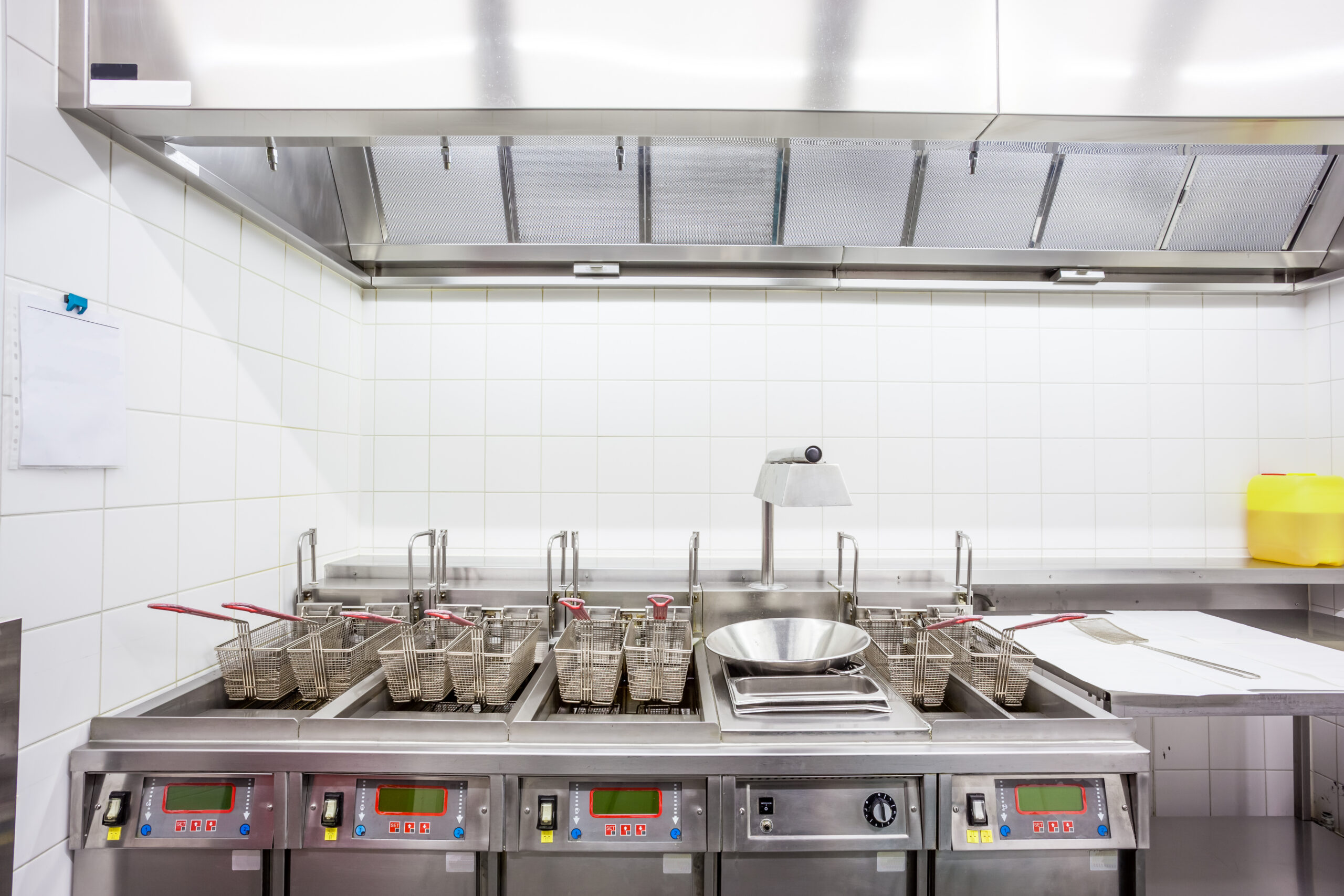


Understanding how much cooking oil your commercial deep fryer holds is essential for safe operations, consistent food quality, and equipment longevity. Every fryer has specific capacity requirements measured in pounds, and maintaining the correct cooking oil level protects your staff from dangerous spills while ensuring your fried foods cook evenly during every service period.
This guide explains how to determine your fryer’s cooking oil capacity, maintain proper levels throughout service, and avoid the costly risks of overfilling or underfilling. You’ll learn how different fryer types affect cooking oil requirements, how food volume impacts displacement, and how Automated Cooking Oil Management eliminates the guesswork entirely.
Why Proper Cooking Oil Capacity Matters in Fryers
Commercial fryers need the right amount of cooking oil to work safely and cook food properly. Cooking oil capacity is the specific amount of cooking oil your fryer is designed to hold, measured in pounds. When you use the correct cooking oil level, your food cooks evenly and your kitchen stays safe. Beyond safety, proper cooking oil capacity directly affects your kitchen’s efficiency and food quality.
Food needs to be fully covered by cooking oil to fry correctly and develop the right texture, while the right amount also helps your fryer maintain steady heat, preventing greasy or undercooked results.
Understanding Commercial Deep Fryer Cooking Oil Capacity
So, how much oil does a commercial deep fryer use?
A commercial deep fryer’s cooking oil capacity tells you exactly how much cooking oil the unit can hold. This number, always listed in pounds, determines how much food you can produce and how your fryer performs during busy service periods. A fryer that holds more cooking oil can typically handle larger batches and recover temperature faster after adding cold food.
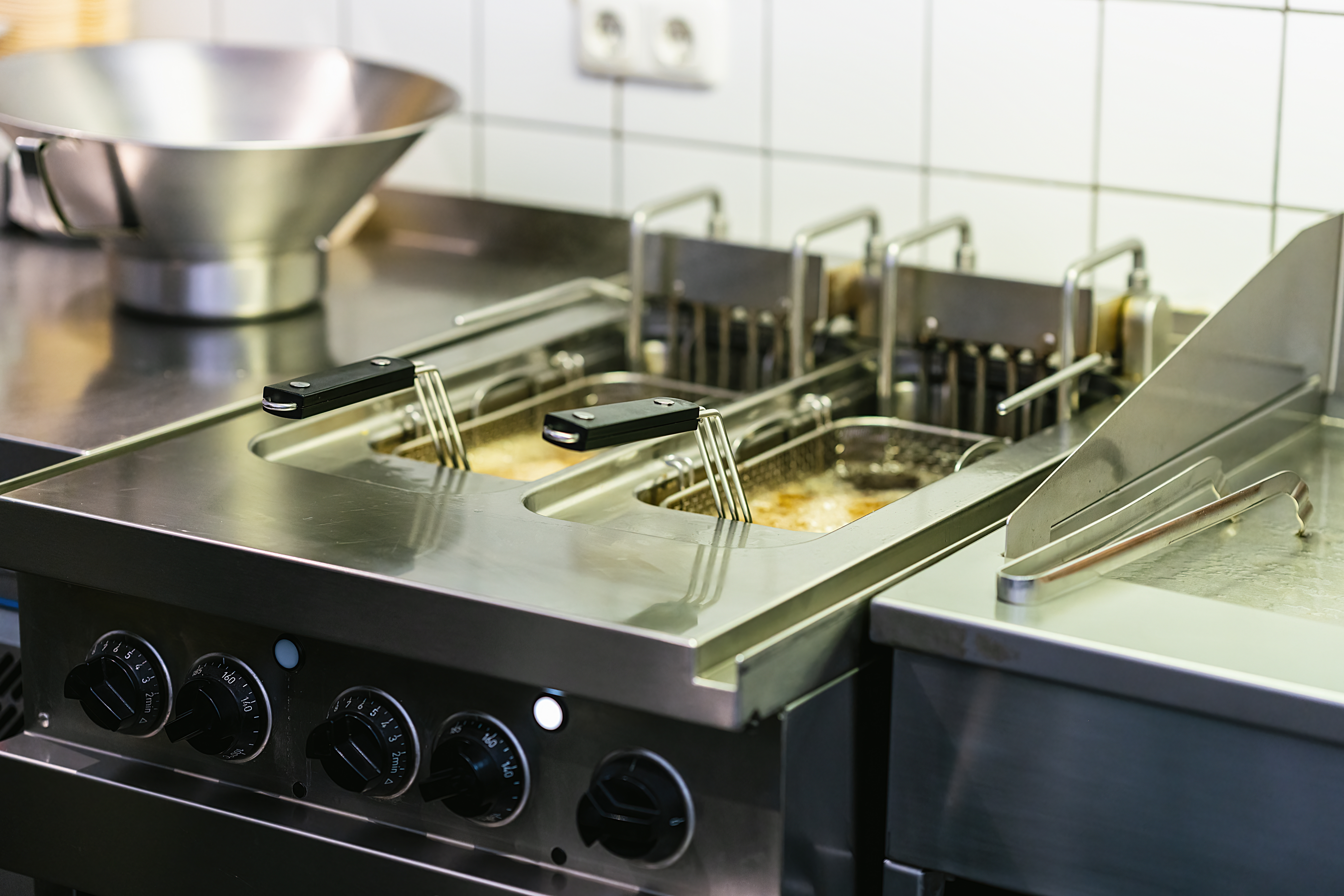
Different types of fryers serve different kitchen needs based on your operation’s volume and space requirements:
- Countertop fryers: Hold between 15-30 pounds of cooking oil and work well for cafes or small operations, with 30-pound open fryers being particularly popular in QSR locations where speed is critical
- Standard floor fryers: Typically hold 35-50 pounds and handle most restaurant needs
- High-volume floor fryers: Can hold 70-100+ pounds for busy kitchens that fry large amounts of food
How to Determine the Right Amount of Cooking Oil for Your Fryer
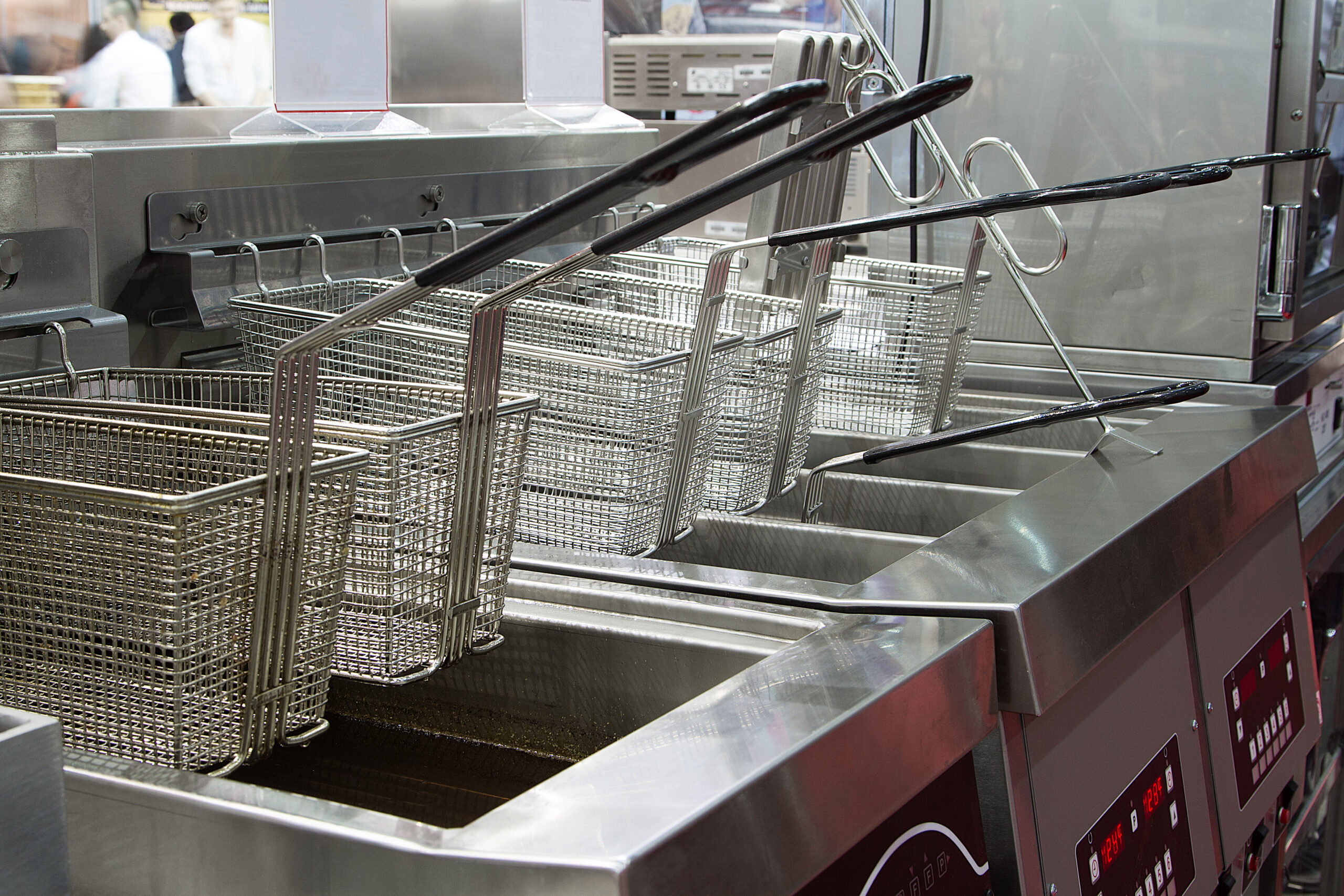
Finding the correct cooking oil level for your commercial fryer is straightforward when you know where to look. Every fryer has minimum and maximum fill lines marked inside the fry pot that show you exactly where your cooking oil level should sit when the cooking oil is cool.
Always fill your fryer to the maximum line when starting your shift to ensure you have enough cooking oil to handle displacement when you lower a full frying basket into the hot cooking oil. Never let the cooking oil drop below the minimum line, as this can damage your equipment and create safety hazards that put your staff at risk.
If you can’t see the fill lines clearly due to wear or poor lighting, check your fryer’s manual for the exact cooking oil capacity specifications.
Risks of Using Too Much Cooking Oil
Overfilling your fryer creates immediate safety risks that can shut down your kitchen operations. When cooking oil levels are too high, adding food causes dangerous overflow that leads to slips, burns, and potential fires.
The biggest danger occurs when you lower a basket of frozen or breaded food into overfilled oil. The displacement causes hot cooking oil to spill over the sides, creating a slip hazard on your kitchen floor while potentially igniting if the overflowing cooking oil contacts your fryer’s flame or heating elements. With 33,300 cooking fires occurring annually in nonresidential buildings, proper cooking oil level management is essential for preventing dangerous incidents.
Excess cooking oil also wastes money and makes your fryer harder to clean, forcing you to spend more on cooking oil while dealing with messy cleanup that slows down your kitchen operations.
Risks of Using Too Little Cooking Oil
Using too little cooking oil in your commercial fryer damages both your food quality and your equipment. When cooking oil levels drop below the minimum line, serious problems start immediately that affect your entire operation.
Food won’t cook properly when there isn’t enough cooking oil to cover it completely, resulting in uneven results with some parts overcooked and others undercooked. The small amount of cooking oil also breaks down much faster because it’s working harder to maintain temperature under stress. The most expensive risk is equipment damage, as low cooking oil levels expose heating elements to air, causing them to overheat and potentially burn out completely.
If spilled or overflowing oil hardens around the vat, operators may also need to review proper procedures for how to clean a commercial deep fryer. Excessive buildup makes routine maintenance more difficult and increases long-term safety risks.
How Food Volume Impacts Cooking Oil Requirements
The amount of food you put in your frying basket directly affects your cooking oil level through displacement. When you lower a full basket into hot cooking oil, the food pushes the cooking oil level higher, which is why fryer manufacturers include maximum fill lines that account for this rise.
- Frozen foods: Create more displacement and can cause oil to bubble up dramatically
- Breaded items: Take up more space and displace more cooking oil than plain foods
- Large batches: Push cooking oil levels higher than small portions
Always consider what you’re frying when checking your starting cooking oil level, as heavy breading or large frozen items need more room for safe displacement. The USDA specifically warns not to overcrowd the frying basket, which can cause undercooking, uneven cooking, and overflowing of the cooking oil.
Proper food loading begins with keeping your equipment clean, including knowing how to clean deep fryer basket components so residue and debris don’t interfere with oil levels or contribute to unnecessary bubbling during displacement.
Best Practices for Maintaining the Correct Cooking Oil Level
Maintaining the optimal level of cooking oil throughout your shift requires regular attention and simple maintenance steps. Cooking oil is naturally absorbed by food and lost through normal cooking. Research shows that its major and minor components degrade through various reactions, primarily thermoxidation, polymerization, and hydrolysis. So, you need to monitor and adjust levels regularly to maintain consistent performance.
Proper temperature control, whether you use a gas fryer or an electric fryer, also affects how quickly fryer oil breaks down and how often you need to replace oil to maintain food quality.
- Check levels between rushes: Monitor your oil level during slower periods and add fresh fryer oil as needed to maintain the oil level within the recommended range. This prevents equipment strain and ensures you always have enough cooking oil to safely heat oil back to proper frying temperature.
- Filter regularly: Use a cooking oil filter to remove particles and check levels during the process to extend overall oil life. Consistent filtration prevents buildup that accelerates breakdown, helping you manage used oil more efficiently throughout service.
- Skim debris: Remove floating food particles throughout service to keep cooking oil clean and working properly. This simple habit prevents burnt flavors and reduces the stress placed on your oil during repeated heat cycles.
- Monitor temperature settings: Verify that your fryer’s thermostat is accurate, since overheating breaks down cooking oil faster and alters oil life significantly. Regularly confirming proper temperature control ensures your fryer can safely heat oil without causing premature degradation.
- Avoid overloading baskets: Adding too much food at once raises the amount of oil displacement and creates sudden temperature drops that strain your fryer. Overloading can also cause hot oil overflow, especially during deep frying with breaded or frozen items.
Regular maintenance keeps your cooking oil performing well and helps you spot level issues before they become costly problems. Consistently managing used oil, monitoring temperature, and maintaining the correct amount of oil all support safer operations, extended equipment life, and better frying results.
Maintaining proper oil levels also helps operators better understand how often to change oil in commercial deep fryer equipment, since clean, well-managed fryer oil lasts longer and performs more consistently during peak service periods.

How RTI Helps Maintain Safe Cooking Oil Capacity Automatically
Manual cooking oil handling creates unnecessary risks and inefficiencies in busy commercial kitchens. Lifting heavy JIBs, measuring cooking oil, and topping off fryers takes valuable time while putting your staff at risk for burns and spills that can shut down operations.
With over 25 years of expertise, Restaurant Technologies provides a solution that automates the entire process for more than 45,000 commercial kitchens, eliminating these challenges completely through our closed-loop system.
Ensure Safe, Consistent Frying With Proper Cooking Oil Levels
So, how much oil in a commercial deep fryer is possible and why is it important?
Maintaining the correct amount of cooking oil in your commercial deep fryer protects your staff, improves your food quality, and keeps your equipment running properly. Understanding your fryer’s capacity and following proper filling procedures prevents costly accidents while ensuring consistent results that keep customers satisfied.
Automating this process with Restaurant Technologies removes the risks and labor of manual oil handling entirely, as our systems maintain perfect cooking oil levels, manage filtration, and provide safe used cooking oil disposal that is then converted into biofuel. This lets your team focus on creating great food for your customers instead of wrestling with dangerous, tedious cooking oil tasks.