
Knowing how often to change cooking oil in a commercial deep fryer protects food quality and controls costs in high-volume kitchens. The answer depends on usage volume, food type, temperature control, and how well you maintain oil quality between changes.
This guide explains the key factors that determine oil change frequency, the warning signs that indicate immediate replacement, and how filtration and automation simplify the entire process. You’ll learn how to balance operational efficiency with consistent food quality while reducing safety risks and labor strain associated with manual oil handling.
1. How Often Should You Change Commercial Deep Fryer Oil?
Commercial cooking oil typically needs to be changed every one to two days in a busy restaurant. However, this timeline varies based on your kitchen’s specific operations and how well oil quality is maintained throughout each service period.
Oil change frequency is influenced by several operational factors that directly affect cooking oil degradation and food taste. Understanding these drivers is essential for maintaining quality while avoiding unnecessary oil waste.
The amount of oil your fryer holds also plays a role. Knowing how much oil a commercial deep fryer requires for your specific model helps maintain consistent heat recovery, prevent overheating, and extend overall oil life.
2. What Factors Influence How Often to Change Cooking Oil?
Your oil change schedule depends on how your fryer is used and what foods are cooked in it. Exposure to air, high temperatures, extended frying times, and frequent reuse all accelerate chemical reactions that break down cooking oil.
Several key factors determine how quickly cooking oil degrades:
- Frying Volume: High-volume kitchens running fryers continuously require more frequent oil changes than low-volume operations.
- Food Type: Breaded foods like fried chicken shed particles that break down oil faster than items such as french fries.
- Temperature Control: Consistently overheating fryers accelerates oil degradation.
- Cooking Oil Filtration: Regular filtering removes food particles that cause oil to break down prematurely.
The type of cooking oil you use also affects longevity. Some oils withstand high heat better than others, directly influencing replacement frequency.
Equipment cleanliness is equally important. Learning how to clean a commercial deep fryer properly prevents carbon buildup and debris that accelerate oil breakdown.
3. What Are the Signs That You Need to Change the Cooking Oil?
Your senses provide the clearest signals that cooking oil needs replacing. Recognizing these warning signs early prevents poor food quality and protects your kitchen’s standards.
- Dark Color: Fresh oil is light golden, while degraded oil turns brown or black.
- Unpleasant Odor: Rancid or burnt smells indicate oil will transfer off-flavors to food.
- Smoking: Oil that smokes at normal cooking temperatures has lost its smoke point.
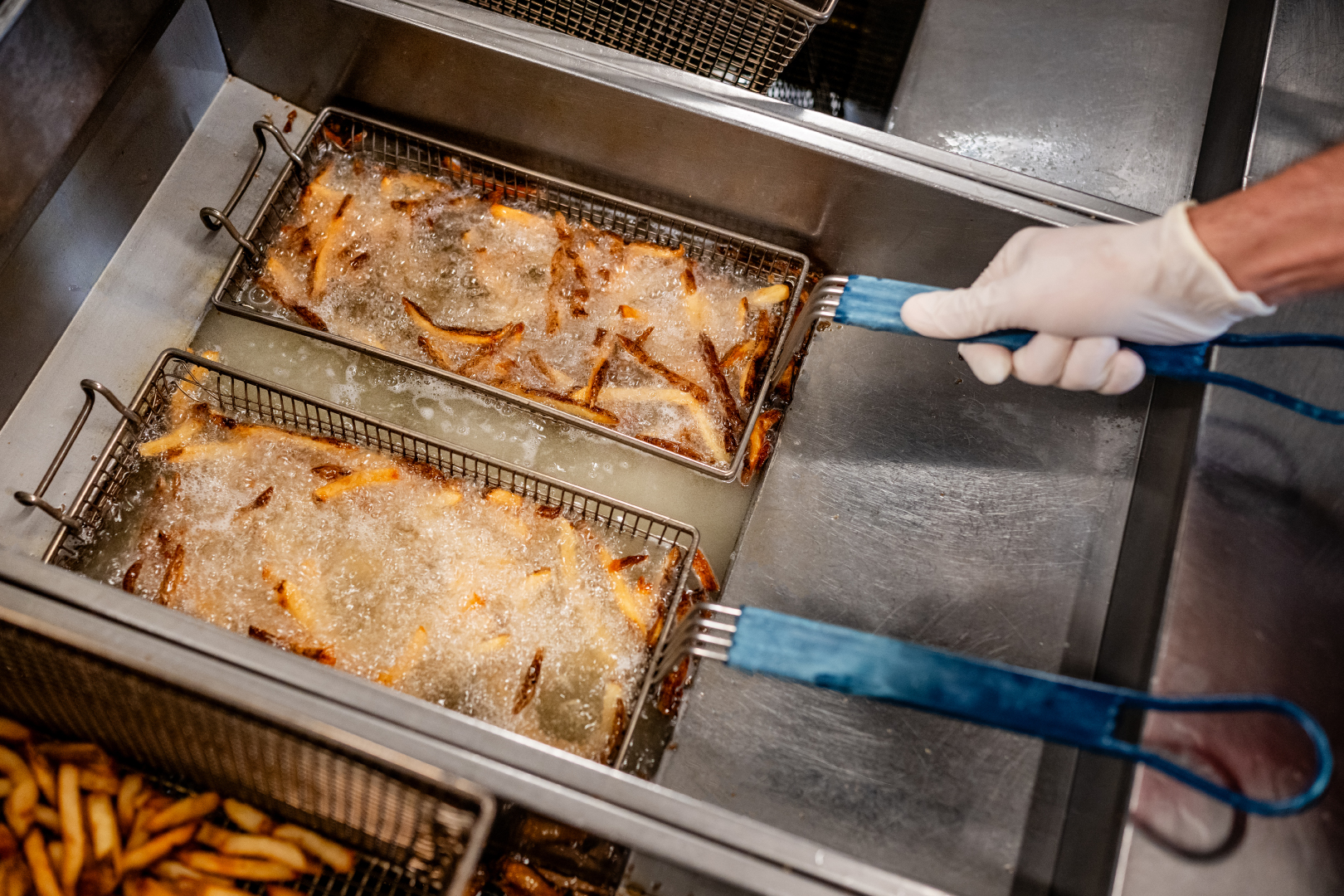
- Excessive Foaming: Bubbling on the surface indicates chemical instability.
Research confirms that as polar compound concentrations increase, oil becomes more viscous, prone to foaming, darker in color, and produces undesirable odors.
Beyond visual signs, food that absorbs excess grease or develops a bitter taste almost always points to degraded cooking oil.
4. How Does Filtration Extend the Life of Your Cooking Oil?
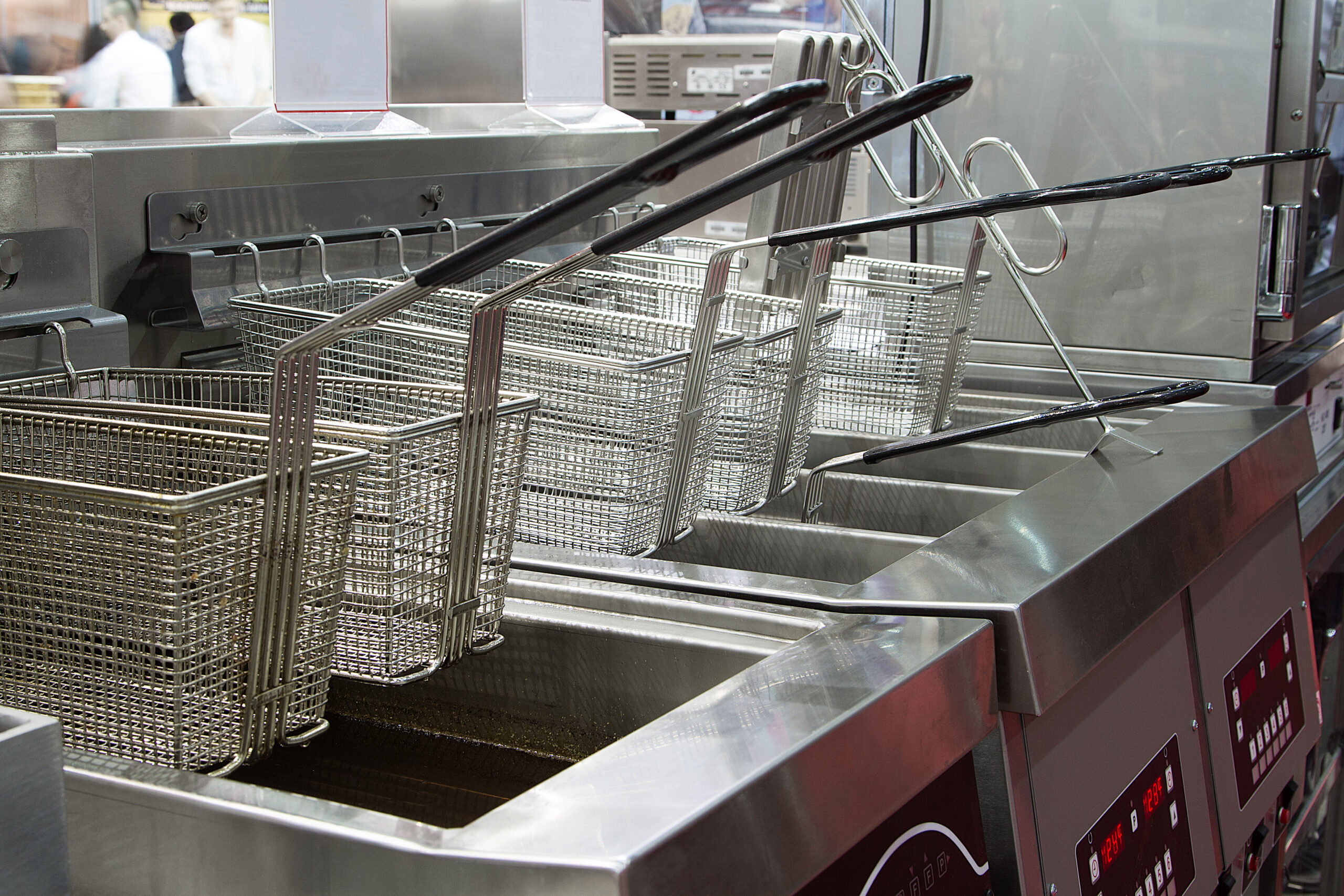
Cooking oil filtration removes food particles and debris that accelerate oil breakdown. Filtration systems circulate oil through specialized filters that capture contaminants before they damage the oil’s chemical structure.
Studies show that degradation byproducts such as triacylglycerol dimers, polymers, and polar compounds significantly impact oil performance. Effective filtration removes these compounds, preserving oil quality longer.
Regular filtration extends oil life, reduces complete oil changes, and lowers operational costs. A reliable cooking oil filter system ensures this task happens consistently without relying on manual guesswork.
Routine equipment care further protects oil quality. Knowing how to clean deep fryer basket components thoroughly keeps excess crumbs and residue out of the oil, extending its usable life.
5. How Does an Automated System Simplify Oil Changes?
Manual cooking oil handling involves dangerous tasks such as lifting heavy containers and draining hot oil. Splashes, spills, and overflows can cause severe burns and injuries.
Automated Cooking Oil Management eliminates these hazards by adding fresh oil and removing used oil with the push of a button. This closed-loop system ensures staff never handle hot oil or transport waste to outdoor rendering tanks.
Automation transforms one of the most hazardous kitchen jobs into a safe, efficient process that takes seconds instead of minutes.
6. How Do You Dispose of Used Cooking Oil Safely?
Proper used oil disposal protects plumbing systems and ensures compliance with environmental regulations. Never pour fats, oils, or grease down drains, where they can solidify and cause costly blockages.
Traditional outdoor rendering tanks create ongoing safety risks, including spills and burn hazards. Automated used cooking oil disposal provides the safest alternative.
This enclosed system pumps used oil directly from the fryer to a secure storage tank, ready for pickup and recycling into biofuel. It eliminates spills, burns, and mess while creating a cleaner, safer kitchen environment.
Conclusion
Still wondering how often to change oil in a commercial deep fryer? The answer lies in balancing food quality, efficiency, and safety. While manual oil handling introduces daily risks and inefficiencies, automation provides a smarter solution.
As the leading provider of automated cooking oil management for more than 25 years, Restaurant Technologies serves over 45,000 commercial kitchens nationwide. Automation ensures consistent oil quality, improves safety, and frees your team from hazardous manual tasks.