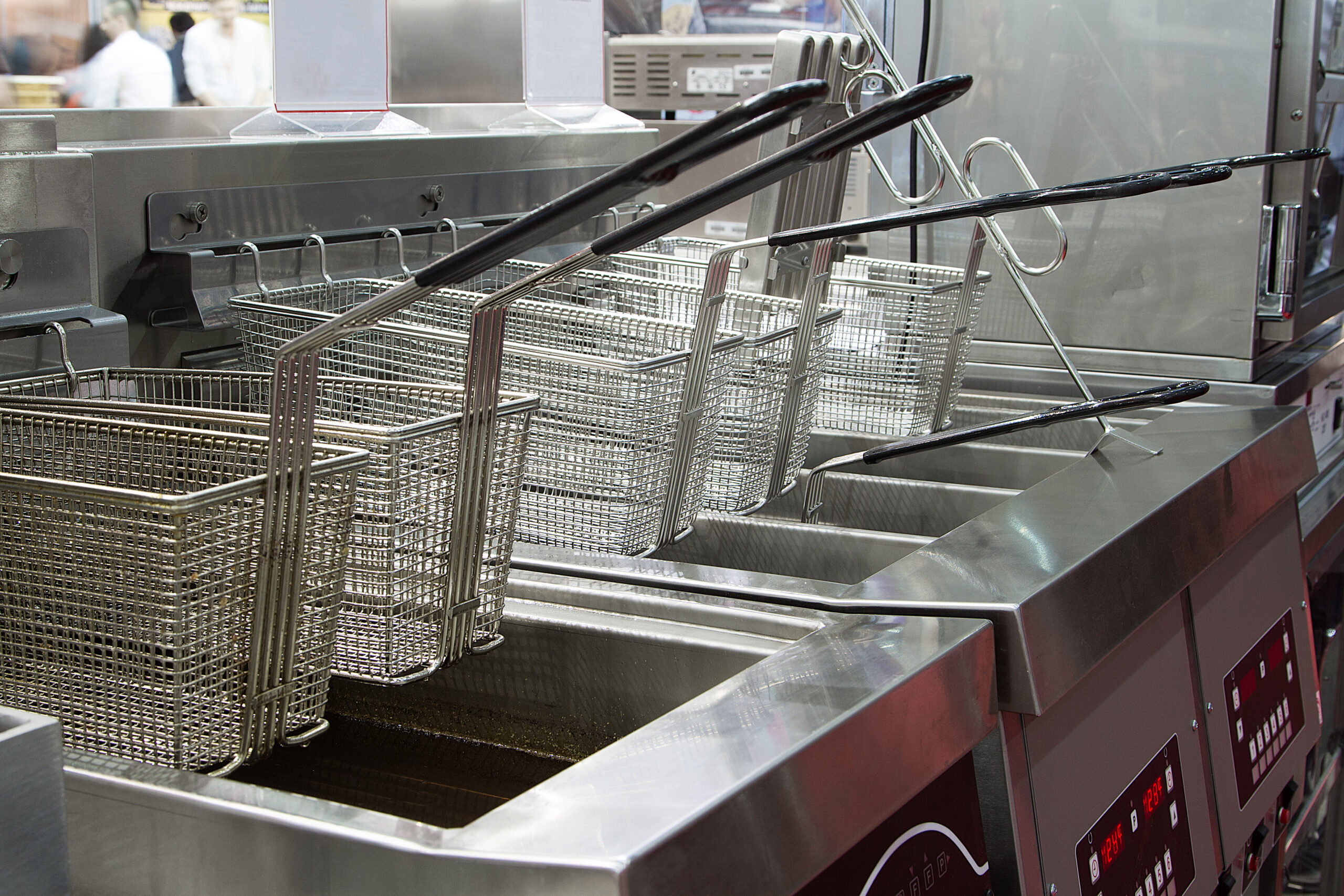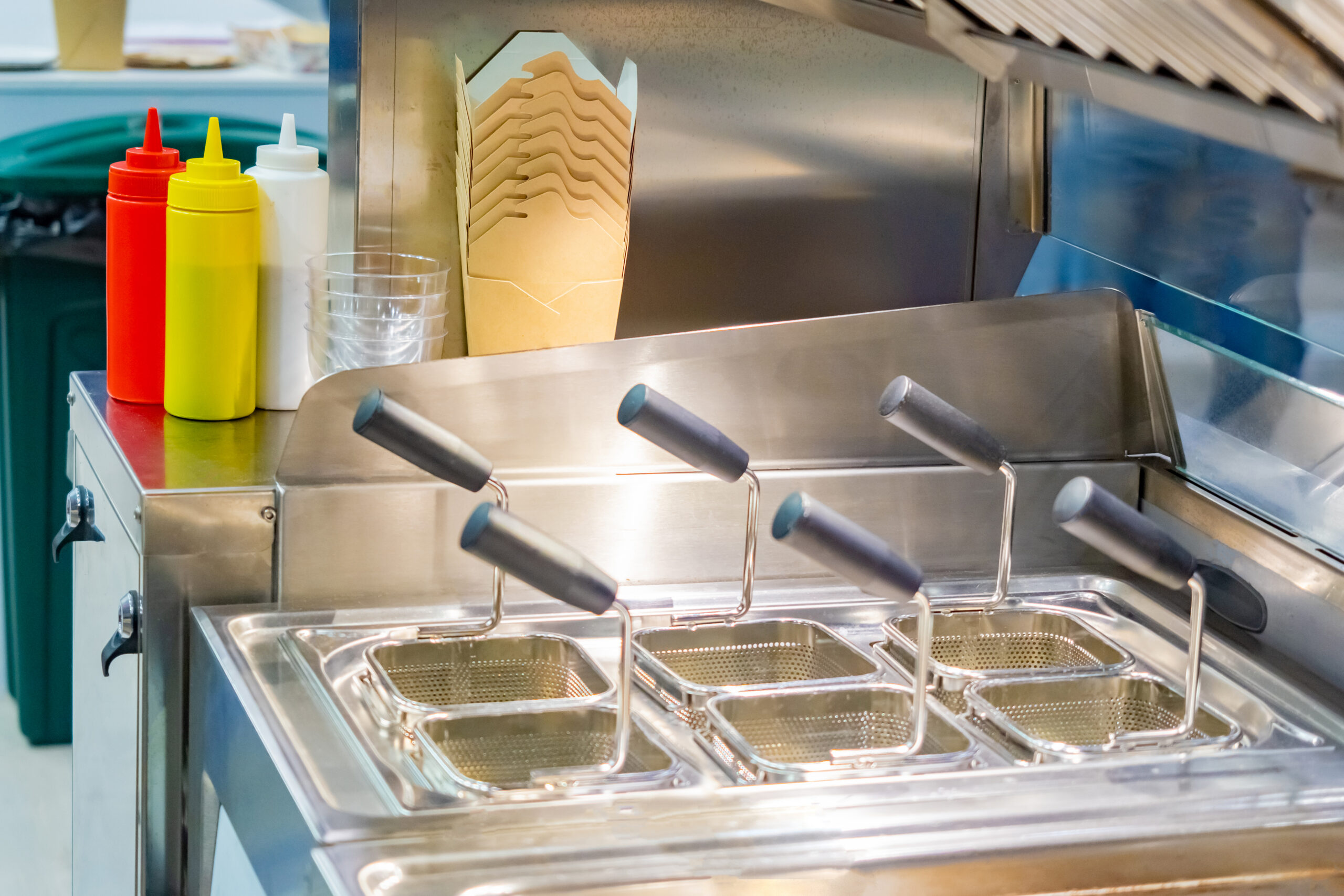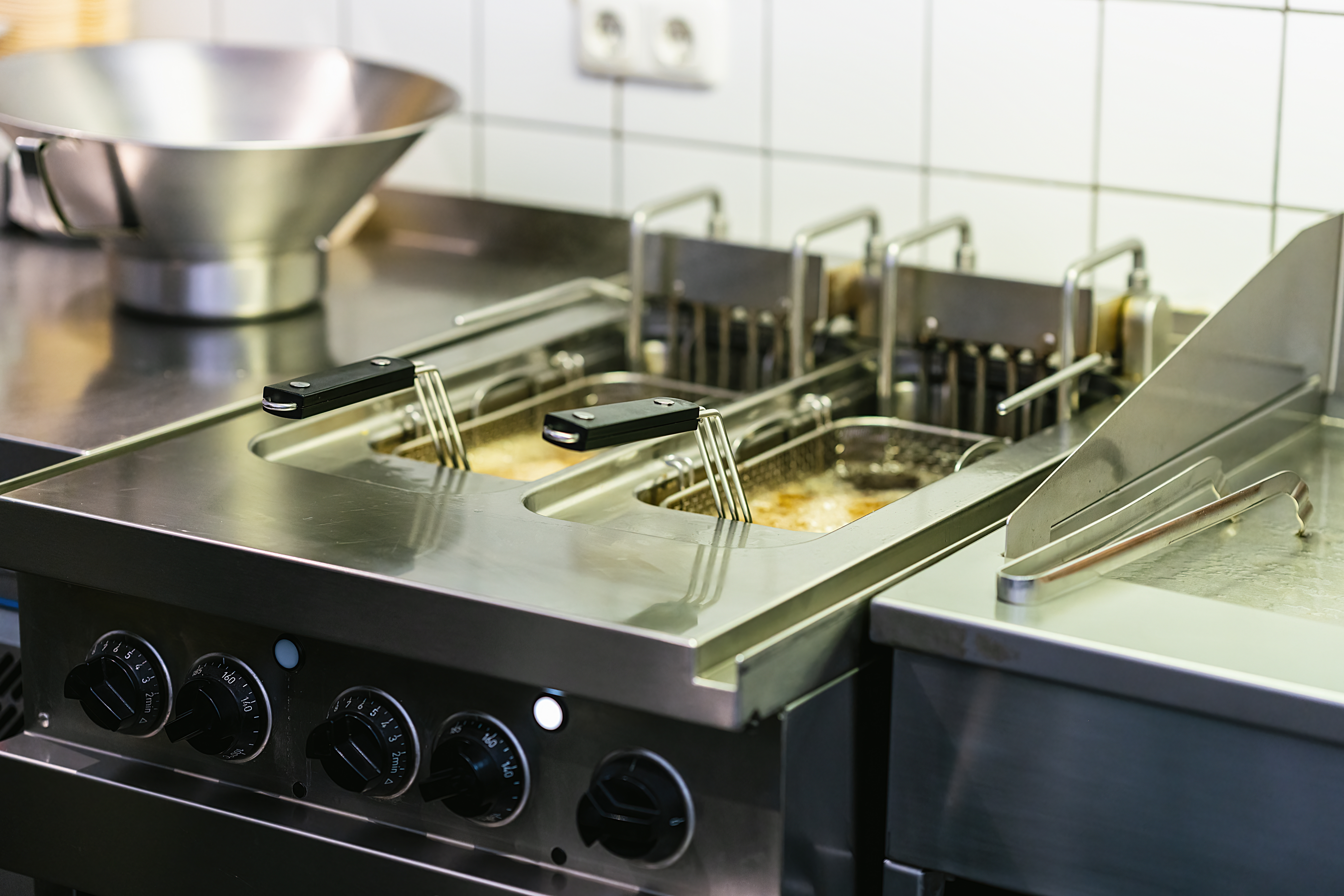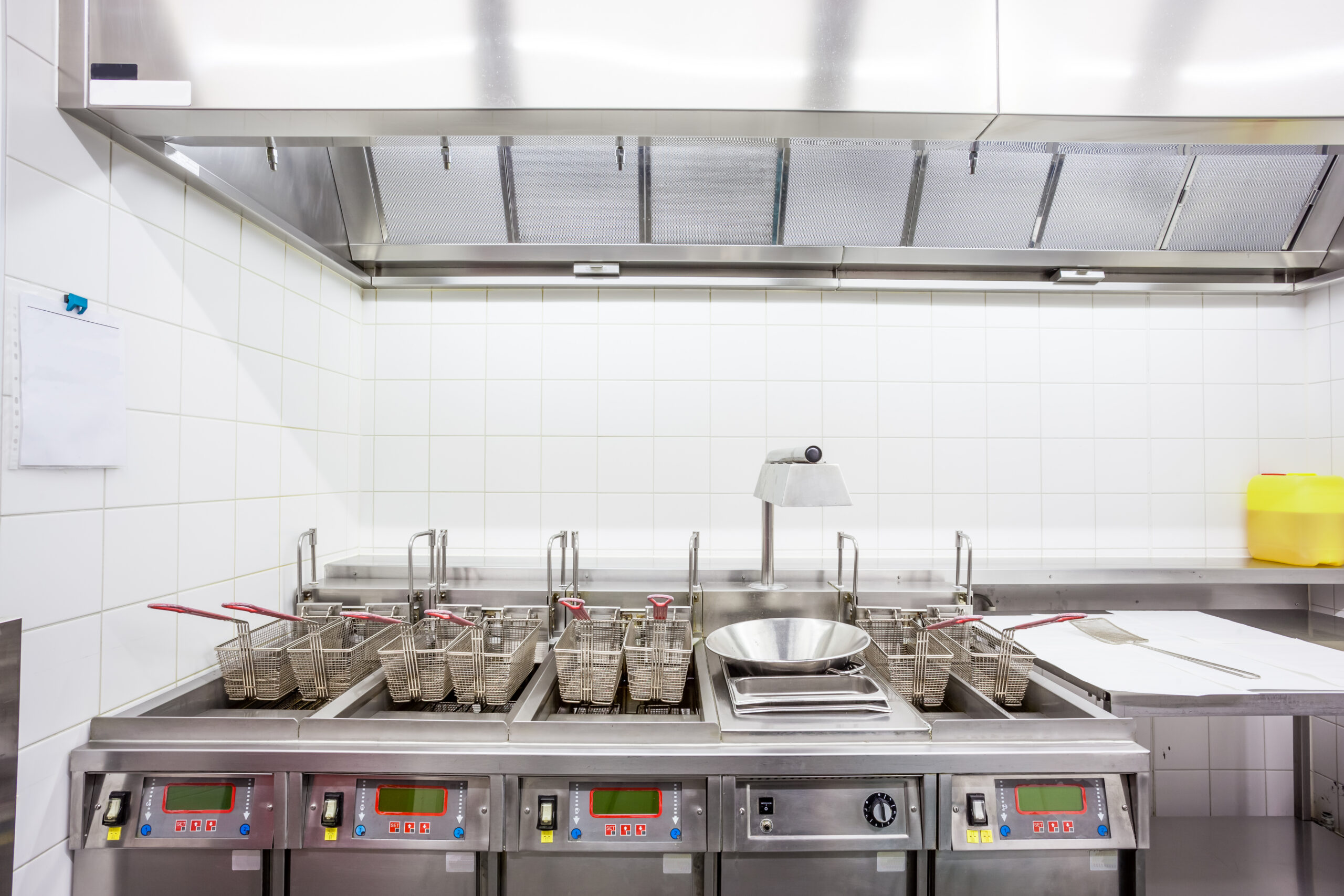

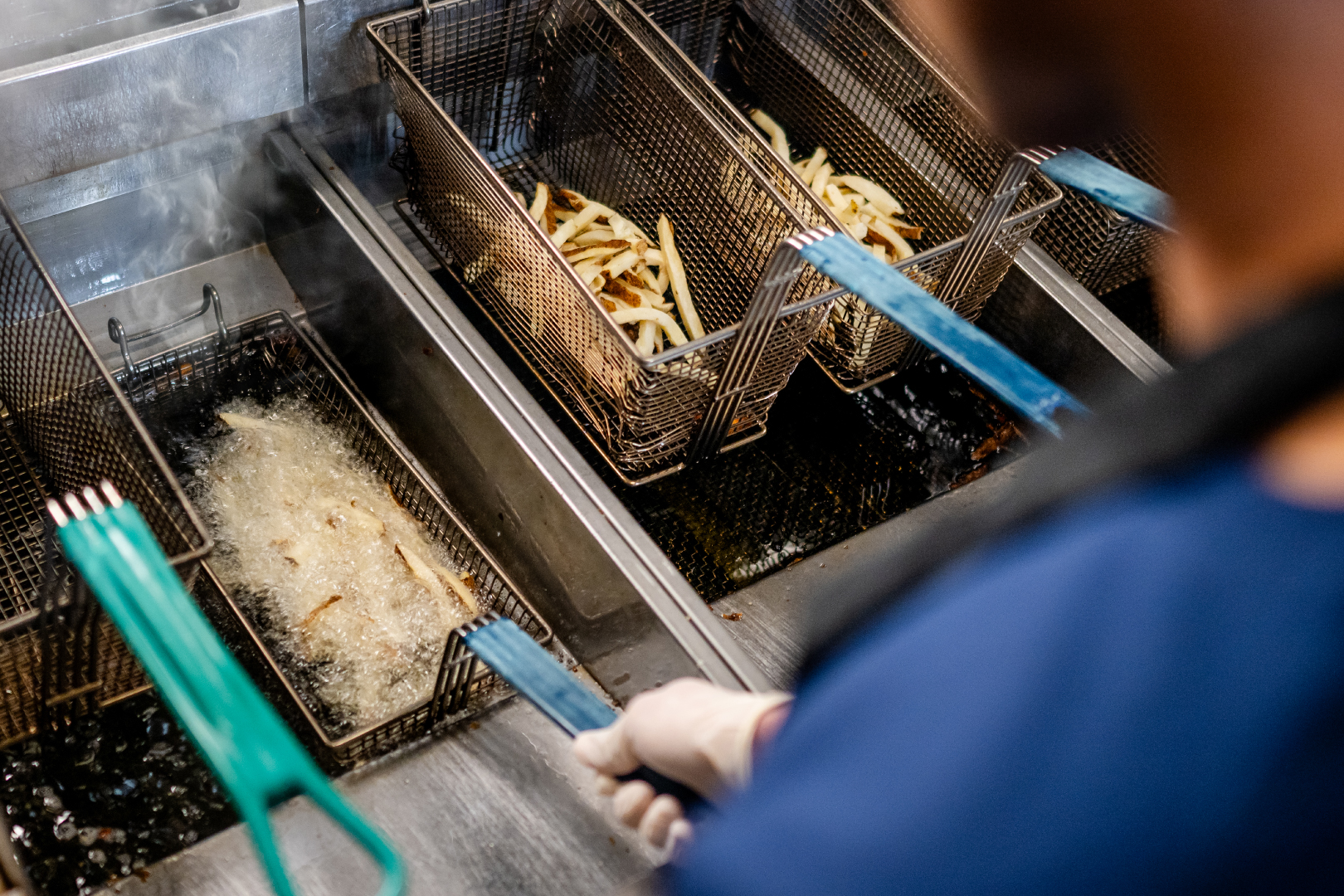
Dirty fryer baskets compromise food quality, accelerate oil breakdown, and create safety hazards in commercial kitchens. With 33,300 cooking fires occurring annually in nonresidential buildings, proper equipment maintenance becomes critical for kitchen safety. Learning how to clean a deep fryer basket properly protects your operation from burnt flavors, excessive smoke, and premature equipment failure.
This guide covers everything from recognizing when baskets need attention to executing thorough cleaning techniques that extend equipment life and maintain consistent frying results. You’ll learn the step-by-step process, essential tools and solutions, common mistakes to avoid, and maintenance practices that keep your fryer baskets performing at their best.
Why Cleaning a Deep Fryer Basket Matters
Cleaning a deep fryer basket is the process of removing grease, food particles, and carbon buildup from the wire mesh and frame. This essential maintenance task directly impacts your fried foods’ taste, cooking consistency, and oil longevity. Like all commercial kitchen equipment, fryer baskets require proper maintenance to function safely and efficiently.
When baskets remain dirty, accumulated residue transfers burnt flavors and debris into fresh cooking oil. As this contamination breaks off during frying, it causes the cooking oil to darken and smoke at lower temperatures, forcing more frequent oil replacement and driving up operational costs.
Moreover, dirty baskets accelerate oil degradation, which means operators may need to re-evaluate how often to change oil in commercial deep fryer systems to maintain food quality and consistent performance.
Signs Your Fryer Basket Needs Cleaning
Recognizing when your fryer basket requires attention helps prevent food quality issues and maintains kitchen efficiency. Several clear indicators signal that immediate cleaning is necessary.
Watch for these warning signs that cleaning is overdue:
- Sticky residue: A tacky film on the mesh indicates polymerized grease buildup
- Trapped debris: Visible food particles and batter remnants caught in the wire mesh
- Dark discoloration: Baskets that appear brown or black instead of metallic, often indicating poor oil quality
- Smoke during cooking: The basket itself is smoking at normal frying temperatures
Step-by-Step Guide to Cleaning a Fryer Basket
Understanding how to clean commercial deep fryer properly not only improves food quality but also prevents premature oil breakdown and equipment wear.
The deep fryer cleaning process requires a systematic approach to ensure safe, thorough grease and debris removal. Follow these steps to clean your fryer basket properly:
- Unplug the fryer and let the oil cool completely
Always begin by unplugging the fryer and allowing the cooking oil to cool completely to prevent burns or splashes from hot grease. - Remove the fryer basket and scrape debris
Remove the fryer basket from the commercial deep fryer and scrape away large food particles. This preparation step makes the subsequent soaking and scrubbing significantly more effective. - Soak the fryer basket in a warm, soapy water with degreaser
Fill a sink or cleaning container with warm, soapy water and add a commercial-grade degreaser or dish soap, ensuring it’s well mixed. Submerge the basket in the warm, soapy water solution and allow it to soak for 20–30 minutes to loosen baked-on grease and stubborn residue. - Scrub thoroughly with a stiff-bristled brush
After soaking, scrub thoroughly with a stiff-bristled brush, focusing on the mesh, corners, and handle where buildup accumulates most heavily. - Rinse thoroughly with warm water and dry before use.
Rinse completely with warm water to remove all cleaning solution and debris, as any remaining chemical residue will contaminate your cooking oil. Finally, let the basket air dry completely or wipe it with clean paper towels before returning it to the fryer, since placing wet baskets in hot cooking oil creates serious safety hazards.
Degreasing Solutions and Tools for Basket Cleaning
Selecting appropriate cleaning products and tools ensures effective basket cleaning without equipment damage. Harsh abrasives can scratch surfaces, creating areas where bacteria and grease accumulate more easily.
These solutions and tools deliver thorough cleaning results:
- Commercial degreaser: Food-safe, professional-grade products cut through heavy grease in busy commercial kitchens
- Baking soda paste: Mix baking soda and water into a thick paste for stubborn grease spots
- Vinegar solution: Equal parts white vinegar and warm water help dissolve tough residue
- Non-metallic brushes: Stiff nylon brushes remove debris without scratching metal surfaces
- Non-abrasive sponges: Safe for frames and handles while effectively removing grease
How Often to Clean Fryer Baskets
Deep fryer maintenance requires a consistent cleaning schedule tailored to your kitchen’s volume and the types of food you prepare. High-volume operations or kitchens that fry heavily battered items require more frequent attention to maintain optimal performance.
Implement this cleaning schedule for best results:
- During shifts: Quickly wipe baskets and remove large debris between uses
- Daily: Perform thorough cleaning by soaking and scrubbing to remove all grease and particles, as manufacturer specifications require daily cleaning and drying of baskets
- Weekly: Inspect for wear, damage, or warping and replace damaged baskets immediately
Factors such as what you fry and how much oil in a commercial deep fryer your equipment holds can also influence how frequently baskets require cleaning.
Mistakes to Avoid When Cleaning a Fryer Basket
Common cleaning errors can damage equipment or compromise food safety in commercial kitchens. Understanding these pitfalls helps protect your investment while maintaining operational standards.
Avoid these frequent mistakes:
- Using steel wool: Abrasive tools scratch surfaces, creating hiding spots for grease and bacteria
- Poor rinsing: Leftover chemical residue contaminates cooking oil and creates off-flavors
- Cleaning while hot: Attempting to clean before cooling creates serious burn risks for staff
- Ignoring guidelines: Always follow manufacturer’s instructions for both fryers and cleaning chemicals

Tips for Extending Fryer Basket Lifespan
Proper care practices significantly extend fry basket life while reducing replacement costs and ensuring consistent performance. Simple daily habits protect this essential kitchen equipment from premature wear and operational issues.
Follow these longevity practices:
- Rotate regularly: Move baskets between fryers to ensure even wear over time
- Avoid overloading: Excess weight stresses the frame and leads to poor cooking results
- Handle carefully: Train staff to avoid banging baskets against surfaces to remove food
- Store properly: Keep clean baskets in dry, designated areas when not in use
How RTI Supports Cleaner, Longer-Lasting Fryer Components
While daily basket cleaning remains essential, your oil quality significantly influences how quickly buildup occurs. Cleaner cooking oil naturally produces less residue and carbon formation on kitchen equipment, making maintenance easier and more effective.
Automated Cooking Oil Management addresses this challenge by maintaining optimal oil conditions consistently. Restaurant Technologies provides a fryer oil filter and monitoring system that removes food particles and impurities far more effectively than manual methods, resulting in cleaner cooking oil that degrades more slowly.
This automated approach reduces the stubborn, baked-on grease that accumulates on baskets over time. With consistently better oil quality, your daily cleaning becomes faster and easier while extending equipment life and improving overall kitchen efficiency.
Maintain Clean Baskets for Better Food and Safer Kitchens
Consistently cleaning your deep fryer baskets directly impacts food quality, operational safety, and cost control in any commercial kitchen. Clean baskets ensure fried food tastes fresh and cooks evenly while preventing rapid cooking oil degradation that drives up operational expenses. Following proper cleaning protocols also ensures compliance with model food regulations adopted nationwide.
For kitchens seeking to streamline operations further, automating oil management eliminates many manual tasks that create safety risks and operational inefficiencies. Restaurant Technologies helps busy kitchens put their oil on autopilot through fresh cooking oil delivery, filtration monitoring, and hands-free used cooking oil disposal, transforming one of the most challenging kitchen tasks into a safer and more efficient operation.