
Photo by Ryan Rose
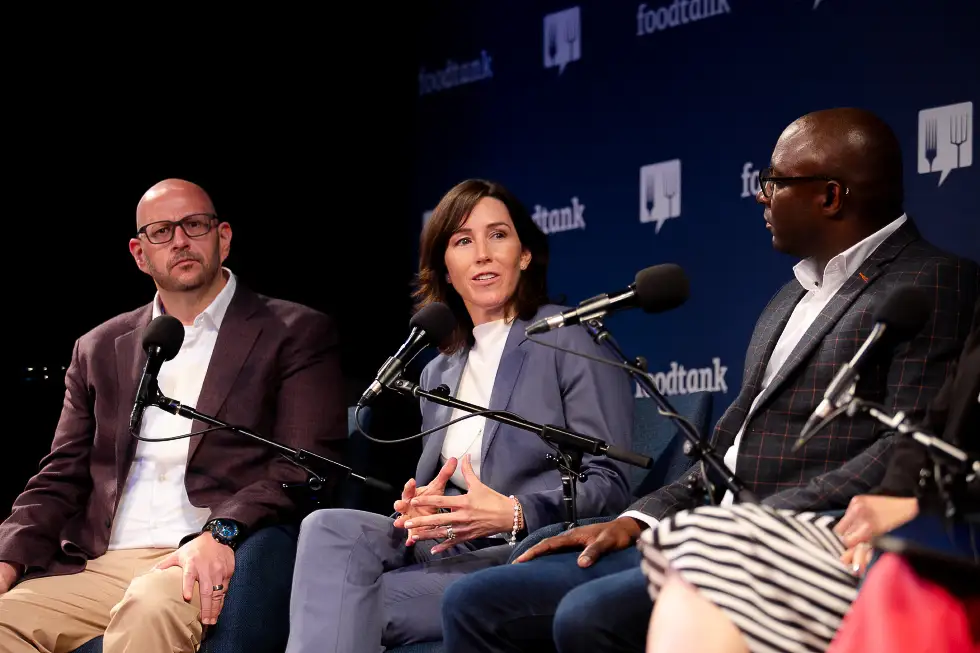
Last week, I had the privilege of participating in Climate Week NYC at our Food Tank event, “Solving Food Waste is a Key Solution to the Climate Crisis.” Alongside leaders from Compass Group, the Culinary Institute of America and Mill, we discussed practical ways to prevent and reduce food waste in commercial kitchens and foodservice, and the role our industries can play in driving meaningful change.
Throughout the week, our team also joined sustainability leaders for conversations spanning food sourcing, transportation, the built environment and more. One promising theme kept surfacing: many of the solutions that can make a meaningful difference already exist. The opportunity is to scale what works, learn from each other, and find practical ways to turn sustainability goals into action.
Turning Ideas Into Action
Restaurant Technologies came to Climate Week with lessons of our own to share. Helping kitchens decrease cooking oil and packaging waste, while recycling used cooking oil into renewable fuels, is one direct way we help our customers reduce their environmental footprint.
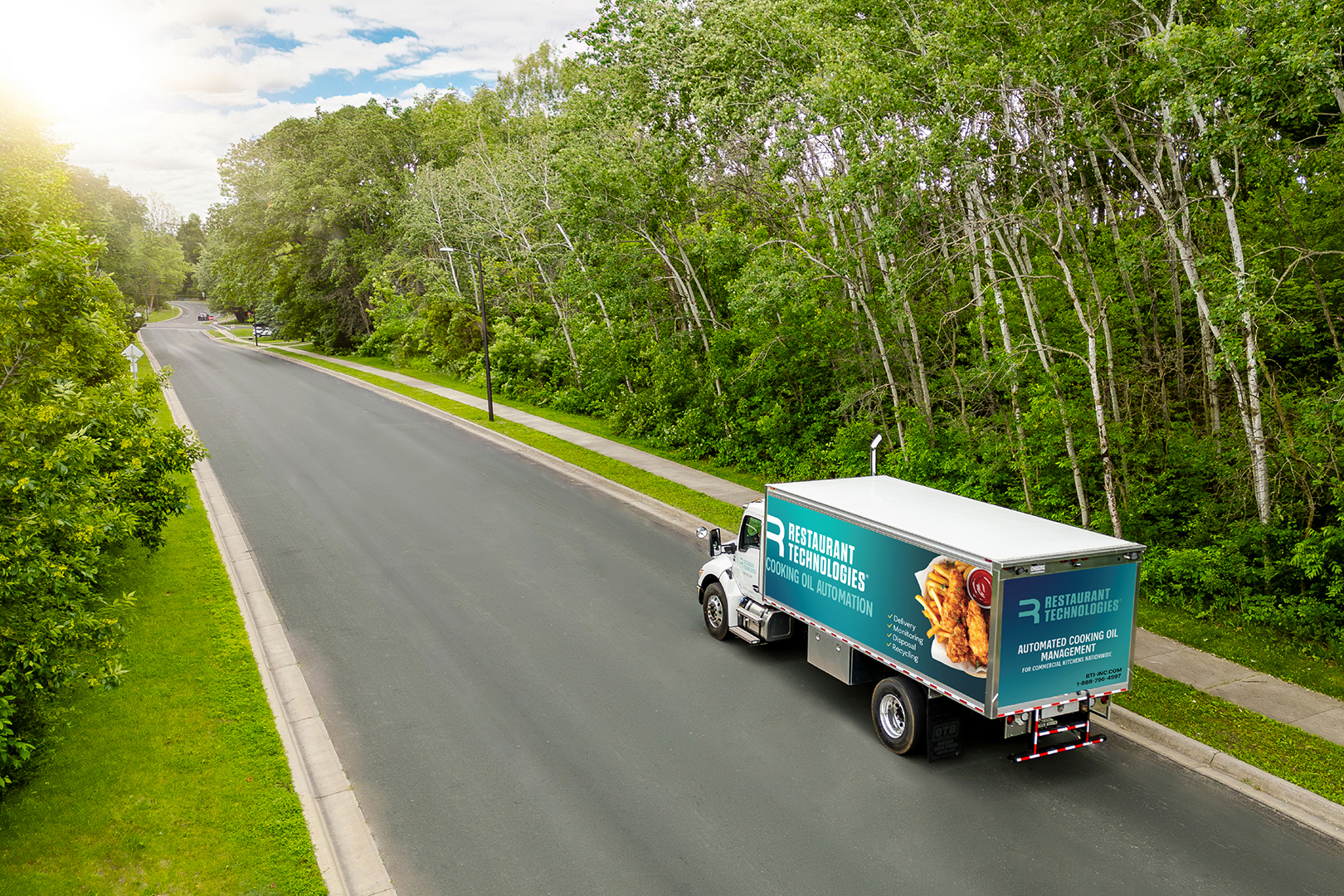
At the same time, we are always looking for opportunities to improve. At a Chief Sustainability Officer roundtable hosted by Goals House, I heard how leaders across industries are finding creative ways to advance sustainability while navigating the realities of materials, budgets and timelines. Our team also attended a session on zero emissions freight to stay close to emerging vehicle and infrastructure technologies and consider where future opportunities may exist for our already efficient national delivery fleet.
Some of the most valuable connections also happened outside formal sessions. Throughout the week, we heard from customers including Sodexo, CookUnity, Whole Foods Market, and others about the sustainability priorities, challenges, and successes shaping the foodservice industry today.
Bringing the Conversation Home
Climate Week reinforced that sustainability progress does not always require starting from scratch. Across industries, companies are already finding ways to make meaningful changes while navigating the realities of running a business.
For Restaurant Technologies, that means continuing to do both: sharing and scaling solutions that are already helping commercial kitchens reduce waste, while learning from customers, partners and peers about what we can do next. The more we can connect practical solutions with businesses looking to reduce their environmental impact, the greater the opportunity to make a difference.