
Understanding Waste in Restaurant Operations
Waste in restaurants comes from more than the scraps left on a cutting board. It includes excess food production, spoiled inventory, single-use packaging, broken equipment, wasted energy, and even lost labor hours caused by inefficient processes. When you look at it this way, waste touches every corner of a restaurant, from what goes into the trash to what never gets used at all.
The cumulative impact of this waste is significant. It drives up food costs, increases landfill contributions, and strains daily operations. Many kitchens underestimate how much waste accumulates over time because it happens in small, repeated moments that quickly add up. A few extra prep batches here, an unused garnish there, or a cooler that runs constantly due to poor maintenance all contribute to unnecessary expense and environmental harm.
Understanding the full scope of waste is the first step in building a sustainable, efficient restaurant. When operators can identify the source of waste, they can implement strategies that improve margins and reduce environmental impact.
Why Waste Reduction Is Key to Profitability
Waste reduction is one of the most effective ways to control costs without cutting quality or labor. Every pound of food thrown away represents money the restaurant already spent on purchasing, storing, prepping, and cooking. The same is true for packaging, energy, and even small operational inefficiencies.
Restaurants that prioritize waste reduction often see:
- Lower food and material costs
- Improved inventory accuracy
- Higher staff productivity
- Cleaner, more organized kitchens
- Stronger sustainability reputation with guests
Customers increasingly care about how restaurants manage their environmental footprint. Sustainable practices improve brand perception and influence where diners choose to spend their money. When your restaurant demonstrates a real commitment to reducing waste, it becomes part of your story and strengthens guest loyalty.
You can see this dynamic at work in food waste initiatives as well. Our Restaurant Food Waste Reduction Strategies guide explores how controlling waste at the ingredient and prep level boosts both sustainability and profitability.
Core Restaurant Waste Reduction Techniques
Effective waste reduction requires a mix of operational discipline and smart planning. Here are some foundational techniques that help restaurants minimize waste across the kitchen:
Recycling and Smart Disposal Programs
A structured recycling program reduces landfill waste and keeps recyclable materials out of the trash stream. Cardboard, aluminum, glass, and certain plastics are commonly recycled in commercial kitchens. Clearly labeled bins, consistent staff training, and routine audits help keep contamination low and participation high.
Composting Food Waste
Composting is an excellent solution for unavoidable food waste such as peels, coffee grounds, and trimmings. Some restaurants partner with local farms or municipalities. Others establish on-site composting systems. Composting not only reduces trash volume but also supports a circular approach to waste management.
Portion Optimization
Portion sizing has a major influence on waste. Overly generous portions often result in leftovers that cannot be reused. Standardized recipes, measuring tools, and portion-controlled packaging help ensure consistency and prevent overserving.
Smarter Menu Planning
Menu design directly affects how ingredients are used. Cross-utilizing ingredients reduces spoilage and lowers purchasing costs. Seasonal menus also help control inventory levels and improve sustainability.
Waste Separation at the Source
Segregating organic waste, recyclables, and landfill items makes disposal more efficient and supports better tracking. It also gives staff visibility into how much waste the kitchen produces.
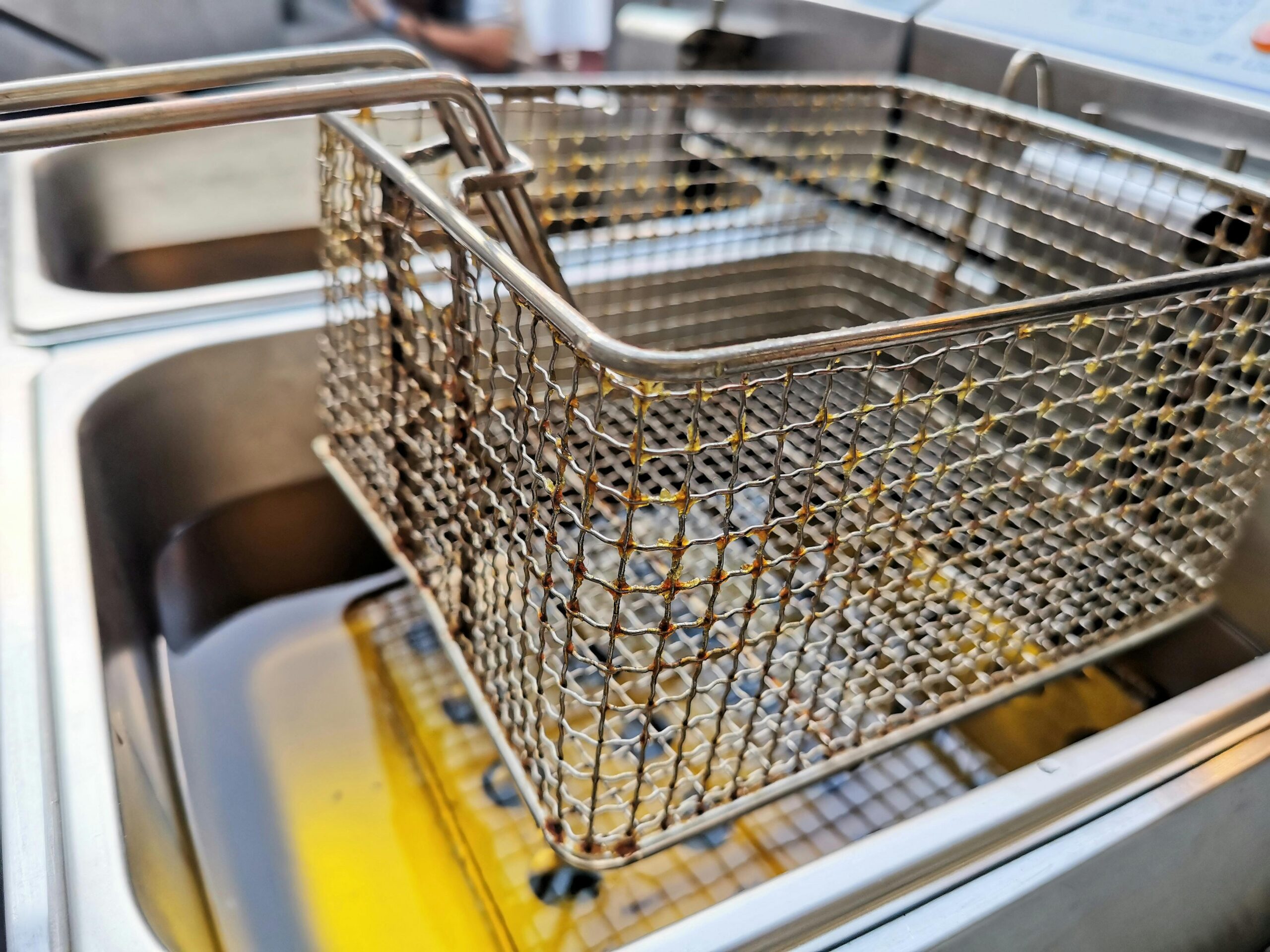
Waste reduction techniques also tie into equipment care. For example, routine fryer cleaning reduces oil waste and improves product quality. Restaurant Technologies Deep Fryer Maintenance Checklist highlights how proper oil handling minimizes unnecessary disposal and creates safer, more efficient workflows.
Integrating Technology for Waste Management
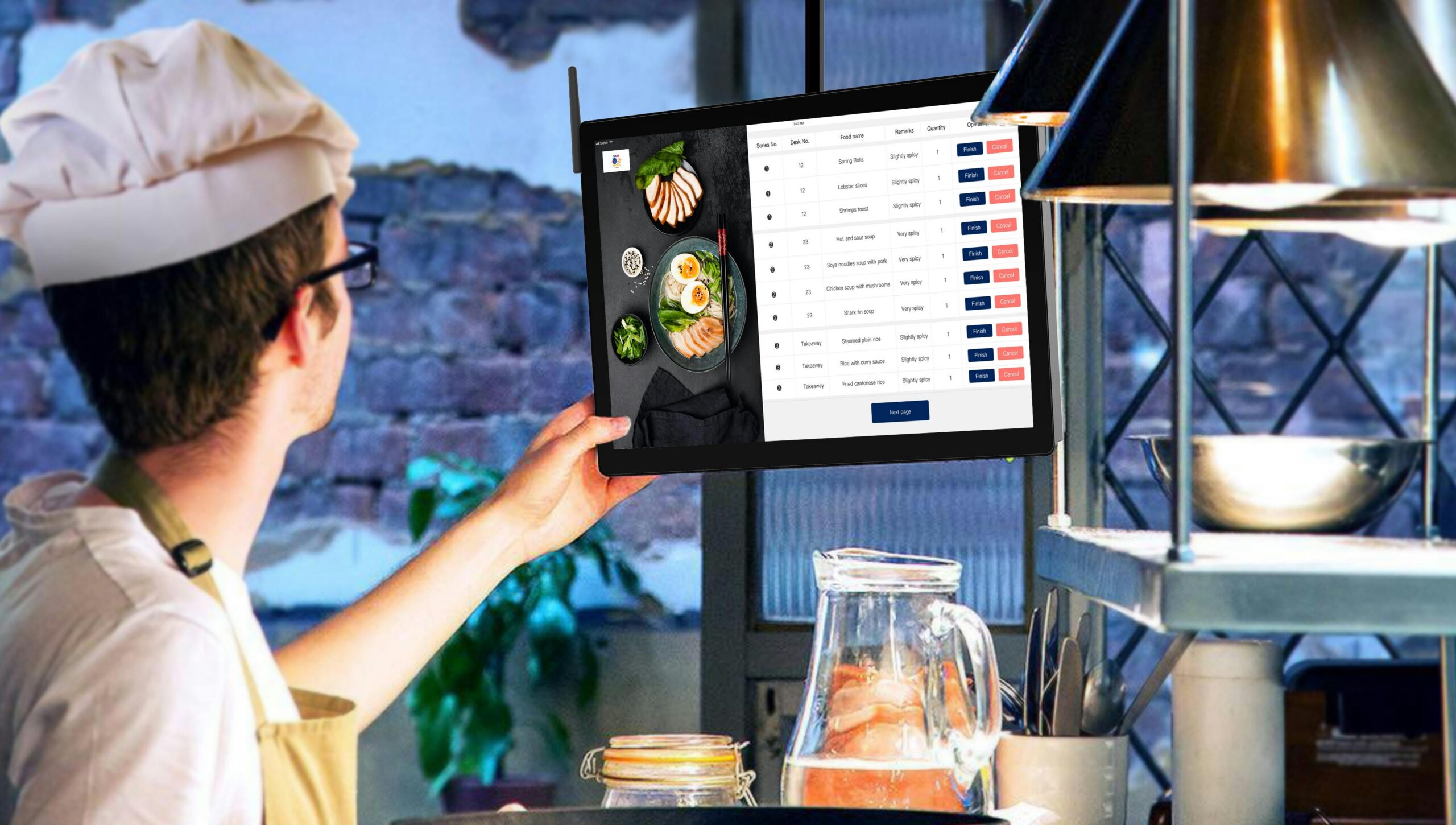
Technology is rapidly transforming how restaurants track and reduce waste. Sensors, software, and automation allow operators to see precisely where waste occurs and how to prevent it.
Internet of Things (IoT) Sensors for Waste Tracking
Smart sensors can monitor waste bins, track spoilage, and log the types and quantities of items discarded. This data highlights trends, such as which menu items result in the most scraps or how much plate waste is generated during lunch rush.
Digital Dashboards and Analytics
Many restaurants implement software that visualizes waste metrics across shifts, stations, and menu items. These dashboards make it easy to compare performance over time and set improvement goals.
Automated Inventory Tools
Technology can predict usage patterns, alert staff to low inventory levels, and help prevent over-ordering. These tools reduce both food waste and operational stress.
Equipment Automation
Automation doesn’t just streamline prep. It also reduces operational waste. Restaurant Technology’s automated cooking oil management system reduces oil waste by improving filtration consistency and eliminating manual disposal. Cleaner oil, less handling, and fewer mistakes support both kitchen sustainability and safety.
Technology also supports efficient kitchen processes overall. For a deeper look at digital tools that transform operations, visit our post on Smart Restaurant Technology, which explores how connected systems support waste reduction and stronger performance.
Building a Culture of Sustainability
Even the best waste management tools fall short without a team committed to using them. Building a sustainability culture requires communication, training, and shared goals.
Staff Training
Teach employees why waste reduction matters and how to separate waste properly. Clear instructions and visual reminders make sustainable practices easier to follow.
Incentivize Participation
Rewarding teams for hitting waste reduction goals builds motivation. Public recognition, shift perks, or team rewards help keep sustainability top of mind.
Celebrate Results
Sharing progress helps staff understand the impact of their actions. Posting reductions in waste volume or cost savings reinforces good habits.
Lead by Example
When managers model sustainable behaviors, staff are more likely to adopt them. Leadership support is essential in establishing long-term habits.
Strong culture reduces waste more reliably than any single policy. When sustainability becomes part of daily operations, improvements happen naturally.
Overcoming Waste Reduction Challenges
Reducing waste can feel overwhelming at first. Restaurants often face barriers, including:
- Upfront investment in equipment or technology
- Staff resistance to new procedures
- Supply chain limitations
- Limited time for training or audits
Overcoming these challenges requires starting small, tracking progress, and scaling successful strategies. For example, implementing a simple waste log for two weeks can reveal significant opportunities for change. Or focusing first on food waste, then expanding to packaging and energy.
Waste reduction should never feel like an added burden. When integrated gradually and supported by leadership, it becomes a natural part of operations.
Restaurant Technology’s Role in Restaurant Sustainability
RTI helps restaurants reduce waste and improve kitchen sustainability with automated solutions that streamline operations. One of the most significant sources of waste in any kitchen comes from fryer oil. RTI’s automated cooking oil management systems simplify filtration, delivery, and disposal, helping to reduce oil waste and improving safety.
These automated solutions eliminate the need for manual oil handling, prevent spills, and extend oil life. Cleaner fryers mean fewer breakdowns, less contamination, and more consistent food quality. This kind of operational efficiency directly supports waste reduction goals and strengthens overall kitchen sustainability.
RTI also provides ongoing support to help operators integrate technology into their broader waste-reduction plans, creating cleaner, more efficient kitchens from day one.
Conclusion: Create a Cleaner, More Efficient Kitchen
Waste reduction is one of the most potent ways to improve both profitability and environmental impact. By understanding where waste occurs, implementing smart reduction strategies, and integrating technology that simplifies daily tasks, restaurants can make meaningful progress toward sustainability goals.
Partnering with RTI helps operators build kitchens that run cleaner, safer, and more efficiently. With the right tools and a culture of sustainability, every restaurant can reduce waste, strengthen margins, and create a greener operation that benefits both the business and the community.
Frequently Asked Questions
How can restaurants measure their progress in reducing waste?
Many operators start with simple waste logs or daily tracking sheets. Others use digital dashboards and sensors that record the volume and type of waste produced during each shift. Tracking metrics such as pounds of waste per day, cost of discarded ingredients, and landfill diversion rates helps restaurants see progress over time and set realistic sustainability goals.
What is the most effective first step for reducing restaurant waste?
The most impactful starting point is usually a waste audit. By observing what gets thrown away and why, restaurants can quickly identify patterns such as over-prepping, improper storage, or oversized portions. Once the most significant sources of waste are clear, operators can implement targeted solutions such as recipe standardization, more accurate ordering, or composting programs.
Do waste reduction efforts really improve restaurant profitability?
Yes. Reducing food waste lowers purchasing costs and decreases the amount of product that expires or gets discarded. Efficient disposal processes also minimize labor and hauling expenses. Over time, lower waste levels improve kitchen organization, support faster service, and strengthen a restaurant’s sustainability reputation, increasing customer loyalty.