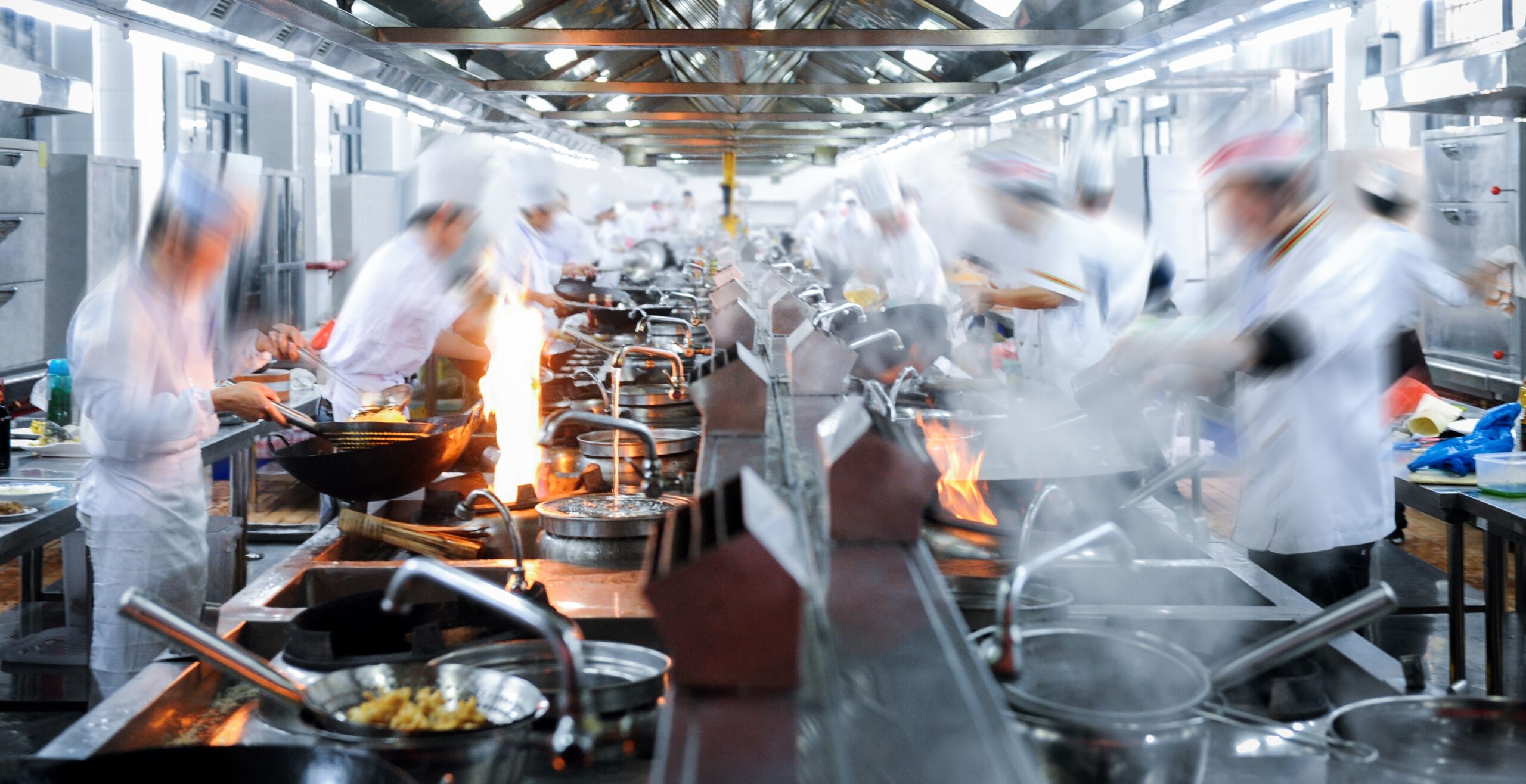


An organized commercial kitchen runs faster, safer, and with fewer mistakes. When tools, ingredients, and equipment are easy to locate and return, staff can focus on execution instead of searching or correcting errors. These commercial kitchen organization ideas are designed to support efficiency, consistency, and long-term performance.
Strong organization is not just about appearance. It directly impacts speed, food quality, and staff morale.
Why Organization Impacts Efficiency
Disorganization adds friction to daily operations. Extra steps, cluttered work surfaces, and unclear storage all slow service and increase error rates.
Well-organized kitchens benefit from:
- Faster prep and service times
- Improved order accuracy
- Reduced food waste
- Higher staff confidence and accountability
Clear systems allow teams to move with purpose, even during peak shifts.
Zoning Your Kitchen for Maximum Flow
Separating the kitchen into defined zones helps staff work efficiently without unnecessary cross-traffic.
1. Define Clear Prep, Cook, and Clean Zones
Designating specific areas for prep, cooking, and cleaning reduces congestion and supports food safety. Even in small kitchens, visual boundaries help staff understand where tasks belong.
2. Separate Storage From Production Areas
Keeping dry storage and refrigeration outside active cook lines prevents interruptions and improves movement during service.
Labeling and Storage Systems
Labeling is one of the simplest ways to improve organization and consistency.
3. Label Shelves, Bins, and Containers Clearly
Labels help staff locate ingredients quickly and return items to the correct place. Date labels also support FIFO inventory practices.
4. Use Color-Coded Storage for Food Safety
Color-coded bins and cutting boards help prevent cross-contamination and reinforce safety standards across shifts.
Vertical and Undercounter Storage Ideas
Maximizing unused space helps keep work surfaces clear.
5. Install Vertical Storage for Tools and Small Equipment
Wall-mounted racks and magnetic strips free up drawers and reduce clutter around prep tables.
6. Use Undercounter Storage to Reduce Foot Traffic
Undercounter refrigeration and cabinets keep essential items close to the line while preserving aisle space.
Organization Tips for Common Trouble Areas
Some areas require extra attention to stay organized.
7. Declutter Dry Storage With Assigned Zones
Grouping ingredients by category and labeling shelves prevents overstocking and confusion.
8. Organize Refrigeration by Ingredient Type
Assigning shelves for proteins, produce, and prepared items improves food safety and speeds up prep.
9. Keep Dishwashing Stations Clear and Defined
Separating clean and dirty areas prevents backups and improves sanitation during busy periods.
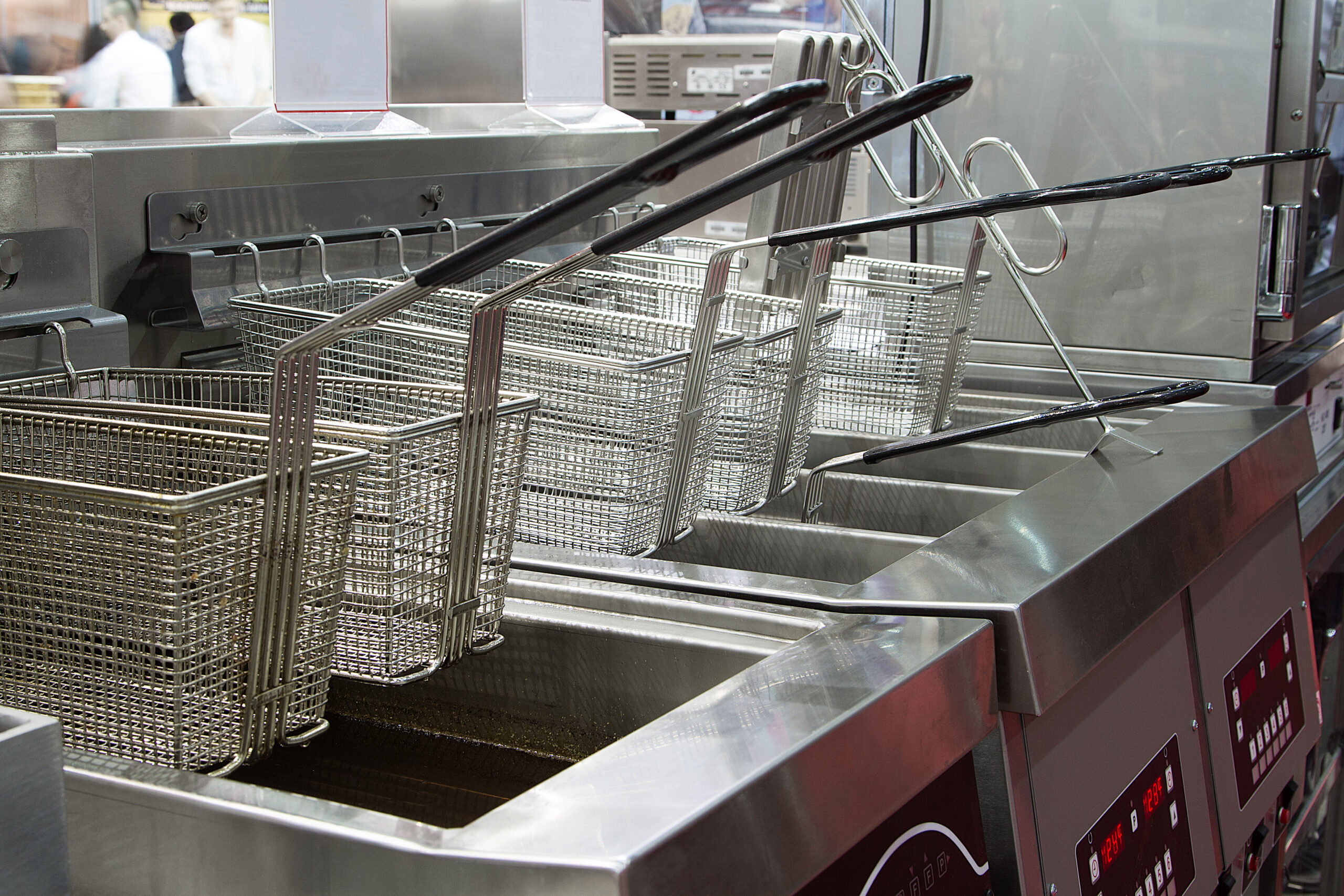
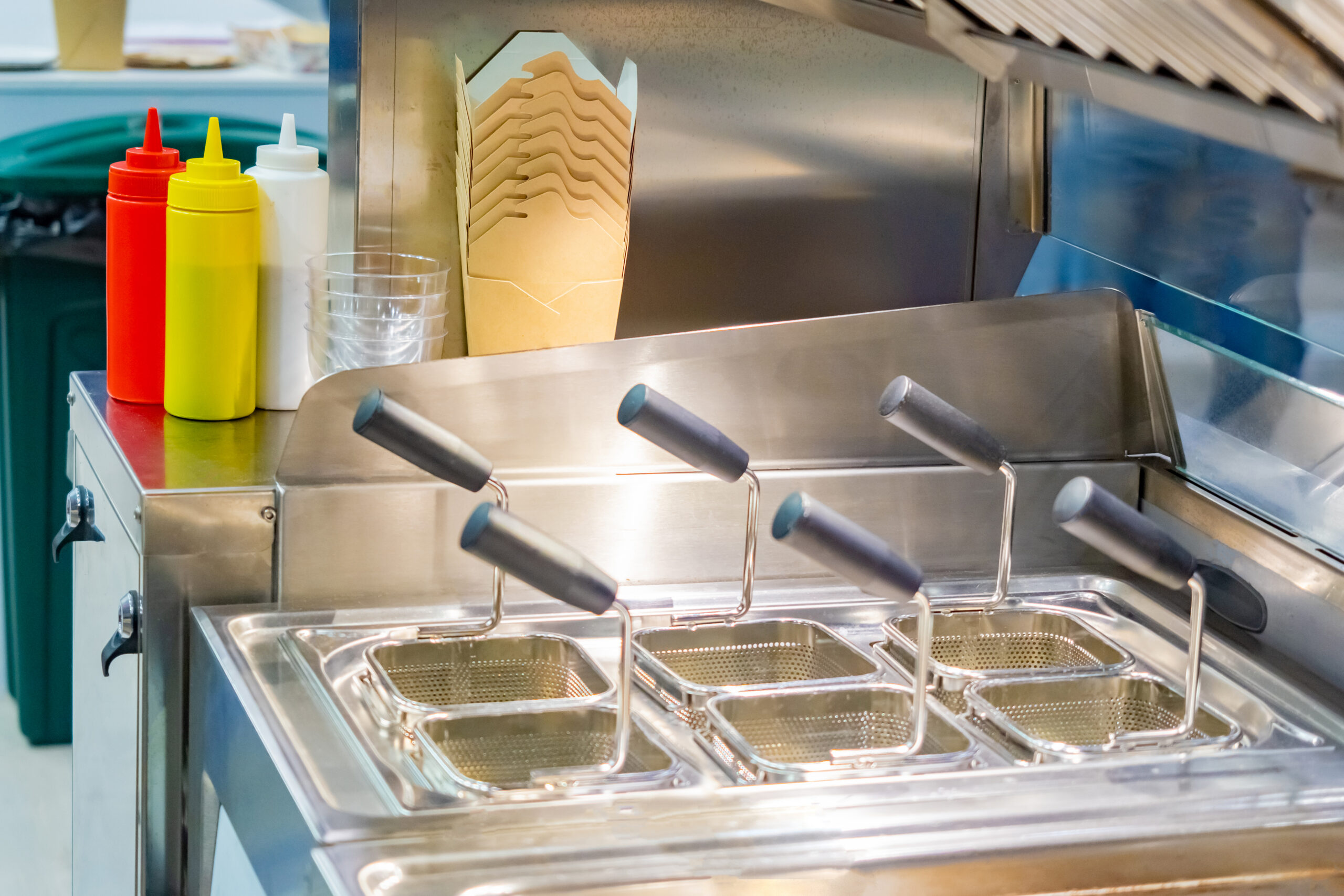
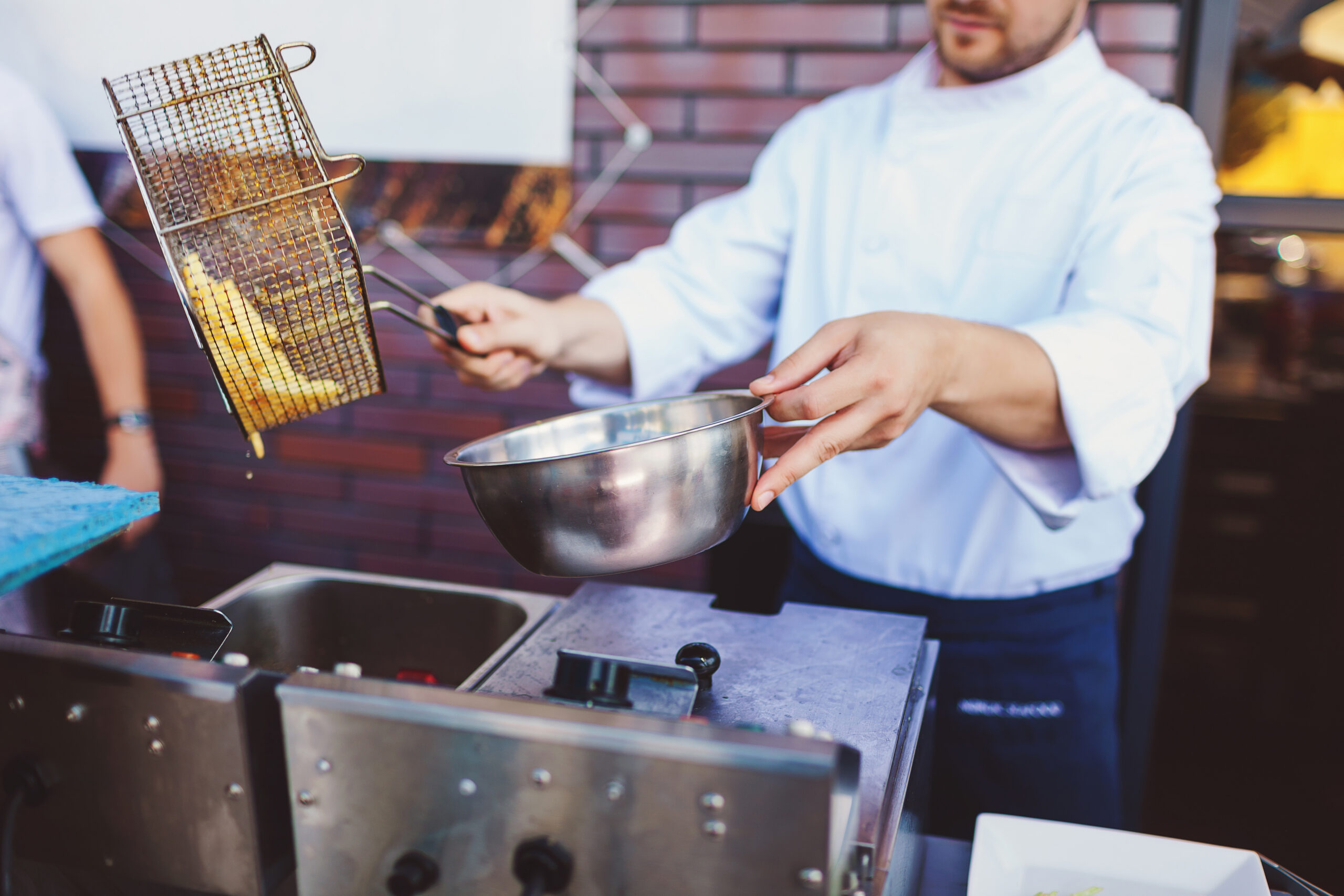
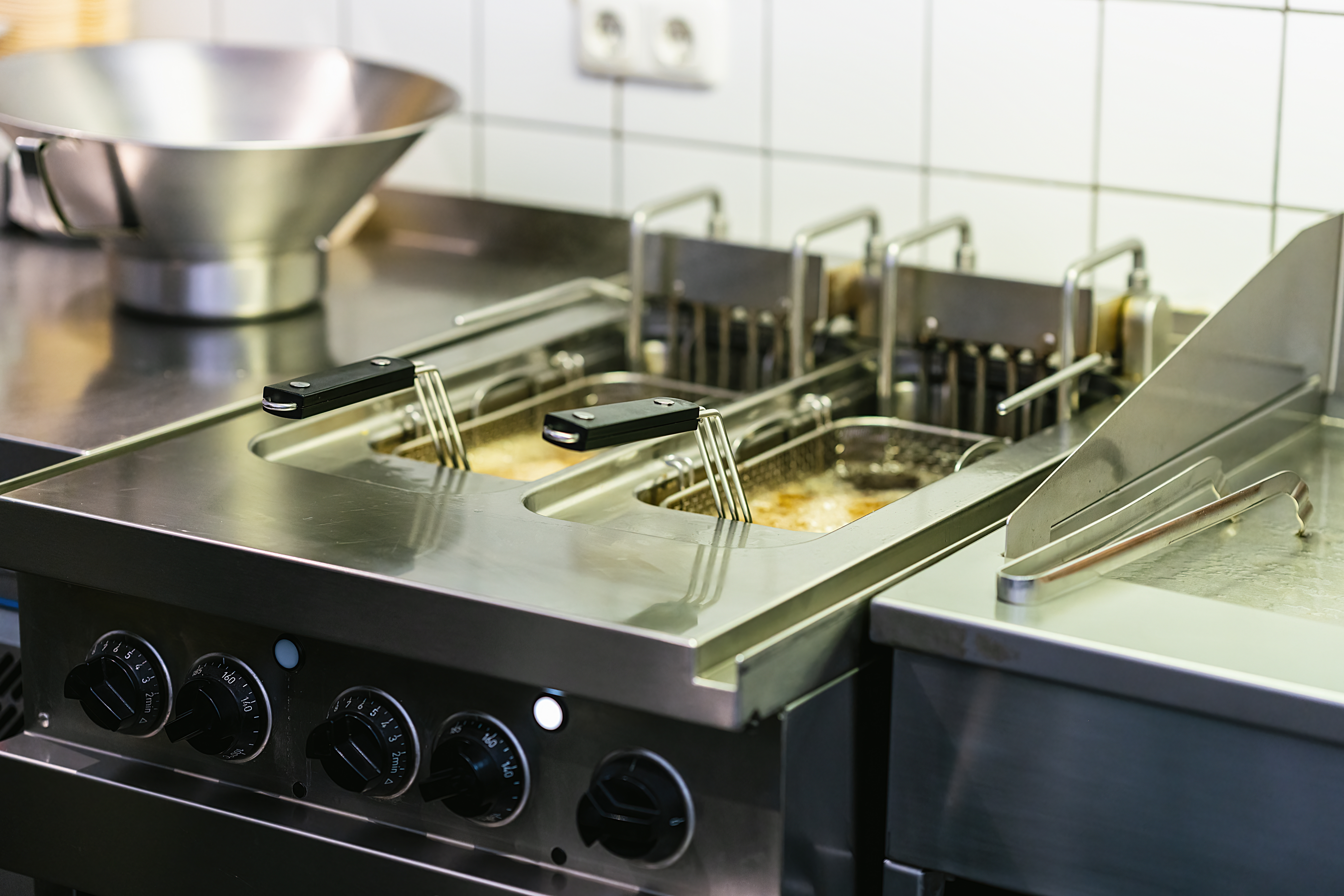
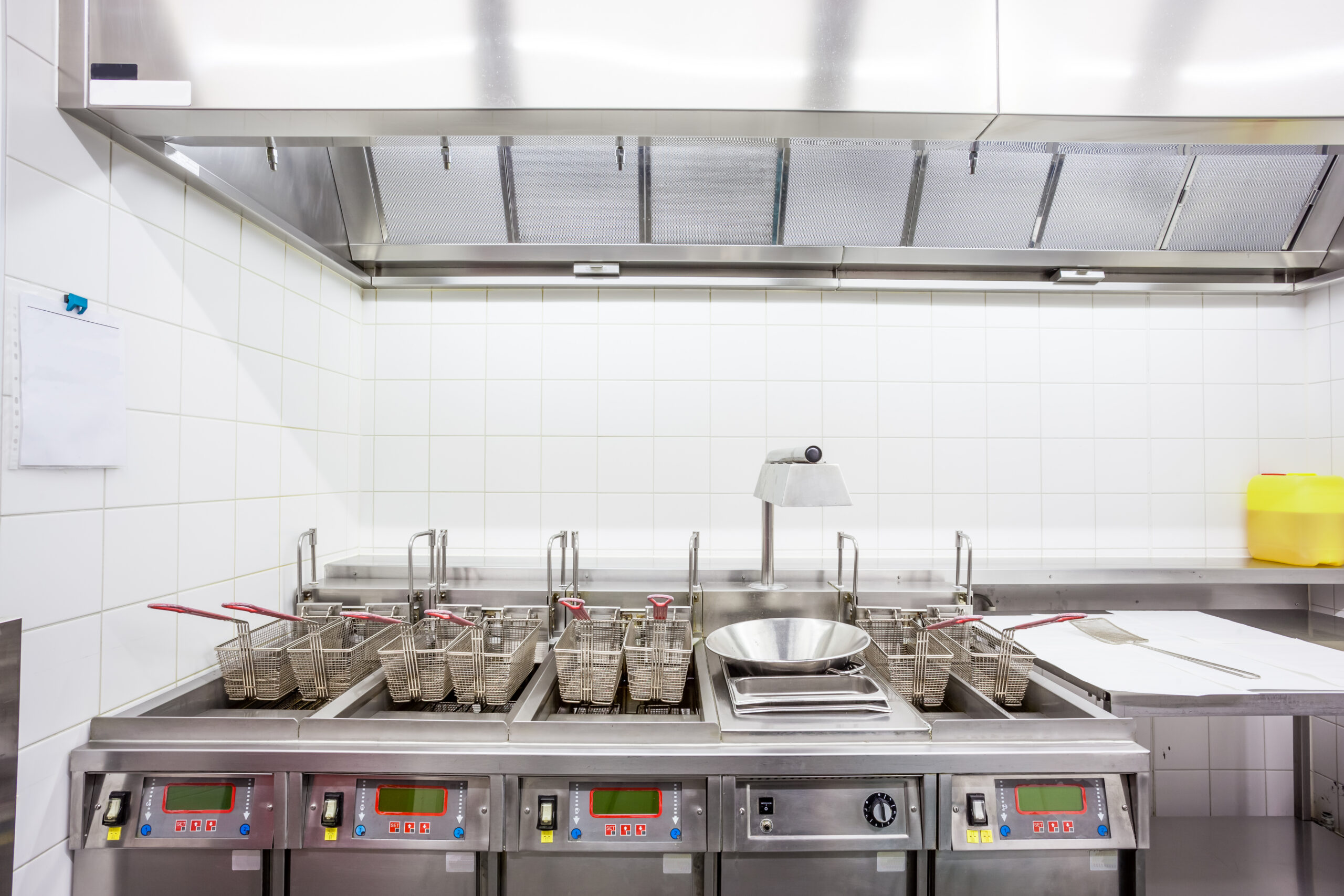
In fryer-heavy kitchens, organizing oil handling areas is especially important. Integrating structured cooking oil disposal helps reduce clutter and keeps hot oil out of walkways.
Organizing for Health and Safety
Organization plays a direct role in kitchen safety.
10. Keep High-Risk Areas Free of Clutter
Clear pathways around fryers, ranges, and ovens reduce the risk of burns and slips.
Defined storage and movement patterns also support sanitation protocols and inspection readiness.
Choosing the Right Storage Materials
Durable materials help organization systems last.
11. Select Storage Materials That Support Cleaning and Durability
Stainless steel shelving, food-grade plastic bins, and epoxy-coated racks are easier to clean and hold up under daily use.
Maintaining an Organized Kitchen Over Time
Organization requires consistency to remain effective.
12. Build Weekly Reset and Inventory Habits
Regular reorganization, inventory checks, and restocking assignments help prevent clutter from returning. Kitchens that rely on consistent cooking oil delivery also reduce the need for excess storage, freeing up valuable space.
Staff Training and Buy-In
Even the best systems depend on team participation. Training staff on storage standards during onboarding and reinforcing expectations through visual guides helps maintain organization across shifts.
Final Thoughts on Kitchen Organization
Great organization supports great food. Clear zoning, smart storage, and consistent routines allow kitchens to operate efficiently and safely.
Organization also improves when high-risk, messy tasks are simplified. Restaurant Technologies supports organized back-of-house environments through automated oil handling, filtration, and disposal. By reducing manual oil movement and clutter near fryers, these systems help kitchens maintain cleaner, more efficient operations every day.