
Why Deep Fryer Maintenance Matters
A deep fryer works hard every day, and when it isn’t maintained correctly, the entire kitchen feels it. Regular fryer care prevents costly breakdowns, improves cooking consistency, and keeps staff safe during busy shifts. It also helps control food costs by extending oil life and reducing product waste.
In many kitchens, fryers support a large portion of the menu. That means even a minor issue can disrupt service, slow prep times, or result in unevenly cooked food. A simple maintenance routine keeps fryers dependable, promotes better flavor, and creates a safer work environment.
Common Problems Caused by Poor Fryer Care
Neglecting fryer maintenance doesn’t just cause inconvenience; it can also lead to serious problems. It can quickly turn into costly and avoidable problems, such as:
- Oil contamination: Old crumbs, moisture, and leftover batter break down oil faster and affect flavor.
- Uneven heating: Burned debris or damaged heating elements cause temperature swings that ruin food quality.
- Safety hazards: Dirty fryers increase the risk of flare-ups, splashes, and burns.
- Higher energy consumption: A fryer that works harder to keep the correct temperature uses more electricity or gas.
Many of these issues also increase food waste, which ties into broader kitchen sustainability efforts. For more strategies on reducing everyday waste, see our post on Restaurant Food Waste Strategies, which explains how small operational changes can improve margins over time.
Daily Deep Fryer Maintenance Checklist
Consistent daily care keeps fryers clean, efficient, and ready for the next shift. These steps take only a few minutes but make a big difference in long-term performance:
- Filter oil daily. Regular filtering removes crumbs and prevents premature oil breakdown.
- Skim debris throughout service. This reduces burning and keeps flavors clean.
- Wipe exterior surfaces. Oil residue on handles or controls can become a safety hazard.
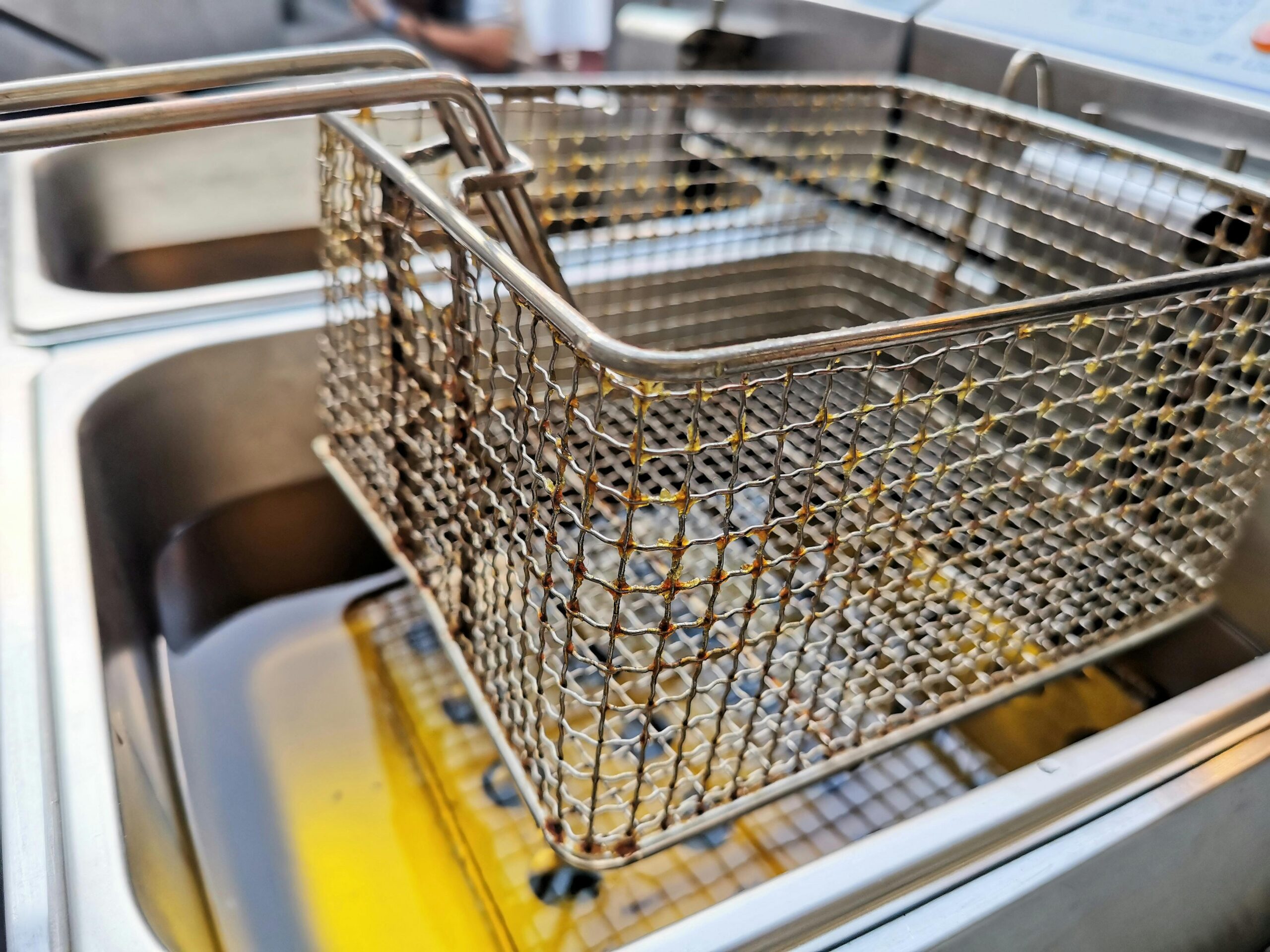
- Clean baskets and accessories. A quick wash removes stuck batter that reduces frying quality.
- Inspect temperature controls. Make sure the fryer heats evenly and recovers quickly between batches.
Restaurants using solutions like Restaurant Technology’s automated cooking oil management save a significant amount of time here. Automated filtration and oil handling help maintain cleaner oil with less manual effort, creating a safer, more efficient workflow.
Weekly and Monthly Fryer Maintenance Tasks
Some procedures require deeper cleaning and more detailed inspection. These tasks keep fryers running reliably over the long term:
Weekly Tasks
- Drain and clean the fry pot. Removing oil lets staff wipe down the tank and inspect surfaces.
- Check fryer sediment areas. Built-up crumbs cause heating issues and off-flavors.
- Inspect baskets and handles. Look for frayed wires, bent frames, or loose attachments.
Monthly Tasks
- Boil out the fryer. This removes stubborn carbon buildup and restores stainless steel surfaces.
- Check gas lines or electrical connections. Loose fittings or frayed cords increase safety risks.
- Calibrate thermostats. Accurate temperatures improve food quality and keep oil life predictable.
- Examine exhaust hoods and ventilation areas. Poor airflow increases heat around the fryer and strains equipment.
Developing a broader kitchen efficiency plan is made easier with our guide on Smart Restaurant Technology. This guide offers insights into how connected systems can support maintenance, reduce labor, and keep equipment performing at its best.
Signs It’s Time for a Professional Cleaning or Repair
Even with the best routine, fryers eventually show signs that they need expert attention. Watch for:
- Strange smells or smoky oil: Often a sign of residue buildup or mechanical issues.
- Slow heat recovery: Indicates thermostat or heating element problems.
- Visible carbon buildup: If boil-outs aren’t eliminating residue, deeper cleaning is needed.
- Unusual noises or vibrations: Components may be loose or worn.
- Oil darkening quickly: Suggests contamination or malfunctioning filtration.
If any of these appear repeatedly, schedule a professional service call to prevent bigger problems later. Many of these warning signs also relate to broader waste reduction goals. For more ways to improve kitchen sustainability, our Restaurant Waste Reduction post offers practical steps to manage both food and operational waste.

Benefits of a Consistent Maintenance Routine
A reliable fryer maintenance process supports both quality and efficiency. Key benefits include:
- Longer equipment lifespan through reduced wear and tear
- Better food quality with consistent temperatures and cleaner oil
- Lower energy use because well-maintained fryers run more efficiently
- Safer working conditions with fewer burns, splashes, or flare-ups
- Less food and oil waste, which improves cost control
These gains add up to smoother shifts, happier teams, and more predictable kitchen performance.
How Restaurant Technology Simplifies Fryer Maintenance
Deep fryer care becomes much easier with the right tools. Restaurant Technology’s system for automated cooking oil management helps restaurants maintain cleaner oil, reduce manual handling, and eliminate many of the messiest steps in fryer upkeep.
By automating filtration, delivery, and disposal, Restaurant Technology reduces labor, improves safety, and extends the life of both oil and equipment. Kitchens run cleaner, faster, and more consistently without the daily burden of heavy lifting, splashes, or guesswork.
Conclusion: Keep Your Kitchen Running Safely and Smoothly
A deep fryer works best when it’s maintained regularly. With a consistent routine, early problem detection, and smart automation tools, restaurants can reduce downtime, improve food quality, and extend the life of their equipment.
RTI supports this effort by providing solutions that streamline fryer maintenance and help kitchens operate with confidence. Regular care, combined with the right technology, creates a safer, cleaner, and more reliable back-of-house environment every shift.