
Fast casual kitchens are built to move quickly while maintaining consistency and quality. These restaurants balance speed, visibility, and high output, often within a limited footprint. A well-designed fast casual kitchen layout helps teams keep lines moving, reduce wait times, and meet guest expectations during peak hours.
Unlike full-service concepts, fast casual operations rely on streamlined workflows that support rapid production from order to pickup.
What Is a Fast Casual Kitchen Layout?
A fast casual kitchen layout is designed around efficiency and throughput. Guests expect fresh food with minimal waiting, which puts pressure on both cooking and assembly areas.
Common requirements include:
- High output during lunch and dinner rushes
- Compact back-of-house spaces
- Clear separation between cooking and finishing
- Consistent execution across shifts
To support these demands, many operators evaluate how systems like cooking oil management fit into the overall layout, especially in kitchens that depend heavily on fryers for core menu items.
Designing for Speed and Efficiency
Speed depends on flow. Fast casual kitchens perform best when ingredients, equipment, and staff move in one direction without unnecessary backtracking.
Effective layouts prioritize:
- Linear movement from cooking to assembly to pickup
- Minimal cross-traffic between stations
- Strategic placement of refrigeration and dry storage near the line
- Restocking paths that do not interrupt service
Reducing manual tasks, including oil handling and filtration, helps teams stay focused during peak periods.
Typical Zones in a Fast Casual Setup
Most fast casual kitchens are organized into clearly defined zones that support a steady production rhythm.
- Cook line for hot food preparation
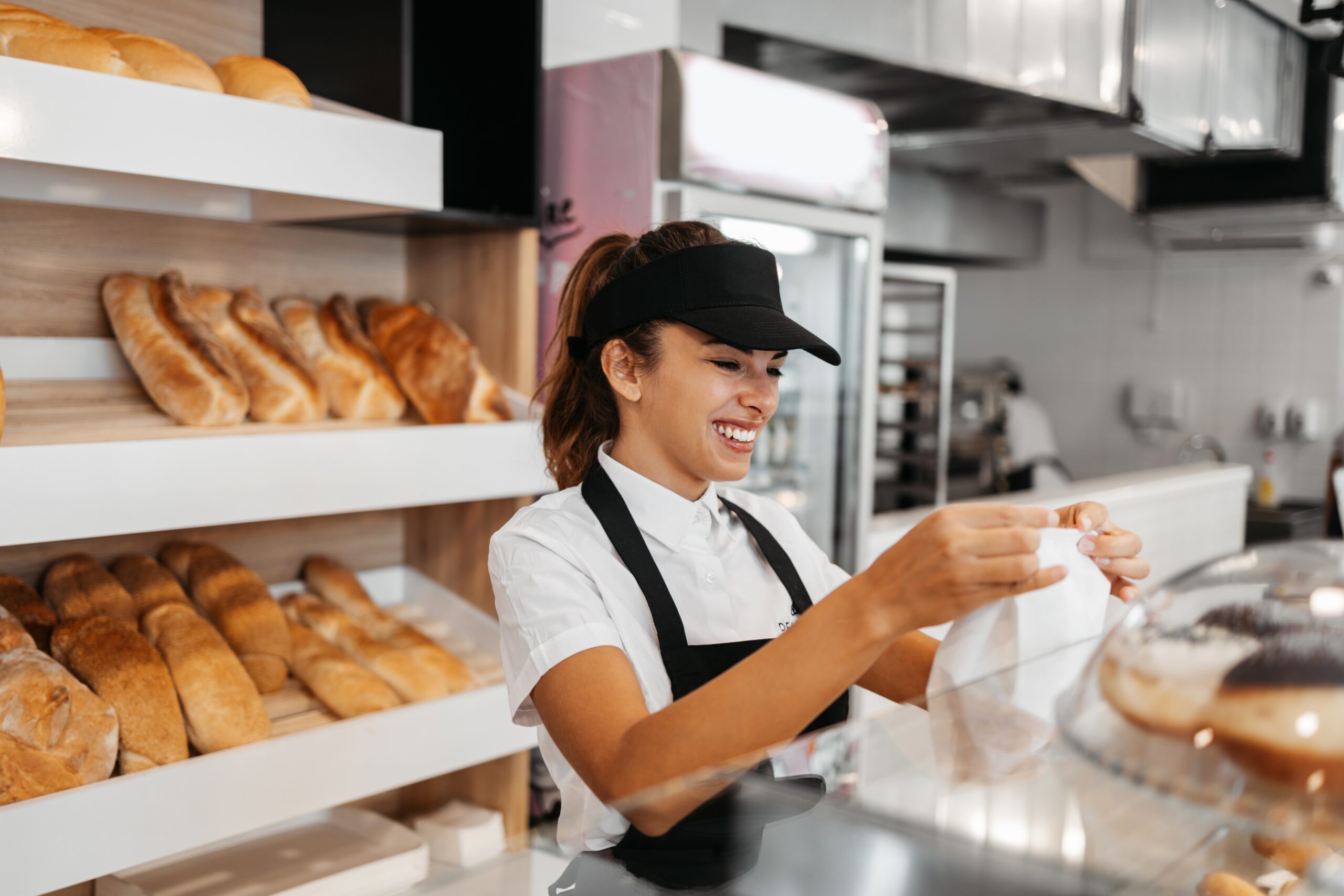
- Assembly area for building and packaging orders
- Order staging for organizing completed tickets
- Pickup zone for guest and delivery handoff
Cleaning and waste handling are typically positioned outside the main production flow. Integrating systems for cooking oil disposal in this area helps keep hot oil out of high-traffic spaces and reduces safety risks.
Streamlining the Cook Line
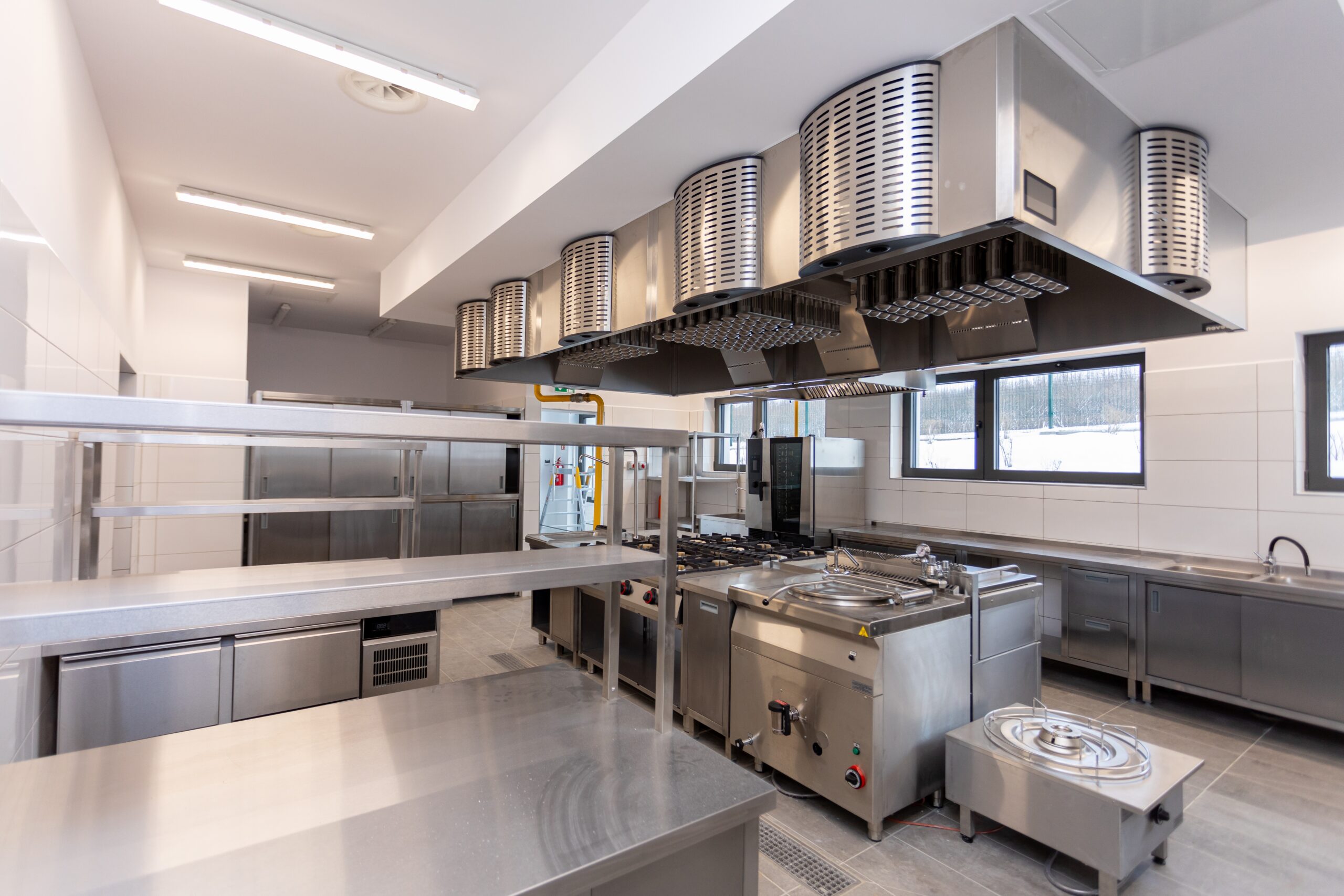
The cook line is the center of activity in a fast casual kitchen. Inline cooking layouts allow staff to move efficiently from one task to the next without stepping away from their station.
Common strategies include:
- Make-to-order layouts that follow the menu build
- Shared heat sources that support multiple items
- Undercounter refrigeration to reduce steps
- Dedicated fryer placement for high-demand items
Well-organized cook lines reduce delays and help maintain consistent output during rushes.
Choosing Equipment for Fast Casual Kitchens
Fast casual kitchens rely on equipment that supports speed, flexibility, and easy maintenance.
Typical equipment selections include:
- Modular cook line components that can be reconfigured
- Combination ovens for multiple cooking methods
- Prep tables with built-in refrigeration
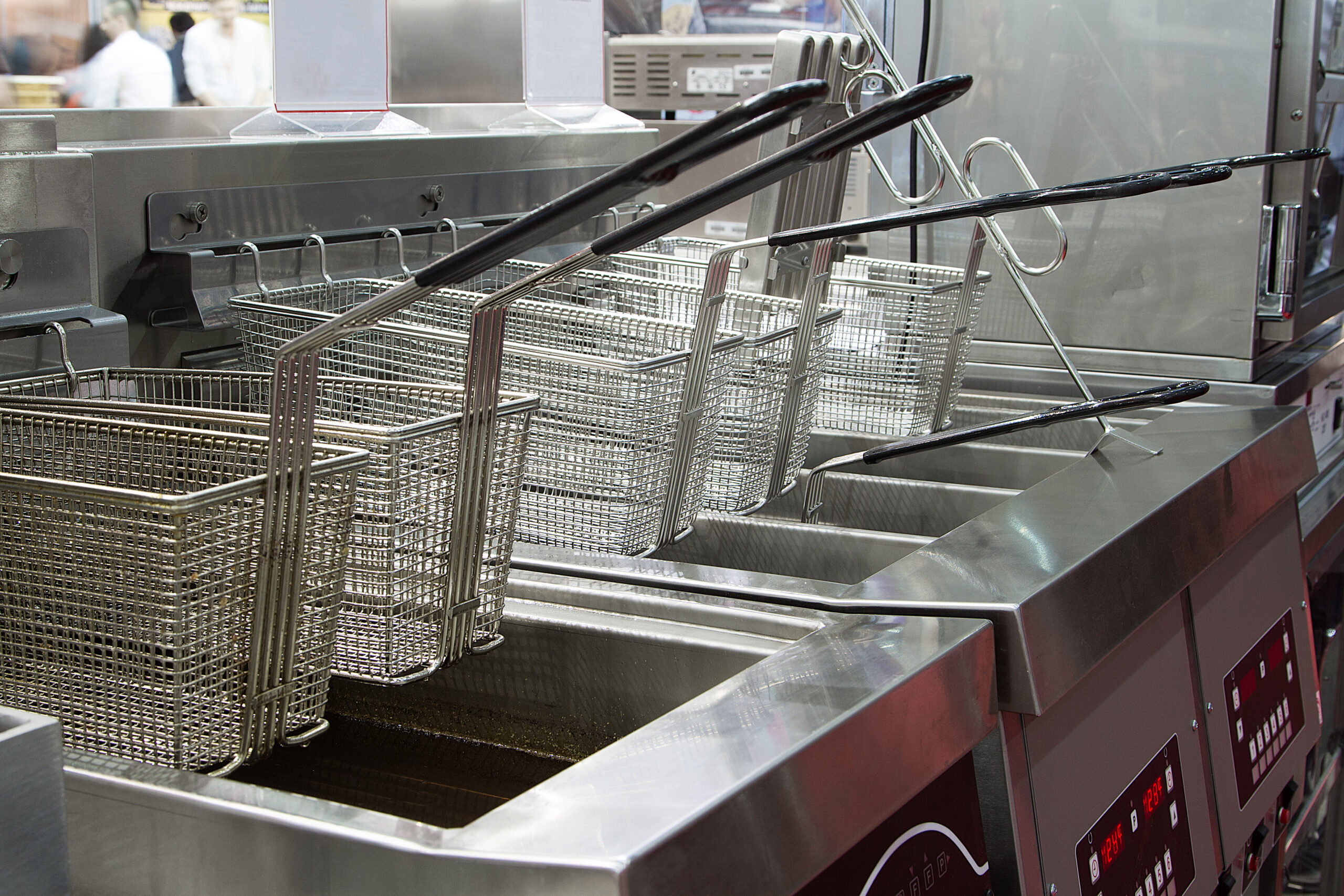
- Fryers equipped with tools such as fryer filtration monitoring to maintain oil quality without manual checks
Reliable equipment reduces downtime and helps kitchens stay productive throughout the day.
Deep Fryer Placement and Oil Flow Optimization
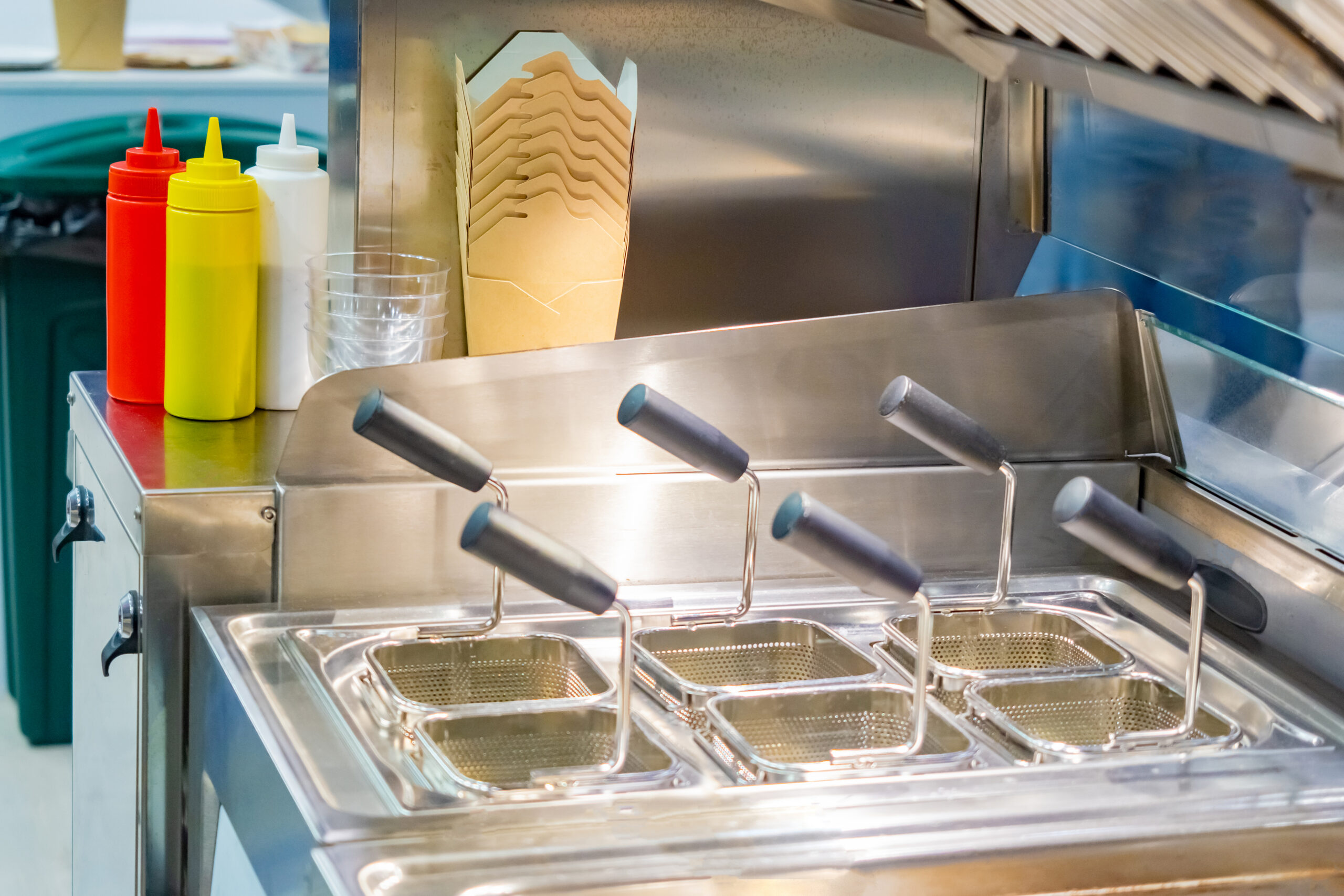
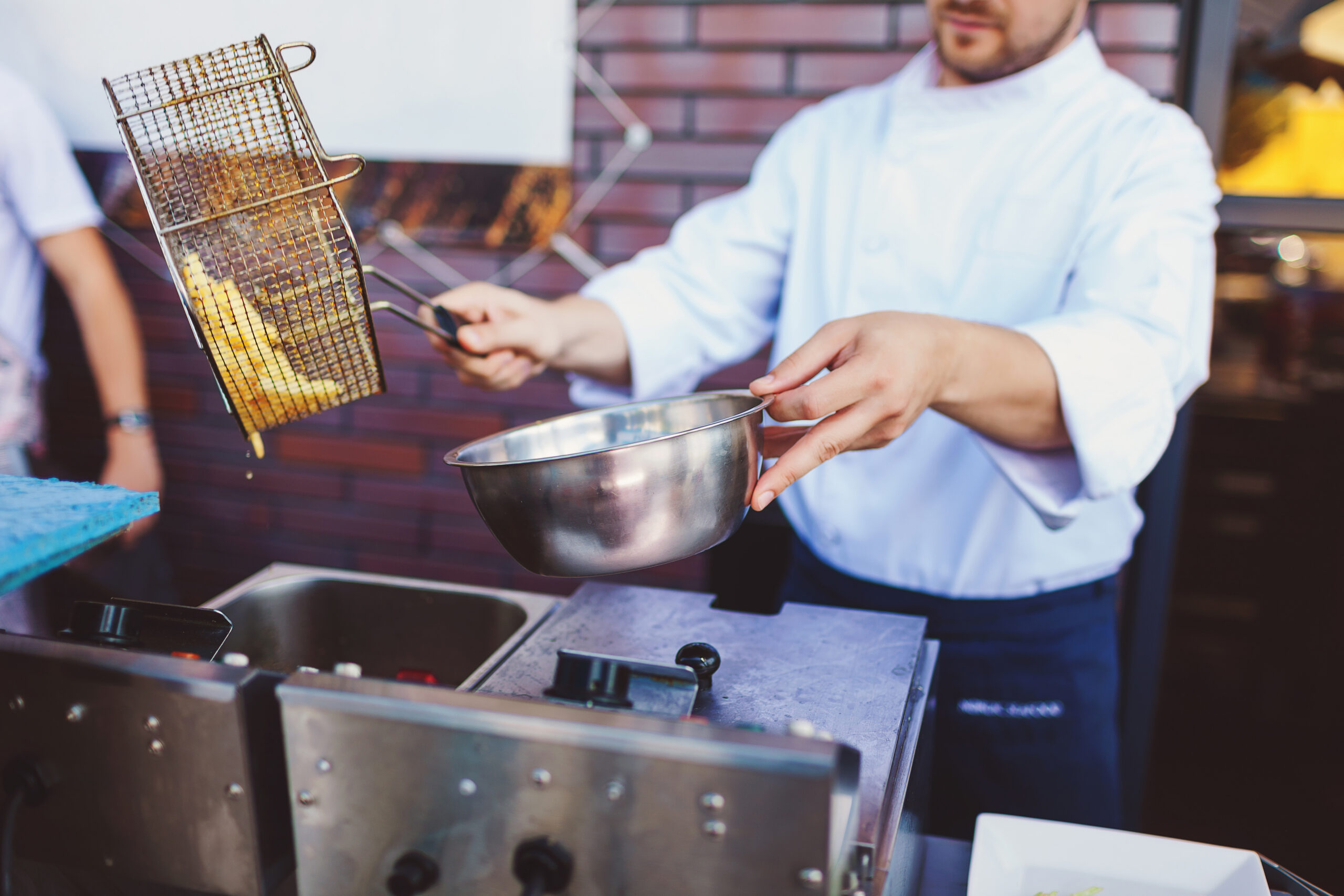
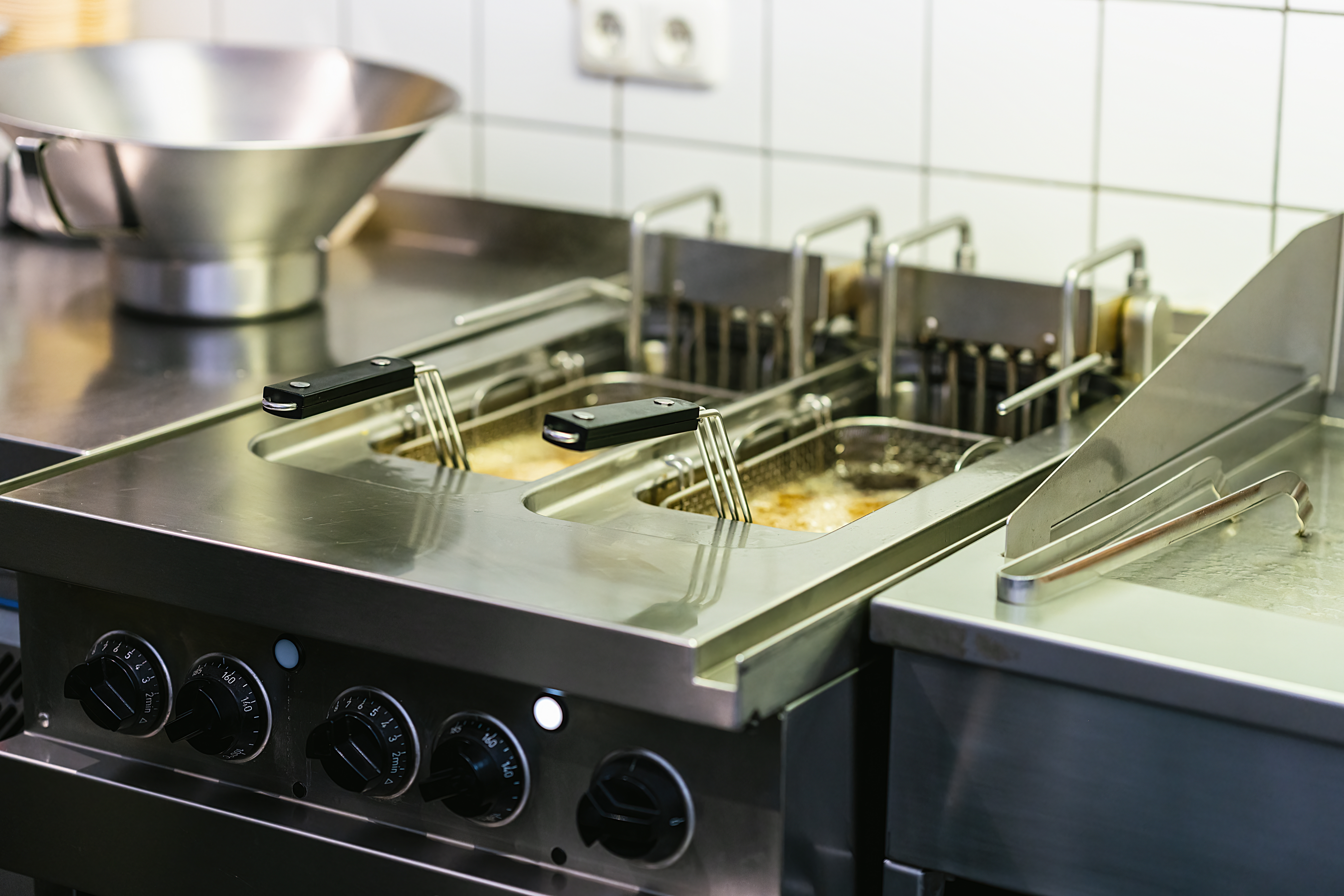
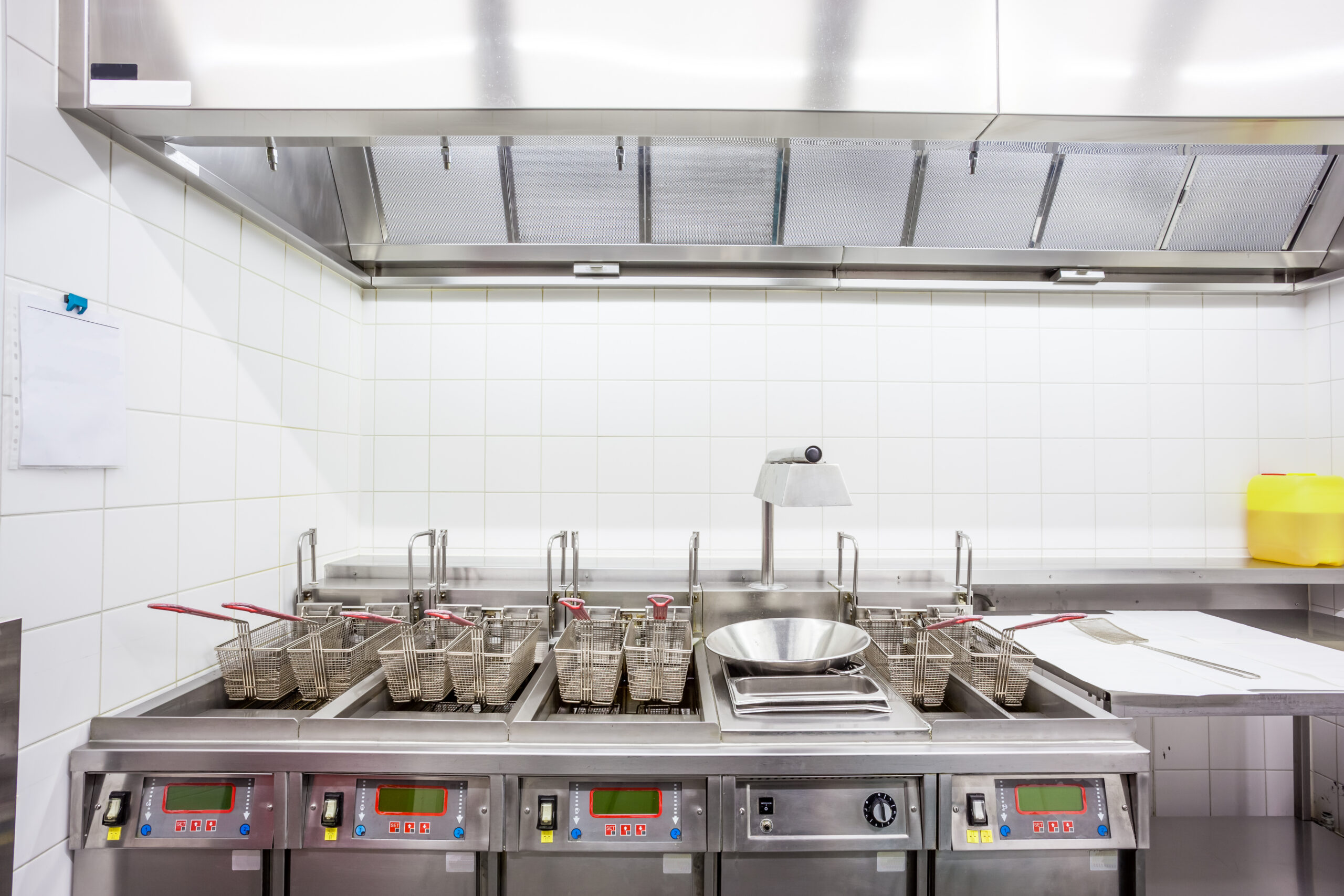
Deep fryers are essential in many fast casual menus, supporting items like fries, proteins, and shareable sides. Their placement should allow quick access without disrupting line flow.
High-volume kitchens often rely on dependable cooking oil delivery to ensure supply stays consistent during busy service windows. Automating filtration and oil handling helps reduce downtime and limits staff exposure to hot oil, supporting both safety and efficiency.
Balancing Front and Back of House Needs
Many fast casual restaurants feature open or partially open kitchens. This design choice increases transparency but also raises expectations for cleanliness and organization.
Layouts should support:
- Clear sightlines from the guest area
- Enclosed systems that limit spills and odors
- Quiet equipment that does not disrupt the dining experience
Back-of-house systems that stay contained and reliable help maintain a clean appearance without pulling staff away from service.
Final Thoughts on Fast Casual Layout Strategy
An efficient fast casual kitchen layout improves throughput, supports staff performance, and keeps customers moving through the line. When zones are clearly defined and equipment is placed with intention, kitchens can meet demand without sacrificing safety or consistency.
Fast casual kitchens also benefit from automated oil recycling and disposal systems from Restaurant Technologies. By simplifying oil handling and reducing manual tasks, these systems help operators maintain clean, safe kitchens that keep pace with fast-moving service demands.