
A fine dining kitchen is built for precision, timing, and presentation. Unlike casual or high-volume operations, these kitchens support detailed menus, refined plating, and tightly coordinated teams working across multiple stations. Every design decision, from equipment placement to workflow, affects the guest experience.
A well-planned fine dining kitchen layout supports consistency, minimizes disruption, and allows chefs to execute complex dishes at a high level.
What Defines a Fine Dining Kitchen Layout
Fine dining kitchens differ from casual operations in both function and intent. Rather than prioritizing speed alone, these environments focus on control and craftsmanship.
Common characteristics include:
- Multi-station cooking environments that allow chefs to focus on specialized tasks
- Dedicated plating and finishing areas that protect presentation quality
- Lower noise levels that support concentration and communication
- Precision-driven workflows that reduce unnecessary movement
Layouts are structured to support smaller batch sizes, à la minute cooking, and menu flexibility without sacrificing efficiency.
Design Priorities in Fine Dining Kitchens
Effective fine dining kitchens are designed around a few essential priorities.
Efficient flow
Ingredients, equipment, and staff should move logically from prep to cook to plate. Proper placement of fryers, storage, and waste systems helps prevent congestion during service.
Station separation
Clear boundaries between prep, hot line, garde manger, and pastry stations protect dish integrity and reduce interference during peak periods.
Quiet, controlled operation
Fine dining kitchens often operate near guest areas, making sound control and clean, enclosed systems an important part of the design.
Support for complex execution
The layout must accommodate detailed plating, multiple components, and last-minute adjustments without slowing service.
Key Zones in a Fine Dining Kitchen Layout
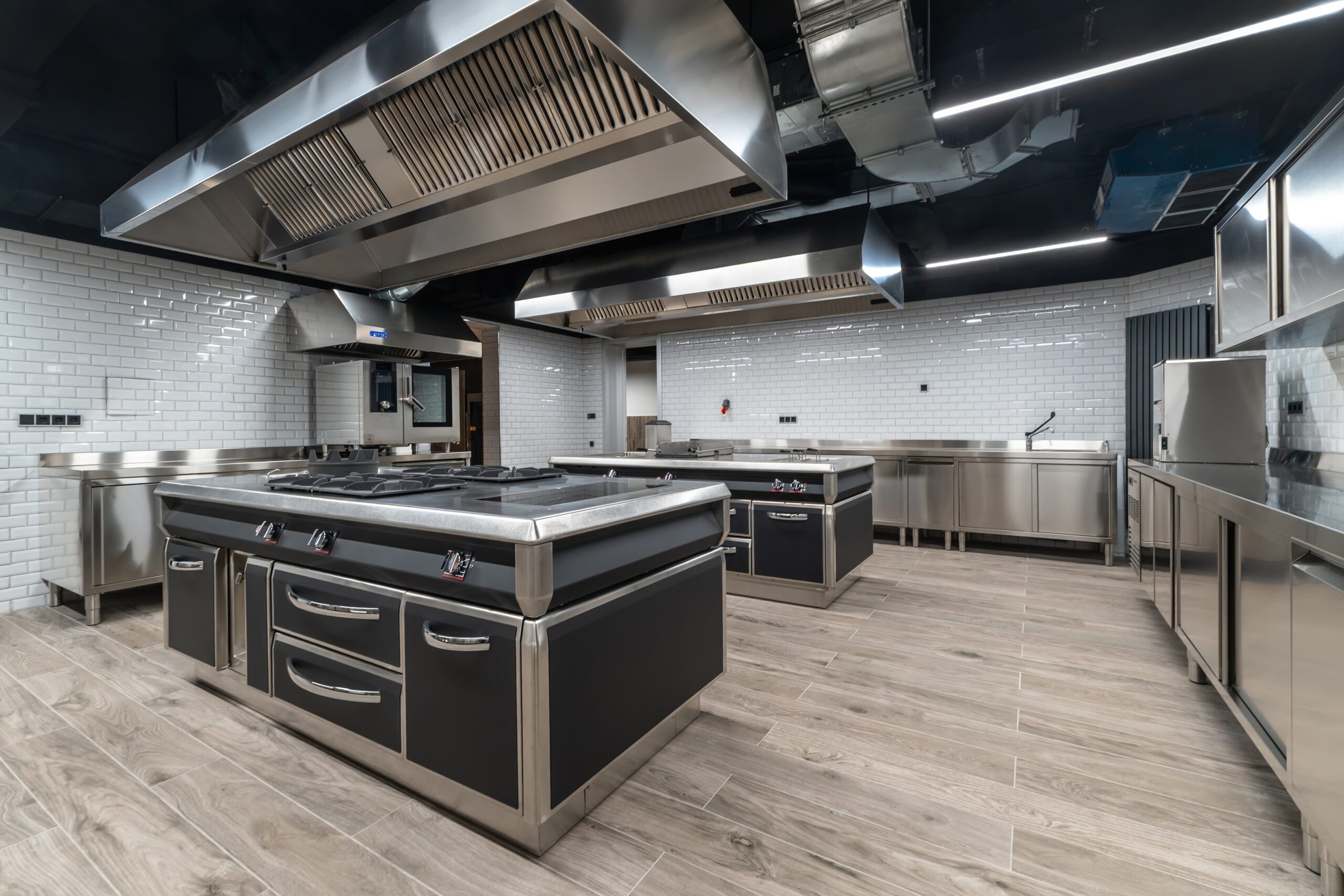
Most fine dining kitchens are organized into clearly defined zones that work together efficiently.
- Prep areas for butchery, vegetable processing, and mise en place
- Cooking zones that include ranges, ovens, fryers, and specialty equipment
- Plating and pass areas designed for visual precision and final inspection
- Cleaning zones that keep dishwashing and waste handling separate from food production
In many kitchens, integrating cooking oil disposal into the cleaning zone reduces clutter and limits the need for staff to transport hot oil through active work areas.
The Role of the Garde Manger and Sous Stations
Fine dining kitchens often rely on specialized stations that are less common in casual operations.
The garde manger station supports cold preparations such as salads, crudo, and composed starters. These stations typically require immediate access to refrigeration and ample plating space. Sous stations assist with sauces, proteins, and finishing elements, helping the kitchen maintain timing and consistency throughout service.
These roles improve efficiency by distributing responsibility while maintaining quality across courses.
Equipment Selection for Fine Dining Kitchens
Equipment in fine dining kitchens is selected for precision, consistency, and reliability.
Common equipment includes:
- Combi ovens for controlled temperature and humidity
- Induction cooktops for responsive heat and reduced ambient warmth
- Sous vide equipment for exact cooking times and textures
- High-performance ventilation to maintain air quality
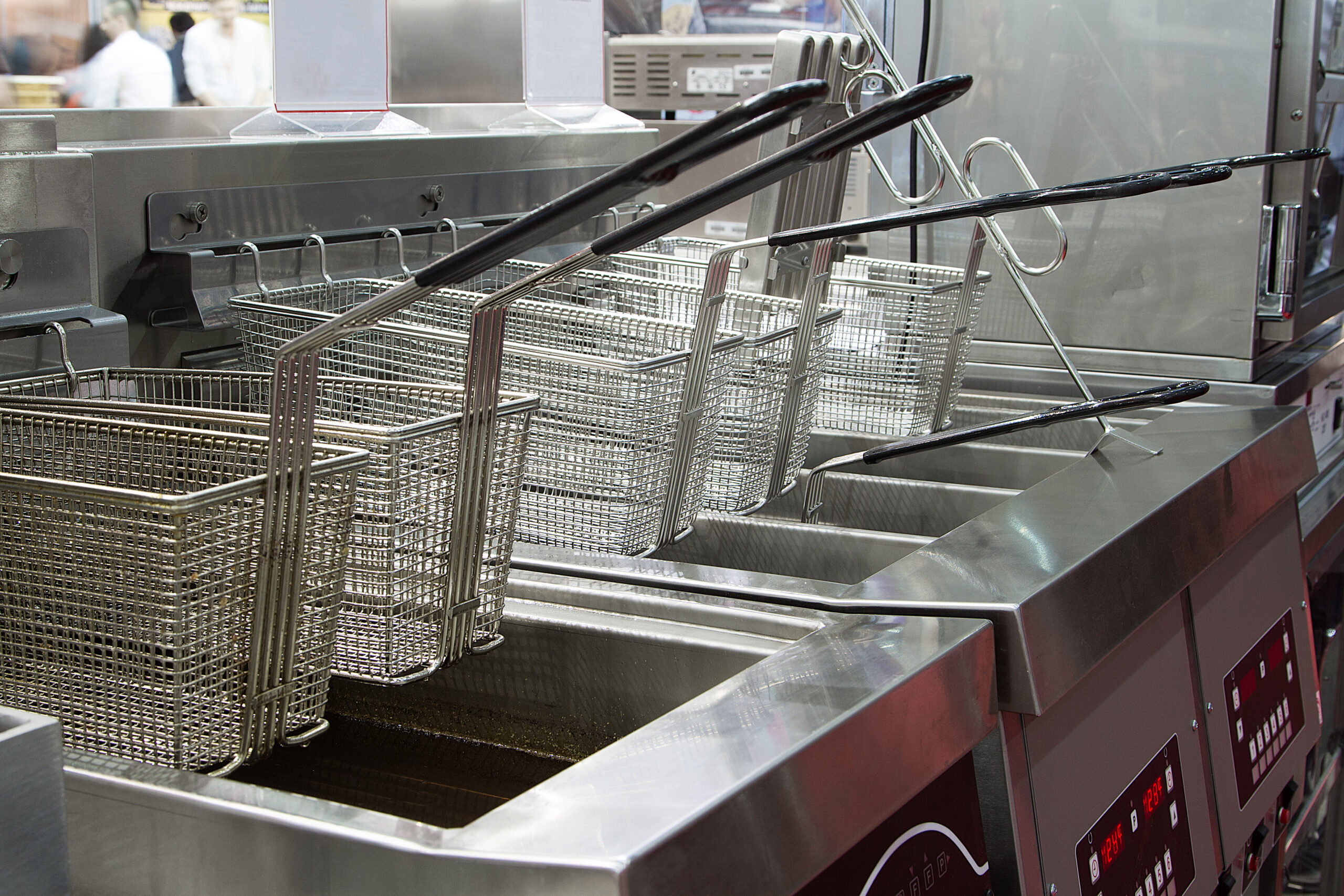
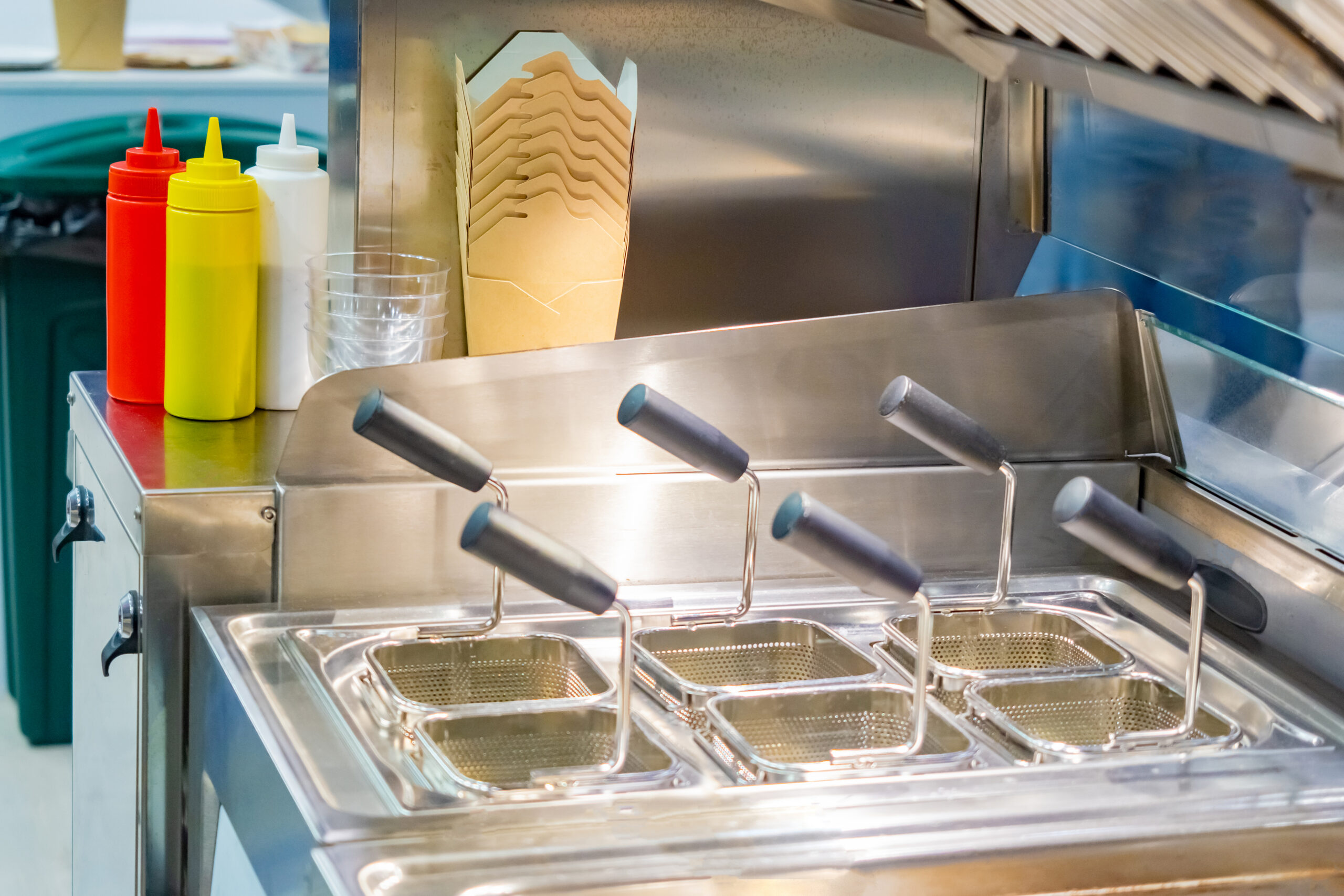
Fryer equipment often includes tools such as fryer filtration monitoring, which helps kitchens maintain oil quality and consistency without relying on manual checks.
Integrating Deep Fryers into Fine Dining Kitchens
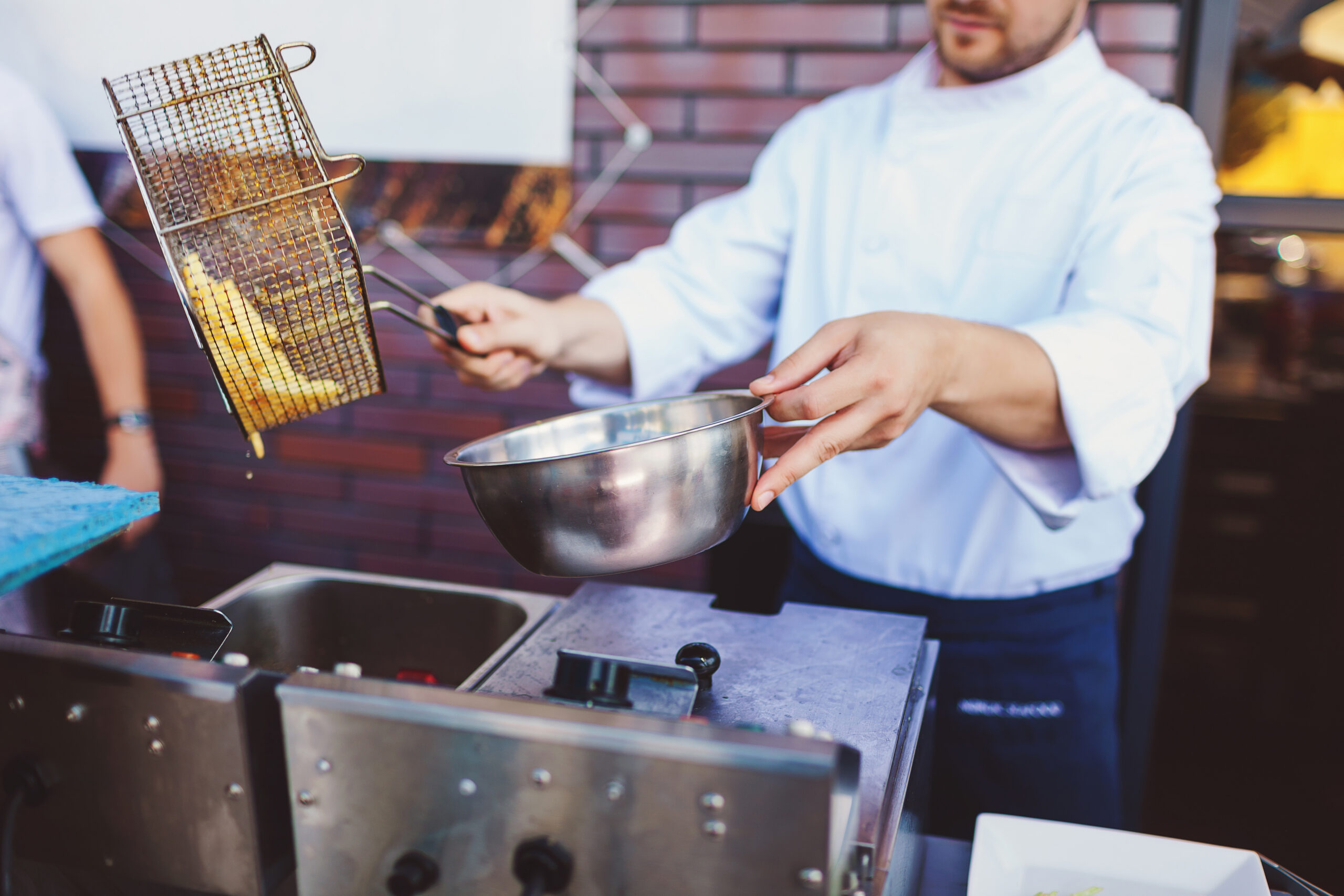
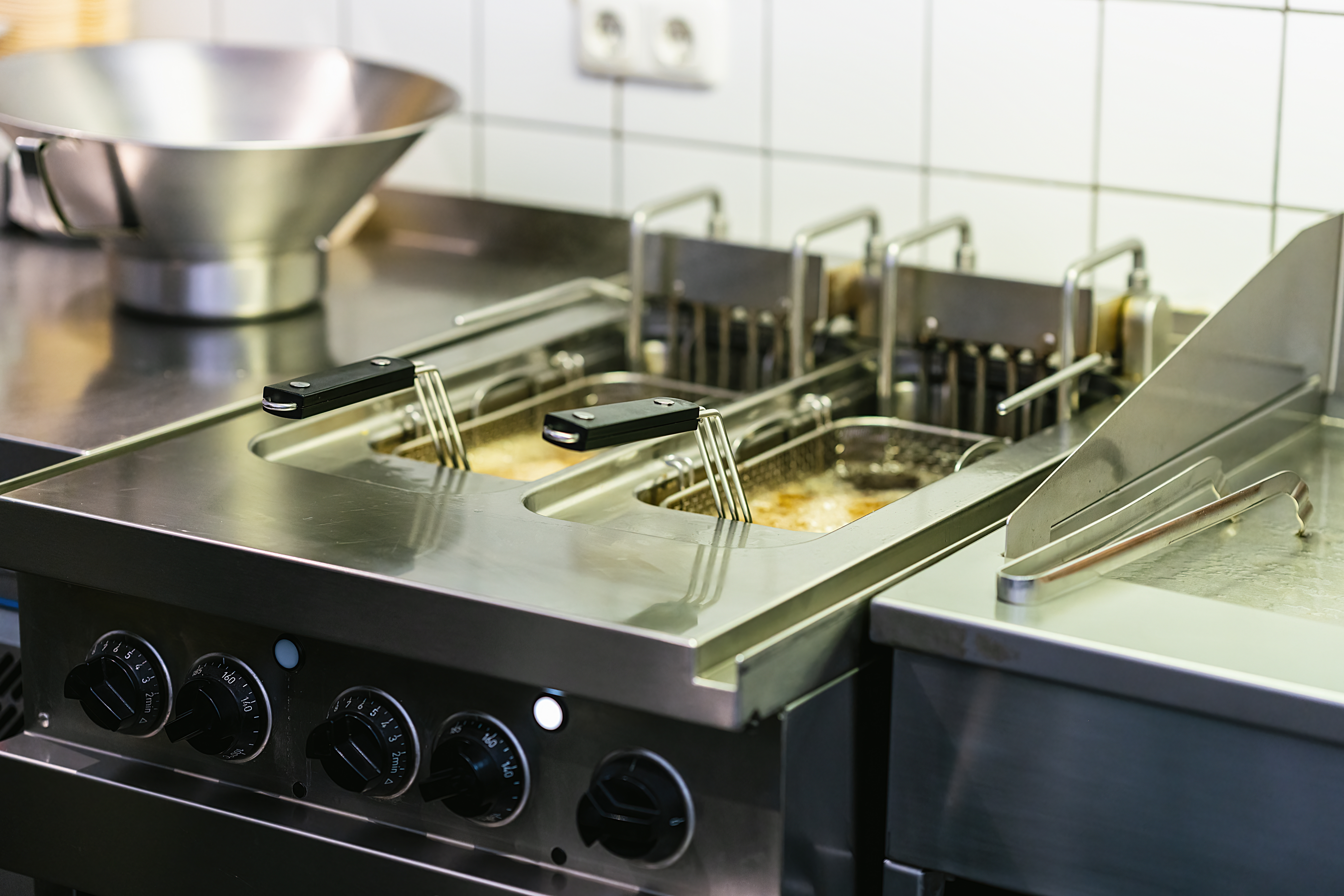
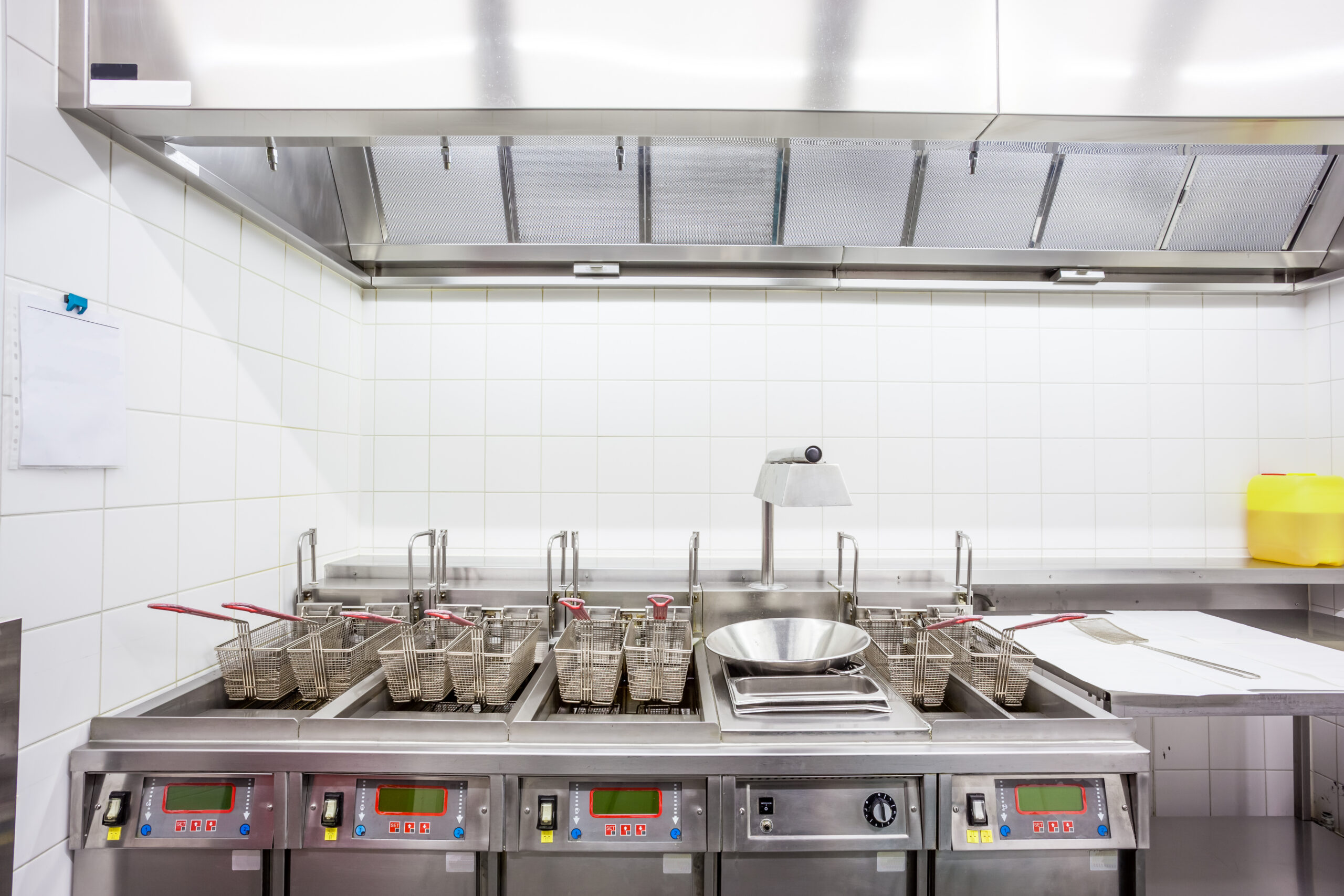
While not central to every menu, deep fryers remain an important tool in many fine dining kitchens. They are often used for garnishes, small plates, and refined preparations.
To support upscale service, operators frequently choose undercounter or space-saving fryer models paired with modern cooking oil management practices. These systems support consistent oil quality while reducing manual handling and kitchen mess.
Staffing and Workflow Considerations
Kitchen layout plays a major role in communication and coordination. Clear sightlines, defined movement paths, and logical equipment placement help reduce confusion and support smooth service.
Reliable systems, such as consistent cooking oil delivery, also reduce interruptions and allow staff to stay focused on execution during service.
A strong layout supports smaller, skilled teams, improves course timing, and reduces physical strain during long shifts.

Final Thoughts on Fine Dining Kitchen Design
A well-designed fine dining kitchen supports exceptional service, consistent quality, and strong team performance. From station layout to equipment selection, every decision should reinforce control, efficiency, and execution.
Fine dining kitchens also benefit from oil management systems provided by Restaurant Technologies, which simplify filtration and disposal while maintaining a clean, safe back-of-house. By reducing manual oil handling and improving consistency, these systems allow culinary teams to focus on delivering high-quality dishes and a refined guest experience.