
Nashville’s restaurant industry is thriving, from its legendary hot chicken joints to upscale Southern fusion eateries. With over 5,000 food establishments and counting, opening a restaurant in Tennessee’s capital requires more than just a great concept—it demands a kitchen that operates efficiently and cost-effectively.
New restaurant owners in Music City face key challenges: sourcing the right ingredients, keeping up with health and fire regulations, and ensuring long-term profitability in a competitive market. Kitchen efficiency plays a major role in success, and implementing the right oil management solutions can help entrepreneurs control costs and streamline daily operations.
This guide will walk you through the critical steps for setting up your restaurant’s kitchen operations and oil management—helping you build a profitable, compliant, and sustainable business.
Building a Strong Foundation for Your Nashville Restaurant
Whether you’re opening a BBQ joint on Broadway, a fast-casual eatery in The Gulch, or a fine-dining spot in Germantown, setting up your kitchen properly is essential. Efficiency, safety, and compliance should be top priorities for new Tennessee restaurant owners.
What New Restaurant Owners Need to Know About Kitchen Efficiency
A well-designed kitchen should:
✔ Support high-volume service without workflow bottlenecks.
✔ Comply with Tennessee health codes to pass inspections.
✔ Ensure proper oil management to maintain food quality and consistency.
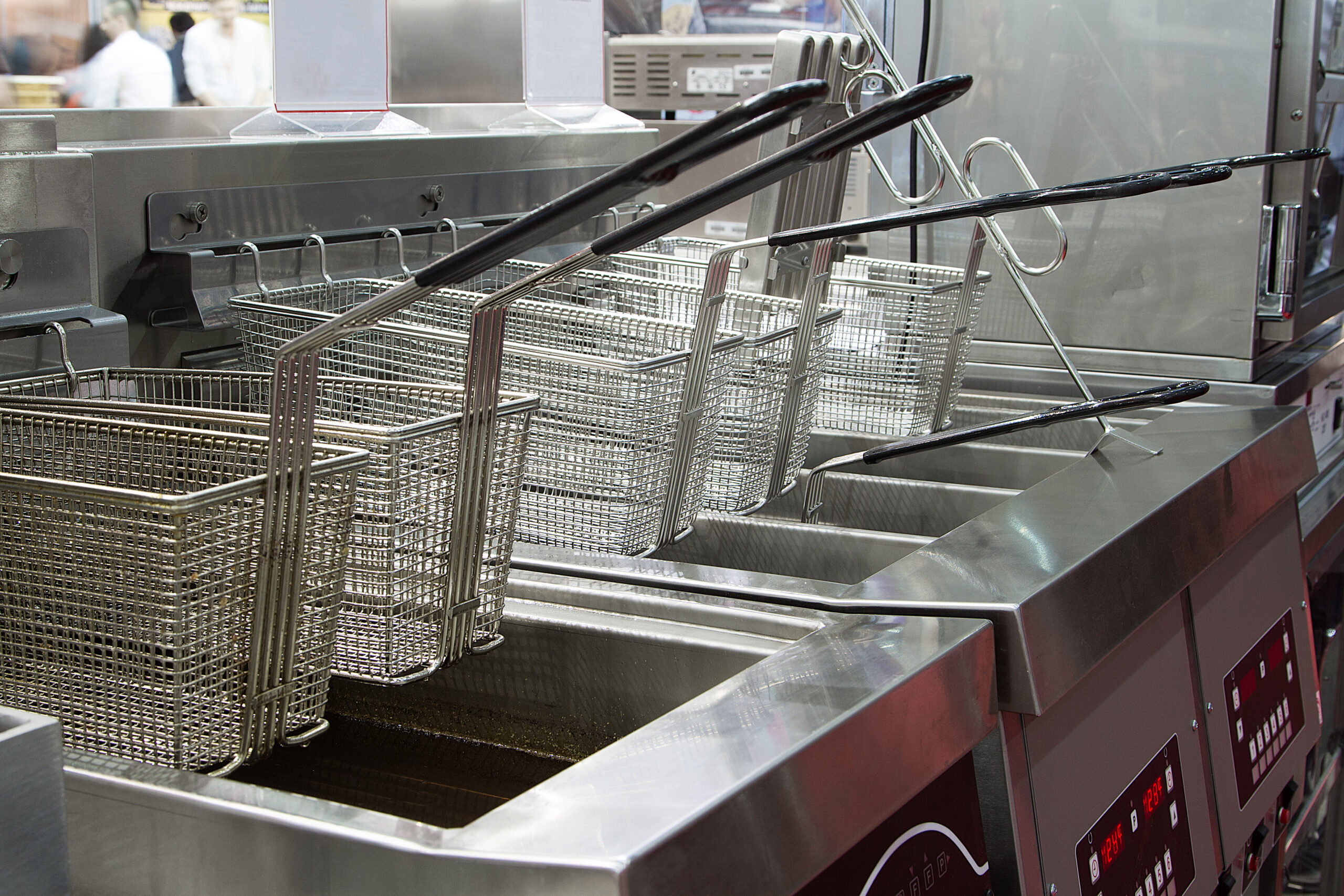
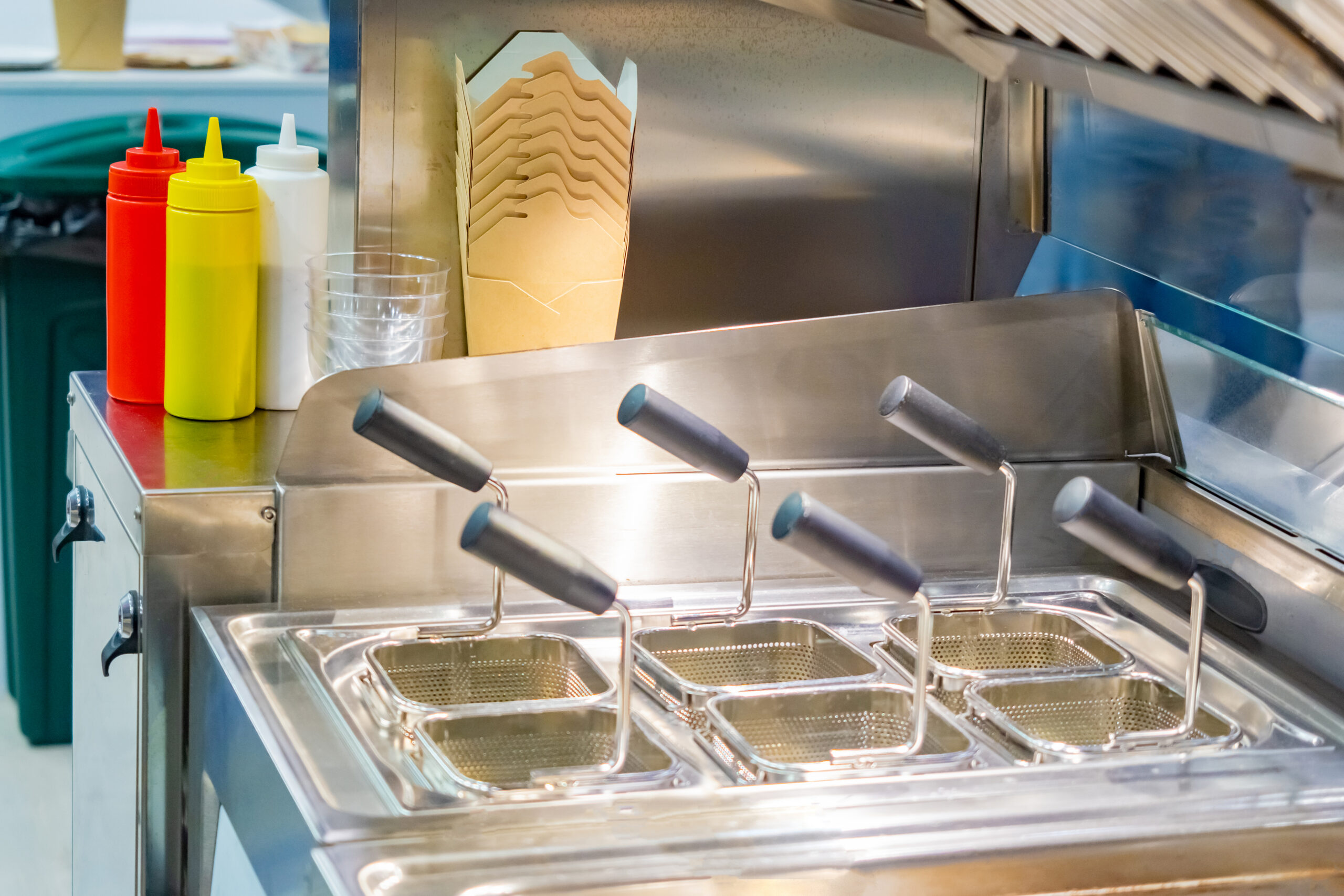
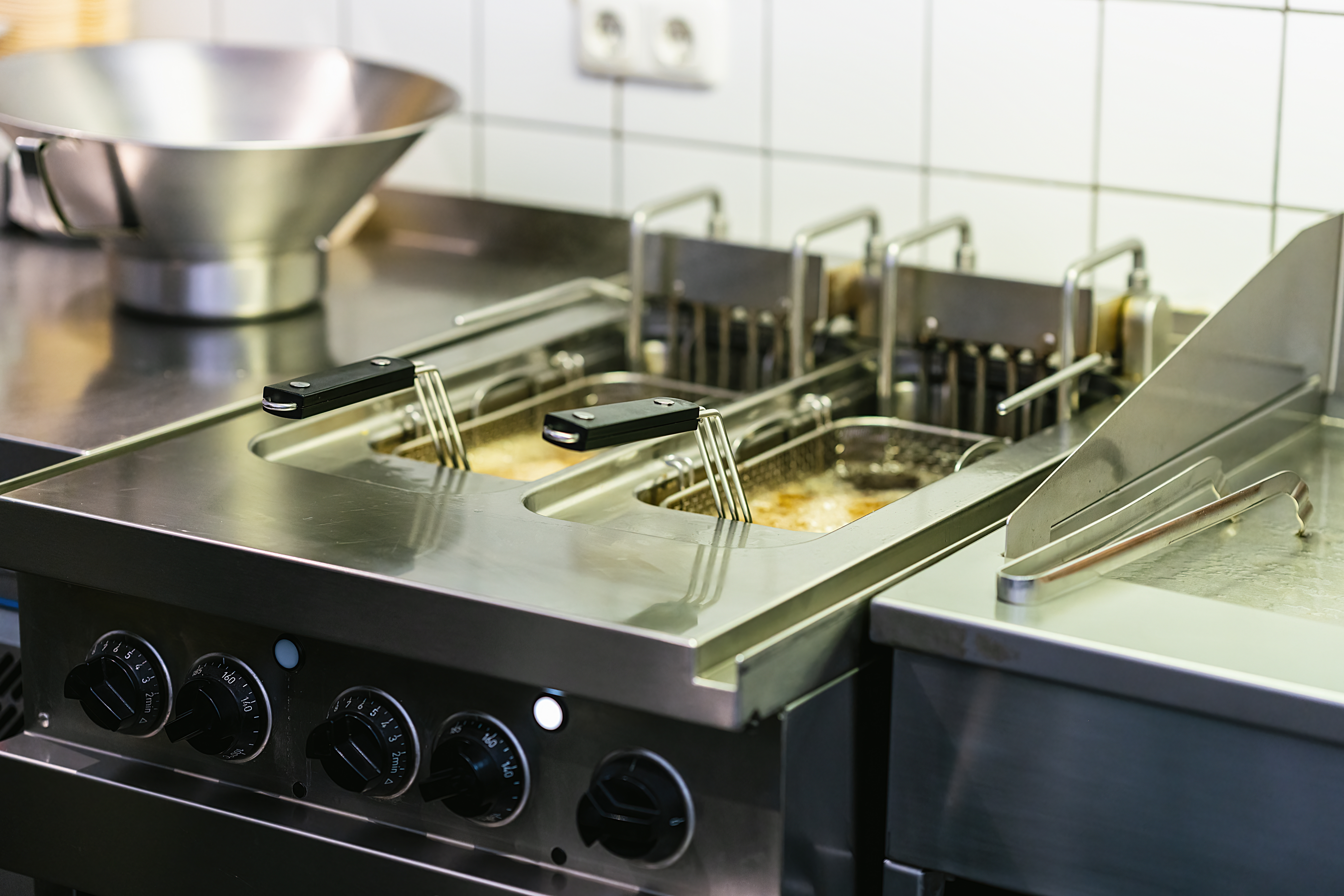
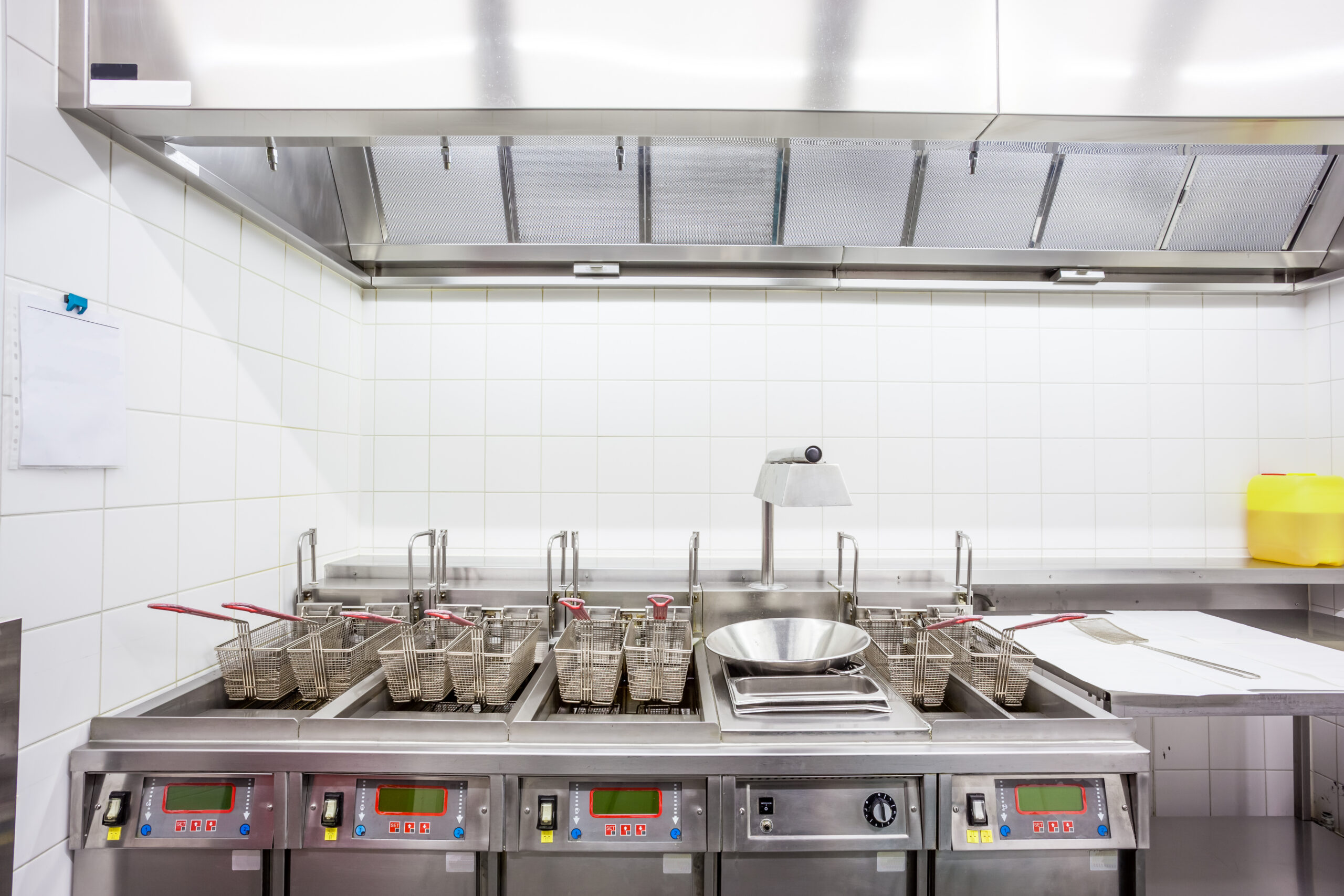
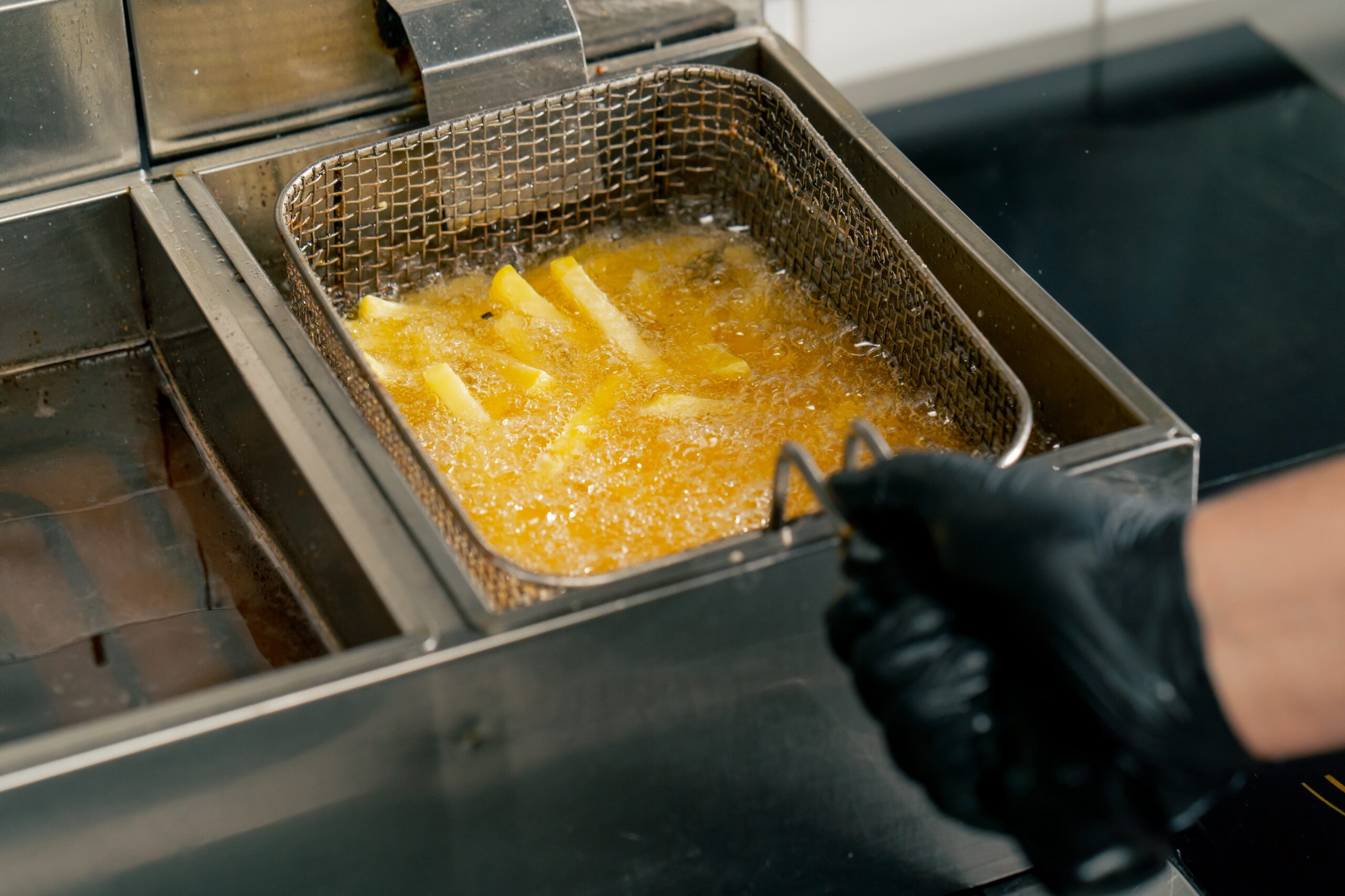
For restaurants using deep fryers, investing in automated oil management solutions can help reduce labor costs, improve food quality, and minimize fire risks.
Understanding Tennessee Restaurant Regulations That Affect Oil Management
Tennessee restaurants must follow strict health and safety guidelines set by the Tennessee Department of Health and the Tennessee Fire Marshal’s Office. Food establishments are required to maintain proper oil disposal compliance to prevent safety hazards and environmental contamination.
In Nashville, local codes may require additional inspections or stricter enforcement in high-traffic areas like Broadway or Midtown. New restaurant owners should check with the Metro Public Health Department and local fire officials to ensure full compliance before opening their doors.
Make sure to inform yourself regarding the state and local laws governing:
- Food safety inspections conducted by the Tennessee Department of Health.
- Fire code compliance.
- Proper oil disposal practices to prevent environmental contamination.
Starting with the right oil management solutions ensures that your restaurant stays compliant, safe, and efficient from day one.
Selecting the Right Cooking Oil & Managing Supply Efficiently
Choosing the right cooking oil and properly managing supply can impact food quality, costs, and kitchen efficiency.
How to Choose the Best Cooking Oil for Your Restaurant Type
Choosing the right cooking oil isn’t just about taste—it impacts costs, sustainability, and fryer maintenance. High-volume restaurants frying large batches of chicken or fries benefit from oils with high smoke points and longer lifespans, such as canola, soybean, or peanut oil. Meanwhile, fine-dining establishments focusing on flavor purity may prefer olive oil or premium vegetable blends for delicate sautéing.
To control expenses, restaurants should track oil usage and consider bulk purchasing agreements with suppliers. Partnering with a reliable oil delivery and management service ensures consistent pricing, fresh supply, and reduced waste.
The best oil depends on your menu, frying frequency, and operational needs. Consider:
- High-heat stability for frying chicken, catfish, or fries.
- Longer oil lifespan to reduce waste and cut costs.
- Flavor neutrality for items requiring a light, crisp texture.
Automating Your Oil Supply for a Safer Kitchen
Automated oil supply systems eliminate the hassle of manual oil handling, providing:
✔ Consistent oil quality, reducing flavor degradation.
✔ Safer kitchen operations, minimizing burns and spills.
✔ Time savings, freeing up staff for more important tasks.
Automated oil management ensures your kitchen runs smoothly and efficiently, with less labor and waste.
Storing Oil Safely to Reduce Waste & Improve Efficiency
Closed-loop oil storage systems help prevent contamination and improve kitchen organization. Restaurant Technologies’ oil management solutions ensure:
✔ Spill-free oil transfer for better kitchen hygiene.
✔ More efficient waste disposal, reducing costs.
✔ Safe and compliant oil handling, meeting Tennessee regulations.
The Importance of Regular Fryer Oil Filtration
Filtration extends oil life while improving food taste and texture. A proper filtration system helps:
✔ Reduce frying costs by getting more use out of each batch of oil.
✔ Improve food quality, eliminating burnt or bitter flavors.
✔ Minimize fryer maintenance, keeping equipment running efficiently.
Why Smart Oil Recycling Should Be Part of Your Business Plan
Proper oil disposal is a critical part of restaurant sustainability and compliance.
Environmental Impact of Responsible Oil Disposal
Recycling used cooking oil benefits both the environment and the economy:
✔ Prevents clogs and blockages in city sewer systems.
✔ Supports biodiesel production, reducing reliance on fossil fuels.
✔ Helps restaurants comply with Tennessee’s environmental regulations.
Cost Benefits of Recycling Used Cooking Oil
Many Nashville restaurant owners assume oil disposal is just another expense, but proper recycling can actually cut costs and generate additional savings. Partnering with an oil recycling service eliminates the need for costly waste disposal fees, reduces labor associated with manual disposal, and helps restaurants stay compliant with Tennessee’s environmental regulations.
Additionally, some oil recycling companies offer rebates for used oil, meaning restaurants can turn their waste into a small revenue stream. By adopting sustainable oil recycling practices, new restaurant owners can enhance efficiency while boosting profitability.
Recycling oil can:
✔ Lower disposal costs, eliminating waste management fees.
✔ Improve sustainability efforts, attracting eco-conscious customers.
✔ Streamline waste handling, reducing operational inefficiencies.
For hassle-free oil disposal, check out Cooking Oil Disposal in Nashville.
Why Restaurant Technologies is the Go-To Partner for Nashville Restaurants
Integrated Solutions for New Restaurant Owners
Restaurant Technologies offers end-to-end solutions for automated oil supply and filtration, as well as sustainable oil recycling.
Supporting Nashville’s Growing Restaurant Scene
With one of the fastest-growing restaurant markets in the U.S., Nashville entrepreneurs need smart, efficient solutions to stay ahead. That’s where Restaurant Technologies comes in.
Take the Next Step Toward a Smarter Kitchen Setup
Opening a restaurant in Nashville comes with challenges and opportunities, but ensuring smart oil management, fire safety, and sustainability from the start can make all the difference.
Restaurant Technologies provides end-to-end oil management solutions. Let us help you optimize your kitchen from day one—schedule a consultation today!
Sources:
Rumah Limbah. Why Restaurants Should Partner With Local Used Cooking Oil Buyers. https://rumah-limbah.com/blog/why-restaurants-should-partner-with-local-used-cooking-oil-buyers
Bon Appetit. The Best Cooking Oils For Every Occassion. https://www.bonappetit.com/test-kitchen/ingredients/article/types-of-cooking-oil?srsltid=AfmBOoqFrNegZw7B0N70dQhvuqKSF-kG4VeXY1Ww1Wd5WenJhEmMCidw
Valley View Produce. Frying Oils 101: What Oils to Choose For Your Restaurant. https://www.vvproduce.com/frying-oils-101-what-oils-to-choose-for-your-restaurant/