
Understanding Cross Contamination in Food
Cross-contamination happens when harmful allergens, or microorganisms like bacteria and viruses are unintentionally transferred from one food, surface, or tool to another. It’s one of the leading causes of foodborne illness in both home and commercial kitchens, yet it’s often misunderstood.
While many people associate cross-contamination primarily with raw meat, that’s only part of the story. Allergen cross-contact is just as dangerous—if not more—for individuals with severe allergies. Even trace amounts of nuts, gluten, dairy, or shellfish can cause serious reactions. Cross-contamination can also occur when bacterial pathogens from raw foods spread to cooked or ready-to-eat items.
For food service businesses, these risks go beyond health—they can damage your brand, lead to compliance violations, or result in legal consequences. Understanding when and how cross-contamination occurs is essential for maintaining food safety, customer trust, and operational integrity.
Most Common Ways Food Becomes Cross-Contaminated
Improper Food Handling & Preparation
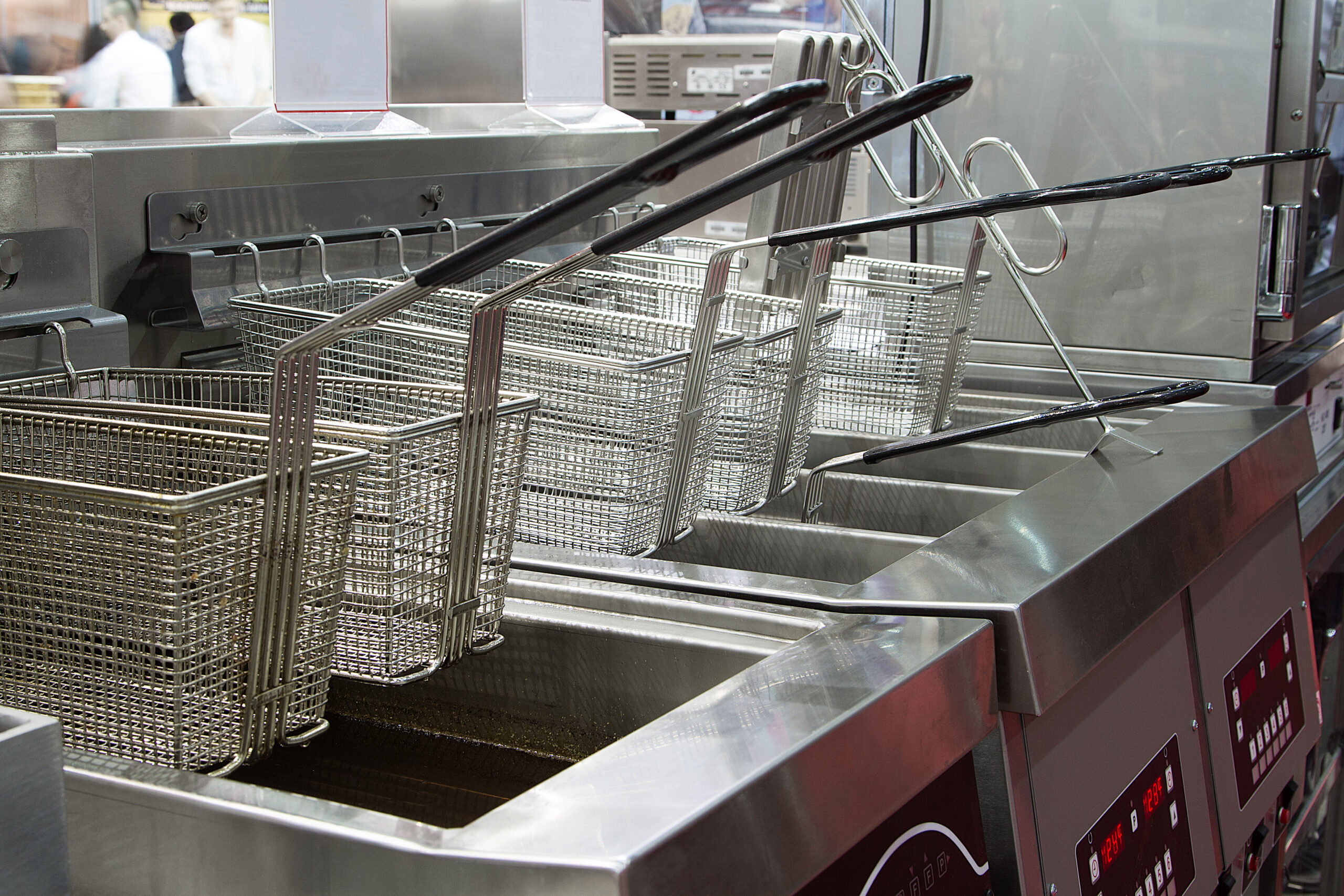
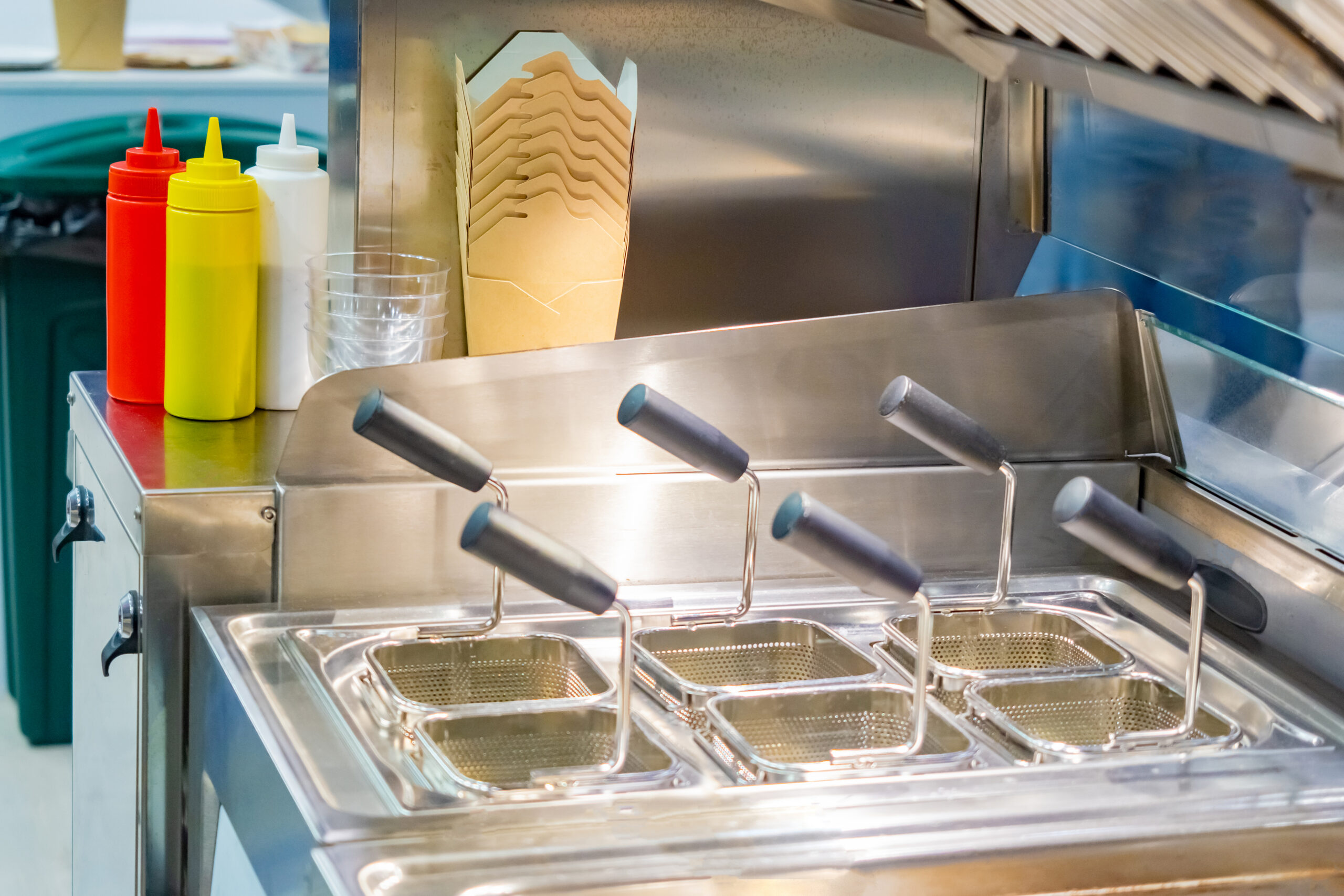
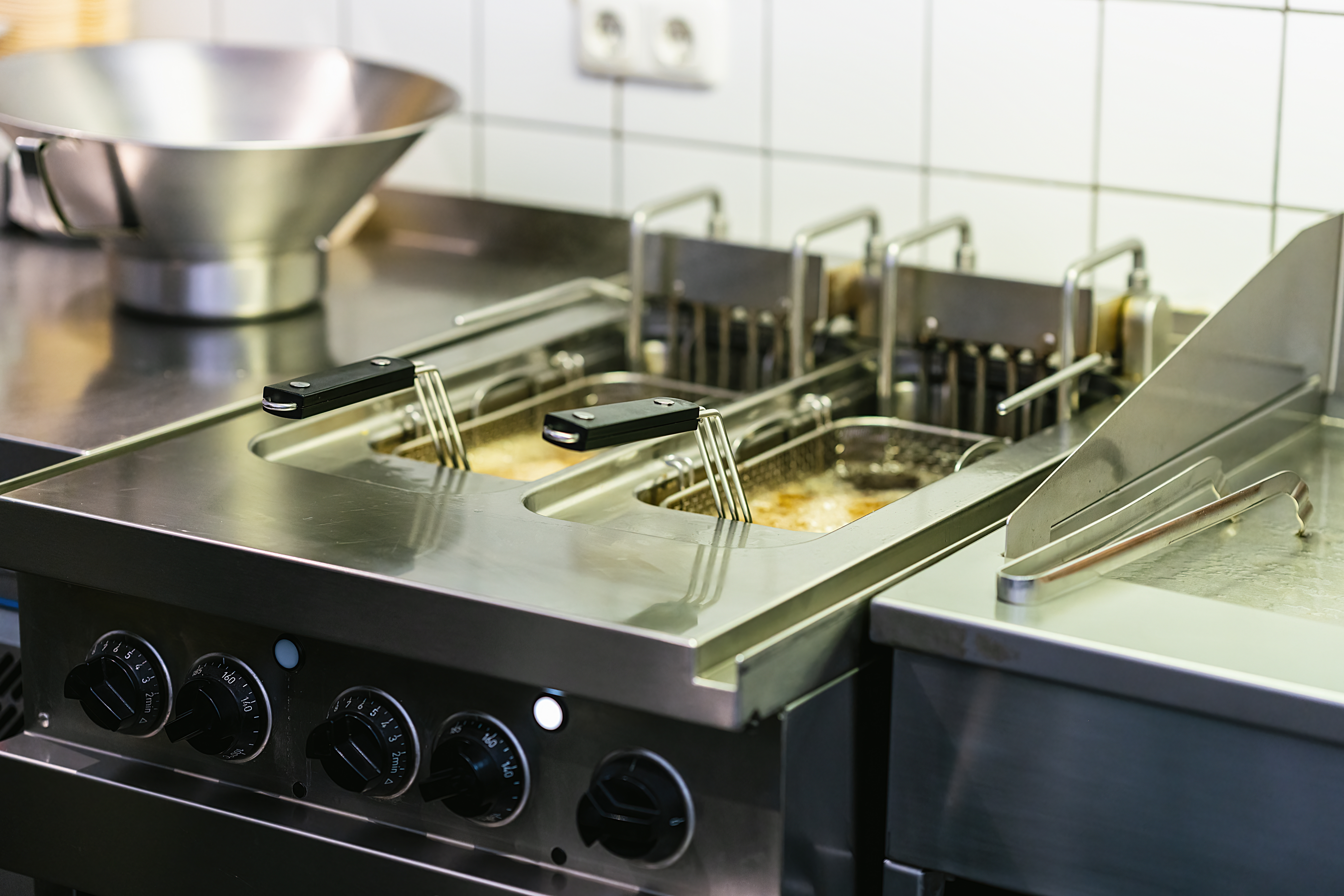
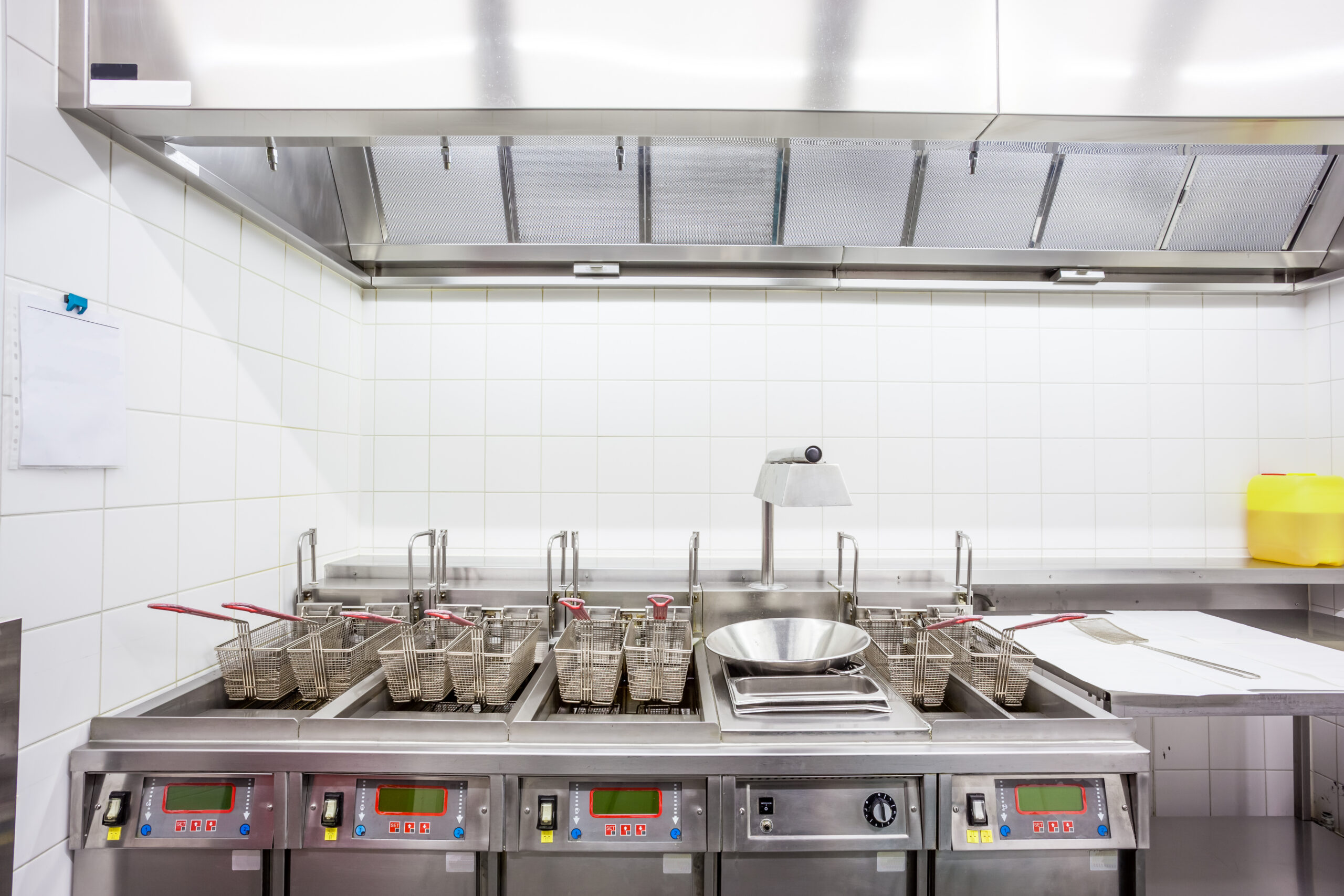
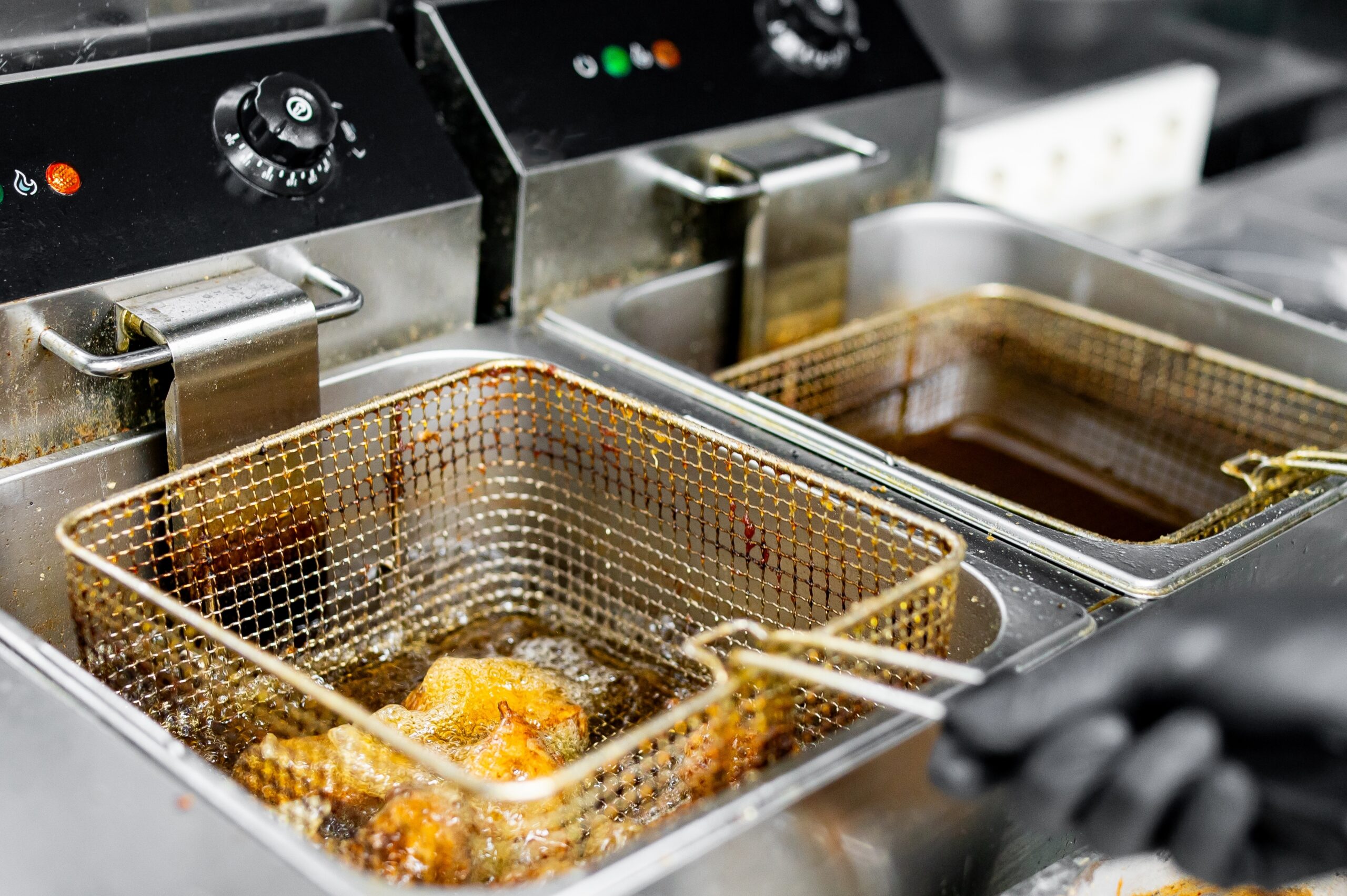
Improper handling is one of the most common causes of contamination. Raw meat, poultry, and seafood often carry bacteria like Salmonella, Listeria, and E. coli, which can easily spread during food preparation. But allergens are equally concerning. Using the same knife to slice bread and then cut a gluten-free dish, or wearing the same gloves to prep peanuts and then make a salad, can be dangerous. Cooking oil contamination can also occur when fryers are not properly filtered or when oil is reused without addressing cross-contact risks between allergen-containing and allergen-free foods.
Effective steps include:
- Wash your hands thoroughly before and after handling different foods.
- Use separate prep surfaces and utensils for raw meat, poultry, produce, and allergen-sensitive items.
- Change gloves between tasks and avoid cross-handling ingredients.
Allergen awareness is critical here. Cross-contact isn’t always visible—and it’s not just a proper practice, it’s a necessity for guest safety.
Shared Kitchen Equipment & Surfaces
Kitchen tools and equipment are often reused between tasks, which increases the risk of food contamination. Cutting boards, knives, tongs, mixers, and countertops can all harbor bacterial microorganisms or allergens if not cleaned properly.
Sanitization tips:
- Designate specific tools for high-risk ingredients or common allergens.
- Color-code utensils and cutting boards (e.g., red for raw meat, green for produce).
- Regularly sanitize prep surfaces with food-safe cleaning solutions.
Even less obvious surfaces like refrigerator handles, spice containers, and faucet knobs can harbor bacteria or allergens from unwashed hands or gloves.
Incorrect Food Storage & Transportation
Cross-contamination doesn’t just happen during prep—it can start as early as storage. Storing raw meat above fresh produce and ready-to-eat foods allows for drips and leakage, and allergens stored without labeling can be mistakenly used in sensitive dishes.
Key practices:
- Always store raw foods and ingredients below cooked or ready-to-eat items.
- Label allergen-containing foods clearly and store them in separate containers.
- Keep storage areas clean and dry, and monitor temperatures consistently.
Transportation also plays a role. Unrefrigerated delivery vehicles or improperly packed items can allow bacteria to multiply quickly, especially if allergens mix with other foods during transit.
How to Prevent Cross-Contamination in Kitchens
Preventing cross-contamination is all about attention to detail and building the right habits. For both home cooks and professional kitchens, consistency is critical.
It’s also important to distinguish between cross-contamination and cross-contact:
- Cross-contamination refers to the spread of harmful bacteria or pathogens—often from raw meats or seafood to ready-to-eat foods, clean utensils, or surfaces.
- Cross-contact, on the other hand, involves the unintentional transfer of allergens, such as nuts, dairy, or gluten. Unlike bacteria, allergens aren’t neutralized by cooking, making even small amounts dangerous for those with food allergies.
Understanding the difference is essential because the mitigation strategies are similar but not identical—and the consequences for guests with allergies can be severe.
Best practices:
- Clean and sanitize all tools and surfaces between uses.
- Never use the same utensils or equipment for different ingredients without washing.
- Separate raw foods from cooked items during every stage of food preparation and plating.
- For food businesses, offer regular training on allergen safety, cross-contact prevention, and proper food handling.
- Be proactive with labeling and storage—especially for allergen-free or gluten-free items.
- Designate separate prep areas or color-coded tools for common allergens when possible.
In commercial kitchens, a single mistake can result in a food poisoning or foodborne illness outbreak or a serious allergic reaction. A trained, attentive team is your first and best defense.
The Role of Kitchen Design in Preventing Contamination
Kitchen layout can make or break your food safety efforts. When prep stations are too close together or staff is forced to multitask in tight quarters, the chance of cross-contamination rises. An efficient design supports smooth workflows and reinforces safety habits without adding extra steps or stress.
Key layout considerations:
- Dedicate specific prep areas for high-risk foods like raw meats and allergen-free dishes. This helps isolate potential contaminants and ensures staff can work confidently without risk of cross-contact.
- Install ample handwashing stations throughout the kitchen. These should be conveniently located near food preparation areas, entrances, and restrooms to encourage frequent use.
- Use signage to remind staff of cleaning and separation protocols. Clear visual cues—like color-coded charts or posters—can reinforce daily routines and training, especially for new or rotating team members.
- Keep allergen-safe zones well-marked and separate from general prep areas. These zones should include dedicated equipment, utensils, and storage, helping ensure that allergy-sensitive meals are protected from trace contamination.
- Optimize traffic flow to reduce bottlenecks and overlap between raw foods and ready-to-eat prep. Think about how ingredients, staff, and dishes move through the kitchen from delivery to service.
An organized, spacious kitchen helps ensure that food safety protocols are followed consistently—especially during busy service. Even small design adjustments can reduce risk and make compliance feel like second nature.
Food Safety Regulations & Compliance for Businesses
Restaurants and food businesses are subject to strict health and safety regulations. These vary by location, but most require measures to prevent cross-contamination, particularly involving allergens and raw ingredients.
Examples of compliance measures:
- Detailed cleaning logs and sanitation checklists.
- Allergen training for staff handling food or interacting with customers.
- Equipment and prep area separation for allergen-sensitive meals.
Businesses in the casual/fine dining segment must be particularly vigilant, as larger menus and more complex prep can increase cross-contact risks.
Failure to meet these standards can lead to health code violations, bad reviews, and even closures. That’s why food safety compliance needs to be a built-in part of kitchen operations, not an afterthought.
Expanding the Focus: Why Allergen Cross-Contact Deserves Equal Attention
Foodborne illnesses from bacteria are well-known, but allergic reactions caused by cross-contact can be just as severe, and are on the rise. For people with allergies, consuming even trace amounts of a triggering ingredient can lead to anaphylaxis, hospitalization, or worse.
Unfortunately, cross-contact is easier to overlook. You may not notice the small amount of peanut residue on a whisk or a knife used to cut a sandwich before making a nut-free salad. But for the person eating it, that mistake can be catastrophic.
Restaurants must account for allergens the same way they do for bacteria. Here’s why:
- The FDA identifies 9 major food allergens that must be declared on packaging.
- Many diners, especially children, have multiple severe allergies.
- Cross-contact doesn’t change the appearance, smell, or taste of food.
- Legal liability for allergen mismanagement is growing.
Whether you serve allergy-prone guests regularly or not, proactive allergen management shows care—and protects your guests and your brand.
Conclusion
Cross-contamination isn’t limited to raw chicken on a cutting board. It includes the peanut oil from a reused fryer basket, the unwashed hands after grating cheese, and the invisible traces of gluten from an earlier prep.
Whether you’re managing a fine dining kitchen, a casual restaurant, or your own home stove, food safety depends on consistency. From layout to labeling to ongoing training, every small step contributes to a safer plate.
By understanding how and when cross-contamination happens—and expanding the conversation beyond just meat—you’ll be better equipped to prevent illness and protect your guests, your team, and your reputation.
Sources:
Cassell Inspection. Food Safety Compliance: 7 Best Practices for Brands. https://www.cassel-inspection.com/blog/food-safety-compliance-best-practices-for-brands#:~:text=Food%20safety%20compliance%20should%20include,record%2Dkeeping%20and%20documentation%20processes
Silestone Institute. 8 Keys to Designing and Organizing Your Kitchen to Avoid Food Infections. https://silestoneinstitute.com/en/8-keys-to-designing-and-organizing-your-kitchen-to-avoid-food-infections/#:~:text=Here%20are%20some%20other%20tips%20for%20kitchen,and%20transformation%20*%20Cooking%20area%20and%20plating
Food Allergy Research and Education. Avoiding Cross-Contact. https://www.foodallergy.org/resources/avoiding-cross-contact