
The Growing Problem of Food Waste in Restaurants
Restaurant kitchens generate a surprising amount of waste every day. Between spoilage, over-prepping, plate waste, and mistakes during service, a significant portion of food never reaches customers. This impacts more than the bottom line. It affects sustainability efforts, landfill contributions, and overall kitchen efficiency.
Food waste is expensive. Every discarded ingredient reflects money spent on purchasing, storing, prepping, and handling. When waste goes unnoticed or unmeasured, it becomes even harder for operators to understand where losses are coming from and how to fix them. That is why food waste reduction has become a top priority across the industry, with many restaurants shifting toward more sustainable and data-driven practices.
Why Reducing Food Waste Is a Business Priority
Food waste reduction is not just good for the environment. It is a smart business strategy. Less waste means lower food costs, better portion control, and more efficient ordering. It also strengthens a restaurant’s sustainability story, something customers increasingly care about.
Brands with visible sustainability initiatives often enjoy higher loyalty and more positive online reviews. Lower waste creates a more predictable kitchen. Staff know what to prep, ingredients last longer, and shifts run with fewer interruptions.
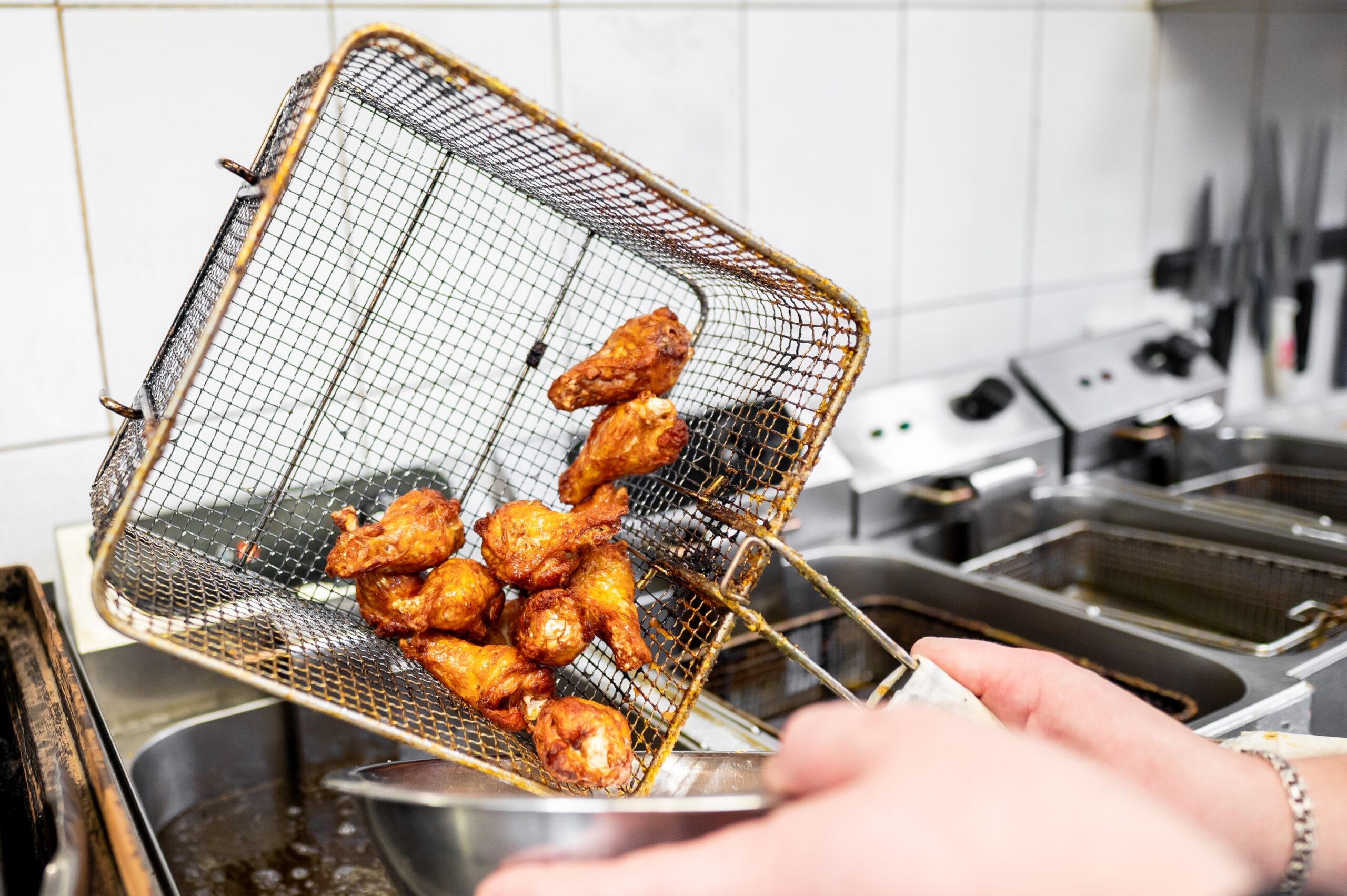
Waste efficiency also connects directly to kitchen operations. For example, better oil management reduces fryer waste and improves food consistency. Our Deep Fryer Maintenance Checklist covers how proper fryer care contributes to cleaner, safer operations and less product loss.
7 Proven Restaurant Food Waste Reduction Strategies
Here are practical, actionable strategies restaurants can implement right away:
1. Conduct a Waste Audit
A simple waste audit helps identify where losses occur. Track what is being discarded, when, and why. This establishes a baseline for your waste reduction plan.
2. Improve Portion Control
Portions that are too large lead to plate waste. Weighing proteins, using portioning tools, and standardizing recipes help maintain consistency and reduce excess.
3. Optimize Inventory Management
Use a first-in, first-out system and maintain accurate inventory records. Smart inventory tools help prevent spoilage and over-ordering.
4. Adjust Prep Levels
Prep according to demand patterns, not habit. Many kitchens tend to over-prep for safety. Instead, review sales data and adjust prep sheets weekly.
5. Reuse Leftovers Creatively
Unused ingredients can be repurposed into soups, specials, or staff meals. Clear labeling and safe storage are key.
6. Implement Composting or Recycling Programs
If food cannot be saved, composting keeps organic waste out of landfills. Some restaurants partner with local farms or waste companies to close the loop.
7. Use AI Forecasting Tools
AI-powered demand forecasting predicts traffic patterns and ingredient consumption, helping kitchens prep smarter and reduce unnecessary production. For more on how AI supports efficient kitchen operations, see our guide on Smart Restaurant Technology.

Leveraging Technology to Minimize Waste
Technology is transforming how restaurants identify and reduce waste. Smart scales and sensors can measure scraps and track which dishes generate the most plate waste. This helps chefs spot trends and adjust recipes or portion sizes.
Analytics platforms can flag items frequently thrown out because they expire before use. This helps kitchens refine ordering practices and reduce inventory costs. Digital kitchen systems also coordinate prep tasks and monitor food safety, helping prevent spoilage caused by temperature issues.
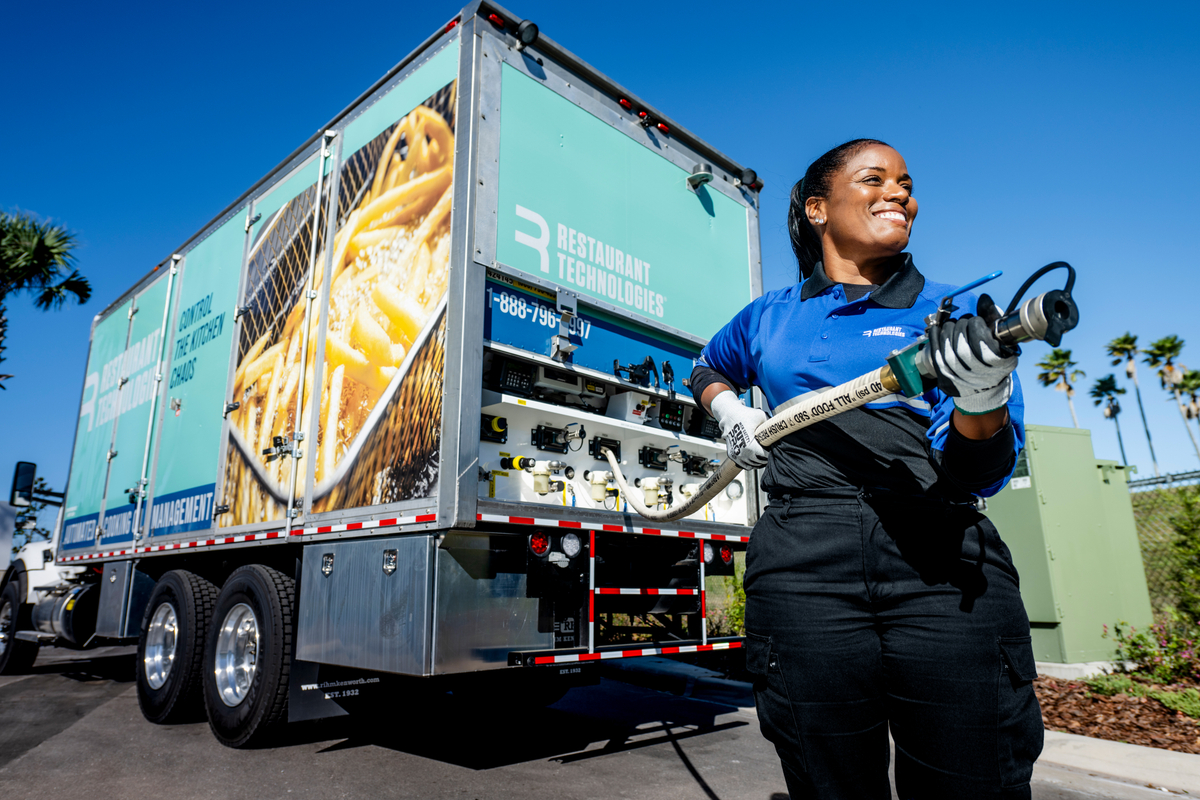
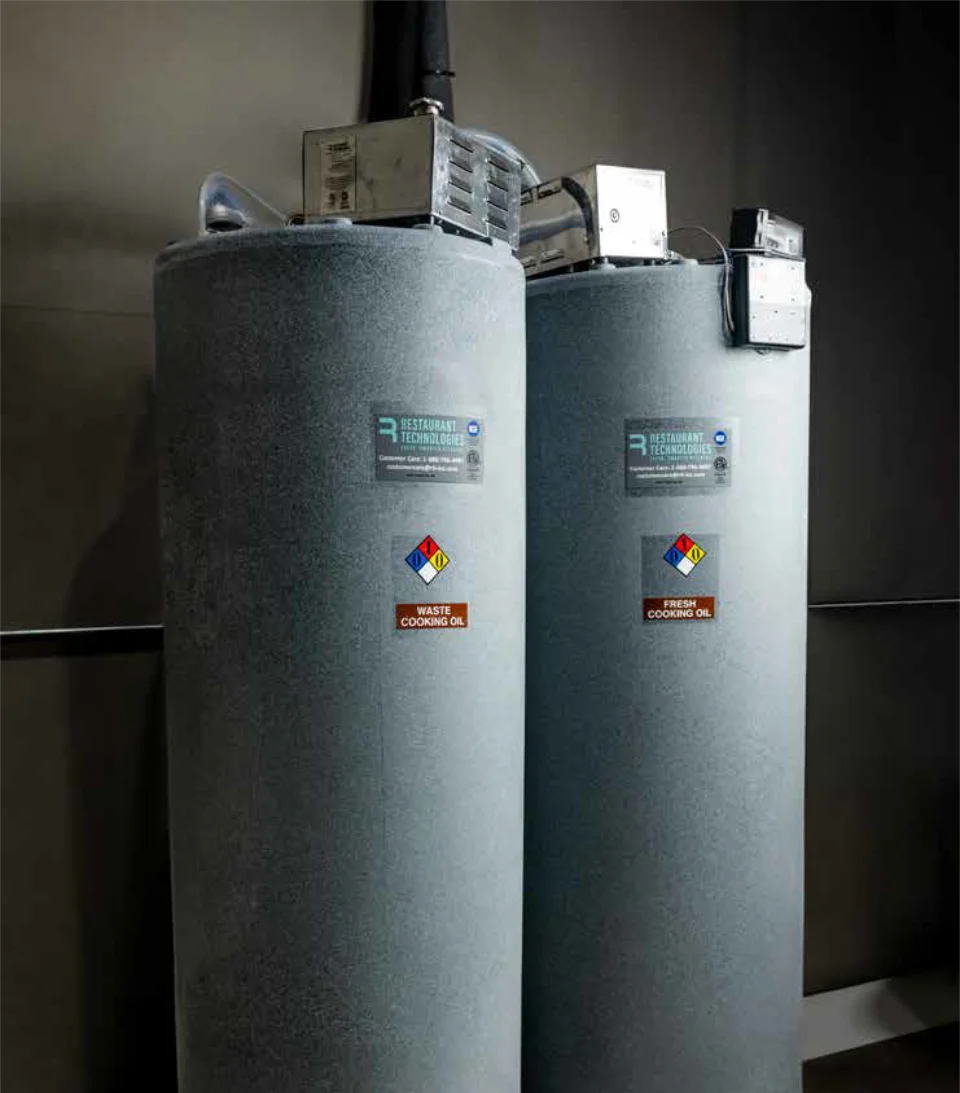
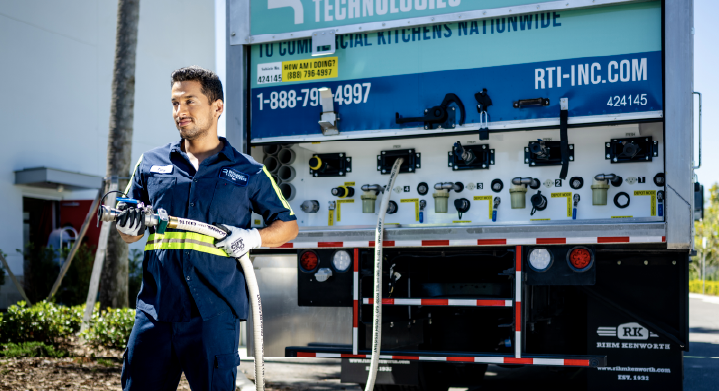
Even fryer waste is easier to manage with technology. RTI’s automated cooking oil management solution reduces oil waste, improves product quality, and simplifies handling, which lowers the risk of contamination and unnecessary disposal.
Staff Training and Culture Building
Waste reduction only works when the entire team participates. Staff should understand the cost and environmental impact of food waste, and they need clear processes for tracking it.
Create a kitchen culture that encourages sustainable habits. Examples include:
- Logging waste at every station
- Training staff on portioning tools
- Rewarding teams when waste goals are met
- Posting visible goals in the kitchen
When staff feel responsible for waste outcomes, participation naturally increases. Strong communication also reduces mistakes and helps maintain consistency during busy periods.

Measuring and Monitoring Waste Reduction
You cannot improve what you do not measure. Restaurants should track key performance indicators such as:
- Pounds of waste per shift
- Cost of waste per week
- Percentage of expired inventory
- Pre-consumer vs. post-consumer waste
Digital dashboards and waste analytics tools make these metrics easy to monitor. After establishing a baseline, restaurants can set realistic, measurable goals and adjust strategies as needed.
These monitoring efforts also support broader waste initiatives. For example, the steps outlined in our Restaurant Waste Reduction guide offer operational ways to lower waste across the entire kitchen ecosystem, not just in food preparation.
The Financial and Environmental Benefits
Reducing food waste translates directly into cost savings. Less spoilage means lower food spend, more accurate purchasing, and higher overall efficiency. Waste reduction also lightens the load on trash collection, composting services, and storage areas.
Environmentally, waste reduction reduces methane emissions from landfills and helps restaurants operate more sustainably. Many brands use these improvements in marketing and community outreach, strengthening their reputations and appealing to eco-conscious guests.
Conclusion: Partner with RTI for Sustainable Kitchen Operations
Reducing food waste is one of the most effective ways for restaurants to improve margins, streamline operations, and support sustainability goals. With consistent tracking, more innovative prep systems, and the right technology, kitchens can significantly cut waste without compromising food quality.
RTI supports these efforts through solutions that simplify maintenance, improve oil handling, and help kitchens run more efficiently. By developing strong waste-reduction strategies today, restaurants can create cleaner, greener, and more profitable operations in the future.