
Whether you’re feeding 300 students at a middle school, managing a bustling corporate dining hall, or overseeing foodservice for a hospital or government facility, cafeteria kitchens face a unique challenge: consistency at scale. The backbone of these operations is the right equipment: purpose-built tools that support high-volume output, keep staff moving efficiently, and meet strict safety and sanitation standards.
Cafeteria kitchens are typically designed for bulk preparation and repeatable service. They’re structured around set meal periods and centralized menus, which means equipment must prioritize speed, reliability, and throughput. Most cafeterias fall into three broad categories:
Institutional Cafeterias
Found in hospitals, universities, correctional facilities, and long-term care settings like nursing homes.
Institutional cafeterias are designed for durability, volume, and dietary precision. These environments serve large, often vulnerable populations across extended hours and must meet strict nutritional, safety, and operational standards.
- Meal Frequency: Typically provide 3–4 meals per day, plus snacks, with some facilities offering 24/7 service to accommodate staff, patients, or residents with nonstandard schedules.
- Dietary Complexity: Must accommodate diverse and medically necessary diets, including cardiac-friendly, diabetic, allergen-free, pureed, or texture-modified meals.
- Equipment Needs: Require high-capacity, long-duty equipment like tilt skillets, steam jacketed kettles, retherm ovens, and hot-holding cabinets that can operate continually and reliably.
- Layout and Workflow: Kitchens are structured for bulk prep, safe storage, and efficient service across multiple units or buildings. In nursing homes, equipment may support both centralized cooking and decentralized meal service (e.g., meal carts to individual floors).
- Regulatory Compliance: Held to rigorous sanitation standards and health codes, with regular inspections and documentation requirements. Nursing homes also follow Centers for Medicare & Medicaid Services (CMS) dietary regulations and individualized care plans.
Corporate & Workplace Cafeterias
Common in tech campuses, office towers, and manufacturing sites.
Corporate dining programs often blur the line between cafeteria and restaurant, particularly in white-collar environments where food is a key employee benefit.
- Meal Focus: Usually limited to breakfast and lunch with occasional pop-up dinners or catered events. Peak traffic tends to be predictable and tied to shift schedules or meeting blocks.
- Service Style: May include build-your-own stations (grain bowls, salads, stir-fry), grab-and-go fridges, barista bars, or even made-to-order options. Presentation and variety are prioritized.
- Equipment Needs: Still high-volume, but with a greater emphasis on flexibility (e.g., combi ovens, induction cooktops, and made-to-order stations).
- Design Aesthetics: Front-of-house often mirrors a modern restaurant environment, with open kitchens, café seating, and digital menu boards.
- Safety and Efficiency: In industrial workplaces, cafeterias emphasize speed, clear signage, and safe throughput for workers in uniforms or Personal Protective Equipment (PPE).
School Cafeterias
Designed for public and private K–12 institutions, and often constrained by strict budgets and federal nutrition guidelines.
School cafeterias are engineered for rapid, reliable service, feeding hundreds of students within short lunch periods, often with minimal staffing.
- Batch Cooking: Meals are prepared in large quantities and portioned with consistency. Menus are built around core USDA meal components: grain, protein, vegetable, fruit, and dairy.
- Regulations: Must meet National School Lunch Program (NSLP) requirements, which dictate calorie ranges, sodium limits, and portion sizes by age group.
- Equipment Needs: Emphasize affordability and durability, with double-stacked ovens, steam tables, and hot-holding cabinets being standard. Some schools use central commissary kitchens for efficiency.
- Workflow Simplicity: Lines are designed for quick movement and self-service where possible. Tray dispensers, milk coolers, and point-of-sale systems (with subsidy tracking) are essential.
- Budget Constraints: Equipment purchasing and maintenance must fit within tight capital allocations, often relying on grants or bond funding for upgrades.
No matter the setting, a reliable cafeteria equipment list is critical for staying compliant, reducing waste, and meeting meal quotas without service delays.
Cooking and Serving Equipment for Large Groups
Cooking in a cafeteria is all about volume. Meals are often prepared in advance, held at the appropriate temperature, and portioned out on a service line. Here’s a look at the heavy-hitters that make it happen:
Key Cooking Equipment:
- Convection Ovens: Even, high-capacity baking for everything from casseroles to sheet-pan meals.
- Tilt Skillets: Great for sautéing, simmering, or shallow frying large quantities with safe tilt-out mechanisms for easy transfer.
- Steam Jacketed Kettles: Ideal for soups, sauces, and hot cereals. Large capacities with quick heating and safe mixing.
- Combi Ovens: Combine convection and steam for flexible menu items and consistent yields.
- Hot Holding Cabinets: Keep bulk items at food-safe temperatures between prep and plating.
Serving Line Essentials:
- Steam Tables and Hot Wells: Used to hold proteins, starches, and vegetables at the right temperature for service.
- Cold Pans and Salad Bars: Keep fresh fruit, salads, or grab-and-go items chilled during service windows.
- Tray Slides and Tray Dispensers: Streamline the front-of-house workflow for high-volume self-service operations.
For cafeterias that operate with fast-paced service models and high-volume fried items, our Fast Food Kitchen Equipment List offers relevant insights into fry line setups designed for speed, consistency, and oil efficiency.
Prep, Storage, and Refrigeration Solutions
Cafeterias require a balance of cold and dry storage, plus prep space that supports batch assembly. Efficient prep and storage systems help minimize food waste, prevent cross-contamination, and maintain safe temperatures from the moment ingredients are received through to final service.
Refrigeration and Storage Must-Haves:
- Walk-in Coolers & Freezers: For large-volume ingredient storage and receiving.
- Reach-In Refrigerators: Strategically placed near prep stations for convenience and reduced back-and-forth.
- Dry Storage Racks: Wire or polymer shelving that supports shelf-stable ingredients and bulk goods.
- Labeling Systems: Essential for food rotation, expiration tracking, and prep-to-hold monitoring.
Prep Equipment:
- Refrigerated Prep Tables: Integrate cold storage with cutting boards and ingredient wells for sandwich and salad assembly.
- Vegetable Slicers and Food Processors: Cut down manual prep time on high-volume ingredients.
- Worktables with Undershelves: Combine workspace with added storage for utensils, cutting boards, and trays.
High-volume kitchens like hotel and resort cafeterias often adapt their prep and storage areas to accommodate diverse menus. See how this plays out in back-of-house planning in our Hotel Kitchen Equipment List.
Dishwashing, Cleaning, and Safety Equipment
Sanitation isn’t just a box to check—it’s the foundation of cafeteria foodservice. Serving hundreds or thousands of meals a day means staff need robust dishwashing systems and dedicated zones for safe cleaning.
Key Equipment:
- Conveyor Dish Machines: Handle racks of trays, plates, and utensils quickly and efficiently.
- Three-Compartment Sinks: Required in most commercial kitchens for manual washing, rinsing, and sanitizing of prep tools and cookware, especially when commercial dishwashers aren’t in use or available.
- Handwashing Sinks: Required in all prep, service, and dish areas to meet food safety codes.
- Disposers and Waste Chutes: Speed up cleanup and reduce trash overflow.
- Air Curtains and Bug Screens: Help maintain hygiene at delivery and receiving points.
Beyond cleaning tools, safety signage, PPE, and temperature monitoring systems support compliance with local and federal health departments.
Operations managers responsible for multi-station cafeterias may benefit from the planning strategies covered in our Commercial Kitchen Equipment List, which explores kitchen setup from a regulatory and performance perspective.
Deep Fryers and Bulk Oil Handling Systems
Fried items are a cafeteria staple, from chicken nuggets and French fries in school kitchens to tempura vegetables and mozzarella sticks in corporate dining rooms. But with high fryer volume comes serious risk, including hot oil burns and compromised food quality from overused oil.
That’s where automated oil management systems can make a difference. Instead of manually transporting, filtering, and disposing of fryer oil, cafeterias can implement built-in systems that do the work behind the scenes.
Benefits of Automated Oil Systems:
- On-Demand Fresh Oil Delivery: No more heavy jugs or risk of spills.
- Built-In Filtration: Extends oil life and improves food taste and consistency.
- Closed-Loop Waste Collection: Automatically removes used oil into sealed storage tanks, minimizing labor and injury risk.
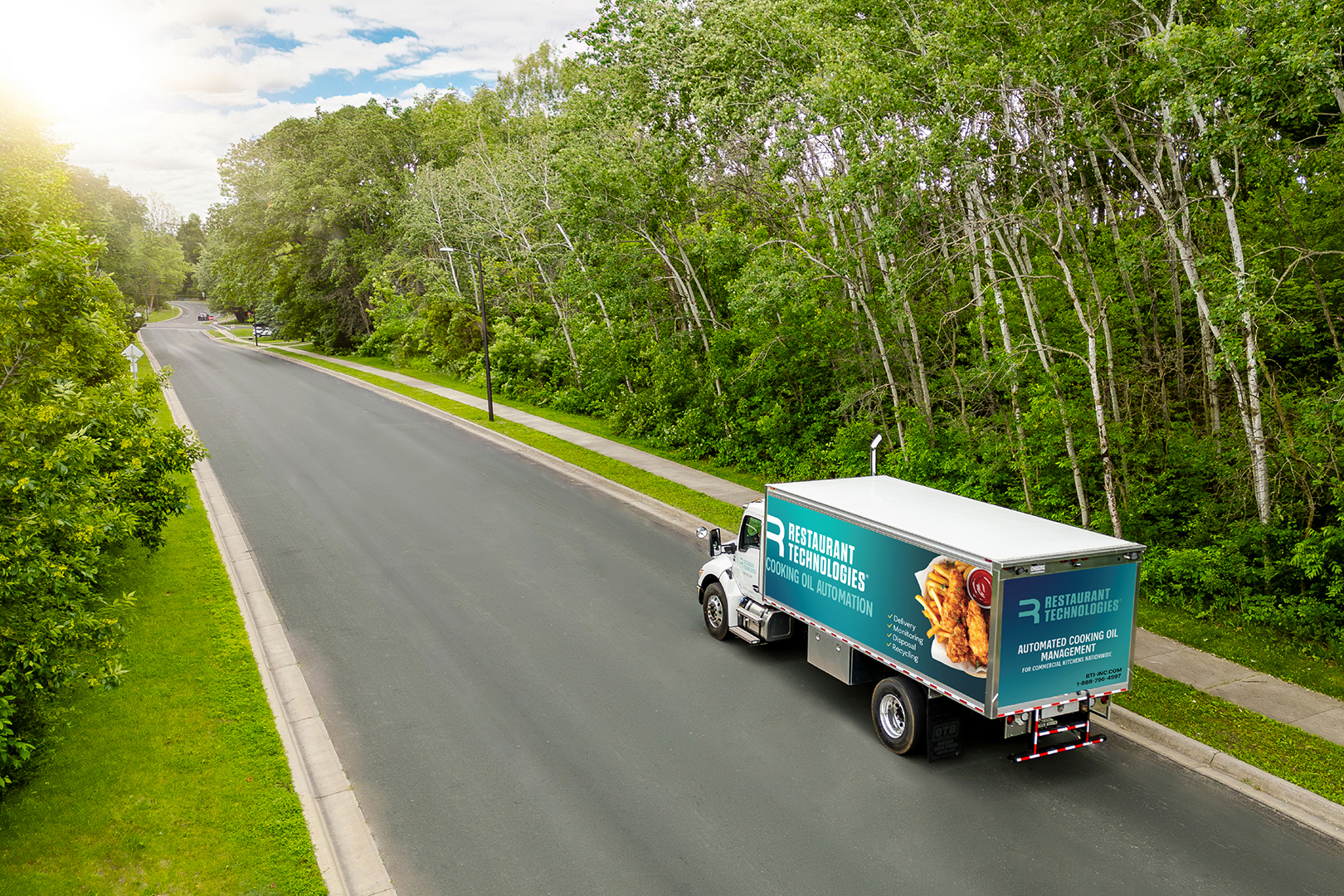
Restaurant Technologies’ Automated Cooking Oil Management solutions are used across school districts, government facilities, and corporate campuses. These systems reduce labor, improve safety, and help ensure consistent fryer performance day after day.
Conclusion: Scalable Cafeteria Solutions with Restaurant Technologies
Managing a cafeteria kitchen requires more than a checklist—it demands systems that scale, equipment that performs, and strategies that improve both food quality and staff efficiency.
RTI supports cafeteria operators by providing integrated fryer oil solutions that:
- Automate filtration, delivery, and disposal
- Reduce burn risk and manual labor
- Extend oil life and save on cost
- Help meet food safety standards with less guesswork
Whether you’re planning a new cafeteria buildout or upgrading a legacy kitchen, the right tools make a measurable difference. From bulk cooking equipment to automated oil systems, having a reliable cafeteria equipment list sets the foundation for consistent service, better food quality, and a safer working environment.
Frequently Asked Questions: Cafeteria Equipment Planning
What is the average budget for outfitting a school cafeteria kitchen?
Budgets vary widely based on student population and meal program scope. However, many districts allocate $250,000 to $500,000 for full kitchen equipment installations, especially when adding automated systems.
Can cafeterias share cooking equipment across multiple sites?
Some central kitchens serve multiple schools or buildings and rely on delivery systems. In that case, bulk cooking is done in one facility, while satellite kitchens focus on holding, reheating, and service.
What regulations affect cafeteria kitchens most?
Food safety codes (local and federal), ADA accessibility, and fire suppression guidelines are key. For schools, USDA meal pattern standards also influence kitchen design and equipment needs.
How long does cafeteria equipment typically last?
High-quality commercial-grade equipment can last 10–15 years with proper maintenance. By tracking equipment performance and performing preventive maintenance, you can help extend the lifespan of your investment and plan timely upgrades.
What’s the best way to manage cooking oil in cafeterias?
For kitchens using fryers regularly, a closed-loop oil management system like Restaurant Technologies’ solution offers the safest, most efficient way to handle fresh oil delivery and waste oil disposal.