

The Role of AI in Restaurant Customer Service
In restaurants, excellent customer service is everything. It builds loyalty, increases word-of-mouth referrals, and often determines whether a guest comes back. But with smaller staffs, higher costs, and tighter turnaround times, maintaining consistently high service can be challenging.
That’s where Artificial Intelligence (AI) is stepping in. Rather than replacing people, AI enhances how restaurants deliver service, from faster response times to more personalized guest experiences. Smart systems can handle repetitive interactions, analyze customer preferences, and even help staff anticipate needs before they arise.
According to a recent Deloitte survey, nearly eight in ten restaurant leaders plan to increase their AI investments in the coming year. Most cite better guest experiences, smoother operations, and stronger loyalty programs as top priorities. This trend shows that AI isn’t just a passing innovation; it’s becoming central to how restaurants deliver modern hospitality.
Instead of being “tech for tech’s sake,” AI in customer service works quietly in the background to make every step smoother, from placing an order to paying the bill.
Personalization with AI-Powered Tools
One of AI’s most significant contributions to hospitality is personalization. Restaurants are using intelligent systems to recognize returning guests, remember preferences, and tailor menu recommendations.
AI-powered loyalty programs track dining habits and suggest specials that align with each guest’s taste. For example, if a guest regularly orders plant-based meals, the system can promote new vegetarian dishes or relevant discounts. Similarly, digital menus and mobile apps can use past order history to make smart suggestions, turning a routine visit into something that feels personally curated. These insights don’t just make guests feel valued; they also strengthen loyalty and encourage repeat visits.
This kind of personalization is one way AI in the restaurant industry is transforming the guest experience overall, as explored in our broader guide on AI in Restaurant Industry.
Chatbots and Virtual Assistants
AI chatbots and virtual assistants are quickly becoming restaurant staples. These systems manage online reservations, respond to FAQs, and handle simple service tasks, such as providing wait times and menu details.
Guests no longer have to call during busy hours; they can message the restaurant through a website or app and receive instant, accurate answers. This not only speeds up communication but also gives staff more time to focus on guests who are dining in.
Many restaurants also use AI-driven messaging to confirm reservations, follow up after visits, or share promotions. It’s an easy way to maintain consistent engagement without overwhelming front-of-house staff.
When implemented correctly, these virtual assistants enhance hospitality rather than replace it, ensuring every customer feels heard, even when human staff are occupied.
Voice Ordering and Contactless Experiences
AI is also making ordering faster and more flexible. Voice recognition technology now allows guests to place drive-thru or in-store orders simply by speaking, while AI assistants accurately interpret the request.
In dining rooms, contactless solutions powered by AI streamline table service. Mobile apps let guests order and pay without waiting for a server, reducing bottlenecks during peak hours.
For restaurants with delivery or takeout, AI-driven systems can route orders efficiently and notify customers of accurate delivery times. These innovations improve both speed and accuracy, which are key ingredients for guest satisfaction.
Paired with traditional operational technologies such as automated cooking oil management, AI supports smoother workflows, ensuring food arrives faster and remains consistently fresh.
AI in Customer Feedback and Insights
Knowing what guests think and acting on their feedback is essential for improving service. AI helps by analyzing customer preferences in real time.
Sentiment analysis tools review survey responses, online reviews, and social media comments to spot recurring trends. Instead of manually sifting through dozens of reviews, managers can instantly see what guests love (and what they don’t).
For example, if AI detects that multiple reviews mention slow service during lunch hours, managers can adjust staffing or kitchen prep schedules accordingly. These insights make it easier to identify pain points and create solutions before they affect future guests.

Case Studies: AI-Driven Customer Service in Action
Across the industry, restaurants are already seeing tangible benefits from AI-powered customer service.
Some quick-service chains use predictive ordering systems that remember regular customers and pre-populate favorite items before they even start an order. Casual dining brands are integrating AI-driven kiosks that learn popular combinations and adjust menu layouts to highlight best-sellers.
In full-service restaurants, AI-powered reservation platforms help balance seating flow, ensuring that guests are greeted promptly and tables turn efficiently without making anyone feel rushed.
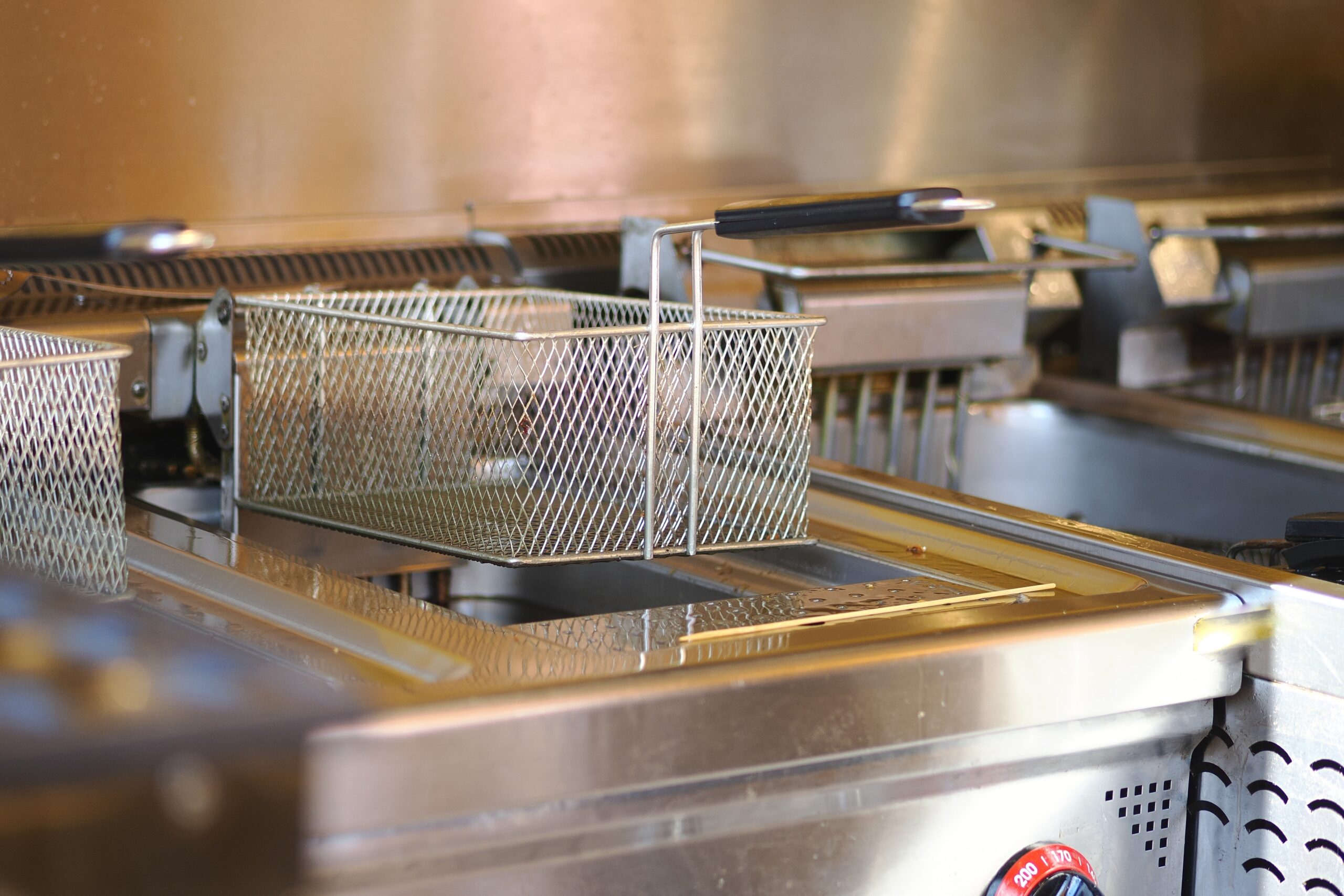
Even behind the scenes, AI supports cleaner, safer kitchens. Systems like smart fryers or predictive oil monitors help ensure consistent food quality, another critical factor in how customers experience service. (For a closer look at how this works, see our post on AI Solutions for Restaurant Kitchen Efficiency.)
Conclusion: Elevating the Guest Experience with AI
AI is helping restaurants deliver what every guest values most: attention, speed, and consistency. By automating repetitive tasks and providing useful insights, AI gives staff the freedom to focus on hospitality.
From personalized menus to responsive chatbots and voice-enabled ordering, these tools strengthen the connection between staff and guests. They make dining smoother, more enjoyable, and more personal; the hallmarks of truly great customer service.Restaurant Technologies supports restaurants as they integrate automation into daily operations. From intelligent scheduling and data insights to automated cooking oil management, RTI helps kitchens run cleaner, safer, and more efficiently — so staff can spend more time creating exceptional guest experiences.
Sources:
Deloitte Insights. How AI is Revolutionizing Restaurants. https://www.deloitte.com/us/en/insights/industry/retail-distribution/ai-in-restaurants.html
Agilysys. How AI is Revolutionizing Hospitality Operations. https://www.agilysys.com/en/how-ai-is-revolutionizing-hospitality-operations/