

What Is a Cooking Oil Smoke Point?
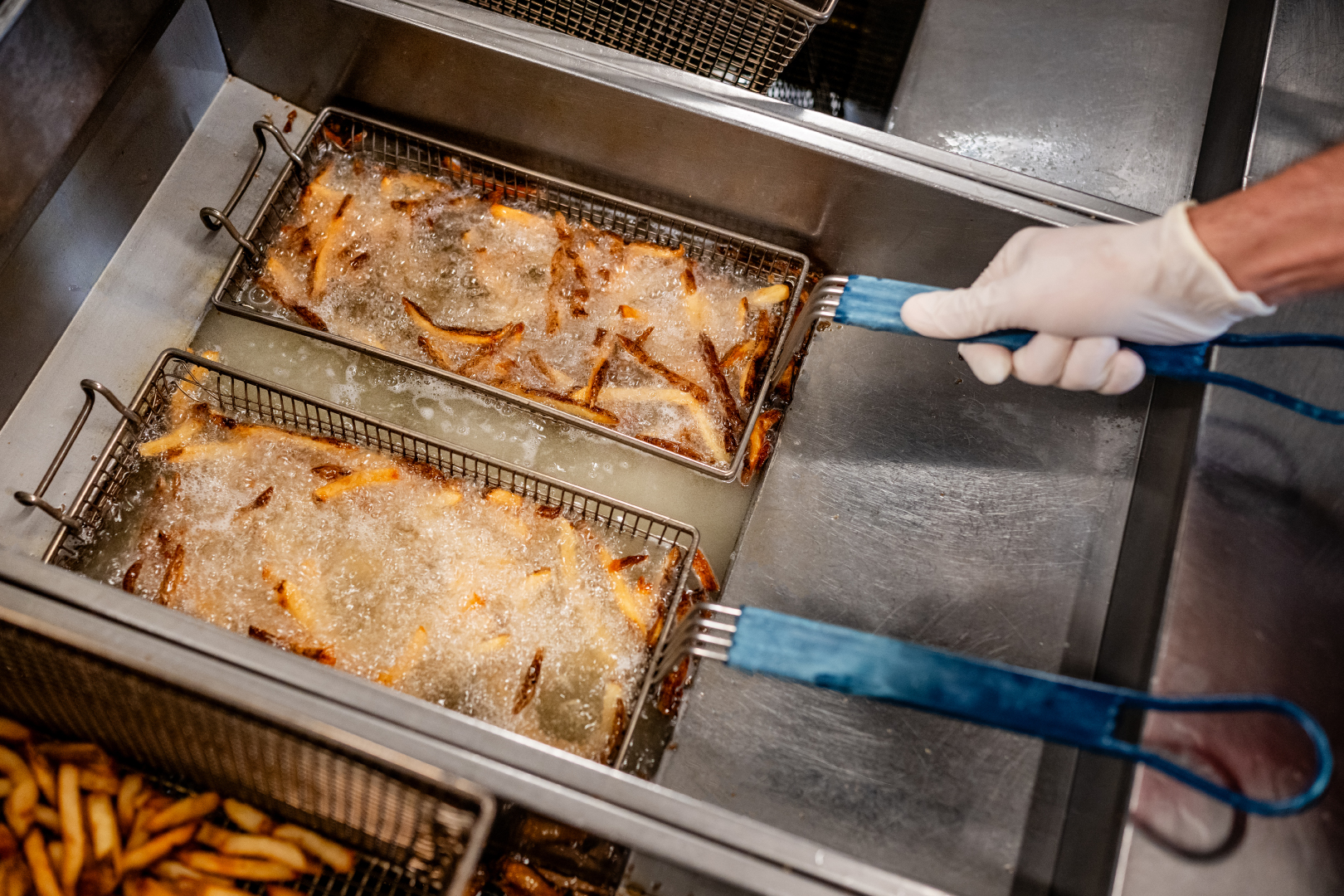
The smoke point of cooking oil is the temperature at which it starts to break down and produce visible smoke. At this point, the oil’s fats begin to degrade, releasing free radicals and acrolein, a compound that gives burnt oil its sharp, unpleasant flavor.
Understanding the smoke point is essential for anyone who wants to cook safely and preserve the nutritional value of food. Using the wrong cooking oil at high temperatures can result in bitter flavors, unwanted toxins, and a smoky kitchen. The right oil not only enhances taste, but it also ensures your cooking process remains safe and efficient.
Comparing the Smoke Points of Different Cooking Oils
Knowing the smoke point of various oils helps match the right one to your cooking method. Here’s how they compare:
High Smoke Point Oils for Frying & Searing
These oils are best for high-temperature techniques like deep frying, stir-frying, and searing:
- Avocado Oil – Smoke point: ~520°F (271°C)
A favorite for high-heat cooking, it retains nutrients and has a neutral flavor. - Peanut Oil – Smoke point: ~450°F (232°C)
Common in commercial frying, peanut oil adds a slight nuttiness and handles extended heat well. - Canola Oil – Smoke point: ~400°F (204°C)
A budget-friendly option, ideal for deep frying thanks to its mild taste and heat tolerance. - Tallow – Smoke point: ~400°F (204°C)
A traditional animal fat with a rich, beefy flavor, tallow excels in deep frying and offers impressive heat stability.
These oils resist breaking down under intense heat, making them ideal for restaurant fryers or home searing pans.
Medium Smoke Point Oils for Sautéing & Roasting
Medium-range oils work well for everyday cooking:
- Olive Oil (Refined) – Smoke point: ~465°F (240°C)
Great for roasting and sautéing, refined olive oil performs better than extra virgin olive oil at high heat. - Sesame Oil – Smoke point: ~410°F (210°C)
Adds distinctive flavor, often used in Asian-style stir-fries or marinades. - Vegetable Oil (blends) – Smoke point: ~400°F (204°C)
A common blend that performs reliably at moderate to high heat.
Use these refined oils when you’re pan-cooking vegetables, roasting meats, or preparing sauces that require steady heat without smoking.
Low Smoke Point Oils for Dressings & Low-Heat Cooking
Some oils should never be used for frying:
- Flaxseed Oil – Smoke point: ~225°F (107°C)
High in omega-3s but extremely delicate—use only for dressings or drizzling. - Walnut Oil – Smoke point: ~320°F (160°C)
Offers rich, nutty flavor—perfect for salad dressings and cold applications. - Butter – Smoke point: ~300°F (149°C)
Adds richness to dishes but burns quickly at high temperatures.
These oils are best reserved for flavoring or gentle sautéing.
How to Choose the Right Cooking Oil for Your Needs
Selecting the right oil depends on how you’re cooking. Here’s a simple breakdown:
- Frying and searing: Use oils with smoke points over 400°F.
- Sautéing and roasting: Medium smoke point oils will hold up without burning.
- Cold applications: Use low-smoke-point oils to add flavor without heat.
Using an oil outside of its ideal range can lead to quicker degradation, off-flavors, and even the production of harmful chemical compounds like aldehydes.
How Smoke Point Affects Nutritional Value
When oil exceeds its smoke point, it breaks down chemically. This not only creates bad flavors but also destroys beneficial compounds like polyunsaturated fatty acids, vitamin E, and antioxidants. Overheating can also increase the formation of free radicals, which may contribute to inflammation and other health risks when consumed in excess.
To retain the nutrients and health benefits of oils, choose the right type for each cooking task and avoid overheating.
Tips for Storing & Extending the Life of Cooking Oil
Proper storage can help preserve oil quality and maximize lifespan:
- Keep oil in a cool, dark place – Heat and light speed up oxidation, so store oil away from the stove or windows.
- Use airtight containers – Oxygen exposure degrades oil—Reseal bottles tightly after use.
- Filter used oil – In restaurant kitchens or home fryers, remove food debris after each use to prevent spoilage.
- Don’t mix oils – Combining fresh and used oil lowers the overall smoke point and degrades faster.
Conclusion
Understanding cooking oil smoke points isn’t just science—it’s a smart kitchen strategy. Whether you’re frying, searing, or sautéing, choosing the right oil helps preserve flavor, protect your equipment, and support healthier cooking habits. By storing oil properly and knowing its limits, chefs and kitchen managers alike can reduce waste and get more from every drop.
Restaurants looking to improve oil quality and kitchen efficiency can benefit from commercial cooking oil management solutions. Restaurant Technologies offers systems that streamline operations, reduce waste, and help maintain consistent food quality, so your team can stay focused on what matters most.
Sources:
Flyaway. How to Store Cooking Oil? Proper Cooking Oil Storage. https://fryaway.co/blogs/blog/how-to-properly-store-cooking-oi
Very Well Fit. Cooking Oil Smoke Points: High, Low, and Why it Matters. https://www.verywellfit.com/smoke-points-of-cooking-oils-4781972#:~:text=The%20smoke%20that%20is%20created,the%20risk%20of%20lung%20cancer.
Serious Eats. What’s a Smoke Point and Why Does it Matter? https://www.seriouseats.com/cooking-fats-101-whats-a-smoke-point-and-why-does-it-matter