
Why Kitchen Efficiency Matters for Restaurants
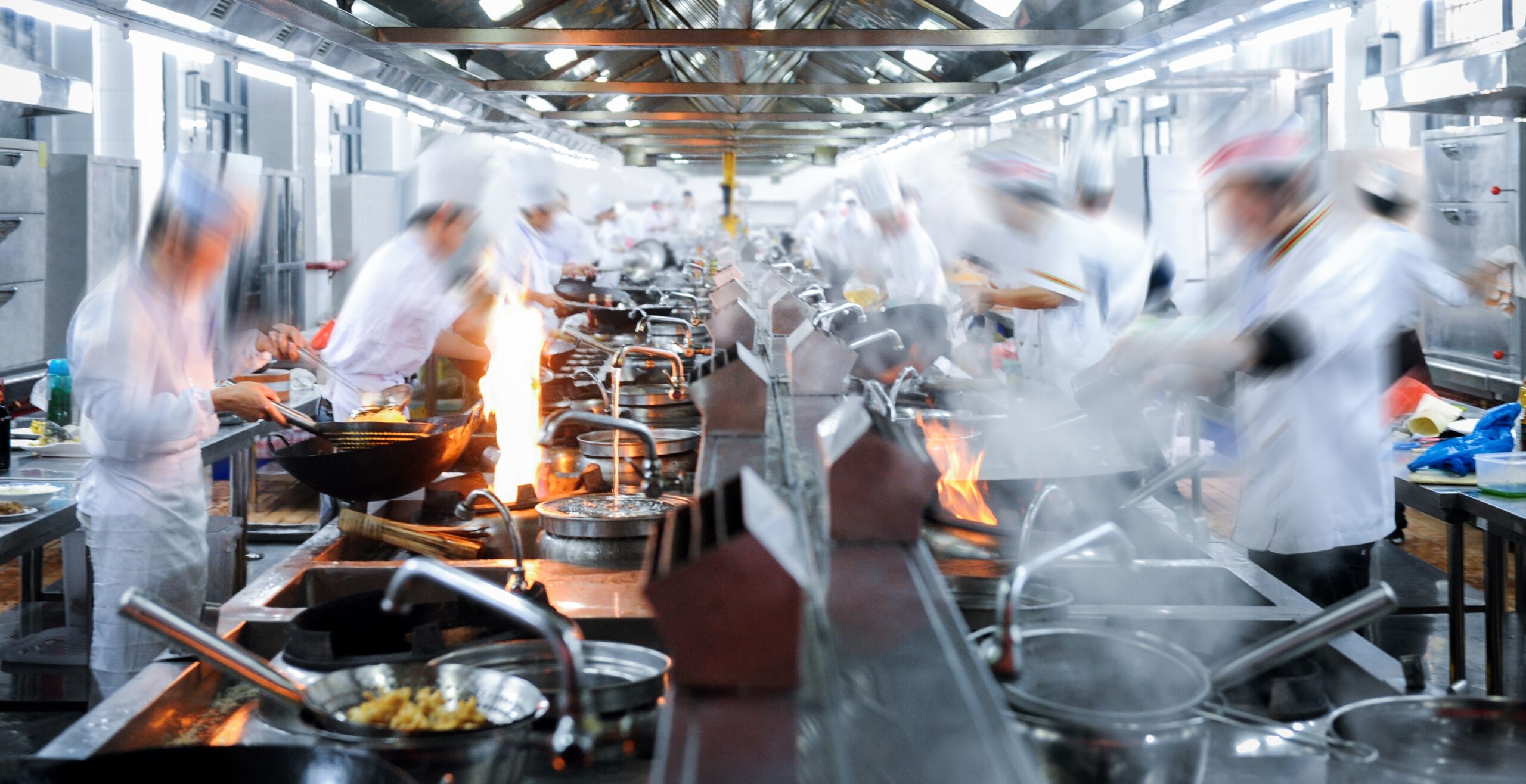
In every restaurant, the kitchen is the heartbeat of the operation. It’s where timing, teamwork, and precision come together to create a great guest experience. But running a smooth kitchen today isn’t easy. Rising food costs, staff shortages, and growing demand for quick service make it harder than ever to keep things moving efficiently.
Kitchen efficiency is about safety, consistency, and control, not just speed. The most successful restaurants find ways to prepare meals faster without cutting corners on quality or cleanliness. And increasingly, the key to achieving that balance is Artificial Intelligence (AI).
A well-optimized kitchen doesn’t just benefit customers; it transforms business outcomes. Even a modest 10% gain in kitchen efficiency can boost restaurant profit margins by several percentage points through better labor use and reduced waste. For staff, fewer delays mean less stress and a smoother workflow. For guests, it means timely meals and better service. AI creates the conditions for all three outcomes at once.
AI tools are helping kitchens predict demand, automate repetitive tasks, and make smarter, real-time decisions. From managing inventory to monitoring food safety, AI is transforming how kitchens operate behind the scenes.
AI in Kitchen Inventory Management
Few things slow a kitchen down faster than running out of ingredients mid-service or discovering spoilage after a busy weekend. Traditional inventory systems rely on manual counts and guesswork, which often result in waste or shortages.
AI changes that by turning data into predictive insights. Smart inventory platforms use sales history, supplier timelines, and seasonality to forecast exactly how much of each ingredient you’ll need. They can even detect trends — like when certain dishes spike in popularity — and adjust orders automatically.
Restaurants that implement predictive inventory systems report significantly less food waste and more consistent ingredient availability. For example, according to an article in Business Insider, the Four Seasons Peninsula Papagayo decreased its food waste by 50% after only 8 months of utilizing an AI system.
For multi-location brands, AI also brings consistency. Cloud-based dashboards enable managers to track stock levels across all sites in real time, reducing waste and improving cash flow.
Robotics and Automated Cooking Systems
AI-driven robotics are no longer futuristic; they’re working in kitchens right now. From burger-flipping machines to robotic arms that plate food with precision, automation is helping staff focus on creativity and hospitality instead of repetitive labor.
In quick-service restaurants, robots powered by AI can handle frying, grilling, or assembling menu items at a consistent pace. White Castle, for example, adopted “Flippy,” an AI-powered robotic arm that automates fryer and grill tasks. It reduces cook time and ensures even results during rush periods.
Other kitchens use robotic prep systems that chop vegetables or mix sauces — tasks that take up valuable staff time. These systems improve safety by minimizing knife-related injuries and burns, while maintaining precise portion control.
For full-service operations, automated systems assist rather than replace people. For instance, AI-controlled ovens and grills can monitor internal temperatures and adjust heat levels automatically to prevent overcooking. These smart appliances also collect data over time, learning how to optimize cooking cycles for energy savings and faster turnaround.
Automation doesn’t remove the human touch; it amplifies it. By handling time-consuming prep work, robotics allows chefs to focus on flavor, presentation, and innovation.
For a broader look at how AI technology is reshaping restaurants from the ground up, see our post on AI in Restaurant Industry: Transforming Dining Experiences.
AI Scheduling for Kitchen Staff
Staffing is one of the biggest variables in restaurant performance. Too few employees can slow service, while too many inflate labor costs. AI scheduling tools are solving this challenge by analyzing historical sales, upcoming events, and even weather data to predict traffic and recommend staffing levels.
For example, if forecasts show higher foot traffic during a local event weekend, AI systems automatically adjust schedules and alert managers early. These tools can also factor in employee preferences and labor regulations to build fair, compliant shifts.
AI-driven scheduling reduces burnout, balances workloads, and improves retention by providing staff with more predictable hours. Managers save hours each week on manual scheduling and last-minute changes, freeing up time to focus on training and guest service instead.
When paired with predictive kitchen tools, scheduling AI ensures that the correct number of people are in the right place at the right time.
Real-Time Workflow Optimization
In a busy kitchen, seconds matter. Bottlenecks between prep, cook, and plating stations can derail service. AI solves this by monitoring workflows in real time and offering data-driven insights to keep production on track.
Smart kitchen systems collect data from POS orders, cooking times, and sensor-based devices to pinpoint where slowdowns occur. For example, if the grill station consistently lags behind the salad station, AI can flag it and recommend redistributing tasks or equipment.
Some systems even use visual sensors to monitor queue times or detect when an order has been sitting too long. This data helps managers make instant adjustments, improving both food quality and delivery speed.
AI-powered kitchen display systems (KDS) now integrate directly with POS software, prioritizing orders automatically based on preparation time and course sequencing. This ensures that every dish, from appetizers to entrées, reaches the pass at the perfect moment.
These technologies are the bridge between the front and back of house, keeping communication clear and service running smoothly.
AI in Food Quality and Safety Monitoring
Food safety is non-negotiable. Yet manual temperature checks and inspection logs can be prone to error. AI-driven sensors are taking the guesswork out of compliance by continuously monitoring critical factors like temperature, humidity, and cleanliness.
Smart probes inside refrigerators and freezers send real-time alerts if conditions deviate from safety standards. Some systems even predict maintenance needs before failures occur, preventing costly food loss.
AI can also analyze cleaning and hygiene data to ensure proper sanitation schedules are followed. Combined with vision-based systems that recognize spills or contamination risks, these tools act as a 24/7 safeguard for compliance.
When integrated into broader workflows, AI enhances not only safety but also transparency. Managers gain digital records of compliance efforts, which serve as valuable assets during health inspections or audits.
For operators looking to enhance both safety and productivity, our AI Improving Restaurant Customer Service post explores how similar tools are transforming guest-facing operations as well.
7 AI Solutions for Streamlined Kitchen Operations
The best AI solutions are those that make immediate, measurable differences in daily workflow. Here are seven key technologies that restaurant operators are adopting to drive efficiency and consistency:
- Predictive Ordering Software: Uses data to forecast ingredient demand and reduce food waste.
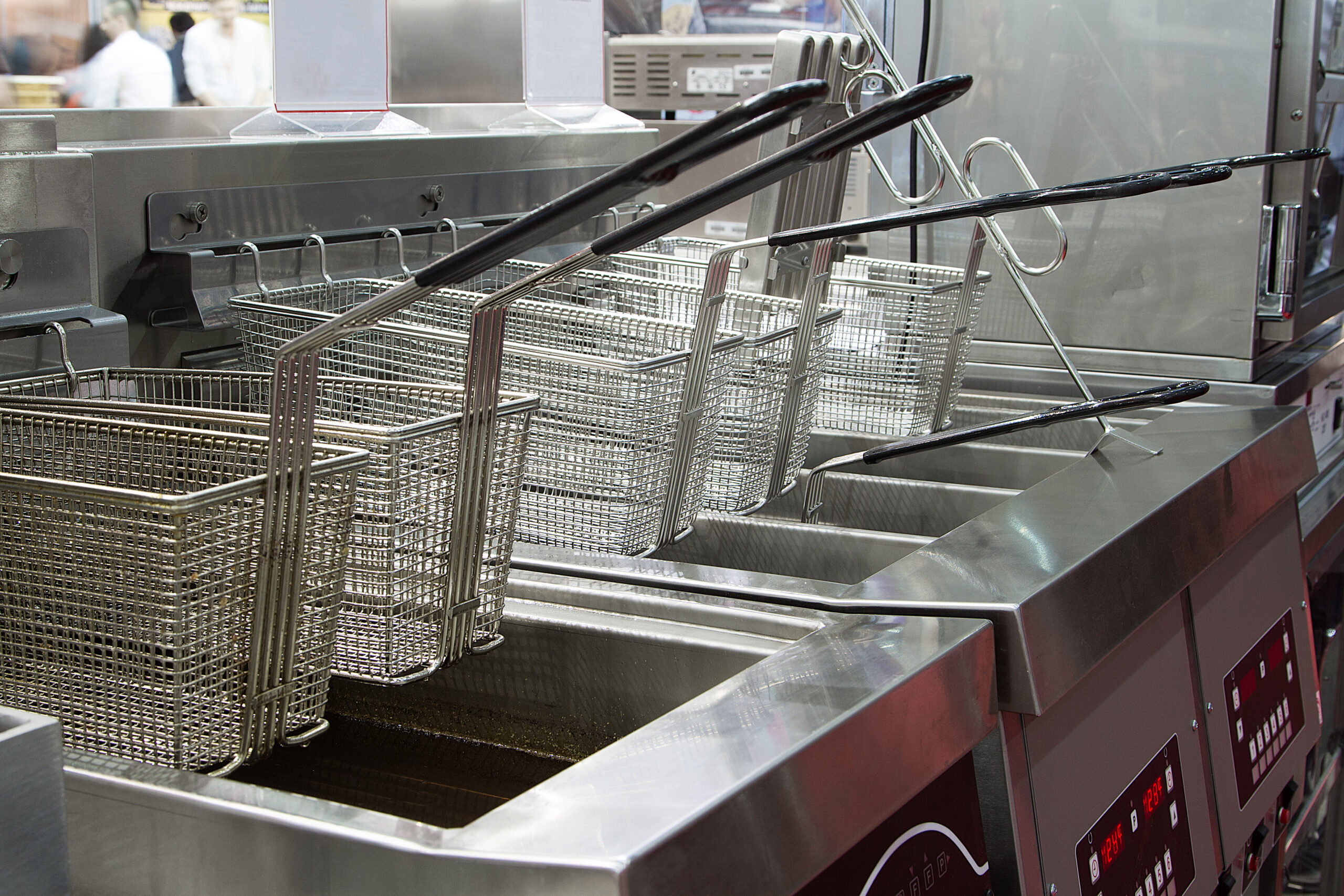
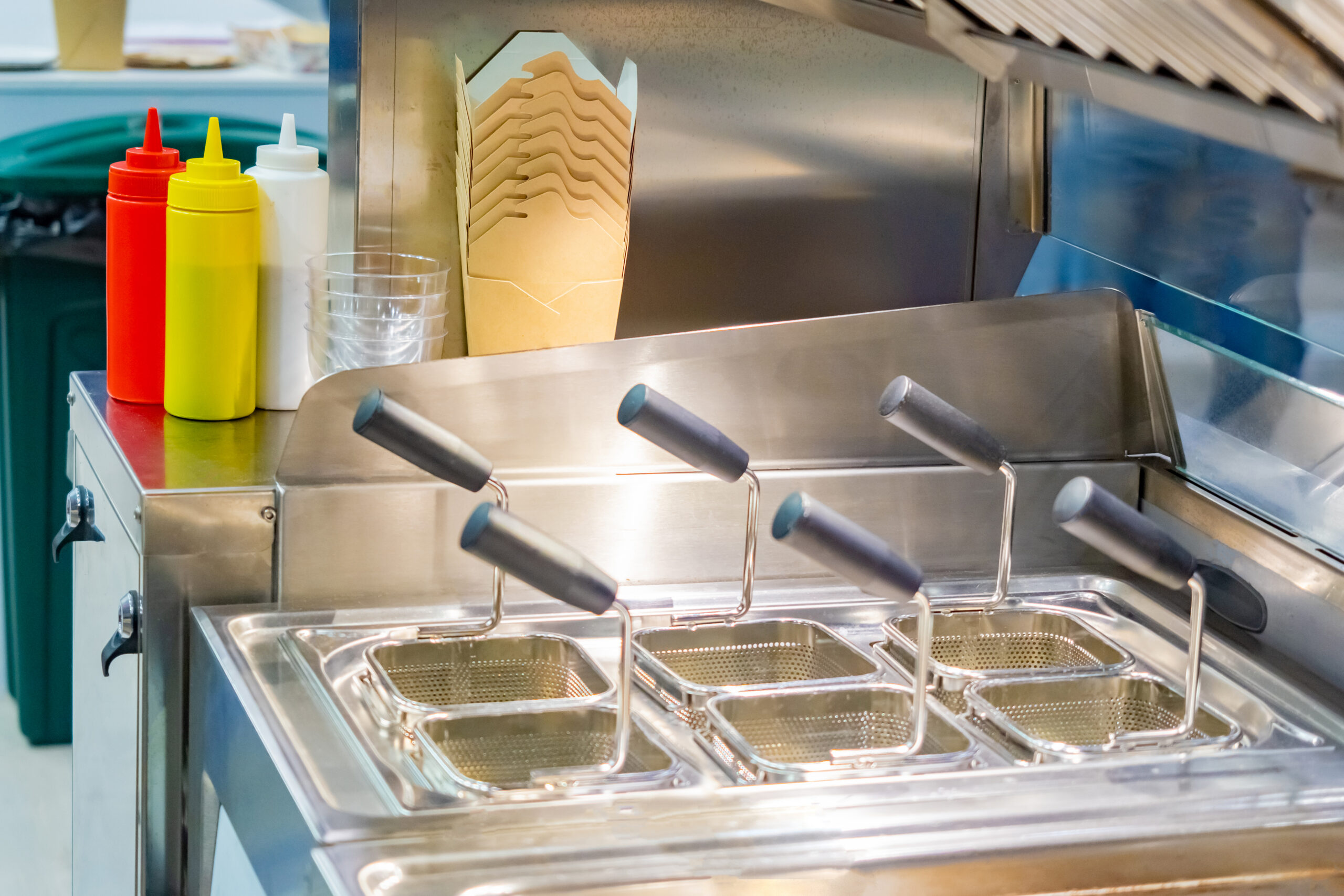
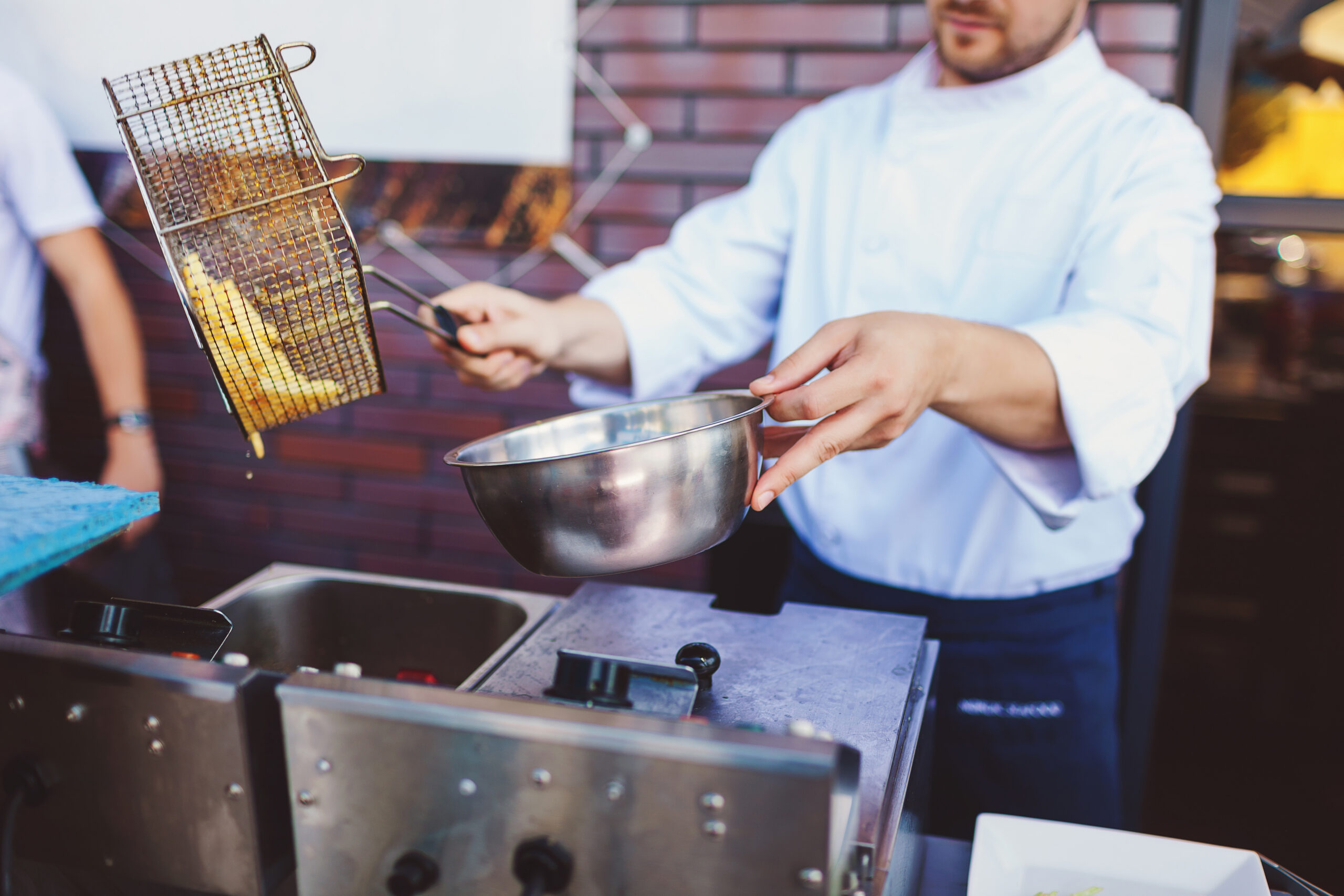
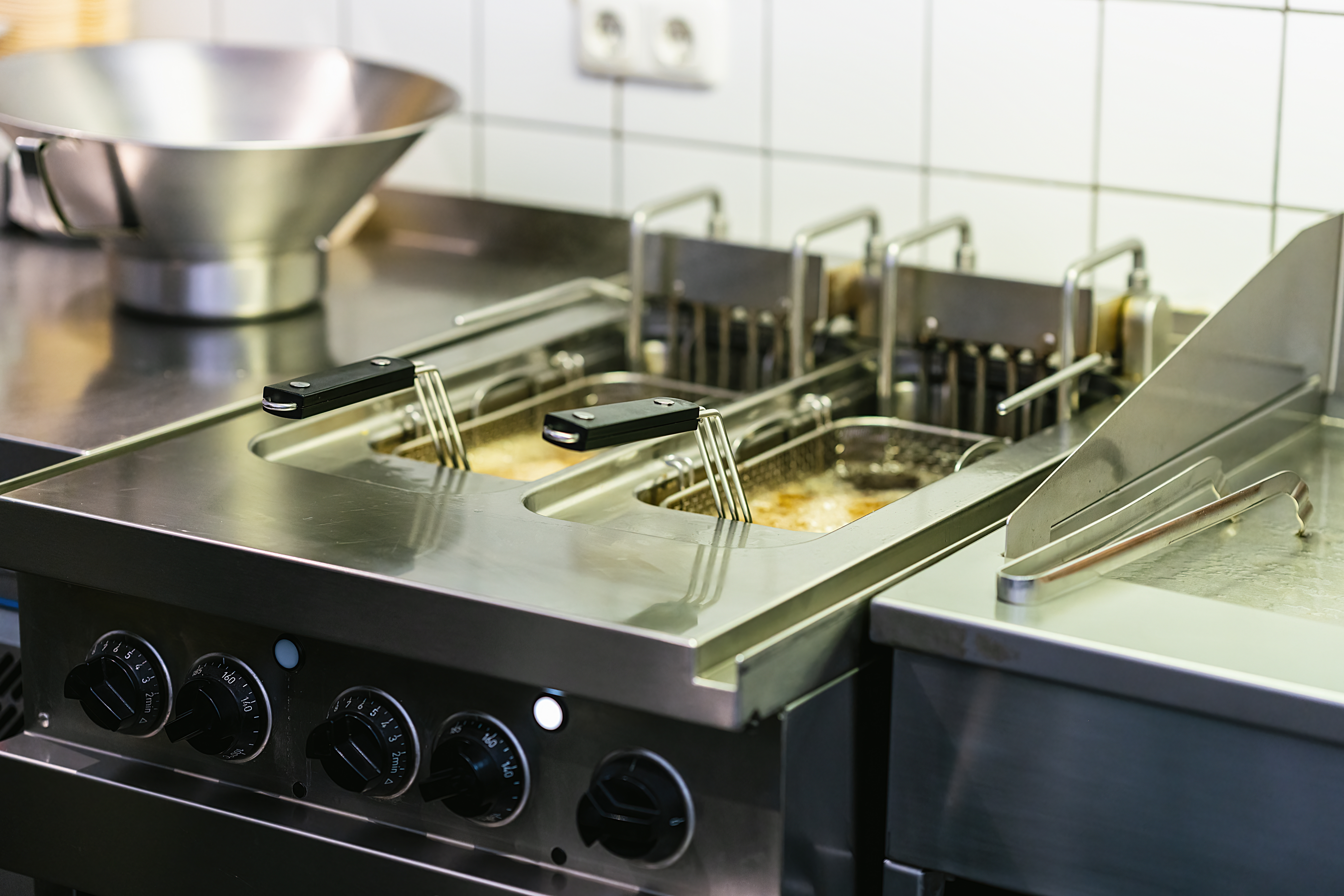
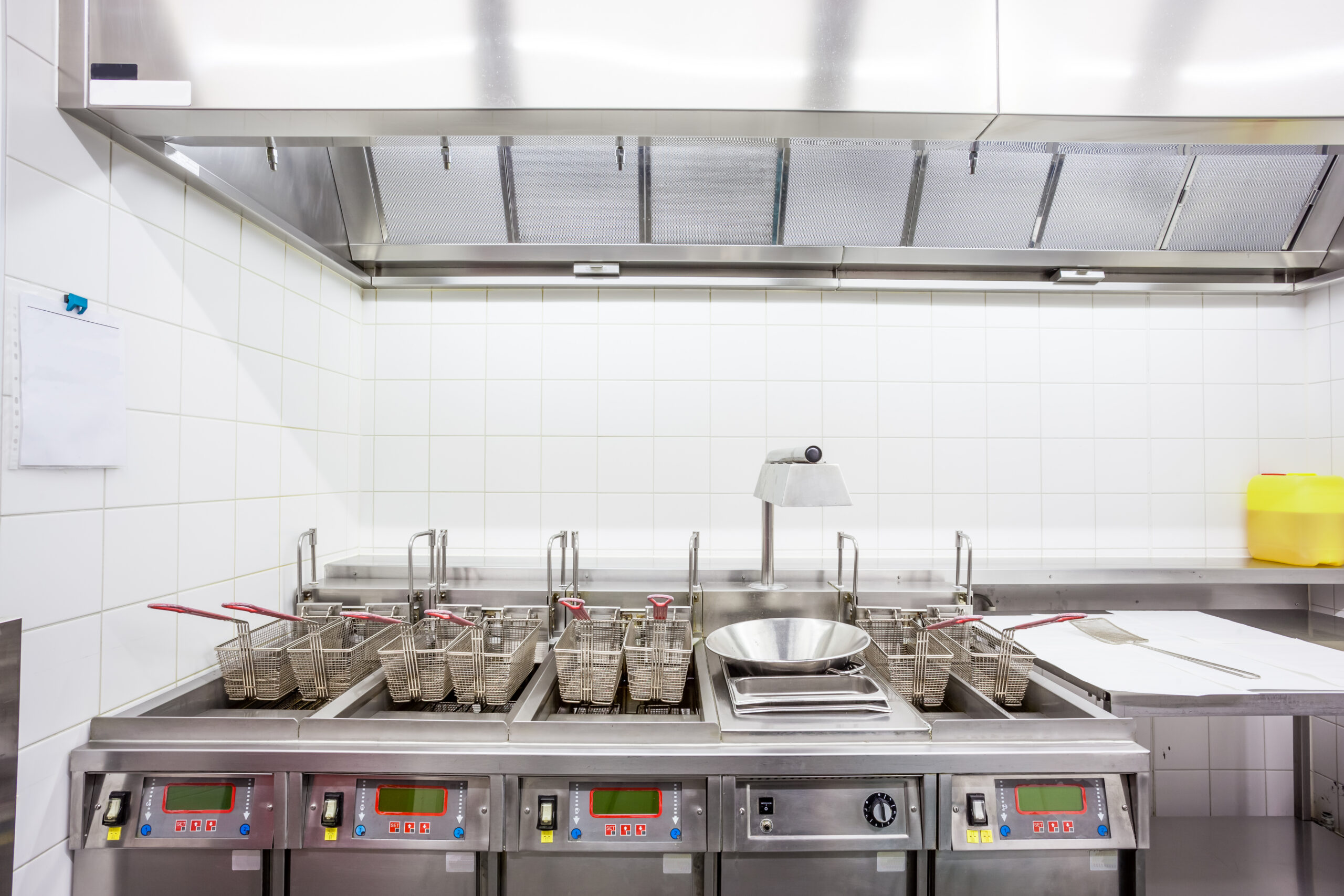
- Smart Fryer Monitoring: AI tools that track oil quality and usage, automatically alerting staff when maintenance or filtration is needed.
- Automated Prep Robots: Handle repetitive tasks such as chopping, mixing, and portioning ingredients.
- Intelligent Scheduling Platforms: Align staffing with real-time demand to lower labor costs.
- AI-Driven Kitchen Display Systems: Optimize order sequencing and reduce bottlenecks during rush periods.
- Sensor-Based Safety Monitors: Track temperature and sanitation data for compliance and preventive maintenance.
- Energy Optimization Systems: Automatically adjust kitchen equipment usage to save energy during off-peak times.
Together, these solutions create kitchens that are faster, safer, and more sustainable; all without sacrificing quality or the human touch.
Conclusion: Transforming Kitchens with AI
AI is no longer an experimental tool for the future; it’s a proven partner in modern kitchen operations. By learning from real-world data and automating repetitive tasks, AI empowers restaurant teams to perform at their best.
From predictive inventory management to smart fryers and robotic prep stations, these technologies help kitchens stay organized, reduce waste, and improve consistency. They also support happier, more focused employees who can spend less time on manual tracking and more time perfecting the guest experience.
Restaurant Technologies helps restaurants bring these innovations to life. With systems such as automated cooking oil management, RTI enables kitchens to improve safety, cleanliness, and performance one process at a time.
Looking ahead, AI will continue to evolve: analyzing more data, predicting outcomes with greater accuracy, and helping restaurants operate with unmatched precision. The restaurants that embrace these technologies today will be the ones setting tomorrow’s industry standards.
AI may not replace the heart of hospitality, but it’s redefining how efficiently that heart beats.
Source:
Business Insider. Chefs are taking food waste off the menu with a little help from AIhttps://www.businessinsider.com/ai-food-waste-management-chefs-hotel-menus-2025-9?