
Running a commercial kitchen means balancing efficiency, safety, and consistency every single day. Whether you’re overseeing a hospital cafeteria, managing a chain of QSRs, or designing a new back-of-house layout for a hotel, your equipment choices will shape every aspect of performance. The right commercial kitchen equipment reduces risk, improves output, and helps staff focus on execution instead of workarounds.
But where do you start?
If you’ve ever walked into a kitchen and spotted three different fryers, two broken reach-ins, and a maze of prep tables that block your flow, you know that not all setups are created equal. This guide offers a comprehensive breakdown of what belongs in a commercial kitchen so that you can build (or improve) yours with confidence.
What Qualifies as a Commercial Kitchen?
A commercial kitchen is a licensed food preparation space designed for high-volume production and service. Unlike residential kitchens, commercial spaces are built for speed and scale. They follow strict safety codes and support multiple staff working together under pressure.
Industries that typically operate commercial kitchens include:
- Restaurants (from fine dining to QSRs)
- Hotels and resorts
- Hospitals and healthcare facilities
- School cafeterias and universities
- Corporate campuses and commissaries
- Catering operations and ghost kitchens
The scope and scale of your commercial kitchen will vary by industry, but the equipment list shares many core components.
If you’re outfitting an institutional dining facility, we also recommend reviewing our Cafeteria Equipment List for additional volume-specific tips.
Must-Have Cooking Equipment in Commercial Kitchens
Commercial kitchens rely on industrial-grade cooking equipment built to endure long hours, intense heat, and continuous use, all while delivering consistent results. The right lineup ensures your team can execute high-volume orders without missing a beat, whether during lunch rush or banquet service. A well-designed cookline not only supports your menu but also streamlines workflow and reduces bottlenecks.
Some essentials include:
- Ranges and Griddles: Available in gas or electric models, these versatile appliances handle everything from sautéing and searing to boiling and braising.
- Commercial Ovens: Choose from convection, combi, conveyor, or deck ovens based on your service style and product mix. Each type offers unique benefits for baking, roasting, or reheating at scale.
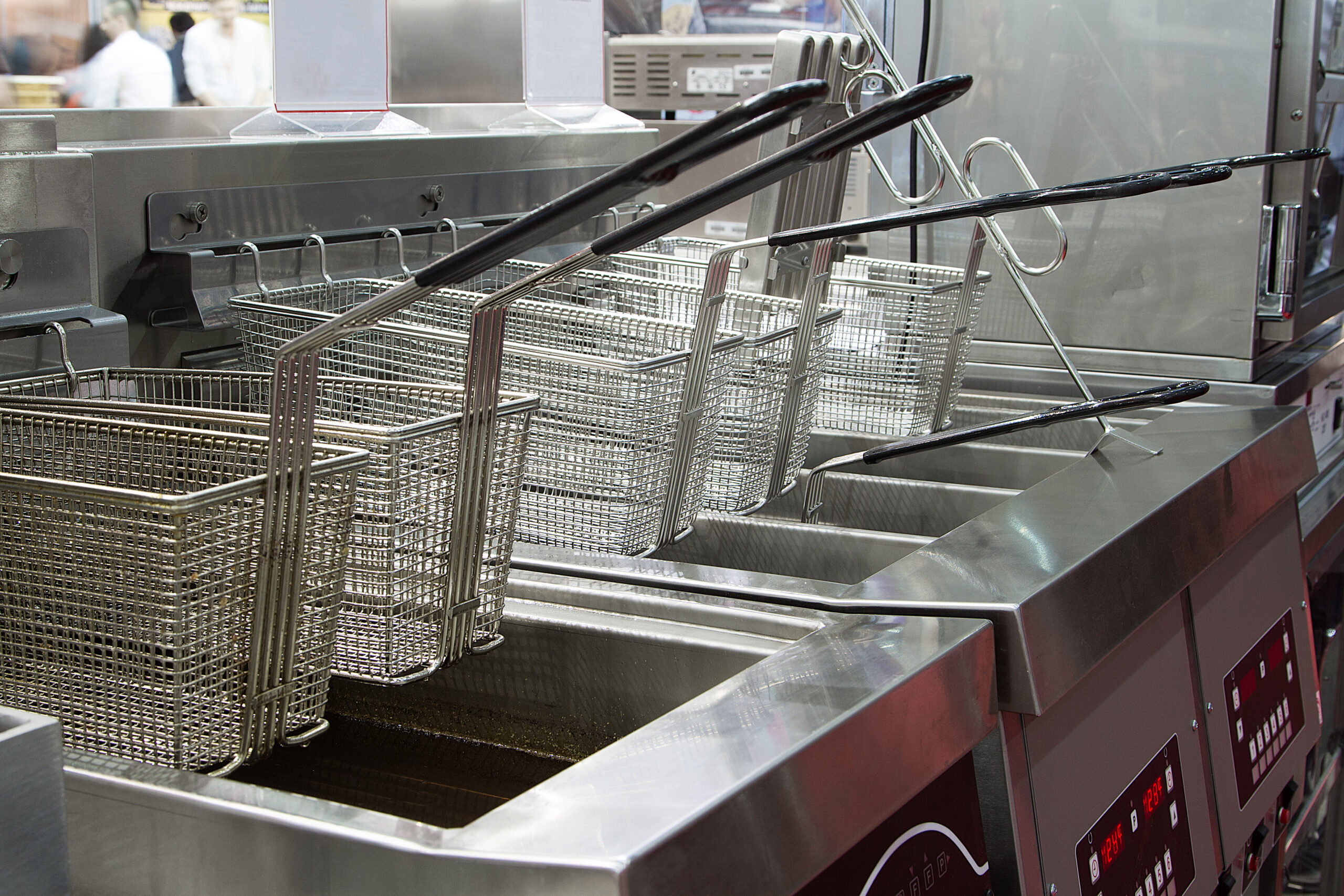
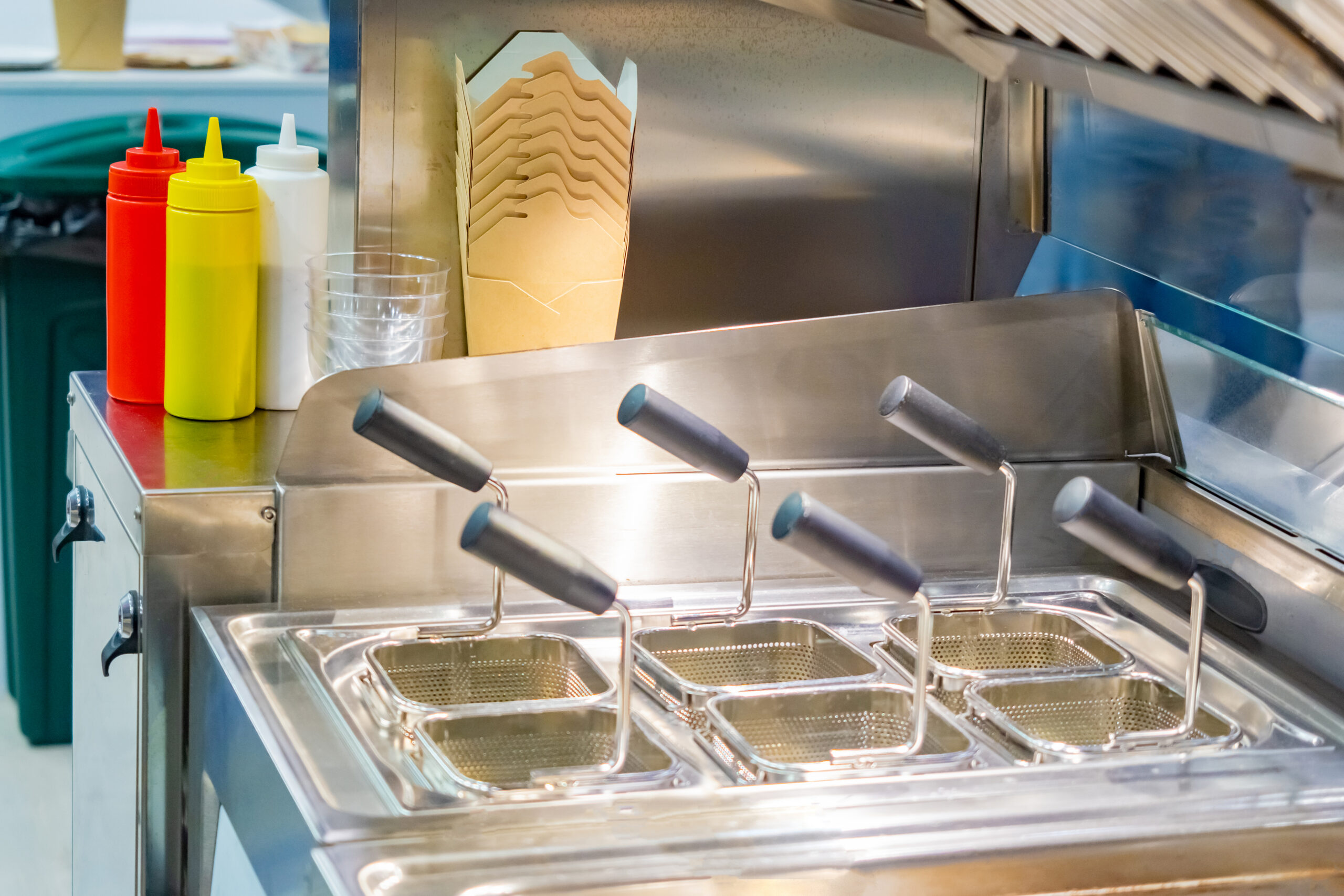
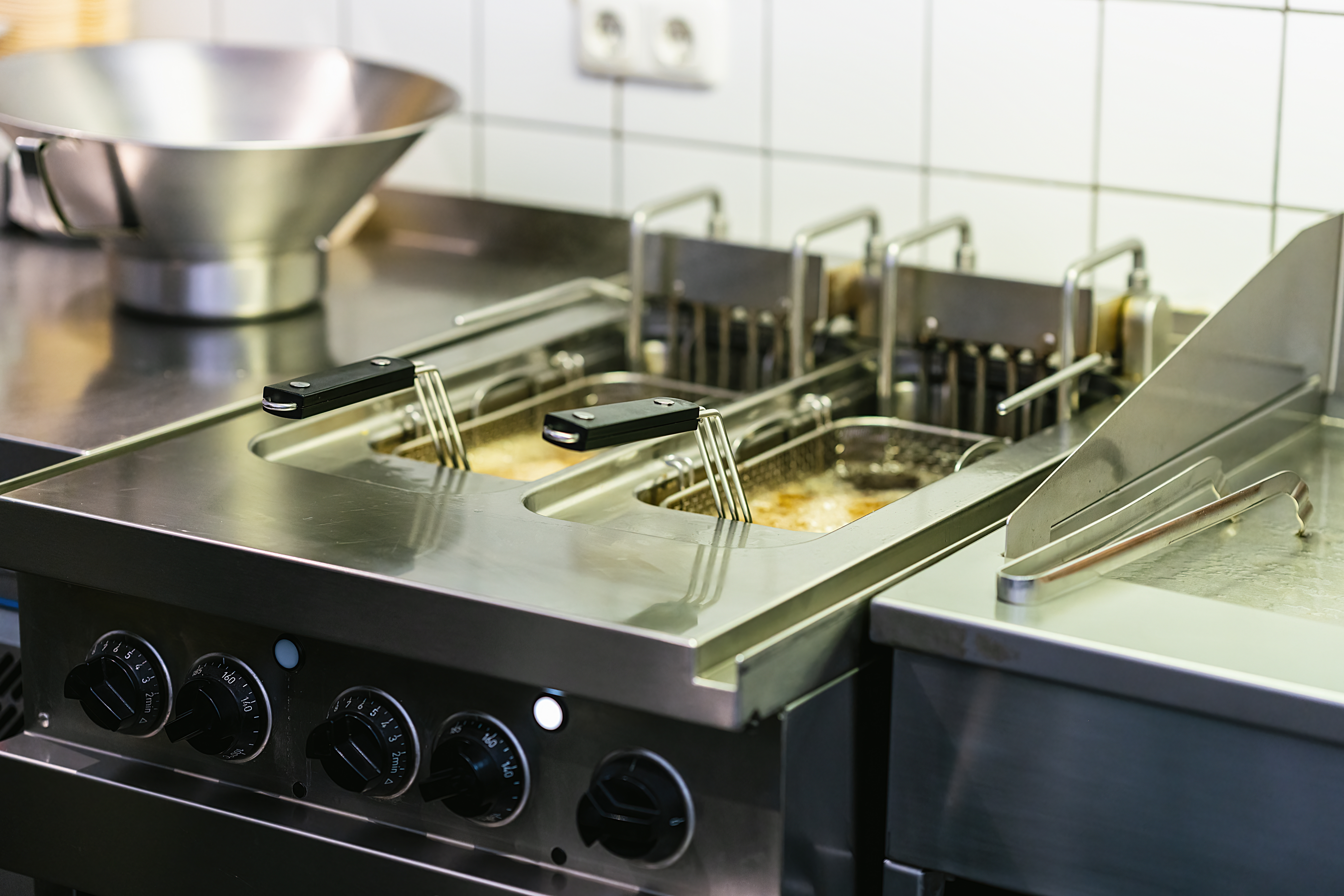
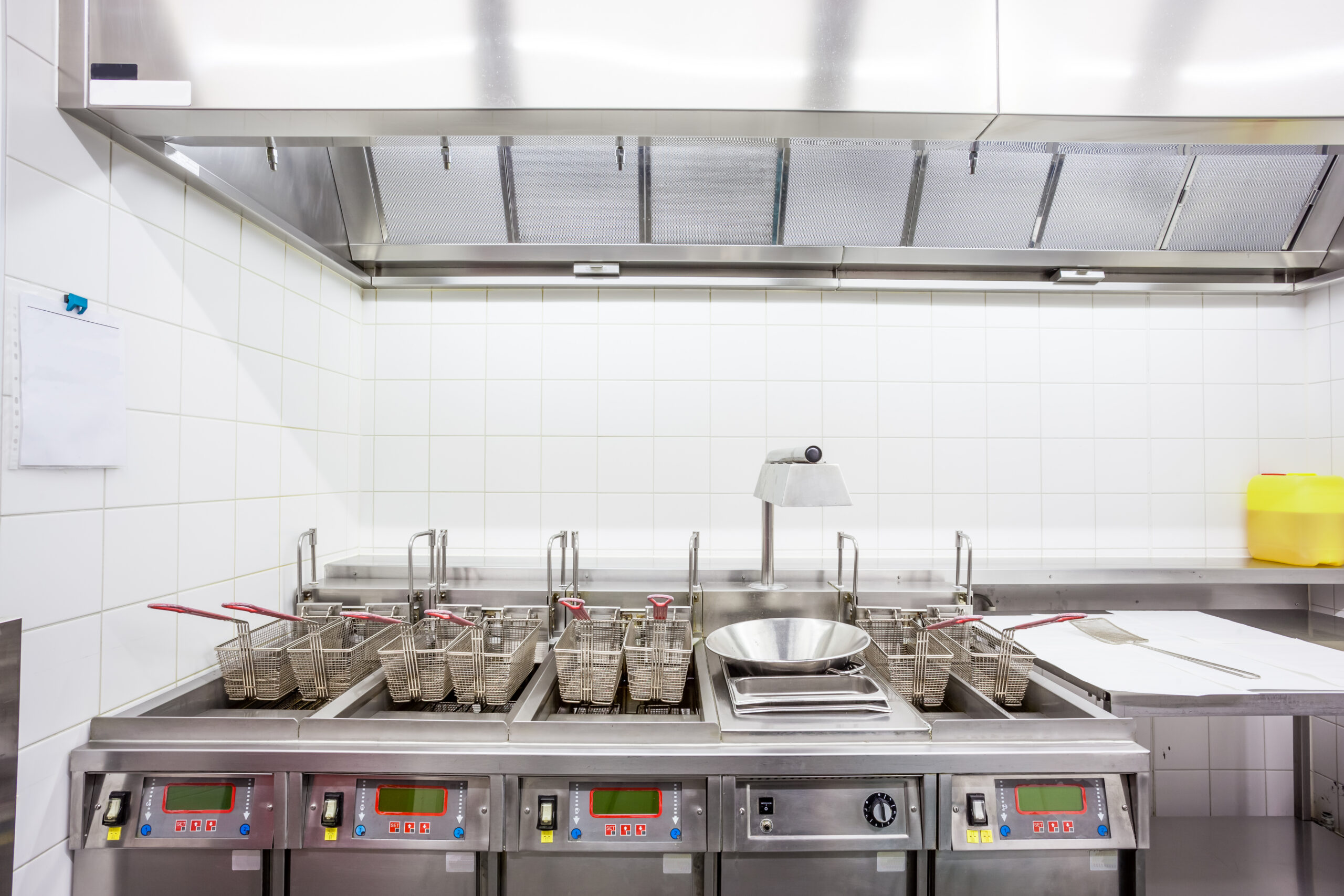
- Fryers: A staple in QSRs and high-volume kitchens. Many newer models include automated filtration and built-in safety features, making them faster and safer for staff to operate.
- Tilt Skillets and Braising Pans: These multi-taskers allow chefs to sear, simmer, or sauté in bulk, with easy tilt-to-pour functionality that saves time and reduces mess.
- Steamers and Kettles: Perfect for institutions and catering kitchens where soups, sauces, and vegetables are prepared in large quantities with consistent quality.
Need fryer guidance tailored to fast-paced QSR environments? Check out our Fast Food Kitchen Equipment List for a closer look at rapid-turnover cooklines.

Refrigeration, Prep Tables, and Storage Units
Cold storage is the backbone of every safe and efficient kitchen operation. Without reliable refrigeration and smart storage solutions, even the best ingredients can go to waste, whether through spoilage, cross-contamination, or inefficient prep workflows.
From raw proteins to dairy, fresh produce, and prepped sauces, commercial kitchens must maintain strict temperature controls while also keeping ingredients accessible to the team. When every second counts during service, well-placed storage and prep stations can make or break your kitchen’s rhythm.
Here are the key refrigeration and prep tools that support day-to-day operations:
- Walk-in Coolers & Freezers: Ideal for bulk inventory and larger items, these units serve as the command center for cold storage, holding everything from whole cases of meat to banquet-ready desserts.
- Reach-In Refrigerators: Often placed near key prep or cook stations, these help chefs quickly grab ingredients without leaving the line.
- Prep Tables with Refrigerated Drawers: These hybrid units offer the best of both worlds, cold storage right where prep happens. Think diced onions, sauces, or proteins ready to go beneath a cutting board or food processor.
- Salad and Sandwich Stations: Essential on hot and cold lines, these units streamline assembly while keeping perishable items like greens, deli meats, and condiments fresh and food-safe.
- Dry Storage Racks & Shelving: While not refrigerated, sturdy, NSF-approved shelves play a major role in organization and food safety, keeping dry goods off the floor and sorted for quick access.
In hotel kitchens, where menus shift daily and service can stretch from early breakfast to late-night room service, refrigeration and prep setups need to flex accordingly. For example, a banquet team might rely on mobile shelving and rolling chillers, while the à la carte team leans on lowboys and reach-ins. To explore how hospitality kitchens adapt to diverse needs, our Hotel Kitchen Equipment List breaks down back-of-house requirements in more detail.
Dishwashing and Sanitation Equipment
Meeting sanitation codes isn’t just about compliance; it’s about safety and reputation. Your back-of-house must have equipment that keeps dishes, surfaces, and staff hands clean.
Important cleaning and sanitation tools include:
- Three-Compartment Sinks: Required in most jurisdictions.
- High-Temperature or Chemical Dish Machines: Chosen based on capacity and local code.
- Pre-Rinse Units: Improve workflow and reduce water use.
- Mop Sinks and Janitorial Stations: Often overlooked but essential.
- Handwashing Stations: Must be accessible and fully stocked.
Some operations add floor scrubbers or drain systems to prevent buildup in high-traffic areas.
Fryer Systems and Oil Management Tools
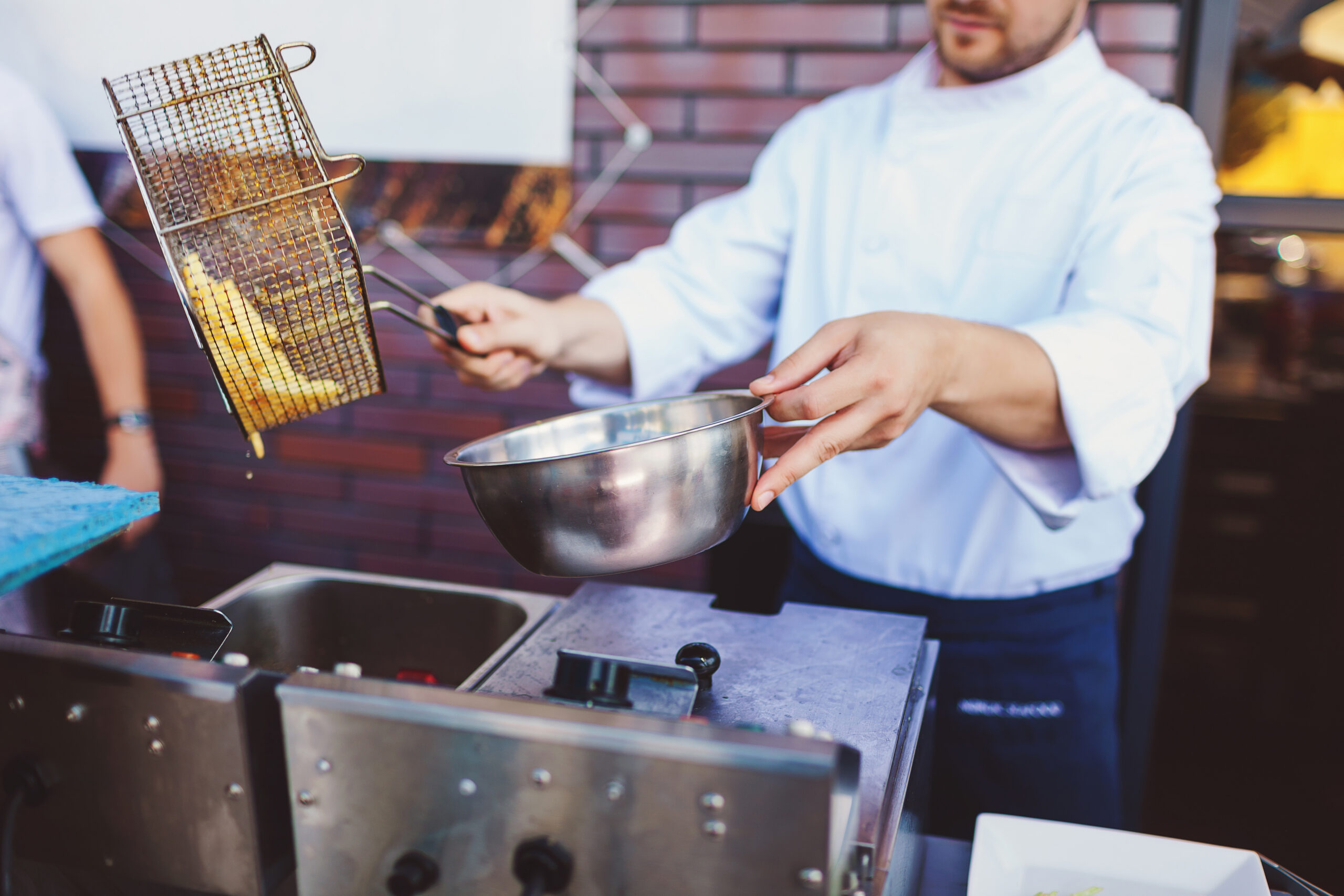
Fryers may only take up a corner of your kitchen, but they have an outsized impact on safety, efficiency, and food quality. Manual oil handling introduces risk at every step, from burns and slips to improper filtration that ruins food flavor.
Here’s what your fryer setup should include:
- Built-in Oil Filtration: Extends oil life and improves food quality.
- Oil Storage Tanks: For fresh oil delivery or bulk storage.
- Automated Oil Disposal Systems: Reduce labor and safety hazards.
- Hose Reels or Drop Stations: Keep oil transfer clean and consistent.
RTI’s Automated Cooking Oil Management systems provide end-to-end control for filtering, disposing, and replenishing cooking oil, with proven benefits across QSRs, hotels, and institutional kitchens.
Compliance, Safety, and Energy Efficiency Considerations
Beyond equipment performance, every commercial kitchen must meet local codes and industry best practices for fire safety, energy use, and worker protection.
Be sure to include:
- Ventilation Hoods and Fire Suppression Systems: Code-mandated in most jurisdictions.
- Grease Traps: Required for environmental compliance.
- Slip-Resistant Mats and Footwear Zones: Reduce workplace injuries.
- LED Lighting and Energy Star Equipment: Lower utility costs and reduce emissions.
- Programmable Timers and Smart Controls: Help avoid human error and reduce waste.
Depending on your industry, you may also need allergen-specific prep zones or food traceability systems.
Conclusion: Comprehensive Kitchen Operations Powered by Restaurant Technologies
Outfitting a commercial kitchen is about more than buying equipment, it’s about building an integrated system that supports safety, efficiency, and team success. That system depends on having the right tools for cooking, storage, dishwashing, and oil management.
Integrated systems like Restaurant Technologies’ oil management solutions give operators a turnkey way to automate risky and repetitive tasks, reduce compliance gaps, and extend the life of critical kitchen investments.
Whether you’re designing a new build or upgrading an aging back-of-house, the right commercial kitchen equipment list is the foundation for better food, smoother shifts, and long-term success.
FAQs About Commercial Kitchen Equipment
What is the most essential equipment for a commercial kitchen?
The essentials typically include ranges, ovens, fryers, refrigeration units, dishwashing systems, and prep tables. The exact list depends on your menu, staff size, and service type.
Do I need an automated oil management system?
If you operate multiple fryers or work in a high-volume kitchen, an automated oil system like RTI’s can reduce labor costs, improve safety, and help maintain food consistency.
How do I choose the right equipment for a QSR vs. a hotel?
QSRs prioritize speed and line efficiency, and our Fast Food Kitchen Equipment List covers this in detail. Hotel kitchens need versatility across dayparts and event service, which we break down in the hotel guide.
How often should commercial kitchen equipment be replaced?
It depends on the equipment category, usage frequency, and how well it’s maintained. For example, a well-maintained commercial oven or walk-in cooler can last 15+ years, while high-use items like fryers or countertop appliances may need replacement sooner.
Preventive maintenance programs can significantly extend the life of your equipment, help you avoid downtime, and give you clearer indicators of when it’s time to upgrade. Instead of waiting for failures during peak service, many foodservice operators now track performance trends and repair frequency to plan proactive replacements.