
Commercial kitchen technology has transformed how restaurants operate. Kitchen operators who adopt the right systems position their kitchens for greater efficiency, improved safety, and more consistent food quality across every shift.
This article explains how technology is reshaping commercial kitchens in three critical areas: front-of-house ordering and payments, back-of-house automation and equipment, and management tools that deliver real-time insights. You’ll learn how digital systems improve guest experience, optimize kitchen workflows, and help you make smarter operational decisions.
Why Technology Adoption Matters in Modern Restaurants
Rising costs, labor shortages, and growing customer expectations are pushing restaurants to operate smarter. In this climate, technology in restaurants is no longer optional; it’s essential for staying competitive through:
- Reduced labor strain: Automation streamlines repetitive tasks like oil management, order tracking, and food prep. With leaner teams, these efficiencies help maintain speed and service quality.
- Customer satisfaction: Customer-facing tools—like kiosks, mobile ordering, and contactless payments—deliver faster, more flexible experiences without overburdening staff.
- Reliable performance: Behind the scenes, smart kitchen equipment and real-time data improve consistency and help operators make quick, informed decisions. From inventory tracking to temperature control, technology ensures standards are met shift after shift.
By improving both efficiency and consistency, restaurant industry technology trends empower restaurants to deliver better service while protecting margins.
Key Areas Where Technology Is Transforming Commercial Kitchen Operations
Digital tools now impact nearly every part of restaurant operations. Emerging restaurant technology is changing the game in three critical areas, as operators plan to enhance the customer experience and boost efficiency in the kitchen or service area:
- Front-of-house: Mobile ordering, self-service kiosks, and contactless payments speed up service and reduce wait times.
- Back-of-house: Kitchen display systems, automated cooking oil management, and inventory management systems streamline operations and reduce waste.
- Management: Analytics dashboards give you the insights needed to make smarter decisions across locations.
Technology Improving Ordering and Guest Experience
Customer-facing technology has reshaped how guests interact with restaurants:
- Self-service kiosks let customers browse menus, customize orders, and pay without waiting in line.
- Mobile ordering apps allow guests to place orders ahead of time, reducing congestion during peak hours.
- Contactless payment options have also become standard in the food service industry.
These systems speed up transactions while giving customers a convenient experience. When ordering and payment processes run smoothly, throughput increases and guest satisfaction improves.
Technology Optimizing Kitchen and Operations
Behind the scenes, commercial kitchen equipment has evolved to support streamlining operations and improving food safety.
Cooking Oil Management
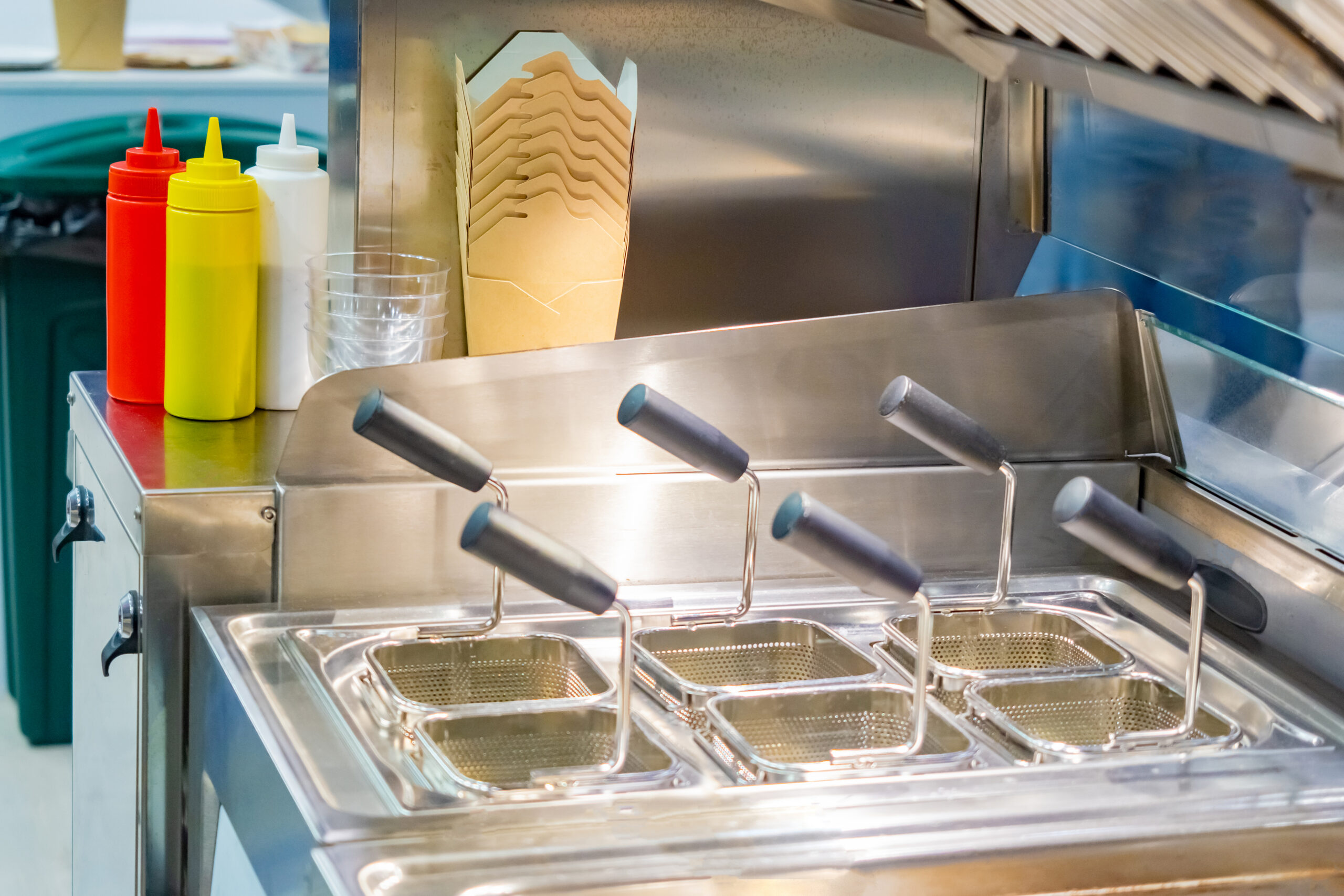
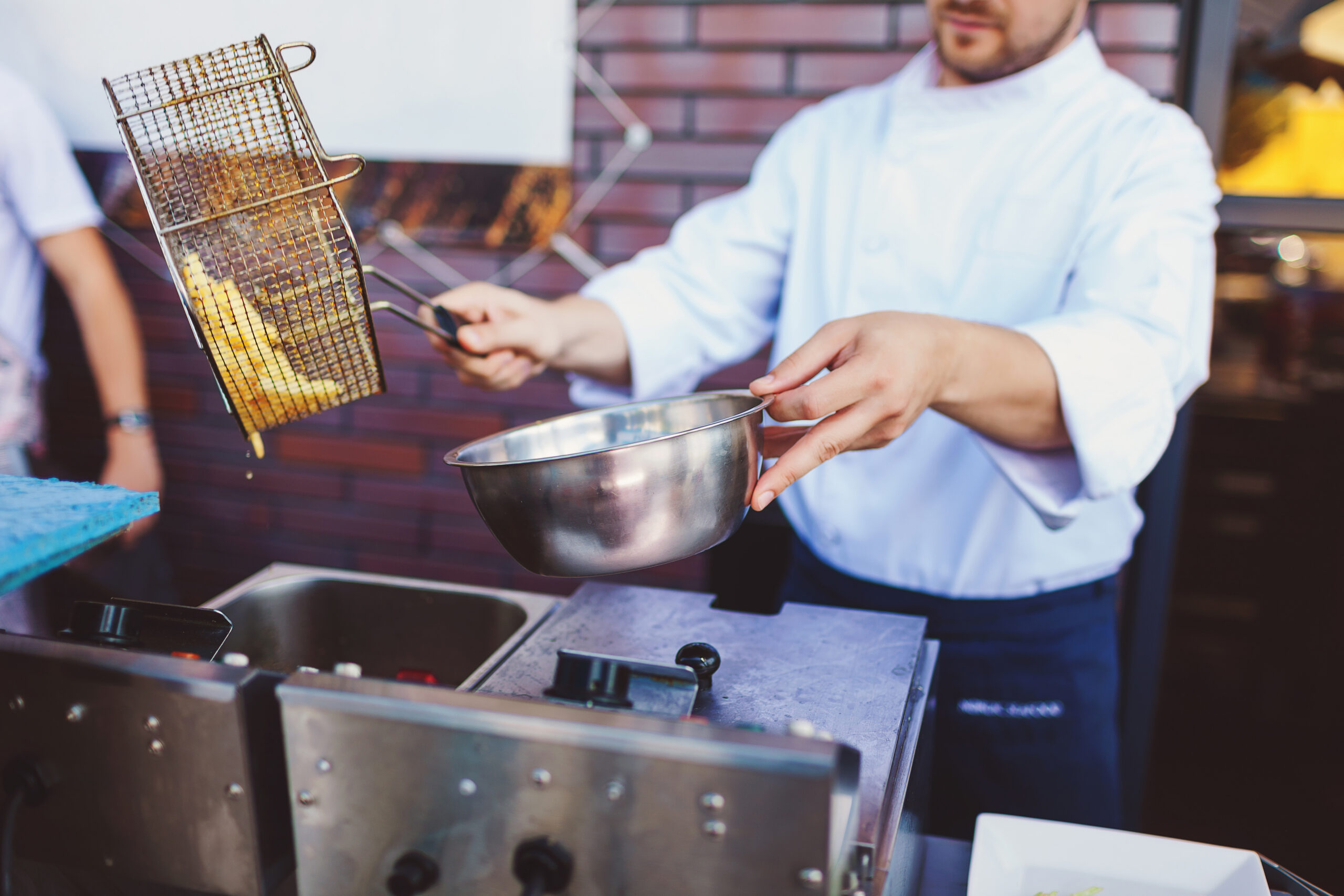
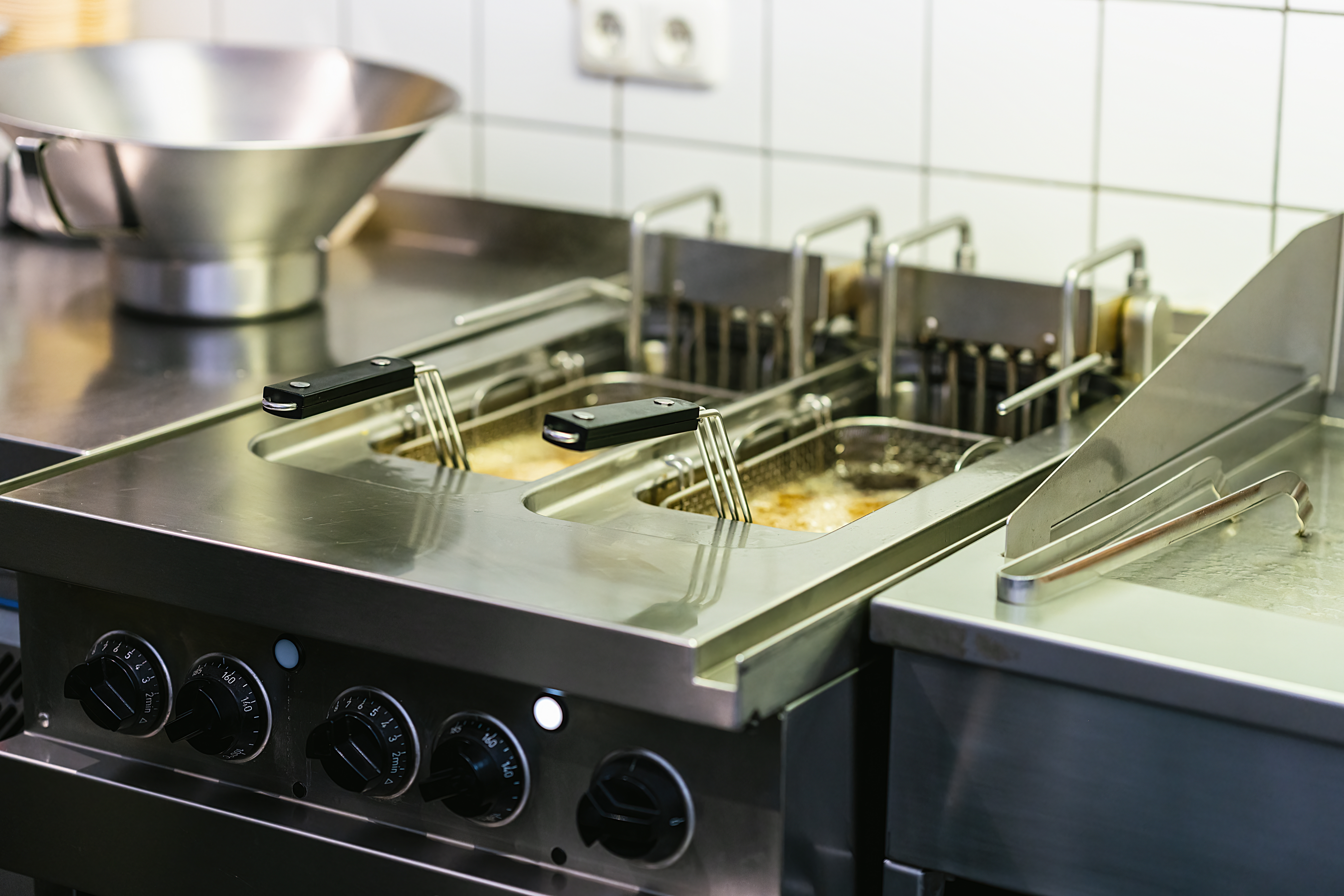
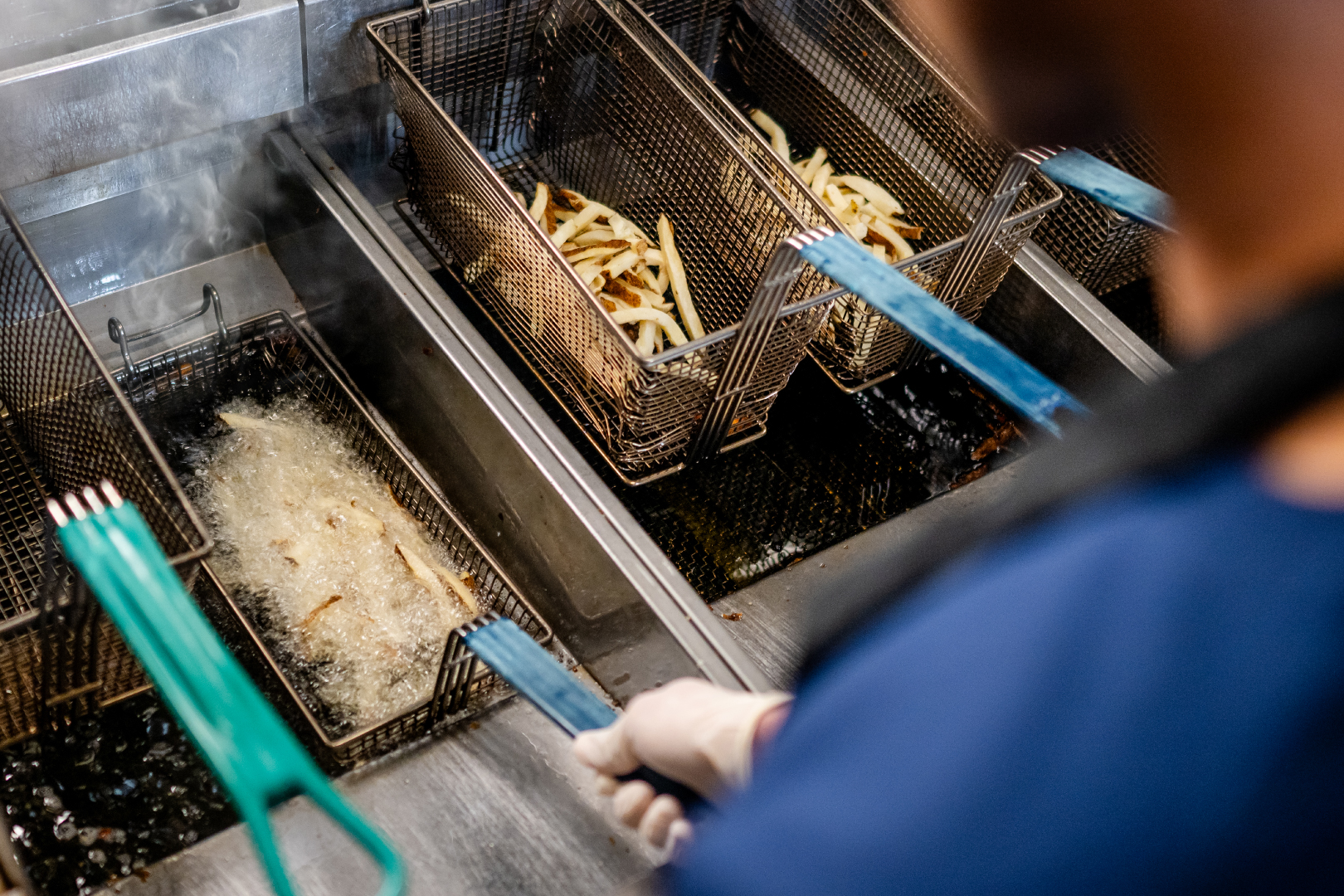
Managing cooking oil is one of the most labor-intensive and hazardous tasks in any commercial kitchen. Solutions that automate cooking oil tasks handle fresh oil delivery, filtration monitoring, and the removal of used cooking oil through a closed-loop system.
A system that monitors fryer filtration helps maintain food quality and extends oil life. By automating these processes, you reduce waste, lower costs, and eliminate dangerous, time-consuming tasks in the kitchen.
Improved Kitchen Equipment Features
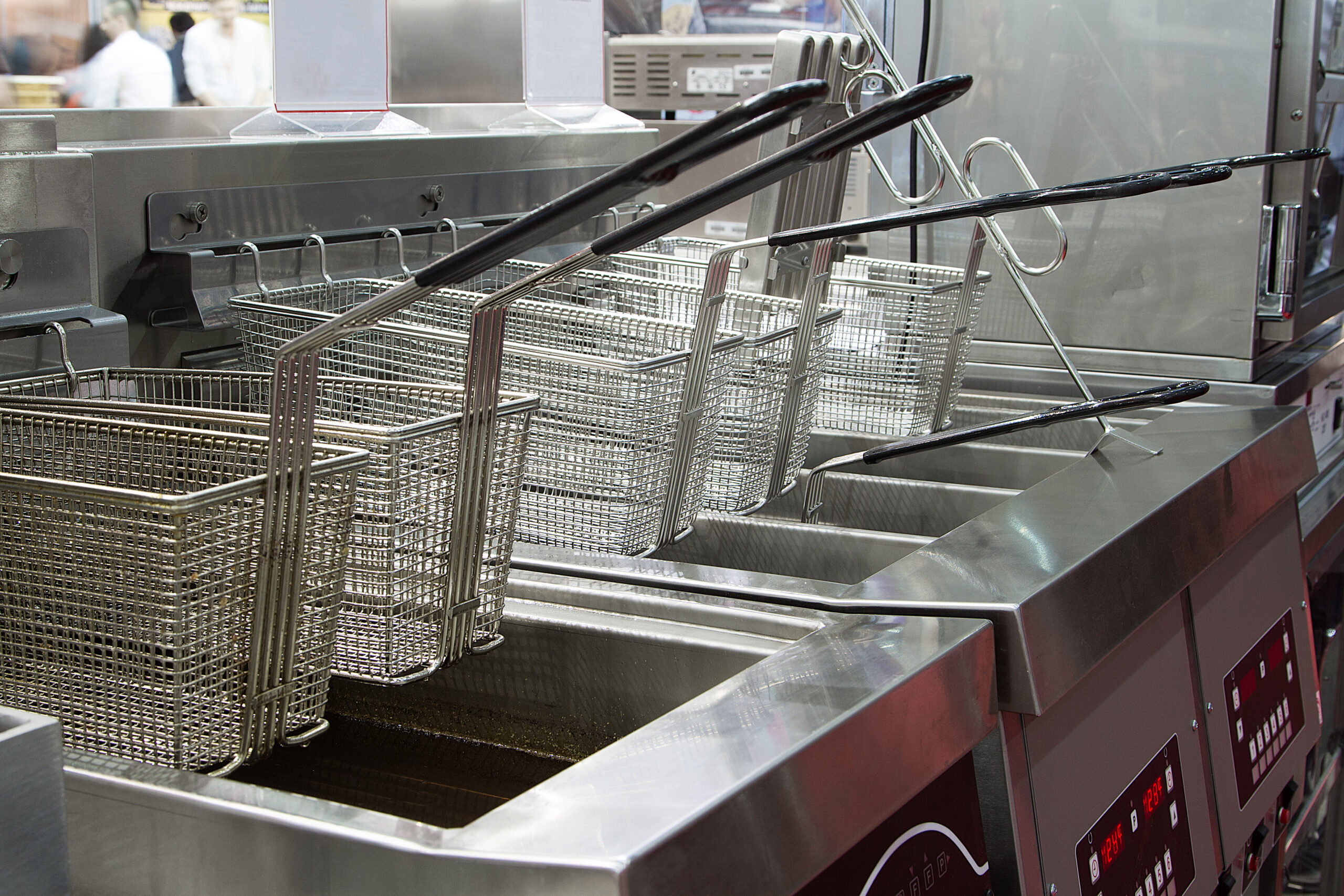
The integration of smart technology and Internet of Things (IoT)-connected kitchen equipment is transforming commercial kitchen operations. Smart ovens adjust cooking times automatically based on food type, while connected refrigerators and refrigeration units monitor temperatures to prevent food safety issues. Induction cooktops offer precise temperature control and energy efficiency compared to traditional gas ranges.
Better Kitchen Environment
Smart ventilation systems adjust airflow based on cooking activity, improving the kitchen environment while reducing energy consumption. Advanced on-demand systems can achieve a 71.16% energy reduction in ventilation and air conditioning costs. When kitchen operators can focus on creativity instead of monitoring equipment, consistency improves across every dish.
Efficient Supply Inventory
Automated inventory management systems help reduce food waste by tracking stock levels and predicting demand. These tools alert you when supplies run low, preventing both stockouts and overordering. This technology addresses a significant challenge, as nearly one third of all food is lost or wasted as it makes its way from farms to our plates.
Data, Analytics, and Smarter Decision-Making
Real-time data has become essential for managing modern commercial kitchens. Web-based monitoring tools track key performance indicators across locations, giving you visibility into everything from kitchen equipment performance to labor efficiency.
Web-based monitoring helps kitchen operators identify trends and optimize kitchen operations over time. You can track and analyze oil usage patterns to reduce waste and improve consistency. These insights support better budgeting, staffing decisions, and menu engineering across every location.
This level of oversight improves compliance with food safety standards and ensures guests receive a consistent experience regardless of which restaurant they visit.
Common Challenges When Adopting New Technology
Adopting kitchen technology comes with challenges. Evaluating the total cost of ownership, including installation, training, and ongoing maintenance, helps kitchen operators make informed decisions
- Upfront costs can be significant, especially for independent operators working with tight budgets.
- Training investment is also necessary. Kitchens must adapt to new workflows and unfamiliar equipment. Clear documentation and hands-on training sessions help smooth this transition.
- System integration can also present obstacles. Many kitchens rely on a mix of legacy equipment and newer tools that may not communicate seamlessly.
Working with vendors who offer full-service solutions and dedicated support reduces integration headaches and ensures technology delivers on its promise.
Building a Future-Ready Restaurant
The latest trends in commercial kitchen equipment focus on automation, sustainability, and operational efficiency. They help you stay ahead in a competitive industry while reducing environmental impact.
Restaurant Technologies has spent more than 25 years helping commercial kitchens automate one of the most challenging tasks in food service: managing cooking oil. With a hands-free, closed-loop system that handles fresh oil delivery, filtration monitoring, and used oil pickup and recycling, Restaurant Technologies serves over 45,000 busy kitchens nationwide.
By converting used oil into biofuel through refinery partners, the company supports sustainability initiatives, delivering a safer, smarter approach to cooking oil management.
Sources
- National Restaurant Association. Where operators plan to invest in tech. https://restaurant.org/education-and-resources/resource-library/where-operators-plan-to-invest-in-tech/.
- ScienceDirect. Energy savings of commercial kitchen ventilation and air conditioning systems based on cooking oil control and thermal comfort. https://www.sciencedirect.com/science/article/pii/S037877882400433X.
- ReFED. 2025 ReFED U.S. Food Waste Report. https://refed.org/downloads/2025-refed-u-s-food-waste-report/.