
Why Commercial Restaurant Cleaning Matters
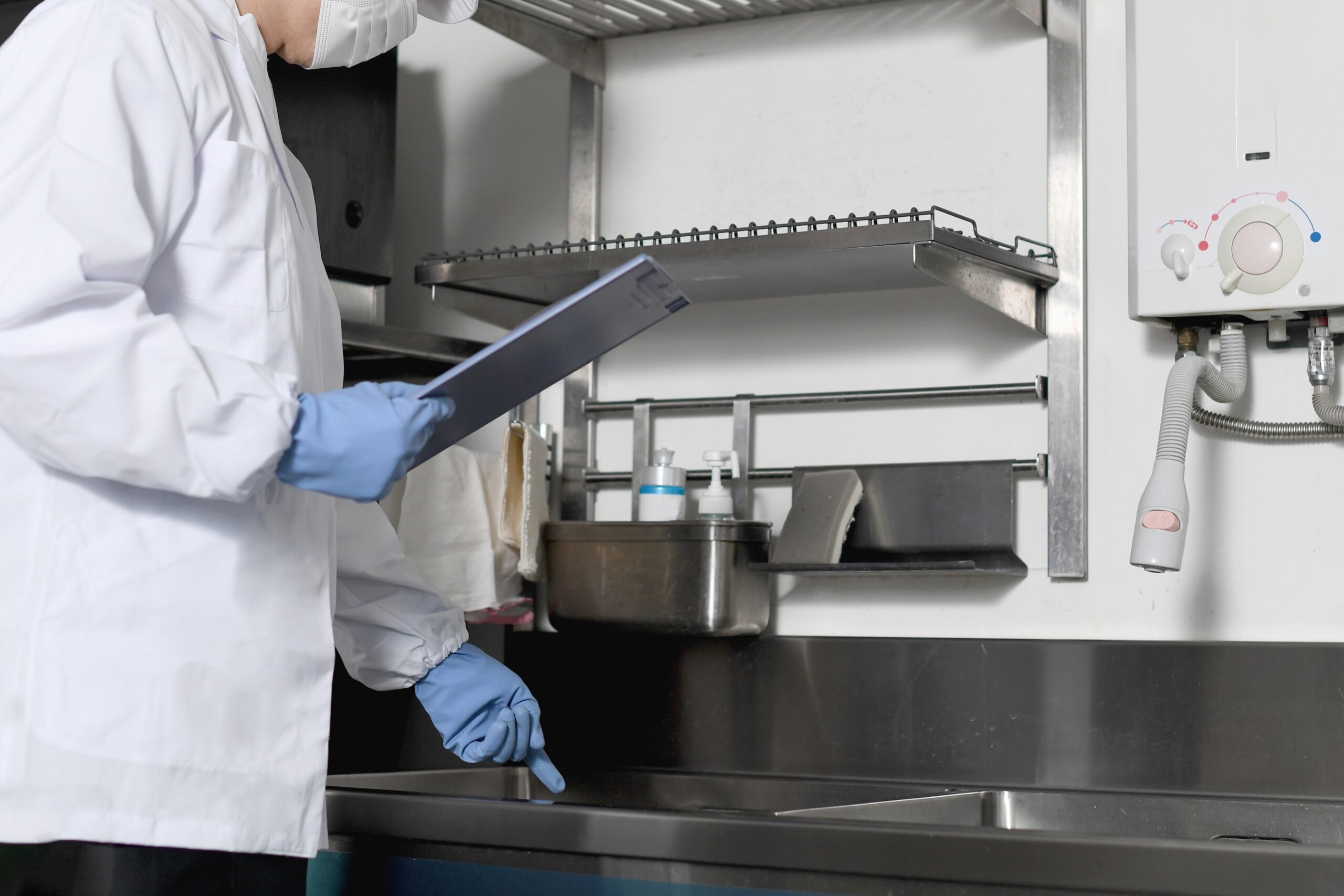
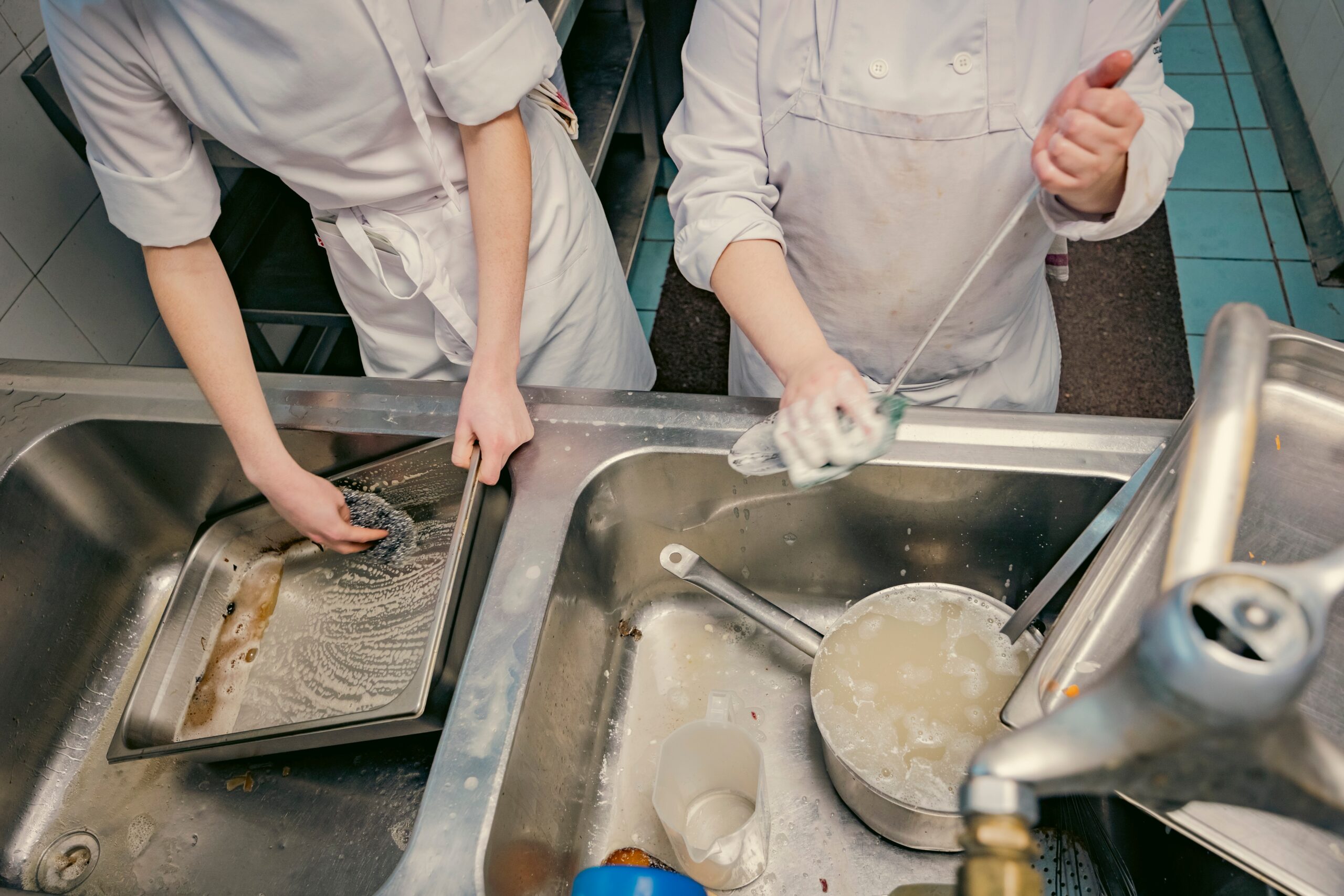
In any restaurant, cleanliness isn’t just a chore, it’s a sign of quality. A clean restaurant kitchen shows your team takes pride in their work, values guest safety, and respects the food they prepare. It protects your staff, reassures your customers, and creates a space where great service and great meals can thrive.
Cleanliness is also directly tied to compliance. Local health departments look closely at how well your space is maintained. Failures can result in fines, shutdowns, or damaging reviews. Even one missed cleaning cycle can affect your food safety score or lead to a failed inspection.
Beyond safety, there’s perception. Guests notice grime, dirty bathrooms, and unkept floors. First impressions matter, and a spotless dining environment builds trust. Your staff also benefits from a clean space, boosting morale, reducing injury risk, and encouraging consistent habits.
For many operators, partnering with professional restaurant cleaning services or janitorial services ensures that cleaning commercial spaces is done to the highest standards, protecting your brand and bottom line.
Key Areas to Prioritize During Cleaning
Not every area in your establishment requires the same frequency of cleaning, but certain zones should never be overlooked, because customers and staff notice. If a restroom is dirty or the floors are slick with grease, guests will assume the restaurant kitchen is just as neglected. First impressions matter, and sanitation is part of your brand.
Prioritize these high-impact areas:
- Food prep surfaces (cutting boards, counters, prep tables)
These are ground zero for cross-contamination, so they must be sanitized regularly throughout service to keep food safe. - Cooking equipment (grills, fryers, ovens)
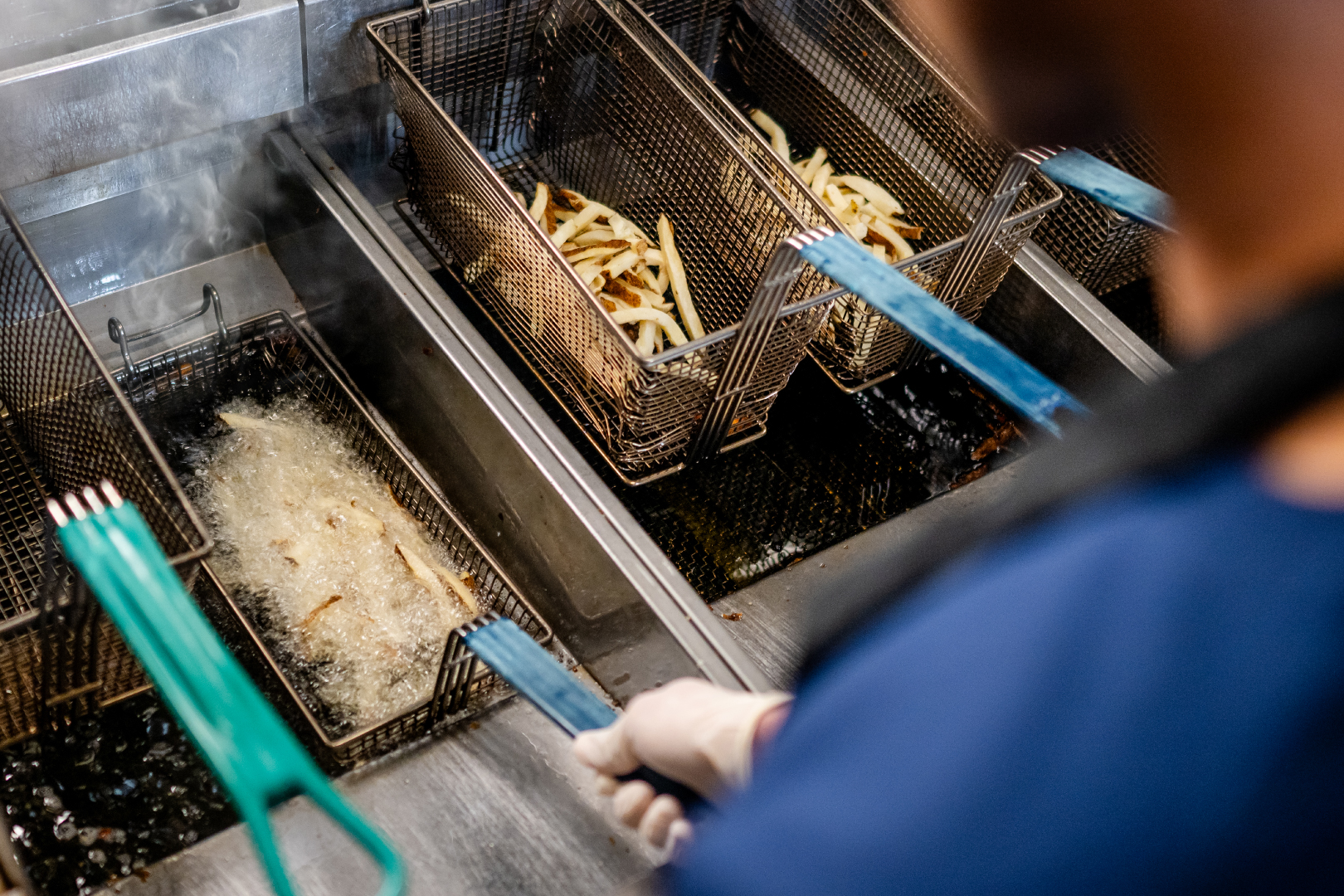
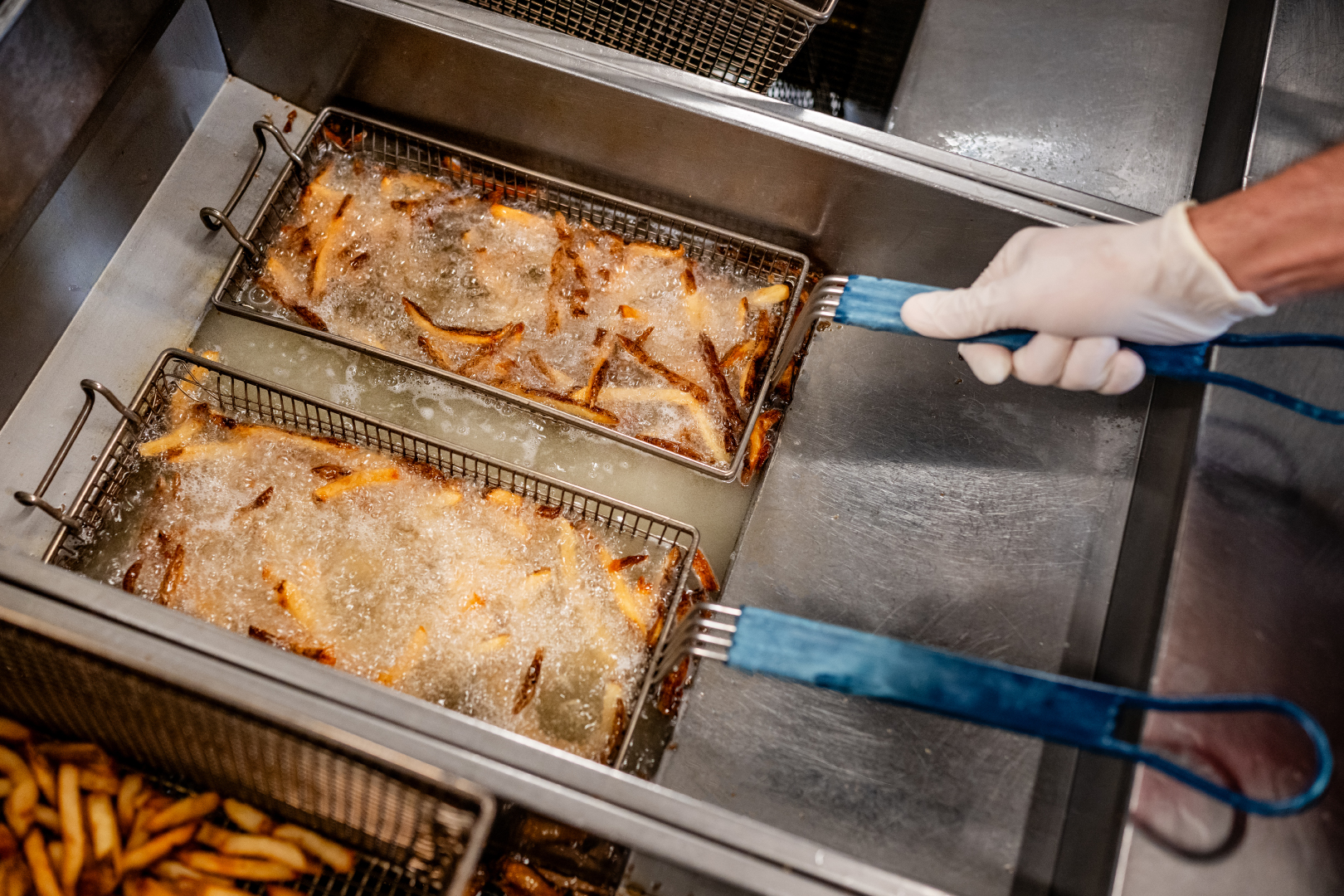
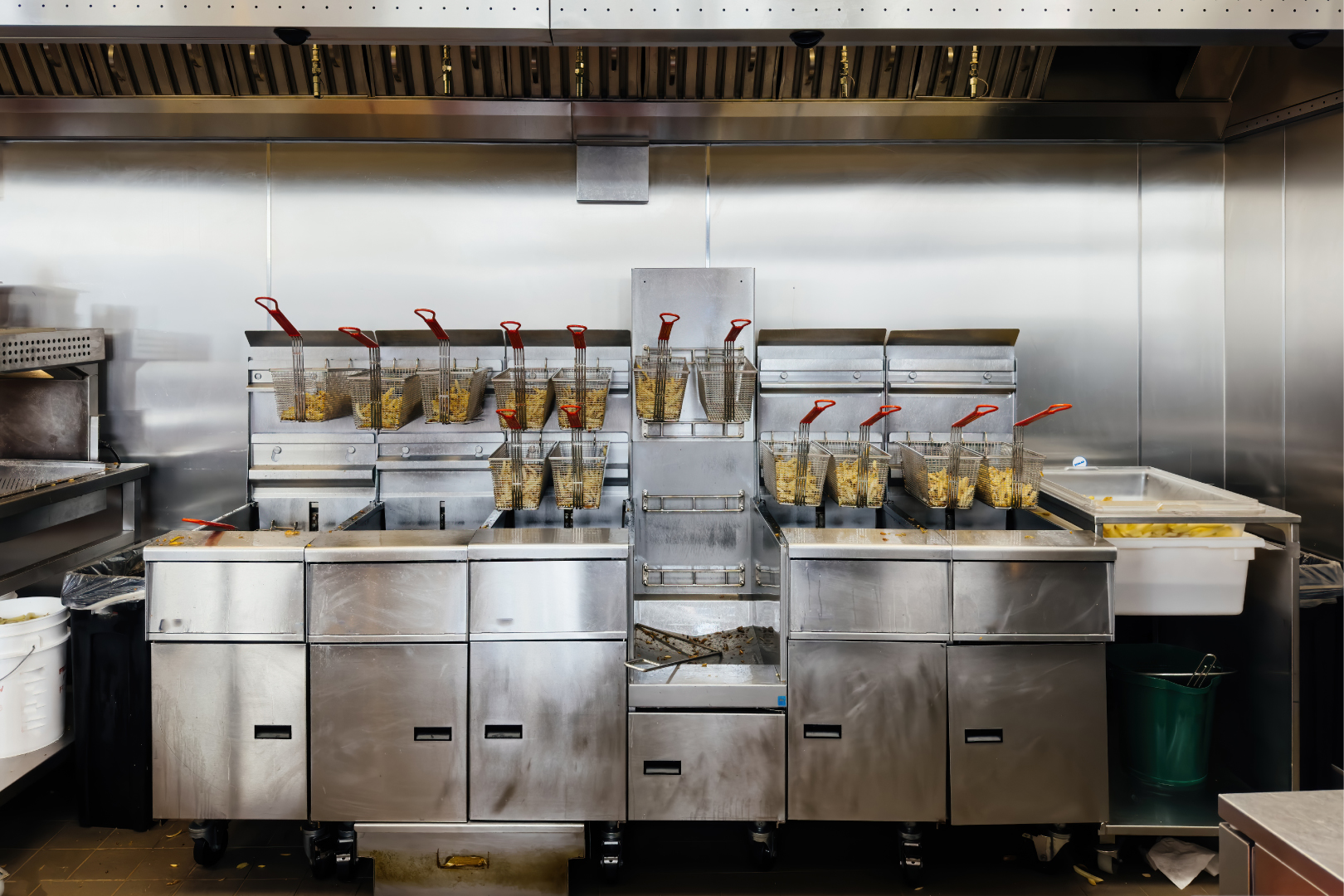
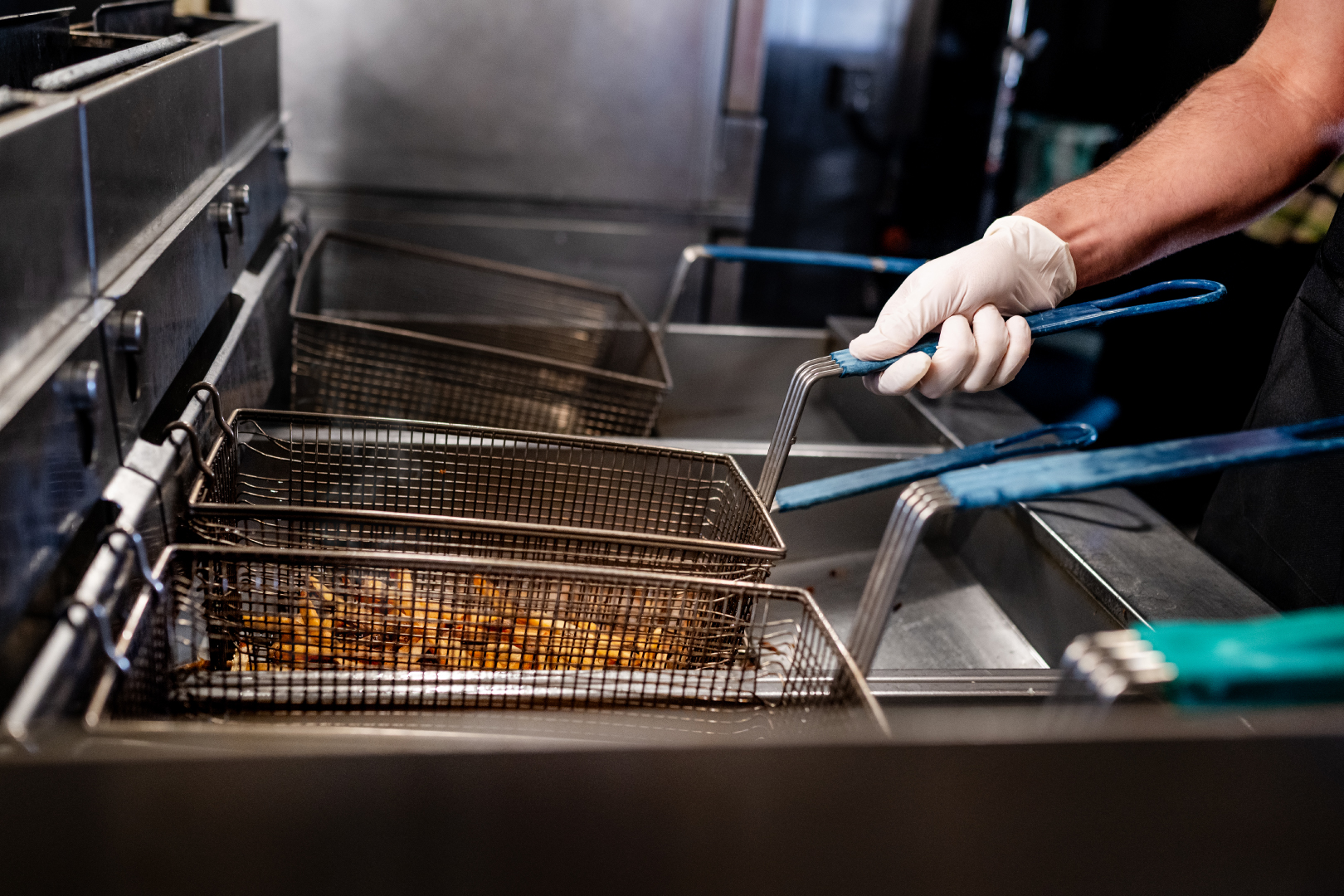
Built-up grease and food residue can degrade equipment performance and become a fire hazard if not cleaned thoroughly. - Restrooms (sinks, toilets, and especially floors)—a spotless restroom signals a clean back-of-house
Dirty bathrooms immediately cast doubt on overall cleanliness; customers will assume your commercial kitchen looks the same—or worse. - Dining areas (tables, booths, menus, condiment stations)
These are the first and most frequent touchpoints for guests, and even small lapses can impact perception and reviews. Consider restaurant cleaning services that provide comprehensive front-of-house cleaning services as well. - Floors and mats, particularly around entrances and along kitchen lines
Greasy or slippery floors are both a hygiene concern and a safety hazard, increasing the risk of falls and costly injuries. Professional cleaning services can help maintain your floors to industry standards and extend their lifespan. - High-touch items (door handles, POS terminals, faucet handles)
These can spread germs quickly between staff and guests and should be disinfected several times per shift. Regular maintenance of these areas is essential to support a healthy facility.
Some of these spaces need to be cleaned multiple times a day. Others fall under scheduled deep cleans. Either way, a consistent cleaning protocol ensures nothing is overlooked, and guests feel confident about the cleanliness of your entire operation.
Daily vs. Deep Cleaning Tasks
A strong cleaning routine isn’t just about frequency, it’s about strategy. The most successful programs clearly separate what must happen every day to maintain safety and hygiene from the deeper, more intensive tasks that prevent long-term buildup and equipment failure. Daily tasks keep the operation running smoothly and visibly clean, while scheduled deep cleaning ensures nothing slips through the cracks. Both are essential to protecting your brand, your staff, and your guests.
Daily Cleaning Checklist
Daily tasks help maintain hygiene, keep operations running smoothly, and ensure you’re always ready for surprise inspections. A typical checklist might include:
- Wipe and sanitize food prep surfaces after each use
- Clean and sanitize commercial kitchen equipment (grills, fryers, flat tops)
- Sweep and mop floors
- Empty all trash bins and clean liners
- Clean restrooms multiple times per shift
- Sanitize dining tables and condiment holders
- Check and clean grease traps
- Refill soap, sanitizer, paper towels, and toilet paper
Encourage your staff to treat cleaning like part of the flow, rather than an afterthought, This ensures that these tasks are prioritized and easier to manage.
Weekly and Monthly Deep Clean Items
Some jobs can be scheduled ahead of time. These deeper cleaning efforts tackle what daily wipe-downs can’t. While daily cleaning keeps surfaces safe and presentable, deep cleaning addresses the hidden grime that accumulates in hard-to-reach areas—behind equipment, inside vents, or under appliances. Left unchecked, this buildup can affect food safety, cause equipment breakdowns, and lead to costly health violations. Scheduling deep cleans on a rotating basis ensures your commercial kitchen stays compliant, efficient, and truly clean from the inside out.
Weekly:
- Clean behind and underneath major appliances
- Descale coffee and beverage machines
- Sanitize walk-in coolers and freezer handles
- Polish stainless steel surfaces
- Inspect and clean hood filters
Monthly:
- Degrease exhaust hoods and flues
- Check for mold or buildup in drains and seals
- Deep-clean floor mats
- Wash walls and ceiling tiles
- Inspect vents and air returns
Staying on schedule with these longer-term tasks protects your equipment and extends its life—especially in high-grease restaurant kitchen environments.
Common Commercial Cleaning Mistakes to Avoid
Even experienced teams can fall into habits that undermine cleaning efforts. Some of the most common mistakes include:
- Cross-contamination: Using the same cloth or sponge across surfaces (especially between raw prep and dining zones)
- Improper chemical use: Not following product guidelines, mixing cleaners, or using the wrong solution for the wrong surface
- Skipping cleaning intervals: Pushing off non-urgent tasks until they become bigger problems
- Ignoring equipment exteriors: Focusing on inside components but letting dust or grease build up on outer surfaces
- Failing to rotate staff responsibilities: Assigning the same person to clean every shift can result in burnout or complacency. Every staff member is responsible for keeping the facility clean and tidy, no matter their seniority (including management and owners!).
Training and spot checks can help avoid these pitfalls. So can simple checklists and posted reminders in back-of-house areas.
Choosing the Right Commercial Cleaning Products
Using the right cleaning products matters just as much as using them consistently. Look for:
- EPA-registered disinfectants for sanitizing high-touch and food-contact surfaces
- Food-safe sanitizers for equipment and prep areas
- Degreasers for grills, exhaust hoods, and floors
- Non-abrasive cleaners for delicate surfaces like stainless steel and glass
Always follow manufacturer instructions, especially when it comes to dwell time (how long a surface should stay wet). And never mix cleaning agents unless you’re sure it’s safe. Keep products labeled clearly, stored securely, and readily accessible for team members.
Should You Hire a Professional Cleaning Service?
Not every task can or should be handled in-house. There are times when outsourcing makes more sense, particularly for:
- Restaurants with limited back-of-house staff
- High-volume kitchens where deep cleans fall behind
- Older buildings with airflow or venting challenges
- Specialized services like duct degreasing, pest control, or floor stripping
Even if you handle daily cleaning in-house, scheduling professional deep cleans on a quarterly basis can help maintain health scores and reduce equipment wear.
For example, many operators find it more efficient to use an automated cooking oil management system instead of handling fryer oil manually. Not only does this save time, but it also reduces spills and risks associated with hot oil handling.
Build a Culture of Clean
The most effective cleaning program doesn’t rely solely on checklists—it’s driven by a team culture that values attention to detail. Encourage staff to take initiative by calling out or addressing commercial cleaning needs before they’re assigned. Lead by example: when managers and owners step in to wipe down a counter or double-check a restroom, it reinforces that no task is beneath anyone. Some restaurants find success with small incentives or recognition programs that reward cleanliness or teamwork. Ultimately, when your team takes pride in a clean environment, it shows in every shift, every surface, and every guest experience.
Final Thoughts on Maintaining a Clean Restaurant
Cleanliness is a reflection of how a restaurant is run. It’s not just about meeting code—it’s about earning customer loyalty, avoiding safety risks, and protecting your brand’s reputation. From the front door to the walk-in freezer, every inch of your establishment contributes to the overall dining experience.
Make cleaning part of your restaurant’s culture, not a chore. Assign responsibilities, post checklists, and reinforce best practices during team meetings. Your staff will take more pride in their work, and your guests will notice the difference.
When possible, take cleaning a step further with smart systems that reduce manual effort and improve consistency. Restaurant Technologies’ automated cooking oil management solutions are designed to help you run a safer, cleaner commercial kitchen while reducing waste and labor strain.
Whether you’re just opening or refreshing your protocols, investing in a strong cleaning strategy will pay off in fewer problems, better inspections, and a more professional environment.
Sources:
Toast. Restaurant Cleaning Checklist: The Ultimate Guide (2025). https://pos.toasttab.com/blog/on-the-line/restaurant-cleaning?srsltid=AfmBOor1I87A07UhvaO5QQnbGd_EwGyeUy7cVw-uXSvYDUnDotBJywDg
Food and Wine. Gross Restaurant Bathrooms Make Me Question Everything. https://www.foodandwine.com/dirty-bathroom-restaurant-7108947#:~:text=Not%20every%20restaurant%20requires%20a,Explore%20more
RestaurantWare. Cleaning Supplies for Commercial Kitchens: What the Pros Use. https://www.restaurantware.com/blogs/safety-and-sanitation/cleaning-supplies-for-commercial-kitchens-what-the-pros-use?srsltid=AfmBOoqRjZOqzJz76OOklqoD4zqvpM-aNSWf6MotAi-9nzt1cb4T5waw