
Whether you manage a hotel restaurant or own a franchise of QSRs, chances are high you’re well aware that cooking oil theft is on the rise.1 Indeed, the cooking oil market size is rapidly increasing, with estimates suggesting it’ll be globally valued at $10.08 billion by 2028.2
But why? And how much is used cooking oil worth?
You’ve landed in the right spot. Let’s walk through the basics behind the yellow grease market and how you can leverage the growing market size of used cooking oil to your benefit.
The Price of Used Cooking Oil
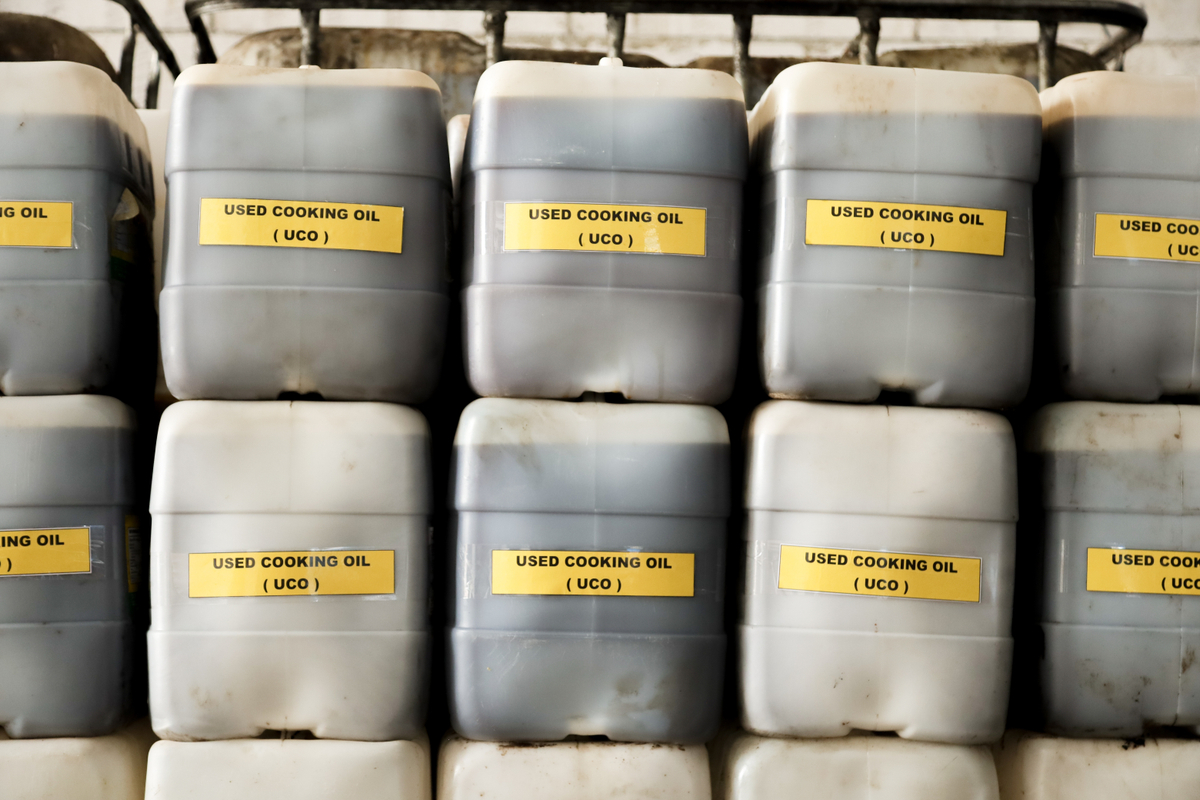
The price of used cooking oil hinges on several factors, including where it was sourced and how it was used.3 That said, the latest USDA report indicates that yellow grease fluctuates between 21 and 41 cents per pound.4 On the black market, it’s deemed liquid gold.
Before we get deeper into the topic, let’s back up briefly. What is yellow grease, and how does it differ from other types of used cooking grease?
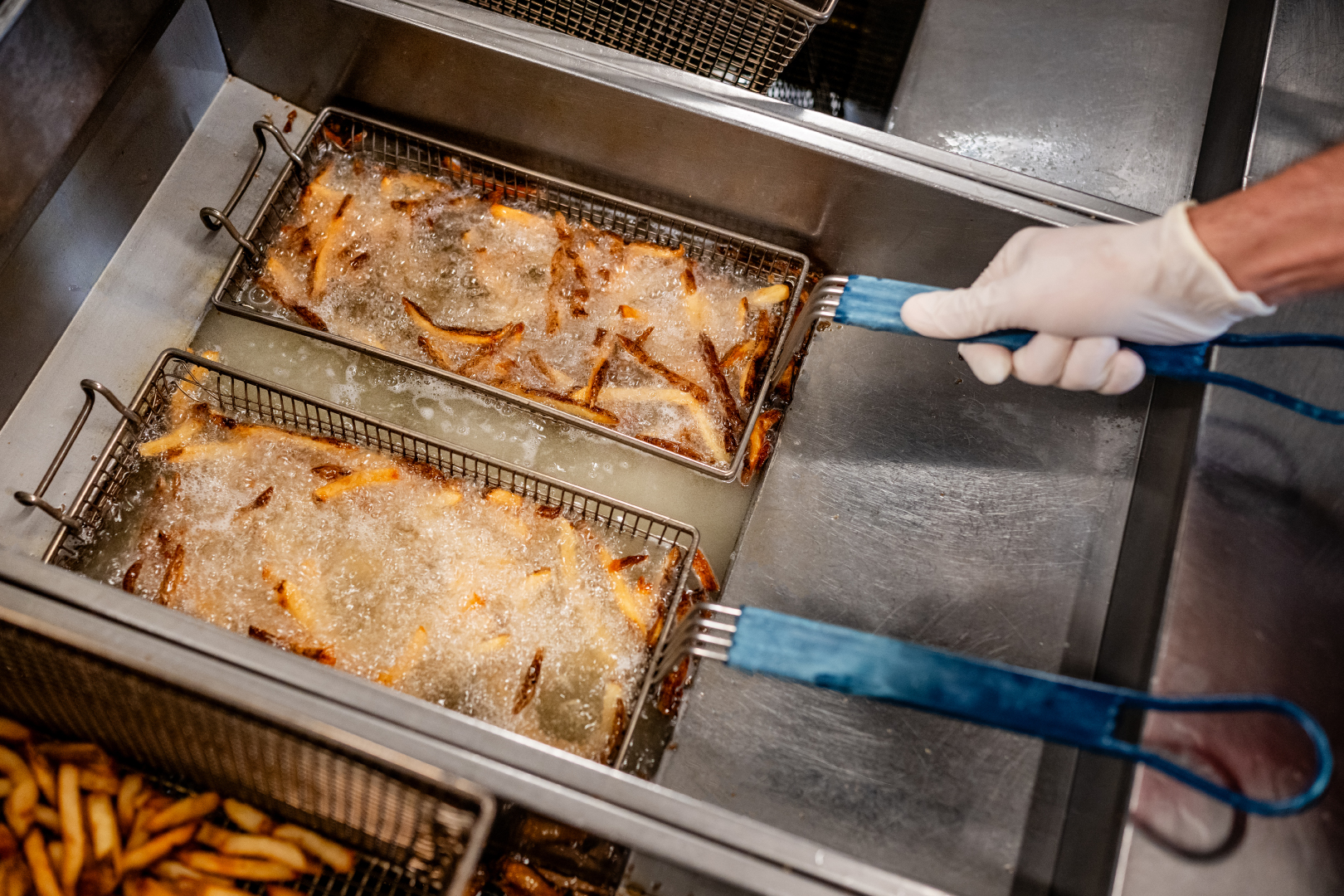
- Yellow grease – Put simply, yellow grease is what you might think of when you picture fryer oil.5 Defined as a FOG (or fat, oil, or grease), it refers to renderable cooking oil that’s neither come into contact with nor been contaminated by things like wastewater or solid waste.
- Brown grease – Brown grease is another FOG, but it isn’t, well, clean: it’s pulled from places like grease traps.
Why Yellow Grease Is a Hot Commodity
Yellow grease has become a valuable resource because it plays a critical role in the growing used cooking oil industry and the broader shift toward renewable energy. What was once considered waste oil is now a sought-after feedstock for fuel production, driven by increasing demand for sustainable alternatives to petroleum diesel. As renewable diesel and biodiesel continue to gain traction, the value of used cooking oil has risen alongside market growth and tighter supply.
Several factors make yellow grease especially attractive in today’s market:
- High demand for renewable fuel feedstock: Used cooking oil is a preferred raw material for renewable diesel and biodiesel production because it supports a lower carbon footprint compared to fossil fuels.
- Strong market value per gallon and per pound: Used cooking oil prices fluctuate with cooking oil prices and fuel markets, but values such as 41 cents per pound highlight its worth as a traded commodity.
- Environmental benefits: Converting used cooking oil into fuel helps reduce greenhouse gas emissions and supports sustainability initiatives across the energy sector.
- Reliable supply from commercial kitchens: Restaurants and food service operations account for a significant portion of UCO supply, making consistent cooking oil collection essential to market stability.
- Quality-driven pricing: Oil quality matters. Cleaner fryer oil with minimal contamination commands higher value in the processing of used cooking oil for fuel applications.
Current U.S. Market Snapshot on Used Cooking Oil
In the United States, the used cooking oil market continues to evolve as demand for renewable energy sources accelerates. In 2025, increasing raw material demand from the biodiesel industry and renewable diesel producers has kept the market competitive, with used cooking oil prices closely tied to fuel economics and supply availability. The value of used cooking oil is often measured per gallon or per pound, depending on region and collection method.
Key characteristics of the current U.S. market include:
- Steady demand from renewable diesel producers: Renewable diesel derived from UCO is helping reduce reliance on fossil fuels and petroleum diesel.
- Price sensitivity tied to fuel markets: Cooking oil prices, fuel demand, and policy incentives all influence market value.
- Growth in collection and processing infrastructure: Expanded cooking oil collection networks improve supply reliability for fuel producers.
- Emphasis on proper disposal and traceability: Used cooking oil disposal methods and traceability impact pricing and downstream usability.
- Market stability driven by long-term contracts: Many participants in the used cooking oil industry rely on structured agreements to manage volatility.
The Global Used Cooking Oil Market
The global market for used cooking oil continues to expand as countries prioritize renewable energy and emissions reduction. Biodiesel produced from used cooking oil accounts for a significant portion of global biodiesel output, with demand for sustainable fuel alternatives growing across multiple regions. Governments and industries alike are promoting renewable energy sources that offer measurable environmental benefits.
Asia Pacific plays a major role in the global biodiesel market, driven by population density, large-scale food service operations, and increasing demand for renewable fuel. As global market trends continue to favor lower carbon solutions, the collection and processing of used cooking oil remains a critical link in converting waste into value from a resource.
Why is Used Cooking So Valuable?
The used vegetable oil price remains valuable because of yellow grease’s myriad of applications. These include:
- Animal feed manufacturing – Recycled yellow grease is used as a nutritious and high-calorie ingredient in animal feed that, in turn, allows farmers to raise more, and healthier, livestock.
- Industrial products – Yellow grease is also used as an oleochemical—or a chemical derived mainly from plants—in a variety of industrial products.6 These include cosmetics, soaps, detergents, and rubber.
- Lubricants – Additionally, yellow grease is used in food production facilities to lubricate machinery.
- Renewable Biodiesel production – Above all, however, yellow grease is a hot commodity because it can be leveraged in the production of renewable biodiesel—an alternative to traditional fossil fuels that contributes to a more sustainable environment.
Another thing that makes used cooking oil valuable is traceability. The ability to prove that the oil was used and where it came from contributes greatly to its value. Our Total Oil Management system provides the industry’s most accurate and reliable traceability. That means you can achieve the greatest possible value.
As for brown grease? It’s challenging to reuse due to its contamination with waste, but it might have a hand in renewable energy in the future7.

Market Dynamics: Supply and Demand
The demand for yellow grease is the force behind increasing prices. Currently, yellow grease makes up an estimated 5% of the 24 billion pounds of renewal animal feed that’s produced in the United States.8 The US government also promotes renewable biodiesel production and awards its producers with various tax credits. The result? A cooking oil market that’s continuing to heat up (pun intended).
Who is Buying Used Cooking Oil?
Used cooking oil is primarily purchased by:
- Animal feed manufacturers
- Renewable biodiesel producers
- Industries that use biodiesel, such as transportation and electricity
How Can you Manage & Recycle Used Cooking Oil
Utilizing cooking oil management services can be a boon for your bottom line and your food service business as a whole. In addition to potentially decreasing costs, cooking oil management9:
- Improves safety by reducing the risk of slips, falls, and burns
- Frees up employees to attend to other (less dirty and burdensome) tasks
- Enhances food quality
- Acts as an eco-friendly alternative to traditional methods of tossing used cooking oil, which may boost your reputation and drive in more customers
Keep in mind that several factors may impact the profit of selling used cooking oil. These include market demand and whether or not your yellow grease meets specific purity standards needed to recycle it.9
Is Cooking Oil Recycling Mandatory?
Cooking oil recycling requirements vary by jurisdiction, but many states and municipalities require proper disposal of used cooking oil to protect infrastructure and the environment. While not always mandated nationwide, food businesses are often expected to follow local regulations that govern used cooking oil disposal and collection. Recycling used oil supports compliance, reduces environmental impact, and helps ensure that this valuable resource can be converted into renewable fuel rather than contributing to pollution.
Preventing Theft
The recent spate of used cooking oil thefts emphasizes the importance of implementing a robust security system. Protect your business and your pocketbook by:
- Using indoor containers for oil storage, or locked outdoor containers
- Installing alarm systems and cameras
- Implementing lighting where your cooking oil is stored
Additionally, consider training your staff on the threat of cooking oil theft to help ensure your whole team remains on the lookout.
Maximizing Your Returns with Restaurant Technologies
Given the pivotal role cooking oil plays in everything from sustainable farming to biodiesel production, we’d say the real yellow grease price is priceless.
It’s one of the many reasons we’re at the forefront of cooking oil management. Our Total Oil Management offers establishments like yours bulk oil delivery, filtration and monitoring, cooking oil recycling, and removal—all so that your restaurant can flourish.
Additionally, enhance your sustainability efforts by discovering how to recycle oil bottles, which can significantly reduce your restaurant’s environmental footprint. For those involved in cafeteria operations, discover our tips on how to run a cafeteria to find key strategies for enhancing efficiency and customer satisfaction.
Up-level your back-of-house operations with Restaurant Technologies.
Sources:
- CBS News. Used cooking oil thefts making a big comeback on Long Island. https://www.cbsnews.com/newyork/news/long-island-used-cooking-oil-thefts
- Fortune Business Insights. Used cooking oil market size, share & COVID-19 impact analysis. https://www.fortunebusinessinsights.com/used-cooking-oil-market-103665
- Spherical Insights. Used cooking oil market size, share, trend, forecast 2030. https://www.sphericalinsights.com/reports/used-cooking-oil-market
- USDA. Monthly national animal by-product feedstuff report. https://www.ams.usda.gov/mnreports/ams_3669.pdf
- Montgomery County. What is the difference between yellow grease and brown grease?https://www.mcohio.org/FAQ.aspx?QID=196
- ScienceDirect. Oleochemical. https://www.sciencedirect.com/topics/biochemistry-genetics-and-molecular-biology/oleochemical
- Neste. Future raw materials. https://www.neste.com/products-and-innovation/raw-materials/future-raw-materials
- Reiter Trading. Factors affecting the cost of yellow grease. https://reitertrading.com/blog/price-of-yellow-grease
- McKinsey & Company. Consumers care about sustainability—and back it up with their wallets .https://www.mckinsey.com/industries/consumer-packaged-goods/our-insights/consumers-care-about-sustainability-and-back-it-up-with-their-wallets