
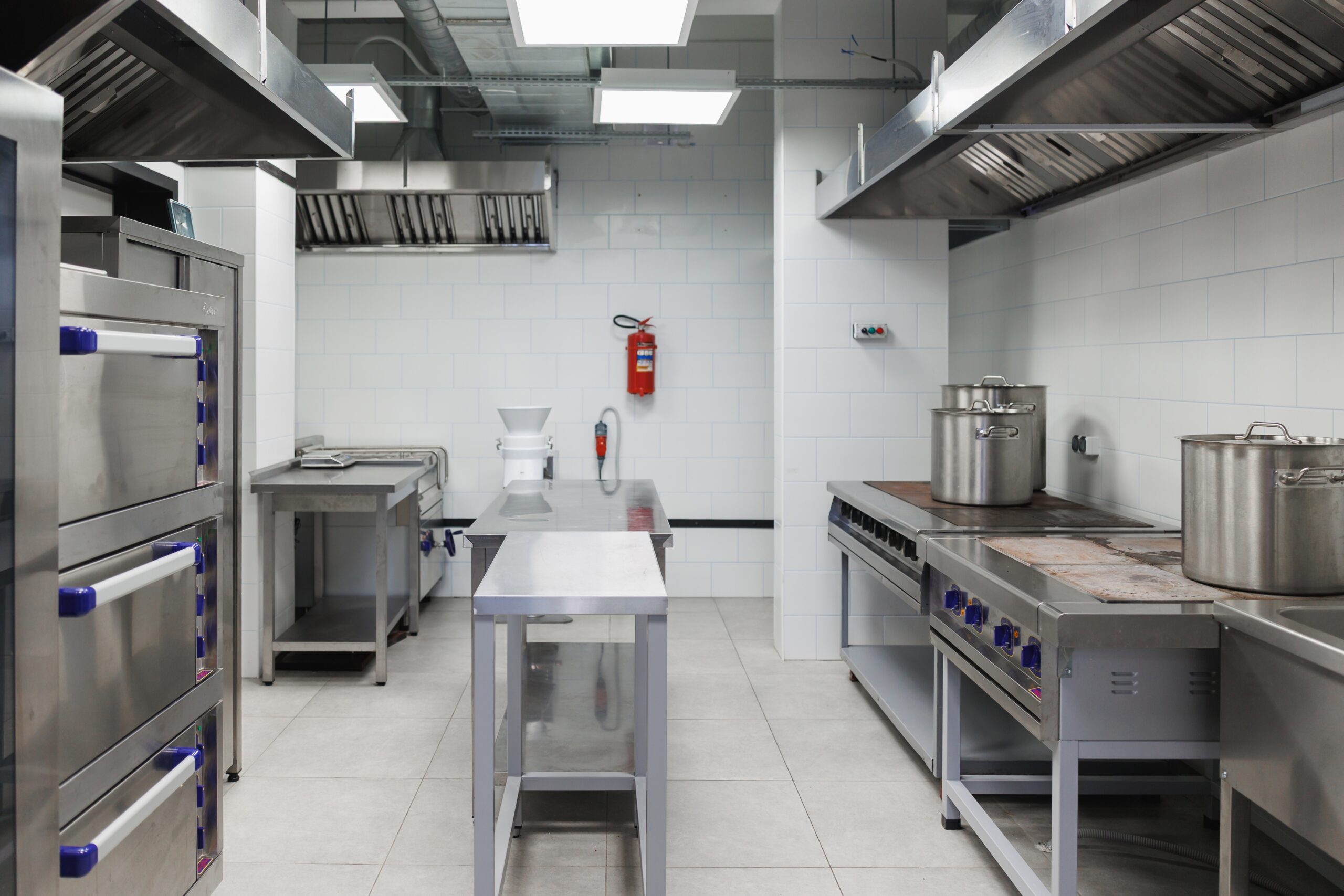
Small commercial kitchens face unique design challenges. Limited square footage, tight workflows, and strict safety requirements leave little room for inefficiency. A well-planned small commercial kitchen layout makes the most of every inch, helping teams stay productive while meeting health and safety standards.
With the right approach, even compact kitchens can support consistent output, safe operations, and smooth service.
Challenges of Small Commercial Kitchen Layouts
Space constraints are the most obvious challenge in small kitchens, but they are rarely the only concern.
Common issues include:
- Limited storage for ingredients, equipment, and supplies
- Tight cook lines that increase cross-traffic
- Ventilation and fire suppression requirements that reduce usable space
- Fewer staff members managing multiple tasks at once
Without a clear layout strategy, these challenges can slow service and increase safety risks.
Maximizing Functionality in Limited Space
Designing for a small kitchen starts with prioritizing function over excess equipment. Every surface and appliance should serve a clear purpose.
Effective space-saving strategies include:
- Vertical storage using wall-mounted shelving and racks
- Undercounter appliances to free up prep surfaces
- Multipurpose workstations that support prep, plating, and light storage
- Mobile equipment that can be repositioned as needed
Reducing clutter and unnecessary movement helps small teams stay focused during busy shifts.
Essential Kitchen Zones in a Small Space
Even the smallest commercial kitchens need defined zones to operate safely and efficiently.
Core zones include:
- Prep areas for ingredient handling and portioning
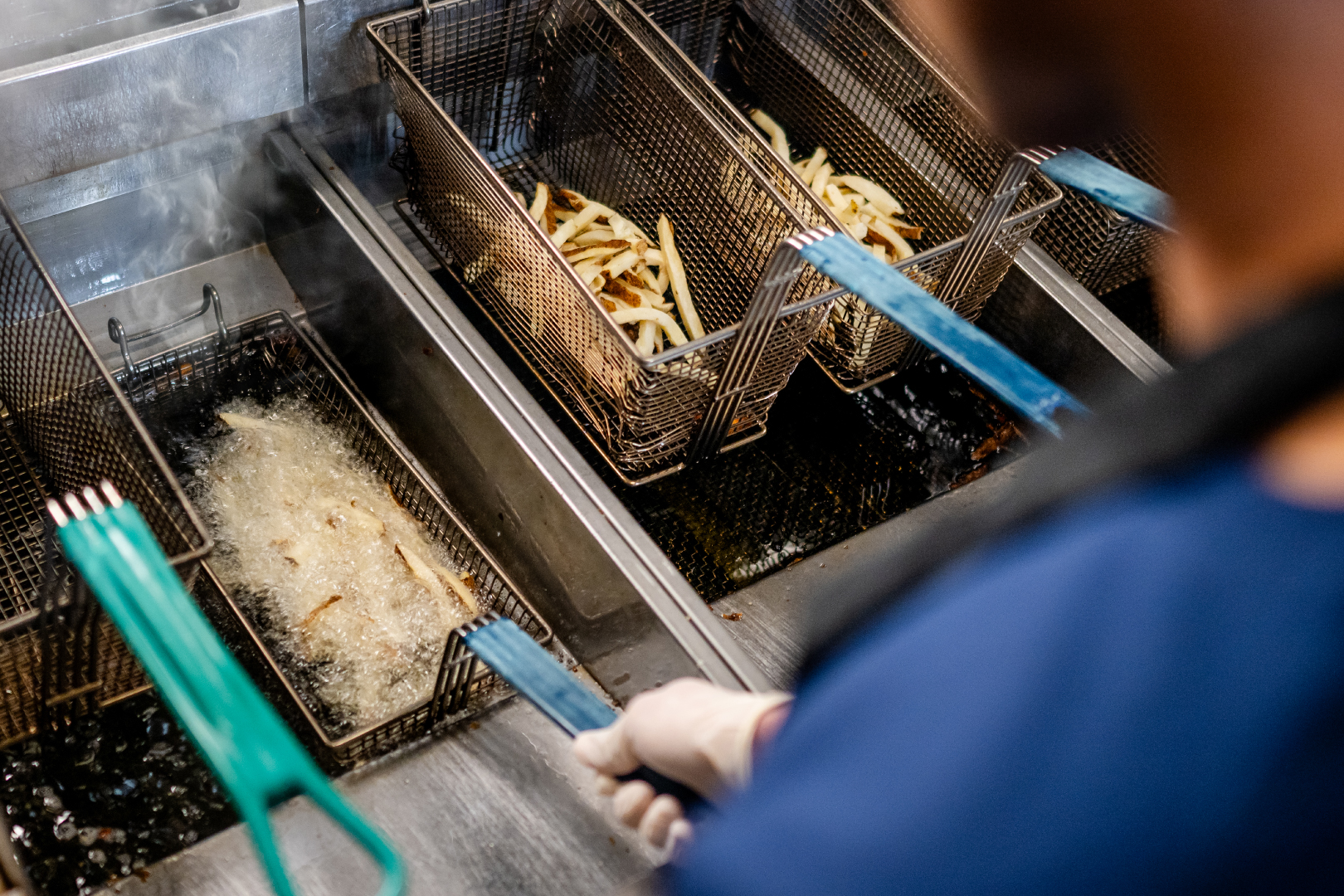
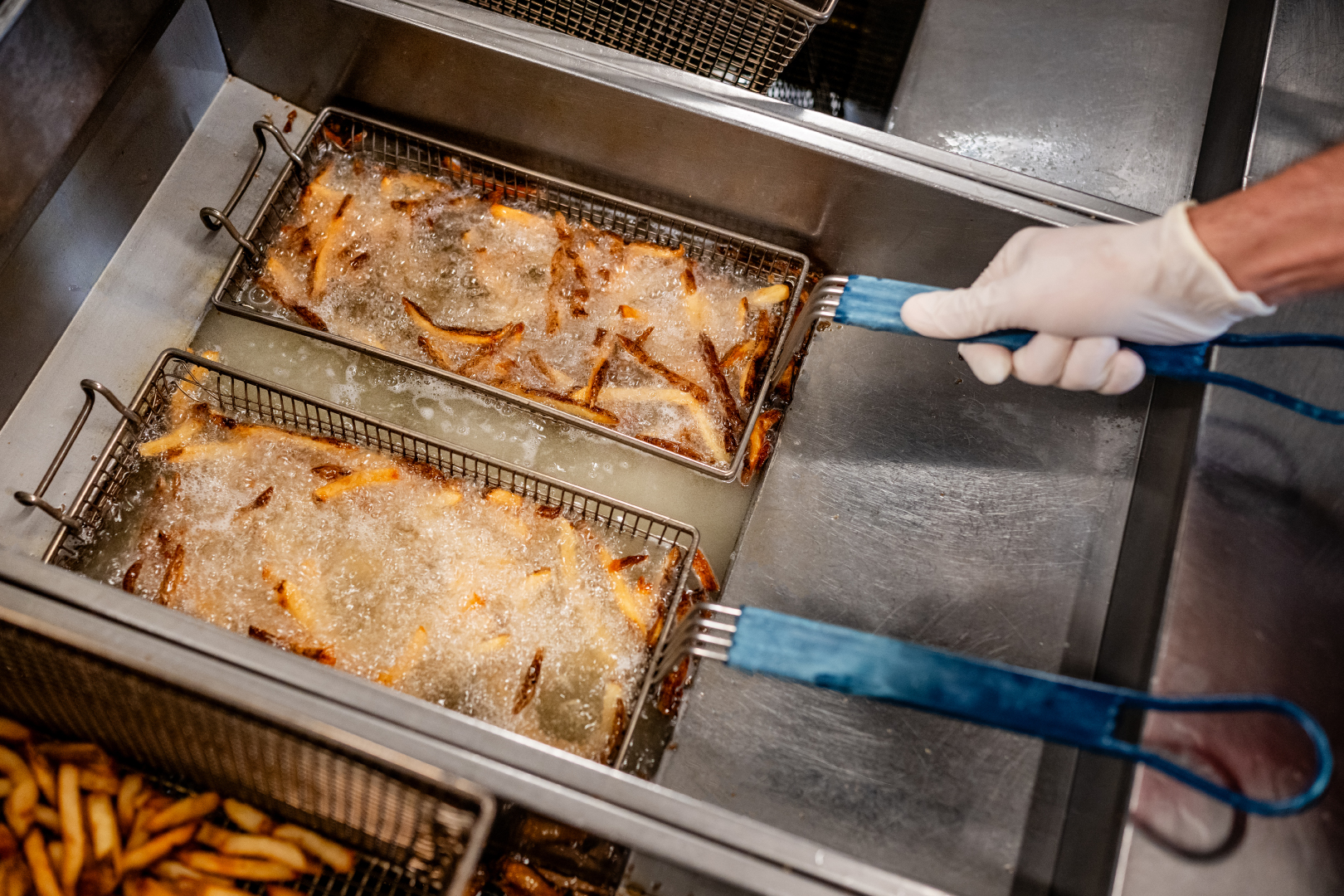
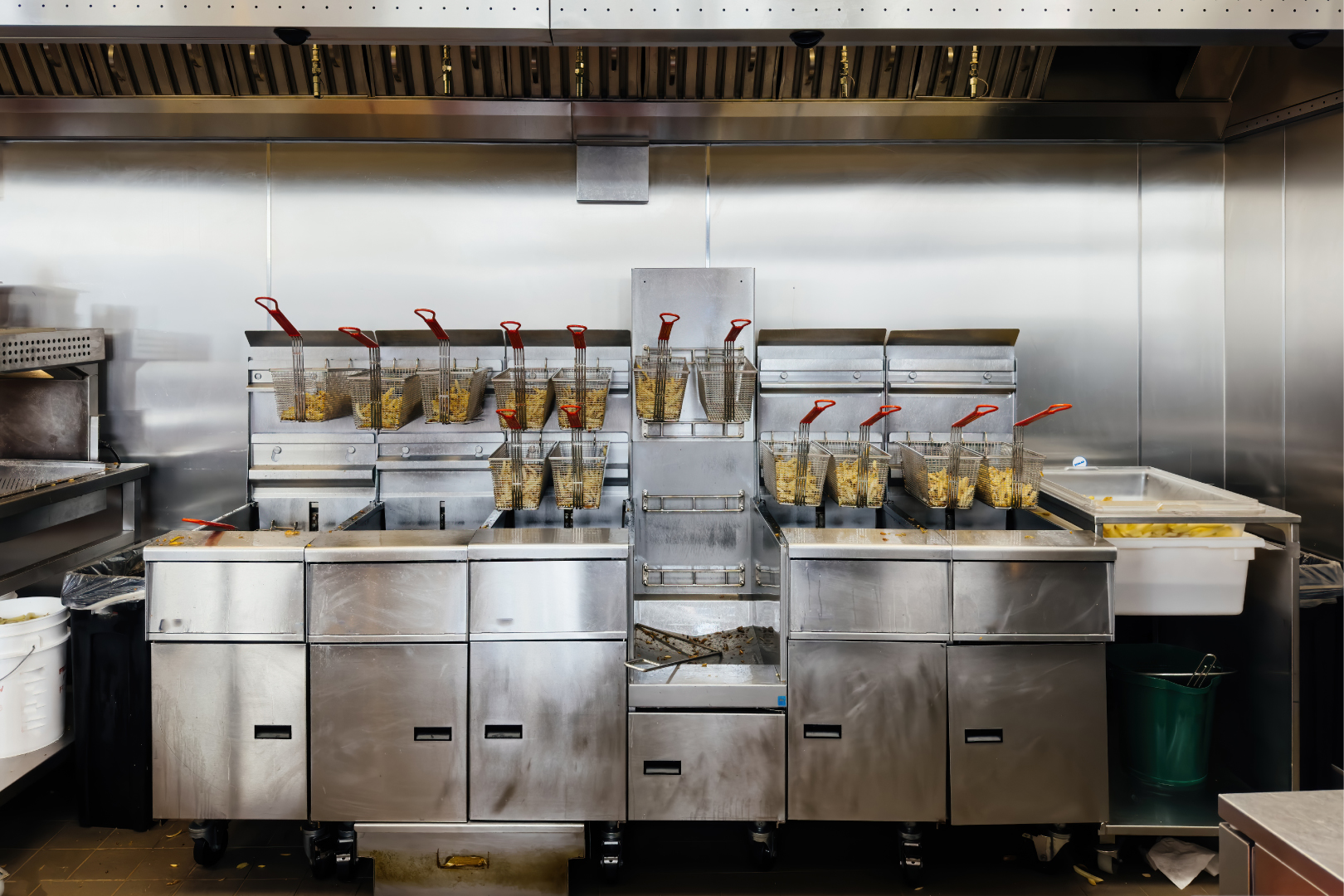
- Cooking zones for ranges, fryers, and ovens
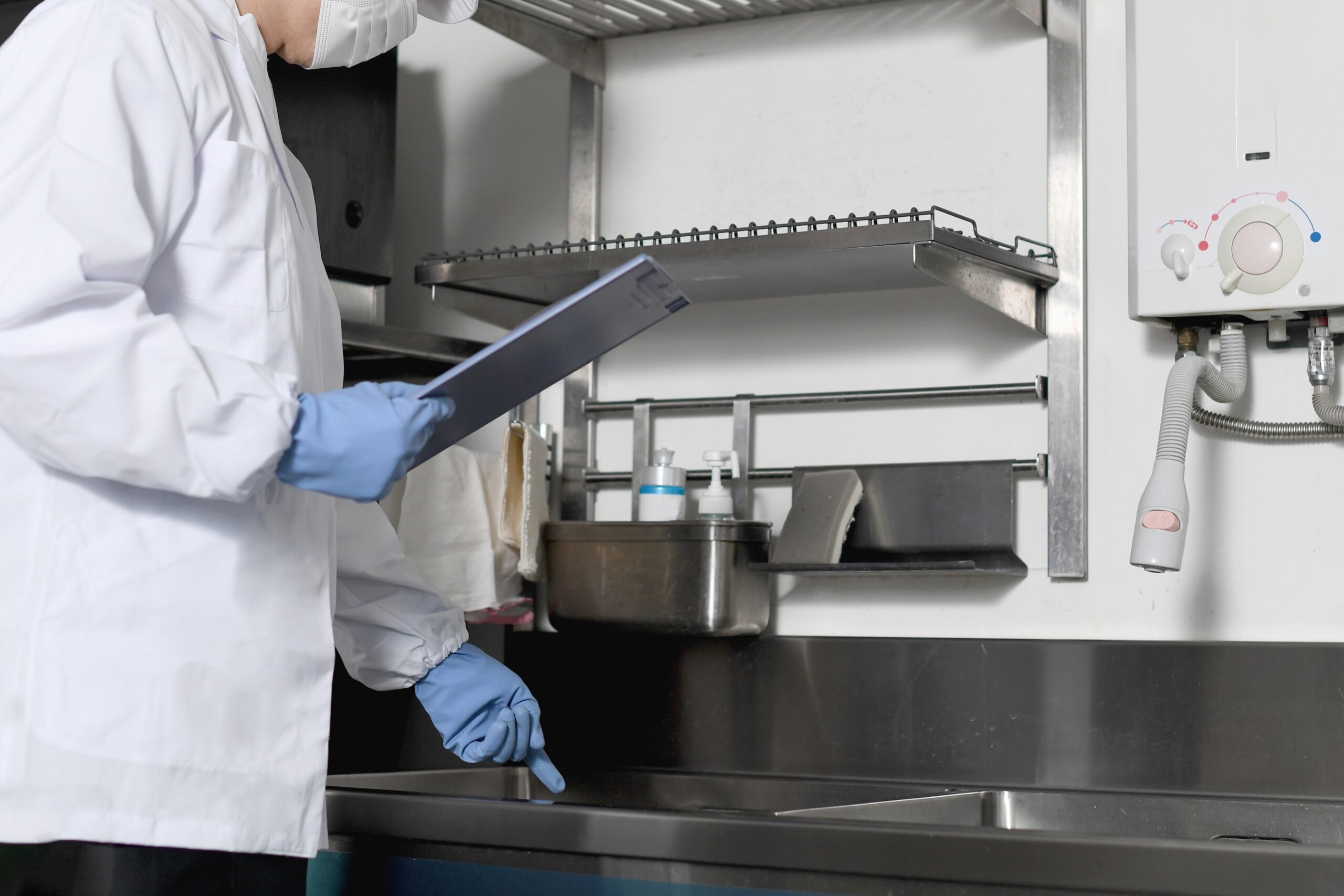
- Cleaning areas for dishwashing and waste handling
In compact layouts, these zones may overlap, but boundaries should still be clear. Careful planning helps prevent cross-contamination and keeps hot equipment away from high-traffic paths. Integrating systems for cooking oil disposal into the cleaning area also helps reduce the need to move hot oil through tight spaces.
Optimizing Prep and Cook Areas
Prep and cook areas often share space in small kitchens, making flexibility essential.
Operators frequently use:
- Fold-down or retractable prep surfaces
- Shared worktables that support multiple tasks
- Portable equipment that can be stored when not in use
Combining compatible tasks while keeping heat-producing equipment grouped together helps maintain flow and improve safety.
Selecting Compact, High-Output Equipment
Equipment selection plays a major role in small kitchen efficiency. Compact does not have to mean limited output.
Popular choices include:
- Countertop fryers and griddles
- Combination ovens that replace multiple appliances
- Slim refrigeration units designed for tight footprints
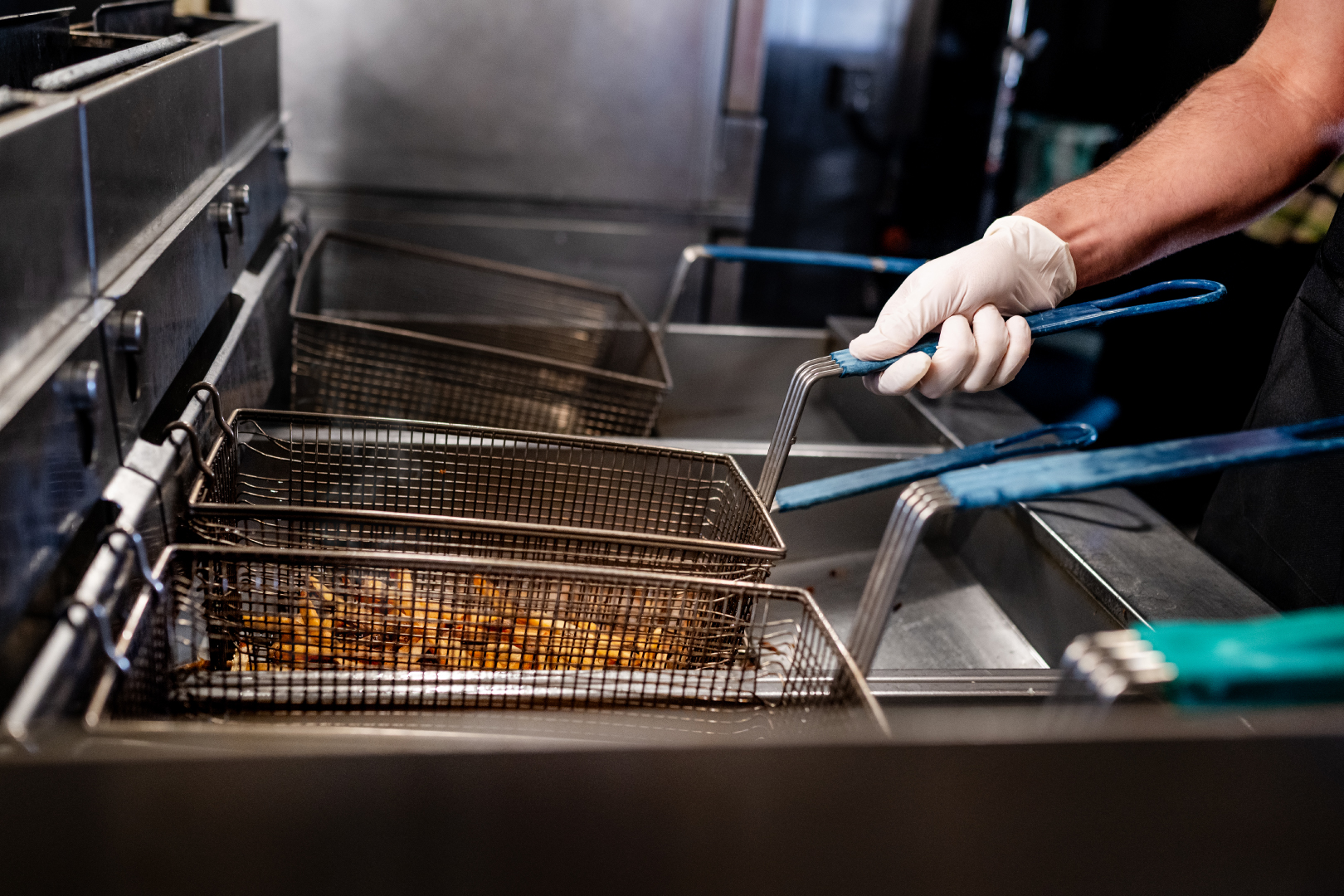
Fryer equipment that supports fryer filtration monitoring can help small teams maintain oil quality without adding extra steps to their workflow.
Choosing the Right Deep Fryer for Small Kitchens
Deep fryers are common even in compact kitchens, but they must be selected and placed carefully. Undercounter or narrow-profile fryers help preserve valuable floor space while supporting core menu items.
Small kitchens benefit from modern cooking oil management practices that automate filtration and oil handling. Reliable cooking oil delivery also helps operators avoid storing bulky oil containers on-site, freeing up space and reducing lifting risks.
These systems allow small teams to manage oil efficiently without dedicating additional labor or storage space.
Compliance and Safety in Tight Spaces
Code compliance is especially important in small kitchens, where tight layouts can increase risk.
Designs should account for:
- Proper ventilation and hood systems
- Fire suppression over cooking equipment
- Clear access to handwashing stations
- Slip-resistant flooring and unobstructed walkways
Well-organized layouts and enclosed systems help kitchens meet local requirements while maintaining a safer work environment.
Final Thoughts on Small Kitchen Layout Success
A small commercial kitchen does not have to limit performance. With a thoughtful layout, efficient equipment, and clear zone planning, compact spaces can support safe, consistent operations.
Small kitchens can also improve safety and free up valuable space by using compact oil filtration and disposal systems from Restaurant Technologies. By reducing manual oil handling and simplifying waste management, these systems help teams focus on food preparation and service, even in the tightest environments.