

The Importance of Streamlined Restaurant Operations
Running a restaurant has always been a balancing act between customer experience, kitchen efficiency, and tight margins. To stay profitable, operators must find ways to do more with less. Streamlining restaurant operations means identifying areas where time, effort, or resources are wasted and replacing them with systems that streamline daily tasks.
Artificial Intelligence (AI) is quickly becoming one of the most effective ways to achieve that goal. By analyzing data, predicting needs, and automating repetitive tasks, AI helps managers reduce waste, control costs, and make smarter, faster decisions. In other words, it turns operational data into real-world action, optimizing every link in the chain from supply ordering to staffing and service.
When used effectively, AI doesn’t replace human workers; it empowers them. It eliminates tedious manual work so teams can focus on hospitality, creativity, and delivering consistent quality. Interestingly, Deloitte surveyed 375 restaurant executives, and 36% of them listed “improved restaurant operations” as one of the top 3 benefits they hope to achieve through using AI.
AI in Order Management and Reservations
A restaurant’s first impression often starts before the guest walks in the door. AI-driven reservation and order-management systems help restaurants predict demand, manage seating flow, and deliver meals on time without overburdening staff.
For example, AI can forecast busy periods based on weather, local events, and historical trends, allowing managers to optimize table assignments and kitchen prep in advance. Smart reservation platforms can automatically space out bookings to avoid bottlenecks, while digital ordering systems send accurate information straight from the customer to the kitchen, reducing mistakes and wait times.
In quick-service and fast-casual environments, AI-enabled kiosks and mobile apps personalize ordering experiences by suggesting menu items based on previous visits or current trends. This speeds up transactions and encourages guests to try new dishes.
Together, these tools improve table turnover, reduce order errors, and make front-of-house operations more predictable — all while enhancing the guest experience.
Supply Chain and Inventory Optimization with AI
Inventory management has long been one of the biggest challenges in restaurant operations. Too much inventory ties up cash flow; too little leads to disappointed guests. AI is solving this by bringing accuracy and foresight to the supply chain.
Predictive ordering systems analyze sales data, supplier timelines, and even seasonal trends to forecast precisely how much of each ingredient will be needed. If certain items are selling faster than expected, the system can trigger automatic reorders. Conversely, it can flag slow-moving products and suggest adjustments to avoid waste.
AI also helps monitor shelf life and expiration dates, reducing the risk of spoilage and food safety issues. Cloud-based dashboards give managers real-time visibility into multiple locations, making it easier to spot discrepancies or inefficiencies across the organization.
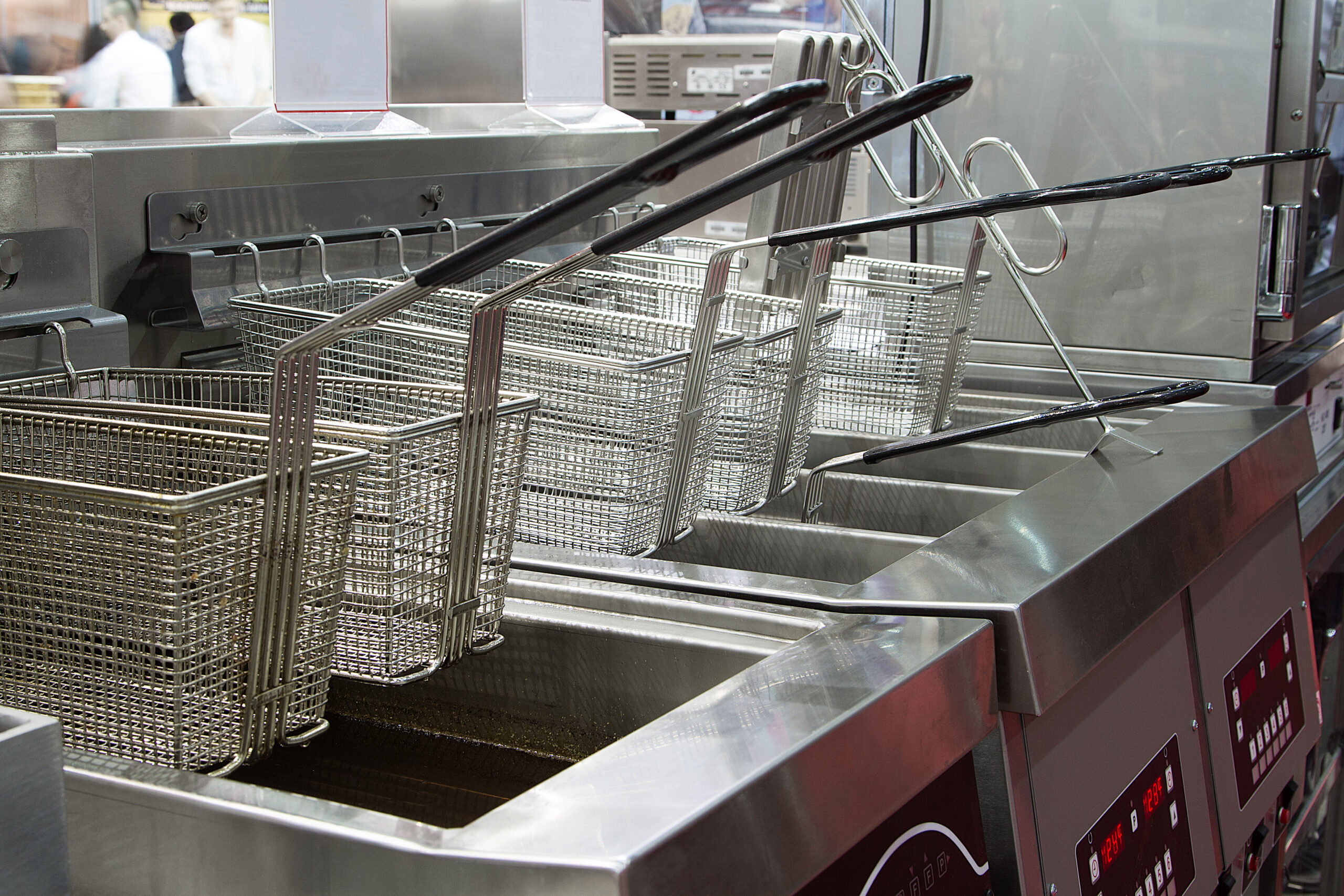
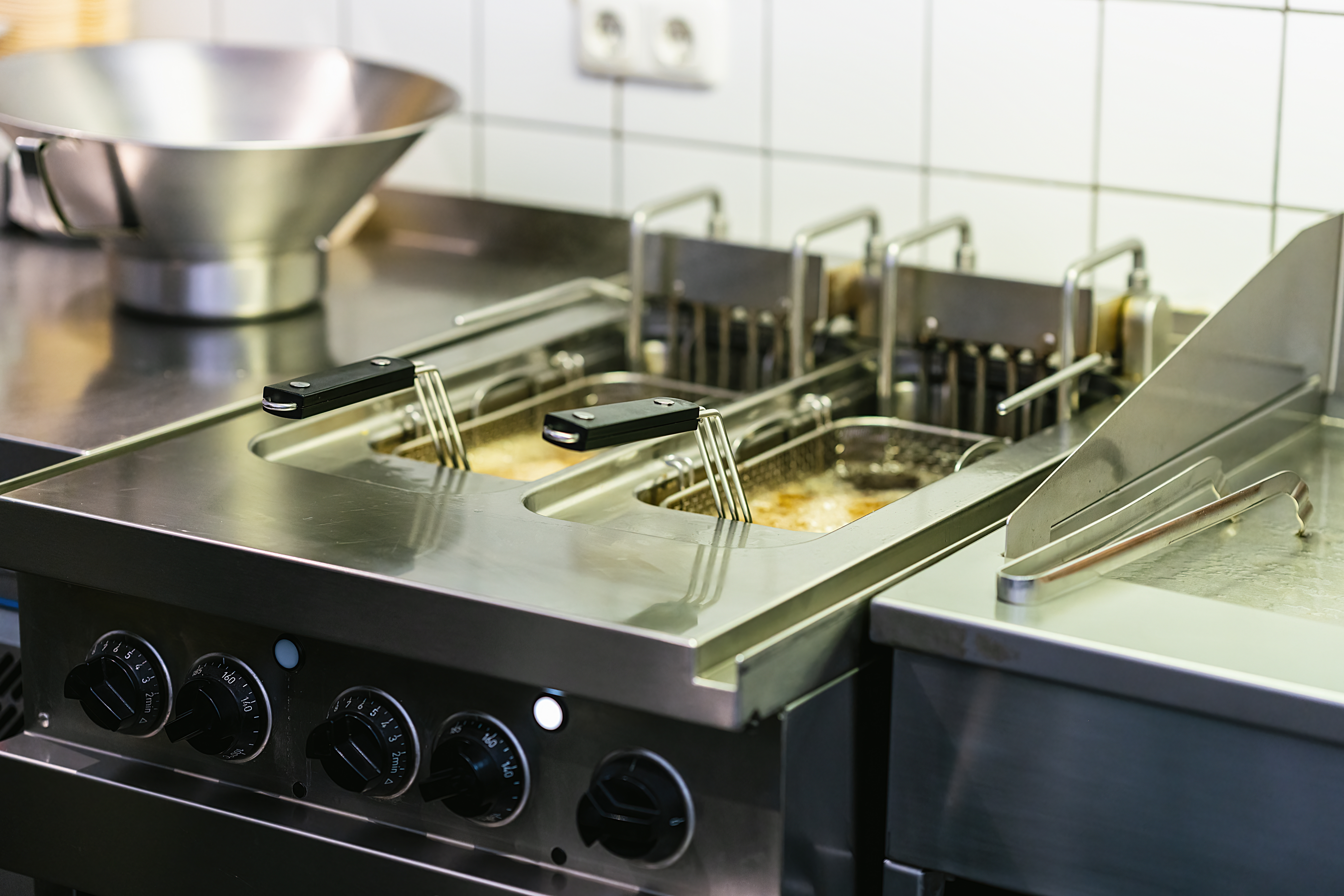
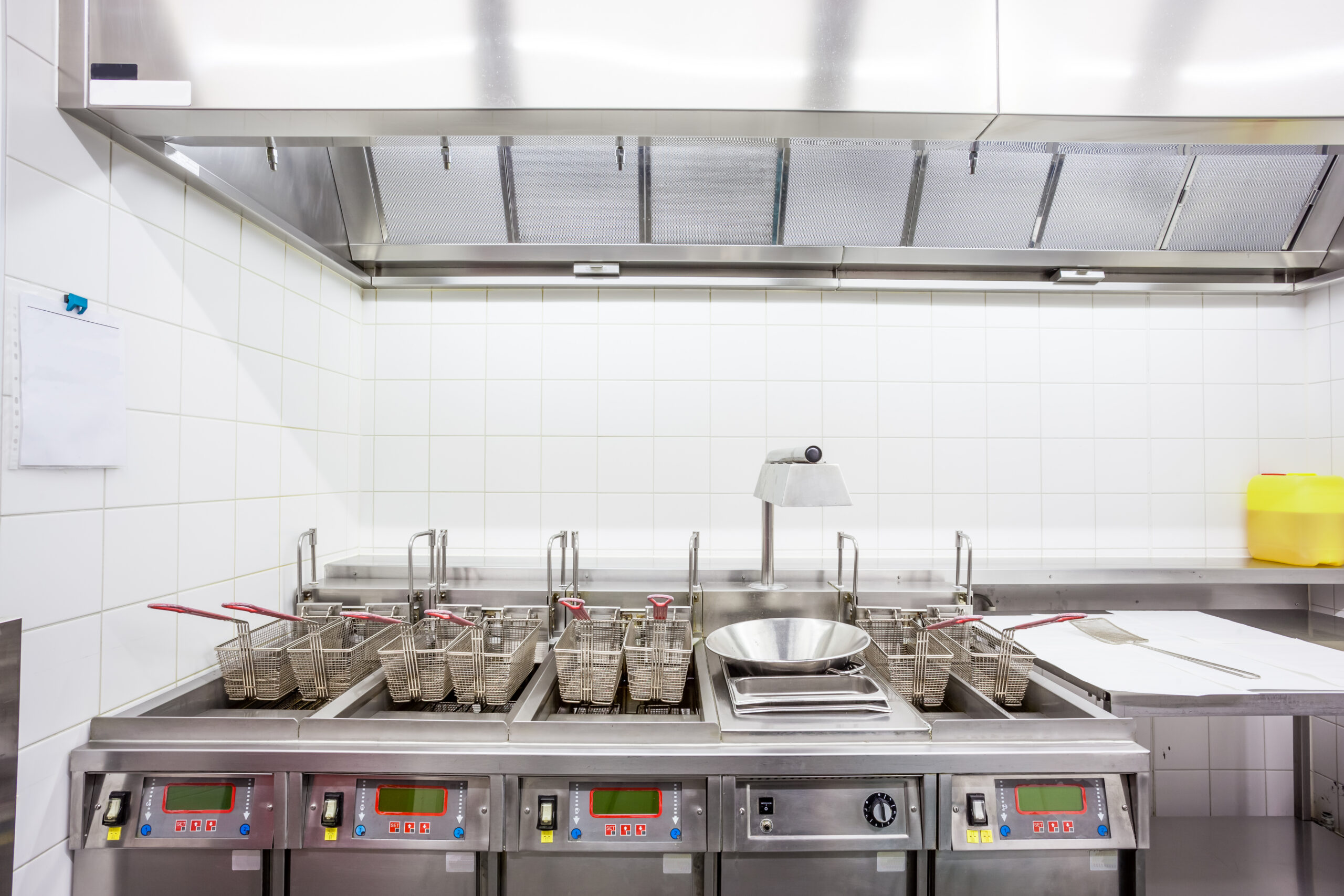
When paired with traditional kitchen technology such as automated cooking oil management, AI can even track oil quality and fryer usage, ensuring optimal performance, less waste, and consistent food results.
This level of insight turns reactive inventory management into a proactive, data-driven process that improves margins while maintaining quality.
AI for Labor and Staff Scheduling
Staffing is one of the biggest variables in restaurant success. Too few employees during peak hours leads to stress and service delays, while too many during slow periods cuts into profits. AI-driven scheduling tools solve this by analyzing past data and predicting labor needs.
Using historical sales data, event calendars, and local patterns, AI systems forecast traffic levels for each shift and recommend the optimal staffing for each role. They can even account for employee preferences, skill sets, and time-off requests to create balanced schedules that reduce turnover and burnout.
For managers, that means less time spent rearranging shifts and fewer last-minute scrambles to find coverage. For employees, it means fairer schedules and better work-life balance, which are both proven drivers of retention.
In short, AI takes the guesswork out of scheduling so operators can focus on training, team culture, and service quality.
Enhancing Communication and Workflow with AI Tools
Smooth communication between front-of-house and back-of-house staff is essential for operational success. AI-powered platforms are making that easier than ever.
Some tools act as digital command centers, tracking incoming orders, prep times, and table status in real time. When delays happen, the system automatically alerts the right team members, preventing miscommunication and keeping guests informed.
AI can also prioritize tickets during peak hours, ensuring dishes that take longer to cook are started first. On the service side, mobile apps powered by AI enable servers to update table status, process payments, and communicate dietary needs instantly. All of this can improve coordination and reduce downtime.
These minor improvements add up to a big impact: faster service, fewer errors, and happier guests. For a closer look at how AI supports smoother workflows and kitchen collaboration, see our related post 7 AI Solutions for Restaurant Kitchen Efficiency.
Reducing Costs and Boosting Margins with AI
For restaurant operators, every second and every dollar counts. AI’s most significant advantage is its ability to reduce waste, whether time, energy, or ingredients, while improving output.
Automation cuts labor hours spent on manual tasks such as data entry, inventory counts, or scheduling. Predictive analytics identify inefficiencies early, helping managers make proactive adjustments that protect profit margins.
AI also supports sustainability goals by monitoring water, gas, and energy consumption. Smart systems automatically adjust equipment usage during off-peak hours or alert managers when appliances are drawing too much power.
Combined with operational technologies like RTI’s automated cooking oil management, AI helps restaurants manage resources more responsibly and cost-effectively. The result is a leaner operation that minimizes waste while maintaining top-tier quality.
Practical Steps to Implement AI in Restaurant Operations
AI adoption doesn’t have to happen all at once. The most successful restaurants start small, learn what works, and expand gradually. Here’s how to approach it strategically:
1. Identify pain points. Look for repetitive or time-consuming tasks such as scheduling, ordering, or fryer management that could be automated.
2. Choose scalable tools. Select systems built specifically for restaurants. Cloud-based AI platforms are affordable, easy to integrate with POS systems, and scalable as your business grows.
3. Train and involve staff early. Transparency is key. Explain how AI helps lighten workloads and improve accuracy. Encourage feedback and show teams how data supports better decisions.
4. Start small, measure results. Test one process at a time, then analyze its impact on efficiency, costs, or guest satisfaction. Use those insights to guide your next phase of implementation.
5. Partner with trusted providers. Work with companies experienced in restaurant automation. Restaurant Technologies, for example, offers proven systems that integrate seamlessly into existing kitchens, helping teams adopt innovation without disruption.
Once a foundation is in place, expanding into new AI-driven solutions, such as forecasting demand or optimizing energy usage, becomes simple and natural.
Conclusion: Smarter, Leaner Operations Through AI
Artificial Intelligence is redefining what operational efficiency looks like in restaurants. It brings accuracy to forecasting, structure to scheduling, and visibility to every part of the business.
By streamlining order management, inventory control, and staffing, AI helps restaurants operate with precision and confidence. These efficiencies lead directly to higher margins, happier employees, and better guest experiences.
Restaurant Technologies supports operators in turning AI insights into everyday improvements. From predictive fryer monitoring to automated cooking oil management, RTI delivers systems that keep kitchens safer, cleaner, and more efficient.
For more on how AI connects back-of-house efficiency with customer satisfaction, explore our companion posts on AI Improving Restaurant Customer Service and AI in Restaurant Industry: Transforming Dining Experiences.
With the right tools and mindset, any restaurant can embrace AI — not as a replacement for people, but as a partner in running smarter, leaner, and more sustainable operations.
Sources:
Blue Orbit. AI in Restaurants: The Pros, Cons & Surprising Outcomes of a Digital Revolution. https://www.blueorbiting.com/ai-in-restaurants-pros-cons-2025/
Deloitte Insights. How AI is Revolutionizing Restaurants. https://www.deloitte.com/us/en/insights/industry/retail-distribution/ai-in-restaurants.html