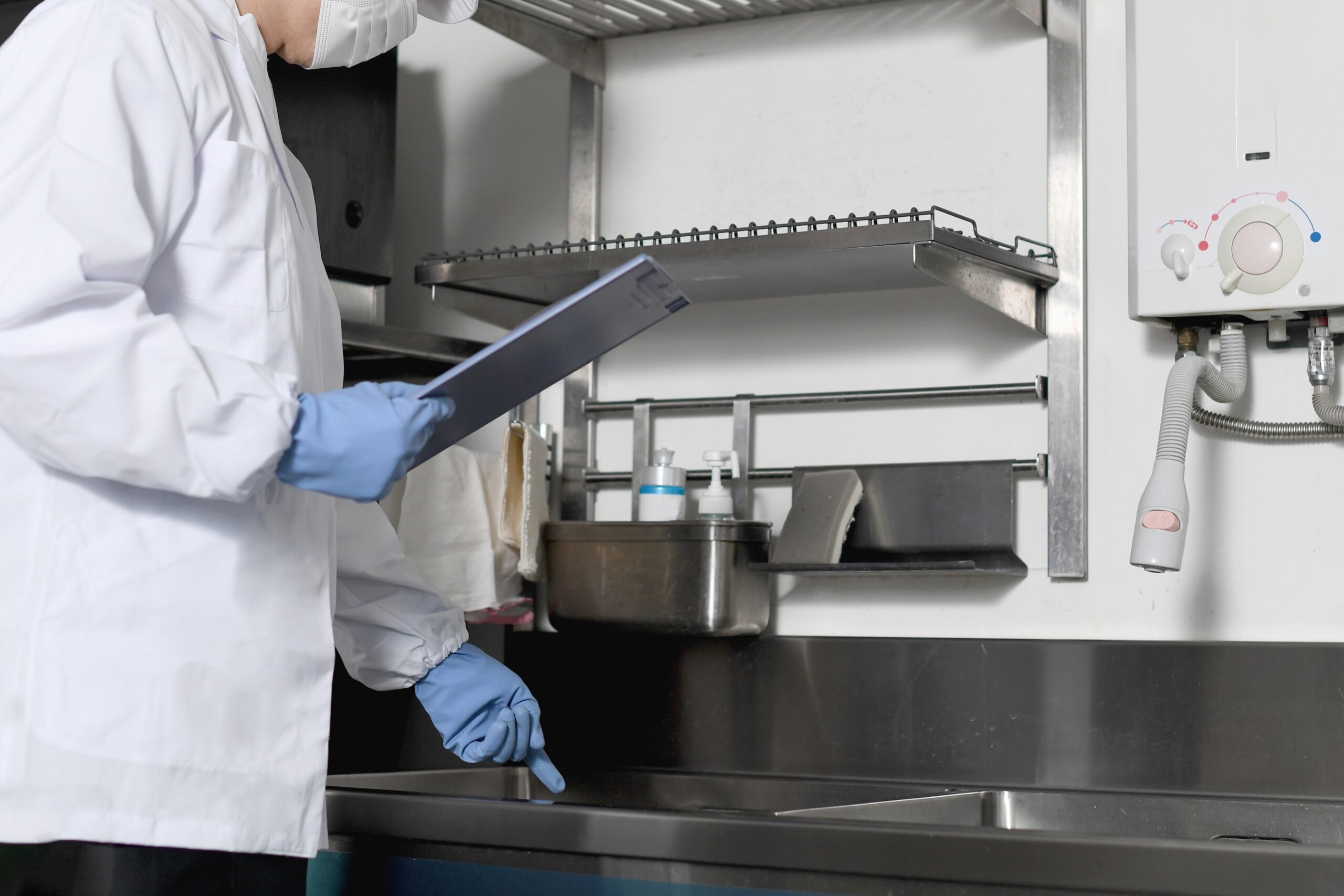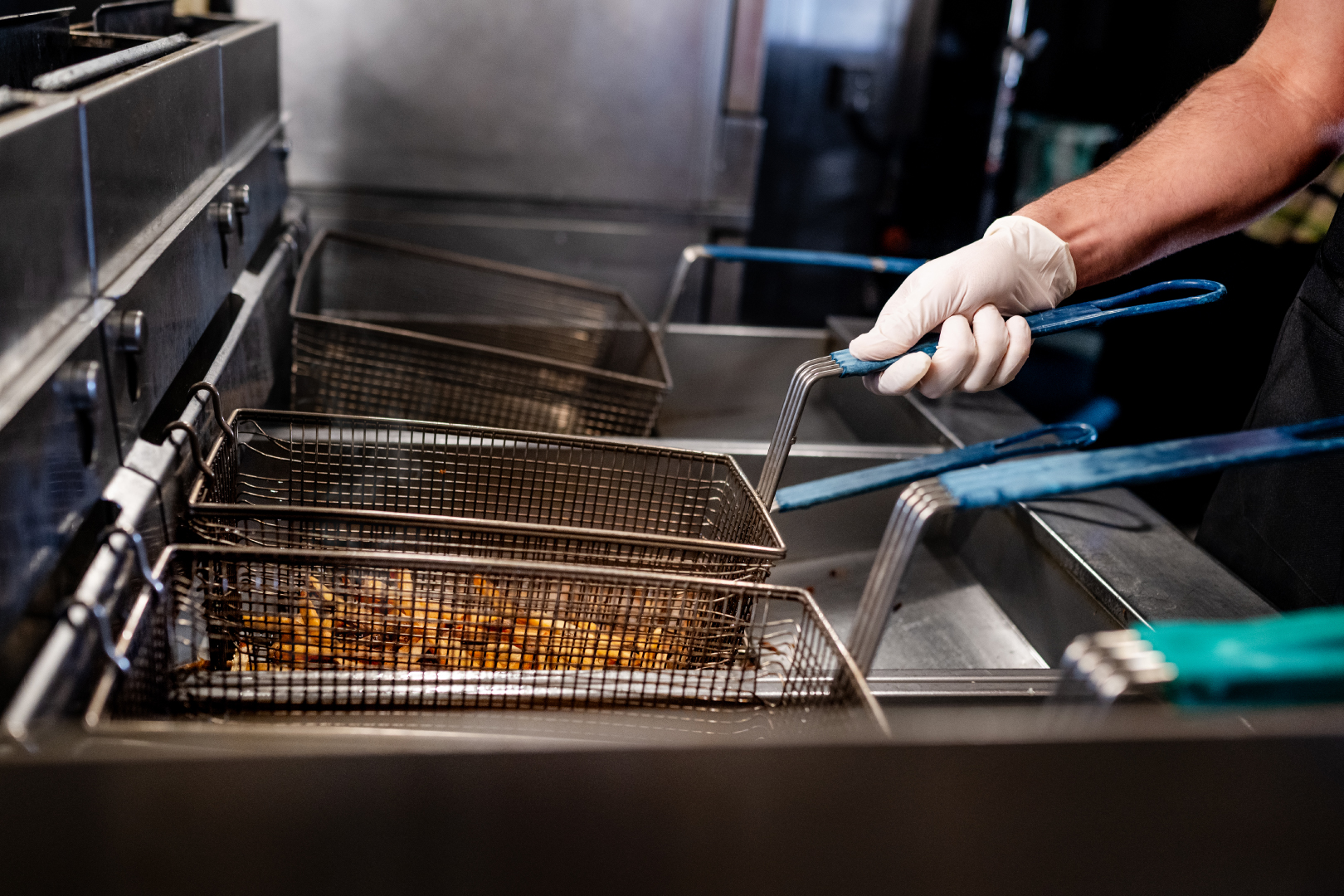


In the fast-paced world of food service, clean kitchen equipment isn’t just about appearances—it’s essential for food safety, kitchen efficiency, and long-term cost control. Grease buildup, food residue, and poorly maintained machinery can lead to inconsistent food quality, equipment breakdowns, and even failed health inspections. Improper cleaning and sanitizing of food contact surfaces remains one of the most common health code violations cited by inspectors.
Proper commercial cleaning routines not only prevent cross-contamination but also help reduce the risk of fire, extend equipment lifespan, and create a safer work environment. For restaurants, investing in consistent kitchen cleaning services and practices is a proactive way to protect the brand, improve staff morale, and avoid costly downtime or emergency repairs.
Types of Commercial Kitchen Equipment That Require Regular Cleaning
Different equipment types have unique cleaning needs. Categorizing them helps in creating targeted commercial kitchen cleaning schedules.
Cooking Equipment
Examples: Fryers, ovens, grills, flat tops
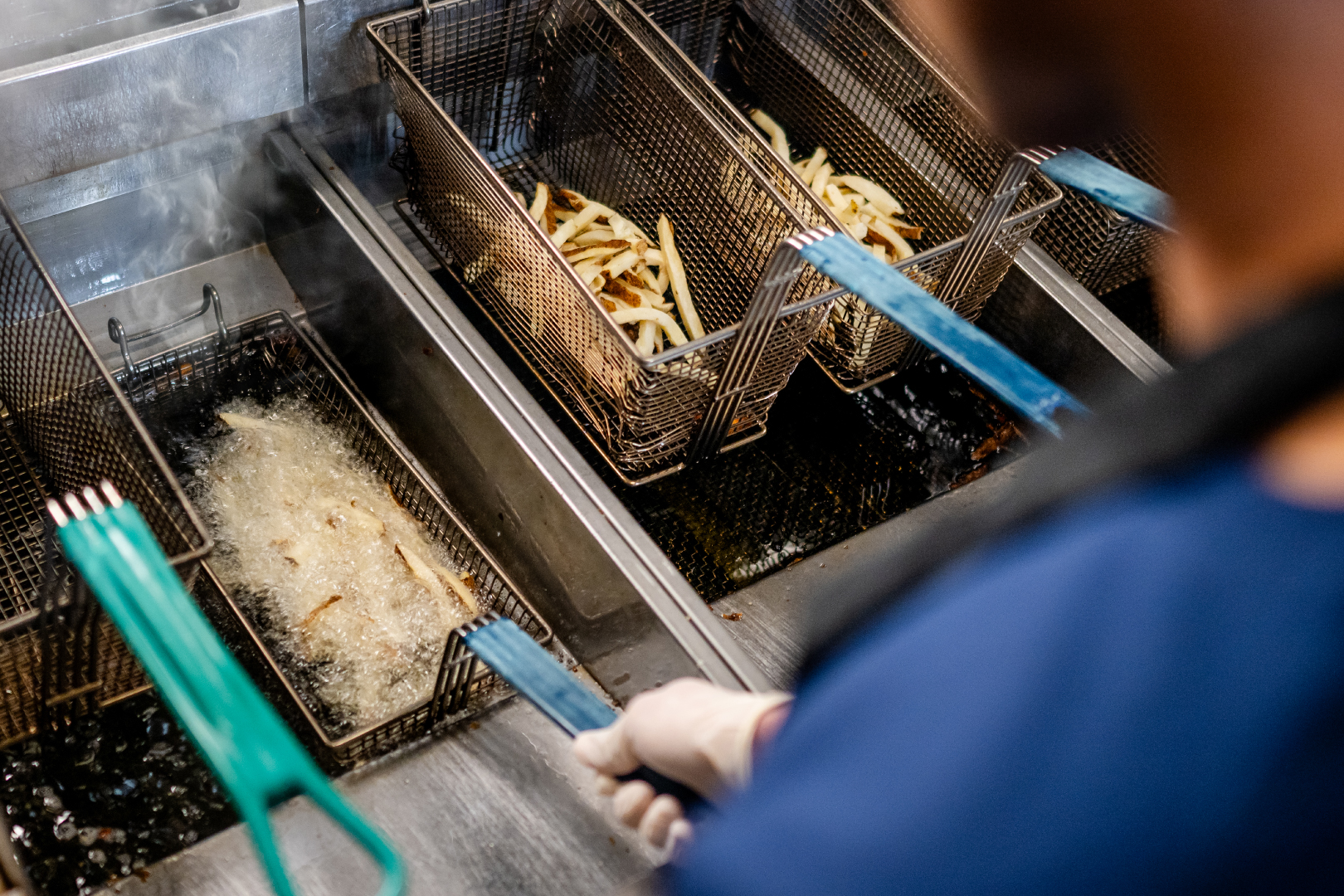
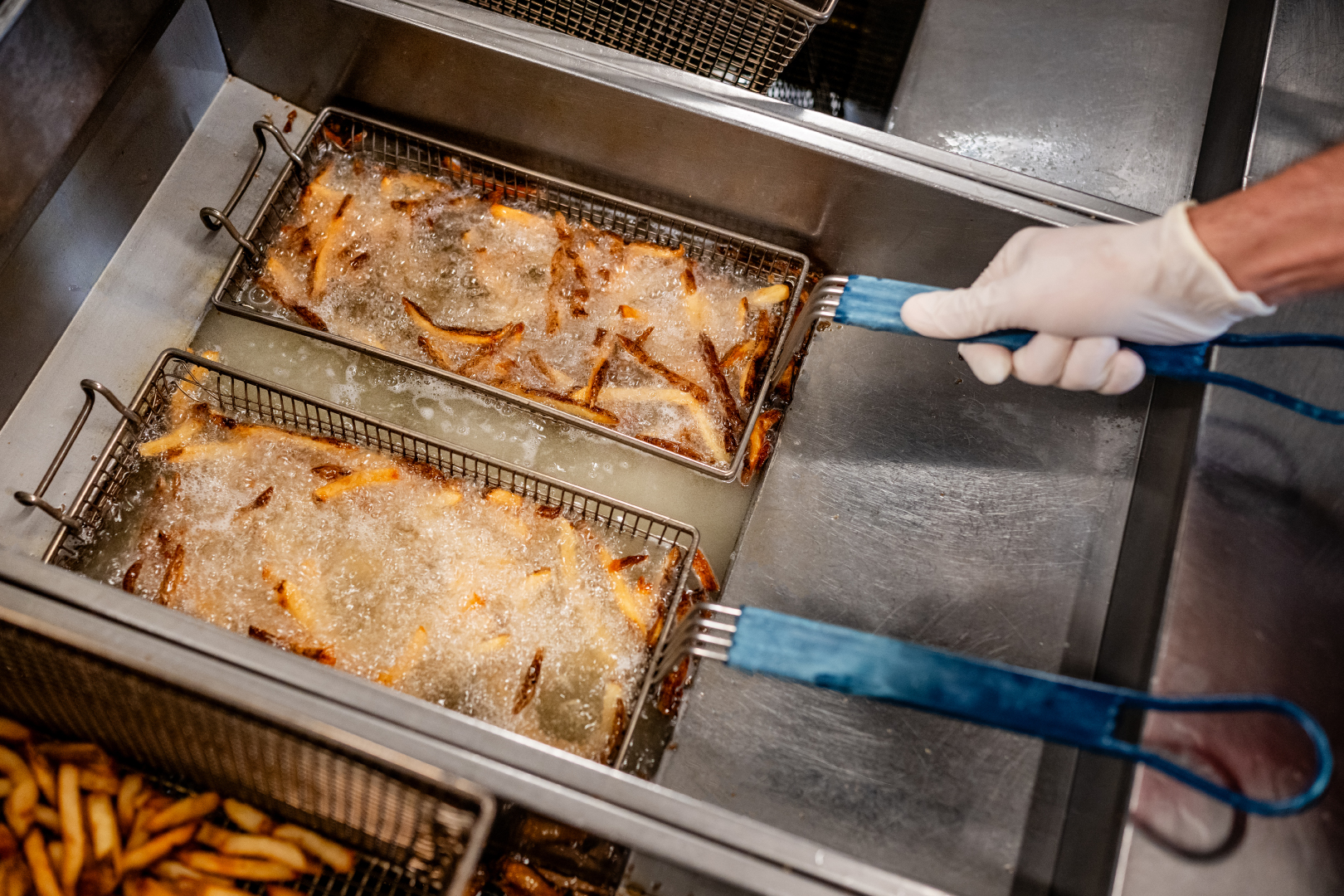
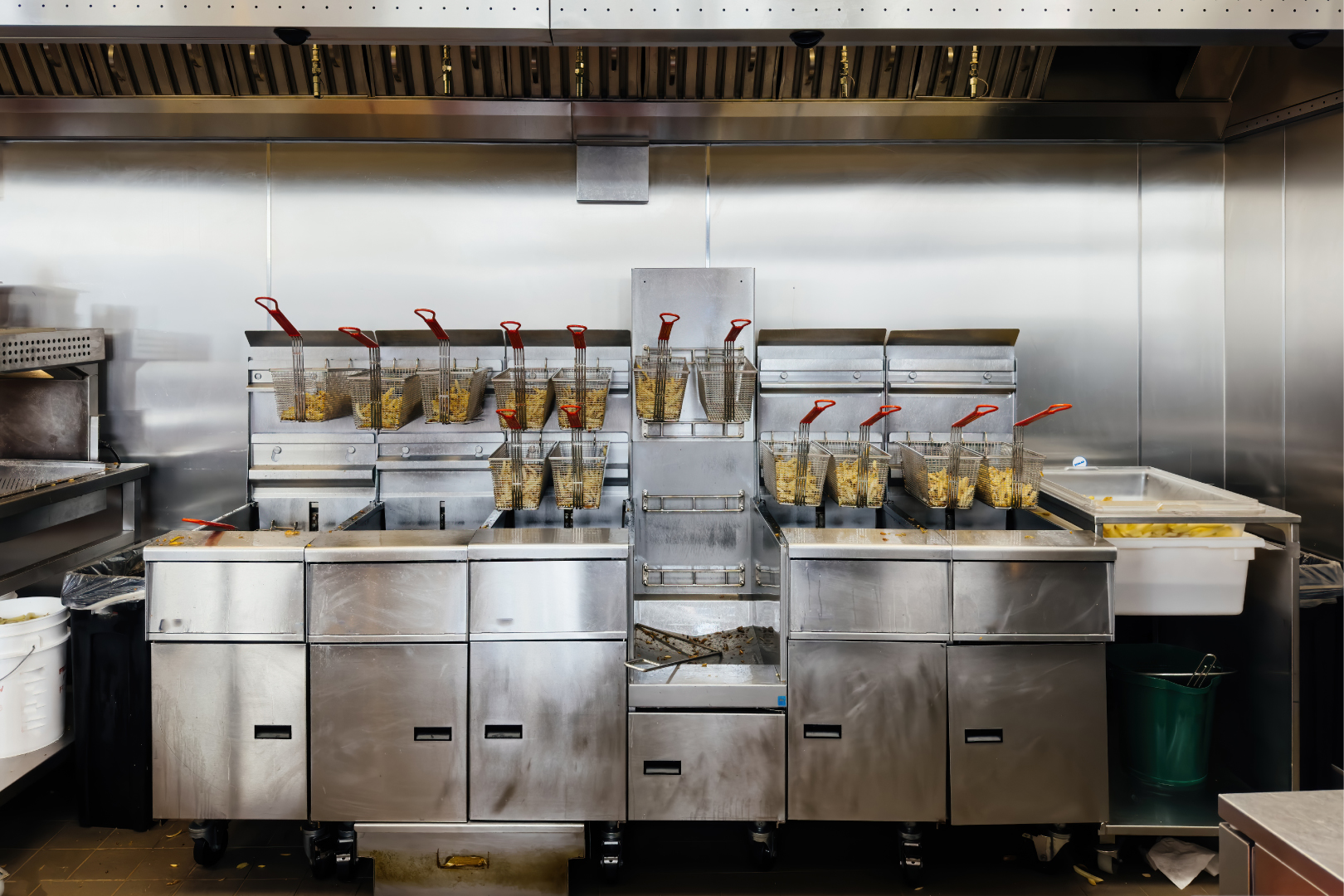
These appliances are the workhorses of any commercial kitchen. Daily cleaning prevents grease buildup, which can be a fire hazard and affect food taste. Regular maintenance also ensures even cooking and energy efficiency.
Cold Storage Equipment
Examples: Refrigerators, freezers, walk-ins
Maintaining cold storage cleanliness is vital for food safety. Spills should be cleaned immediately to prevent cross-contamination. Regularly check and clean door seals, shelves, and interior surfaces to ensure optimal performance.
Prep Equipment
Examples: Slicers, cutting boards, mixers
Prep tools come into direct contact with food, making their cleanliness paramount. Disassemble equipment like slicers and mixers for thorough deep cleaning. Cutting boards should be sanitized after each use to prevent bacterial growth.
Holding & Warming Equipment
Examples: Hot boxes, heat lamps
These keep food at a safe temperature before serving. Regular cleaning prevents food residue buildup, which can harbor bacteria and affect the equipment’s efficiency.
Smallwares & Utensils
Examples: Ladles, tongs, spatulas, containers
These items are used constantly and can easily spread contaminants if not cleaned properly. Ensure they’re washed, rinsed, and sanitized after each use.
How Often Should Restaurant Equipment Be Cleaned?
Establishing a routine cleaning schedule is essential for keeping equipment in peak condition and ensuring your kitchen meets health and safety standards. Consistency is key for compliance and for maintaining food quality, preventing breakdowns, and protecting your team.
Daily:
Clean all equipment and surfaces that come into direct contact with food. This includes prep tables, slicers, cutting boards, mixers, and any cooking appliances used during service. Wipe down fryer exteriors, stovetops, and the handles or touchpoints on reach-in refrigerators. Daily cleaning keeps bacteria from multiplying and prevents residue buildup that can affect food flavor or safety.
Weekly:
Schedule deep cleaning services for high-use equipment such as ovens, grills, and heat lamps. This is also the time to check and clean components that aren’t visible during daily wipe-downs, like refrigerator door gaskets, fryer filter systems, and grease traps. Neglecting weekly commercial cleaning can shorten equipment lifespan and reduce efficiency.
Monthly:
Focus on what often gets overlooked: the space beneath and behind heavy equipment. Move appliances (if safe) to clean floors and walls. Sanitize dry storage shelves, clean hood filters, and check for any signs of wear, pest activity, or mold in low-traffic areas. A monthly deep cleaning helps prevent long-term sanitation and safety issues.
Manufacturer Guidelines & Health Codes:
Always consult the manufacturer’s maintenance instructions for equipment-specific recommendations. In addition, local health departments may have rules that go beyond general best practices. For example, some jurisdictions require logbooks for cleaning certain high-risk appliances.
High-Risk Equipment:
Items like slicers, ice machines, and fryers may require more frequent attention depending on usage. Anything with moisture, grease, or frequent contact with raw ingredients should be cleaned more often. Treat these items as priority targets; cleaning them thoroughly and regularly helps avoid costly inspections and safety issues.
Step-by-Step Restaurant Equipment Cleaning Guide
Whether you’re cleaning a high-volume fryer, a walk-in cooler, or a countertop mixer, following a consistent step-by-step process helps prevent contamination, improve performance, and extend the life of your equipment. The basic framework below can be adapted based on the type of equipment and manufacturer guidelines.
Step 1: Unplug and Disassemble (if applicable)
Always start with safety. Disconnect equipment from its power source to avoid accidents or electrical hazards. For gas-powered appliances, turn off the gas valve. Carefully disassemble any removable parts such as filters, trays, guards, or blades. This not only allows you to clean thoroughly but also helps prevent damage to sensitive components.
For example, slicers and mixers often have intricate parts that require detailed cleaning. Leaving food particles trapped in crevices can lead to bacterial growth.
Step 2: Remove Food Debris and Grease
Before washing, use a soft-bristle brush, scraper, or cloth to remove visible food residue and grease. This step reduces buildup that can cause uneven cooking, unpleasant odors, and equipment malfunctions.
Grease traps in fryers or hinges on warming drawers may require degreasing agents to fully break down residue. Avoid abrasive materials that could scratch surfaces or damage seals.
Step 3: Wash, Rinse, and Sanitize Surfaces
Use hot, soapy water or an approved food-safe degreaser to thoroughly wash all surfaces and parts. Rinse with clean water to remove soap or chemical residues. Then, apply a sanitizer that’s compatible with the surface type and follow the manufacturer’s instructions for contact time.
Cold storage units like refrigerators and freezers benefit from regular interior surface cleaning to prevent mold and odor buildup. Make sure to wipe down gaskets and door handles as well..
Step 4: Dry and Reassemble
Allow all components to air dry completely before putting the equipment back together. Drying helps prevent rust and mold, especially in tight areas like hinges or motor housings. Reassemble parts carefully, checking for proper alignment and secure fittings.
Equipment used to keep food warm, such as heat lamps and hot boxes, often includes electrical or heat-sensitive parts. Make sure all components are fully dry before plugging them in or turning them on.
Step 5: Perform Final Check for Functionality
Once reassembled, plug the equipment back in and verify that it’s working properly. Listen for any unusual noises, and double-check that heating, cooling, or motor functions are operating as expected. If anything seems off, address it immediately—routine kitchen cleaning is often when potential maintenance issues are first identified.
Common Restaurant Equipment Cleaning Mistakes to Avoid
Awareness of common pitfalls helps maintain equipment integrity and food safety.
- Skipping Cleaning Intervals: Inconsistent cleaning can lead to equipment failure and health code violations.
- Using the Wrong Chemicals: Harsh or non-food-safe cleaners can damage equipment and contaminate food.
- Ignoring Gaskets, Handles, Hinges, and Seals: These areas can harbor bacteria and affect equipment efficiency.
- Overlooking Manufacturer Instructions: Always follow specific cleaning guidelines to avoid voiding warranties or damaging equipment.
Cleaning Tools and Products That Work Best
Using the right tools and products enhances cleaning effectiveness.
- Food-Safe Degreasers: Essential for removing grease from cooking equipment.
- Sanitizers: Use EPA-approved, food-contact safe sanitizers for surfaces and utensils.
- Soft-Bristle Brushes and Microfiber Cloths: Gentle on equipment surfaces, reducing the risk of scratches.
- Auto-Dispensing Systems: Ensure correct chemical dilution, improving safety and efficiency.
Opt for sustainable and efficient products where possible. This not only benefits the environment but can also reduce long-term costs.
How Restaurant Technologies Supports Restaurant Equipment Performance
Restaurant Technologies offers solutions that streamline commercial kitchen operations and enhance equipment longevity.
- Automated Cooking Oil Management: Automated cooking oil management systems reduce manual handling, minimize spills, and ensure optimal oil quality, extending fryer life and improving food consistency.
- Automation: Implementing automated systems reduces downtime and manual labor, allowing staff to focus on food preparation and service.
- Optimized Back-of-House Processes: Efficient workflows contribute to cleaner equipment and a more organized kitchen environment.
By integrating these solutions, restaurants can maintain high standards of cleanliness and efficiency.
Final Thoughts on Restaurant Equipment Cleaning
Consistent and thorough cleaning of restaurant equipment is crucial for food safety, equipment longevity, and operational efficiency. Establishing clear cleaning routines, training staff effectively, and using the right tools and products are key components of a successful maintenance program.
Incorporating solutions like automated oil management systems can further enhance kitchen performance, reduce labor, and ensure compliance with hygiene and health regulations.
For more information on optimizing your commercial kitchen operations, visit Restaurant Technologies.
Sources:
Trust 20. 7 Common Cleaning Mistakes Your Health Inspector is Looking For. https://trust20.co/blog/common-cleaning-mistakes-health-inspector-is-looking-for
Know. Complete Guide to Restaurant Equipment Maintenance. https://www.getknowapp.com/blog/restaurant-equipment-maintenance/
Food Protection. Food Safety Risks in Restaurants and School Foodservice Establishments: Health Inspection Reports. https://www.foodprotection.org/members/fpt-archive-articles/2014-01food-safety-risks-in-restaurants-and-school-foodservice-establishments-health-inspection-repo/