

What Is Smart Restaurant Technology?
Smart restaurant technology refers to the connected tools, devices, and software platforms that help kitchens and dining rooms run more efficiently. These systems use Artificial Intelligence (AI), automation, and Internet of Things (IoT) devices to streamline tasks that previously relied on guesswork or manual labor. Examples include digital ordering platforms, connected fryers, smart sensors, automated scheduling systems, and data-driven analytics dashboards.
At its core, smart restaurant technology is designed to support people, not replace them. These tools help reduce repetitive tasks, improve accuracy, and provide real-time data that enable operators to make better business decisions. Whether a restaurant runs five tables or fifty locations, technology brings more clarity and control to daily operations.
Many of these tools already play a key role in modern kitchens, from predictive cooking systems to automated oil filtration. As the entire industry becomes more connected, smart technology is becoming an essential part of staying competitive.
Why Smart Technology Matters in Hospitality
Restaurants face ongoing challenges, including labor shortages, supply chain disruptions, rising costs, and increasing customer expectations. Smart technology helps operators manage these changes with more stability and predictability.
Guests expect fast, accurate service and convenient ways to order and pay. Staff expect tools that make their jobs easier. Operators need systems that help reduce costs, improve efficiency, and generate reliable insights about their business.
Smart technology supports all three. It helps restaurants:
- Reduce labor pressure by automating repetitive tasks
- Improve order accuracy through integrated digital systems
- Increase speed and throughput during peak hours
- Strengthen their brand with consistent guest experiences
- Track performance using real-time data
Many of the benefits tie directly to waste reduction and sustainability, areas explored further in our Restaurant Waste Reduction guide. When technology helps eliminate mistakes, reduce spoilage, and improve equipment performance, restaurants see immediate improvements in both cost control and environmental impact.
Key Smart Restaurant Technologies to Adopt
Smart restaurant technology covers a wide range of tools. Here are some of the most influential systems shaping the modern kitchen:
Digital Ordering and POS Integration
Mobile ordering platforms, QR menus, and self-service kiosks make it easier for guests to order quickly and accurately. These tools integrate with POS systems to reduce ordering errors and support real-time communication with the kitchen.
Digital ordering also improves data collection. Restaurants can track popular dishes, customer behavior, and average order values. This information helps operators adjust menus, pricing, and staffing with confidence.
AI Restaurant Tools
AI helps restaurants make more intelligent decisions by analyzing patterns they cannot see on their own. Examples include:
- Suggesting staffing levels based on expected demand
- Recommending menu adjustments
- Identifying bottlenecks in the kitchen
- Forecasting busy shifts
AI also plays an increasingly important role in menu optimization. Systems study which dishes sell well, how profitable they are, and when customers tend to order them. This helps restaurants design menus that match demand and reduce waste.
IoT Kitchen Devices and Smart Sensors
IoT sensors monitor temperature, humidity, equipment performance, and food safety conditions. They alert staff if a cooler is warming up or if a fryer is overheating before the issue becomes a costly breakdown.
Connected sensors help kitchens:
- Protect inventory
- Reduce spoilage
- Prevent food safety violations
- Monitor equipment in real time
These alerts save money and eliminate guesswork, creating a more predictable back-of-house environment.
Predictive Cooking and Smart Fryers
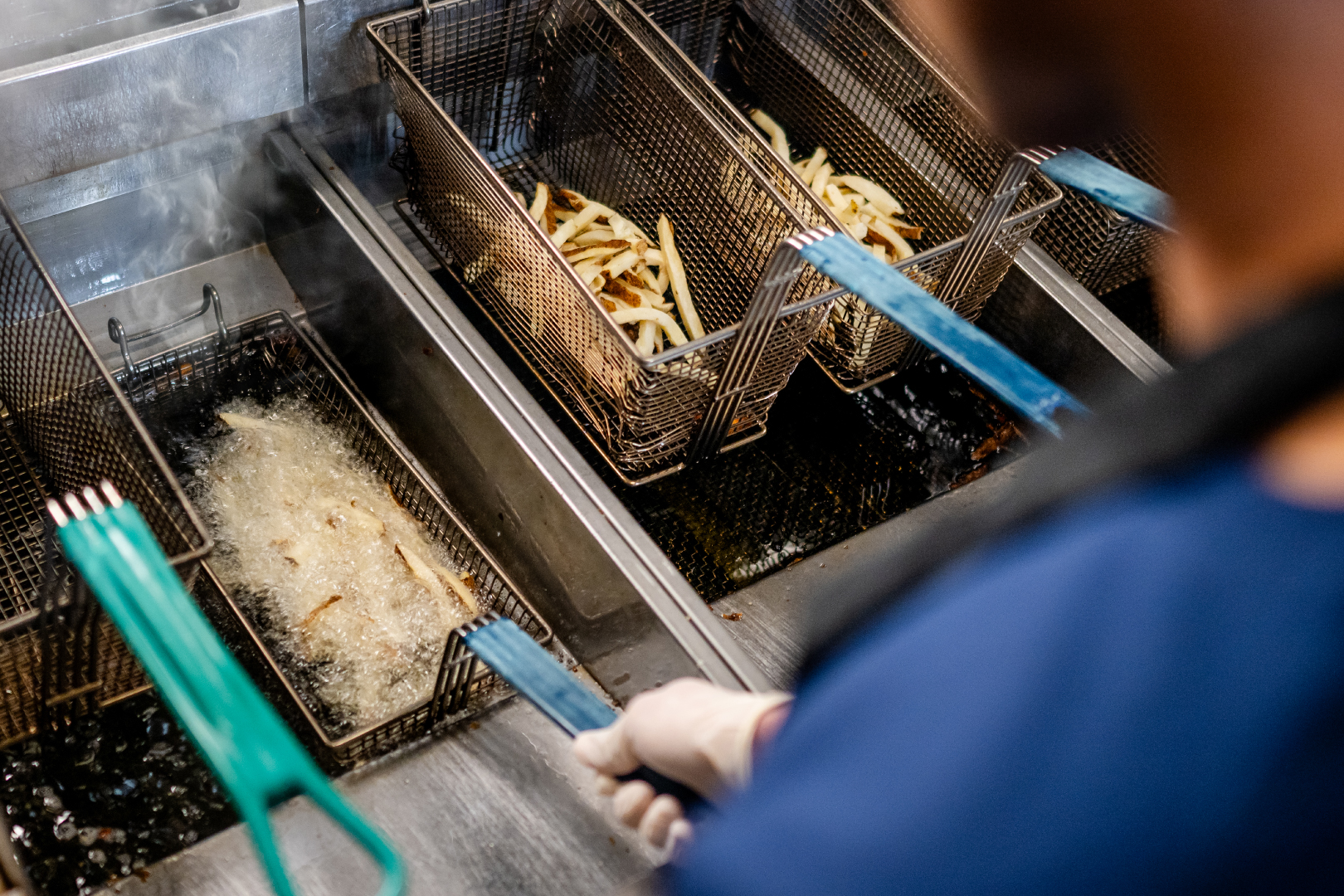
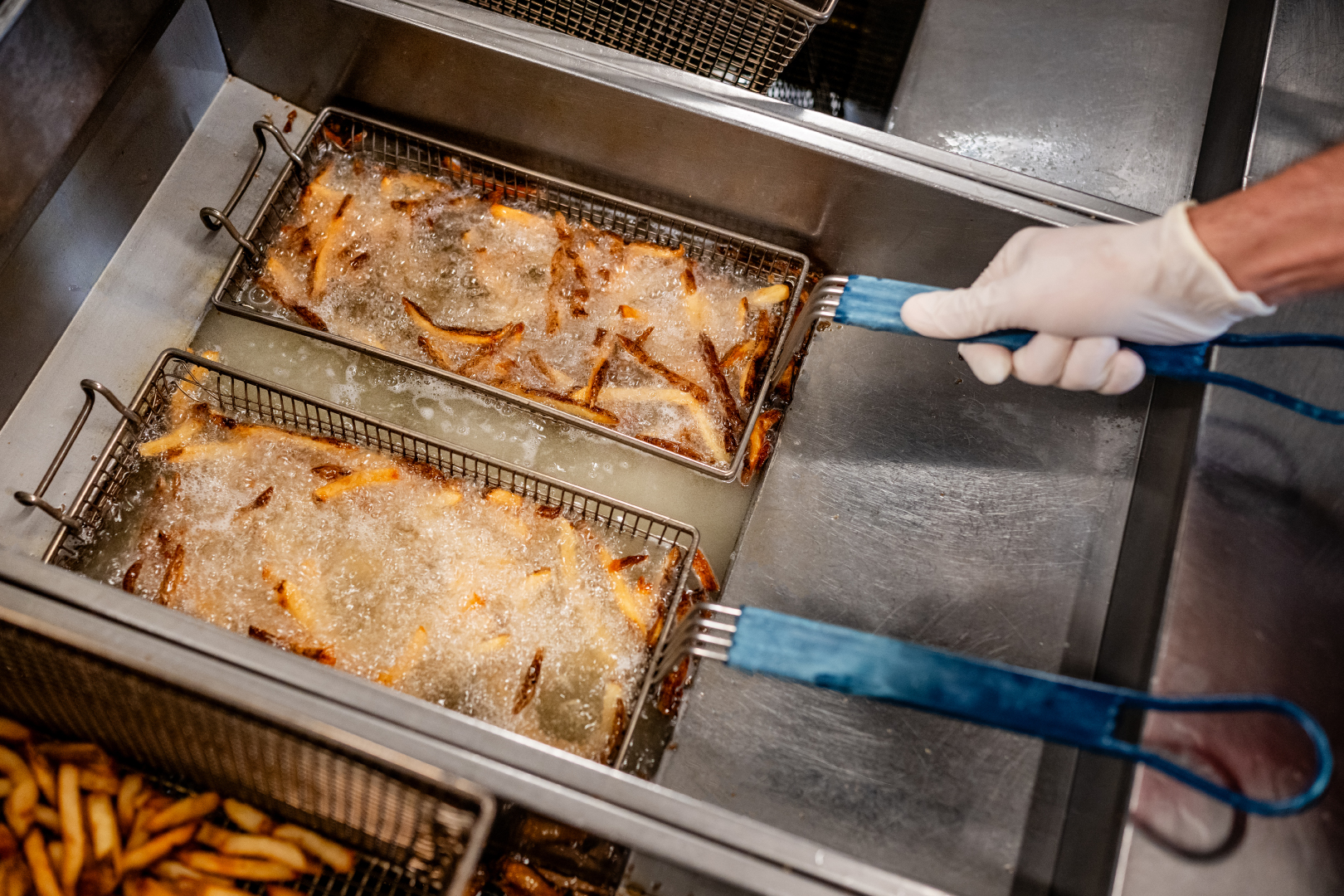
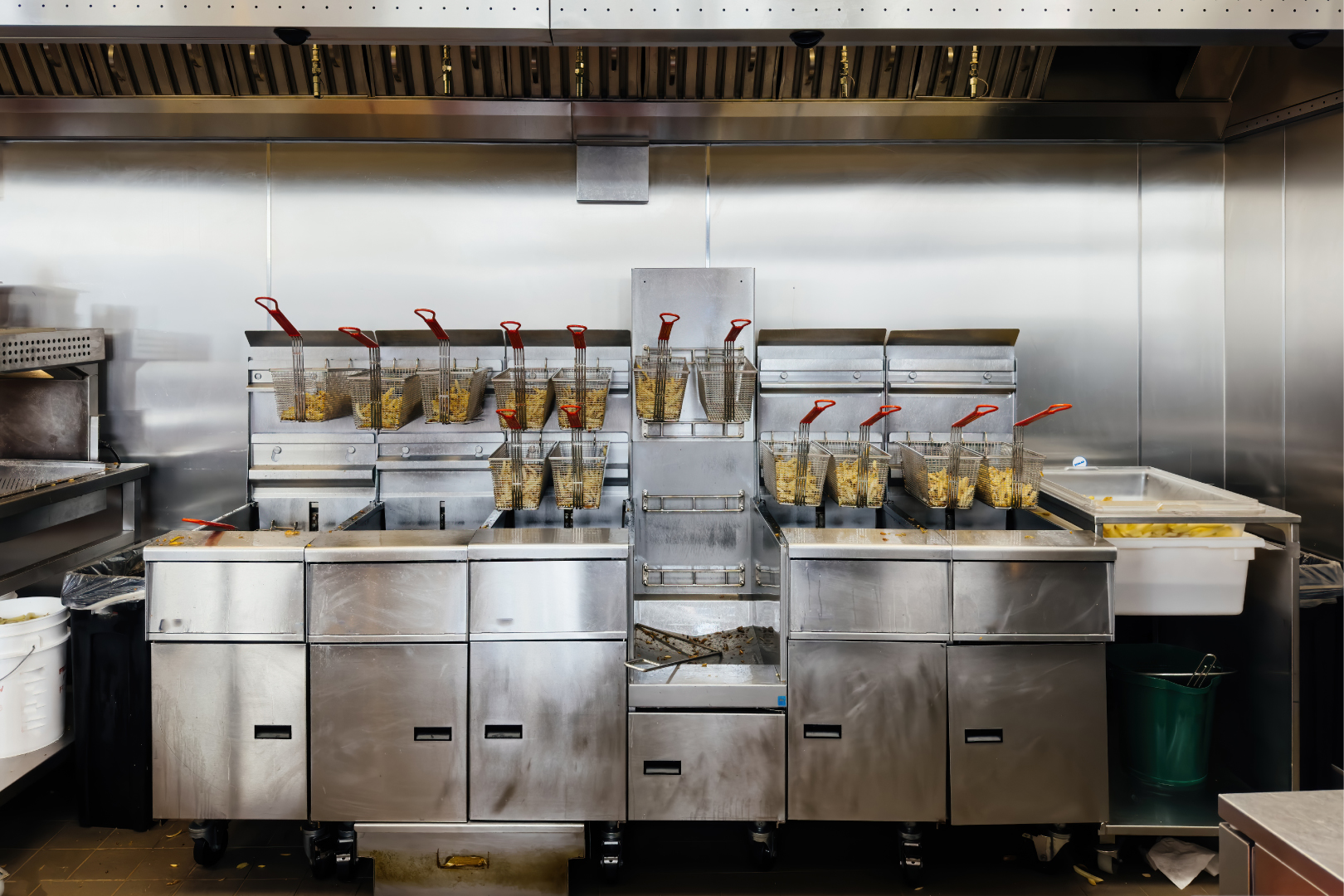
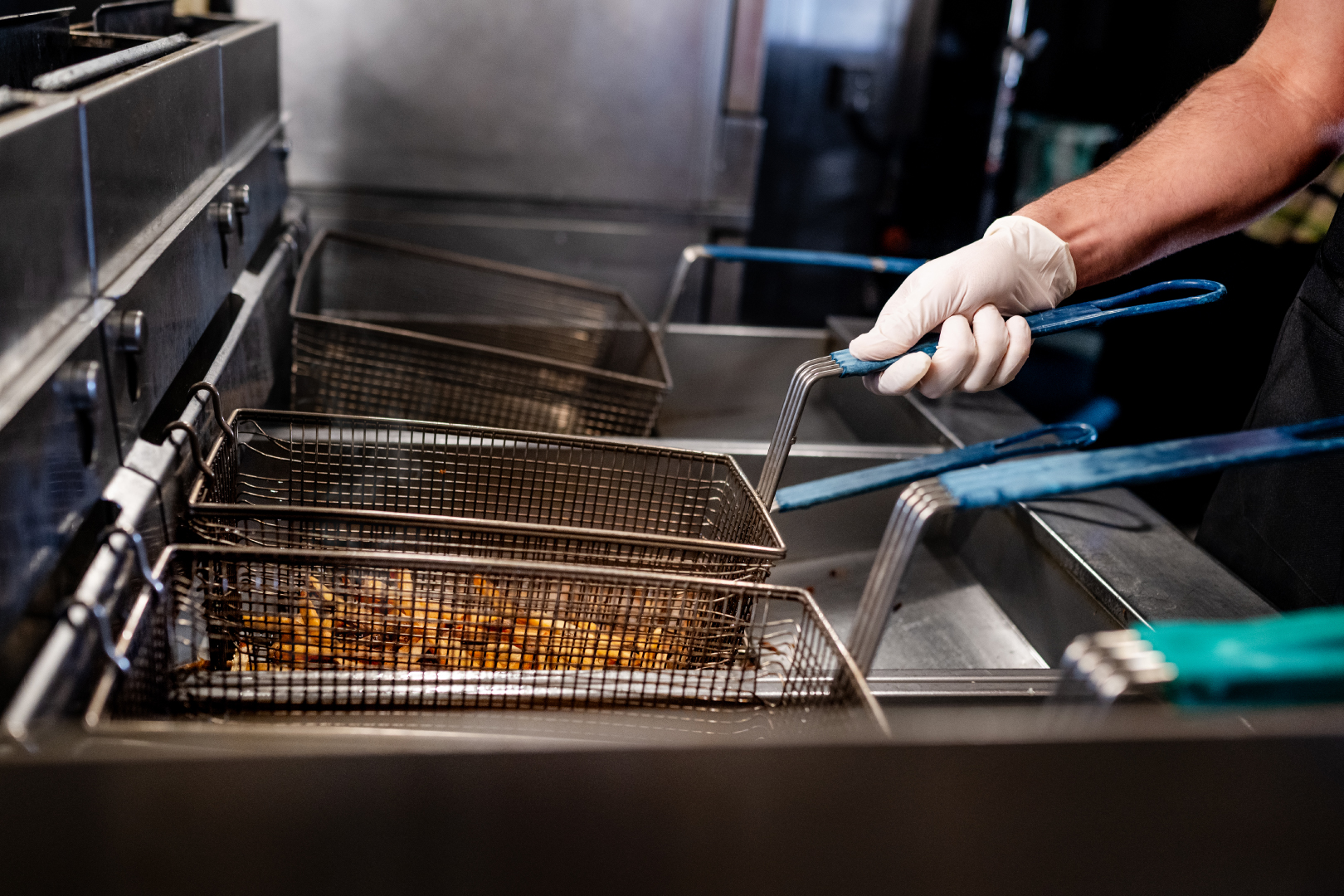
Some fryers now adjust cooking times automatically based on oil quality, product load, and temperature recovery. Smart fryers reduce mistakes and produce more consistent food, supporting both quality and speed.
Smart systems like Restaurant Technology’s automated cooking oil management system also streamline delivery, filtration, and disposal, helping to reduce waste and improve food quality. Cleaner oil leads to fewer breakdowns, safer handling, and more predictable fryer performance.
For deeper insights into fryer care, see our Deep Fryer Maintenance Checklist, which covers how smart tools align with routine maintenance.
Real-Time Analytics Platforms
Data dashboards track kitchen performance across stations and shifts. Operators can view order timing, prep delays, and product waste in real time. This helps identify problems early and maintain smooth operations during rush periods.
These systems also support menu engineering, inventory optimization, and staffing decisions.
How Smart Technology Enhances Efficiency
Smart technology is transforming kitchen efficiency in several important ways:
Faster, Smoother Workflow
Automated routing and smart kitchen display systems help staff prioritize orders. They reduce miscommunication between the front and back of house, lowering the risk of ticket backups.
Less Human Error
Digital systems standardize tasks that used to rely on memory or manual tracking. For example:
- Automated timers support consistent cooking
- Sensors ensure food stays at safe temperatures
- Inventory tools prevent over-ordering
Even minor improvements create significant savings over time.
Better Demand Planning
Restaurant demand forecasting is becoming one of the most powerful uses of smart technology. By analyzing past sales, weather, events, and customer patterns, forecasting tools help operators prep exactly what they need, when they need it. This reduces food waste and improves labor scheduling.
This data-driven approach supports many of the strategies in our Restaurant Food Waste Reduction Strategies guide, where demand forecasting plays a central role in minimizing prep waste.
Improved Equipment Lifespan
Smart maintenance alerts notify staff when equipment needs cleaning or service. This reduces breakdowns, lowers repair costs, and keeps equipment running safely.
Impact on Staff and Guest Experience
Smart technology strengthens both staff workflows and customer satisfaction.
Benefits for Staff
- Less manual work
- Fewer repetitive tasks
- More predictable shifts
- Clearer communication
- Safer equipment handling
Automation reduces the physical and mental strain of high-volume service, allowing staff to focus on hospitality rather than constant troubleshooting.
Benefits for Guests
- Faster service
- More accurate orders
- Easy mobile or kiosk ordering
- Clear menu options
- More consistent food quality
Guests notice when a restaurant runs smoothly. Smart technology ensures that operations stay steady, even during peak hours.
Overcoming Barriers to Implementation
While smart technology offers clear advantages, some operators hesitate due to perceived challenges. Common concerns include:
Upfront Cost
Though some tools require initial investment, many smart technologies follow subscription or modular pricing models that fit a wide range of budgets.
Training and Staff Buy-In
Technology works best when teams feel confident using it. Clear training and hands-on practice help staff see how automation makes their daily tasks easier, not more complicated.
Integration with Existing Systems
Older POS systems or legacy equipment may require additional setup. Choosing a trusted provider helps ensure smooth integration and long-term support.
With the right rollout plan, any restaurant can adopt smart technology in manageable steps. This same incremental approach is covered in our Restaurant Waste Reduction post, where small operational changes lead to significant results over time.
The Future of Smart Restaurant Innovation
The next wave of restaurant innovation will be driven by automation, data, and sustainability. Some emerging trends include:
AI-Driven Demand Planning
Forecasting tools will become more precise, analyzing everything from local events to weather patterns in real time.
Robotic Assistance
Robots will increasingly support prep work, dishwashing, and cooking tasks that require consistency and speed.
Sustainable Smart Kitchens
IoT sensors will help reduce energy use, monitor equipment efficiency, and prevent waste. Smart systems will optimize everything from fryer use to cooler operation.
Connected Equipment Ecosystems
Future kitchens will operate as integrated systems, sharing data between devices to improve overall performance.
As these innovations mature, restaurants will gain even more control over costs, safety, and service quality.
Conclusion: Elevate Operations with Restaurant Technologies Technology Solutions
Smart restaurant technology is transforming how kitchens operate and how guests experience dining. By embracing AI, automation, and connected systems, restaurants can improve efficiency, reduce waste, and create a more consistent and enjoyable experience for both staff and guests.
RTI supports this evolution with solutions like automated cooking oil management, which helps reduce waste, simplifies filtration, and keeps fryers performing at their best. When combined with smart sensors, predictive maintenance tools, and connected kitchen systems, RTI technology helps operators build kitchens that run cleaner, safer, and more efficiently.
Smart solutions are no longer optional. They are the foundation for modern, sustainable, and profitable restaurant operations. When restaurants choose the right technology, they empower their teams, impress their guests, and set themselves up for long-term success.
FAQ: Smart Restaurant Technology
What types of restaurants benefit most from smart technology?
Any restaurant can benefit from smart tools, whether it is a small independent cafe or a multi-unit chain. High-volume kitchens often see the fastest return because automation reduces bottlenecks and waste. Smaller restaurants benefit from better scheduling, easier inventory management, and tools that help them operate more efficiently with limited staff.
Is smart restaurant technology expensive to implement?
It depends on the tools you choose. Many modern solutions use subscription pricing or modular add-ons, so restaurants can start small and expand over time. Cloud-based platforms, mobile apps, and connected sensors are affordable to adopt and usually provide savings through reduced waste, fewer breakdowns, and more accurate forecasting.
How difficult is it for staff to learn new kitchen technology?
Most smart restaurant tools are designed to be intuitive and straightforward. Hands-on training and clear demonstrations help staff understand how technology makes their daily tasks easier. Once teams see the benefits, such as fewer repetitive tasks and more predictable workflows, adoption usually happens quickly.