
Why Choosing the Right Fire Extinguisher Matters
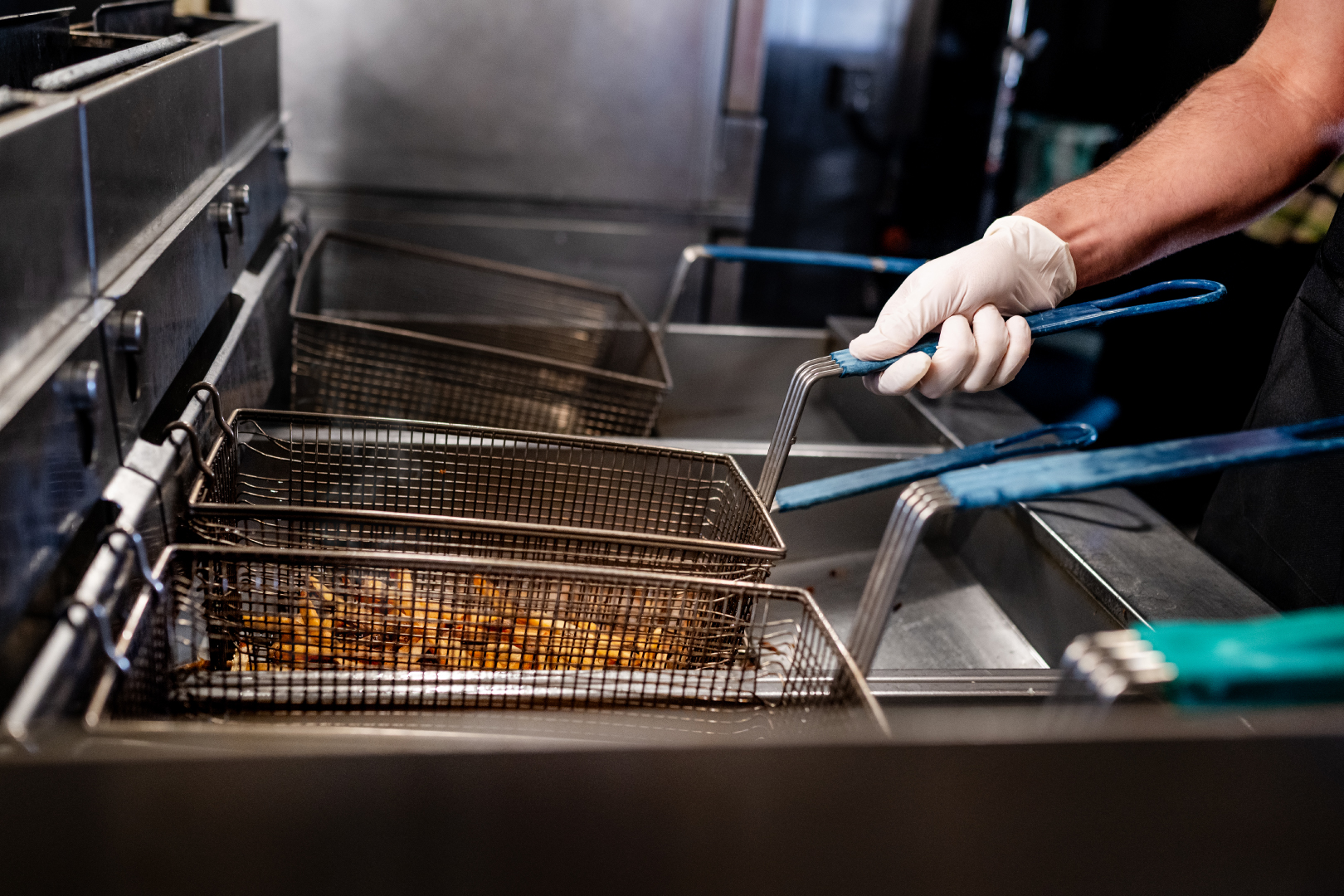
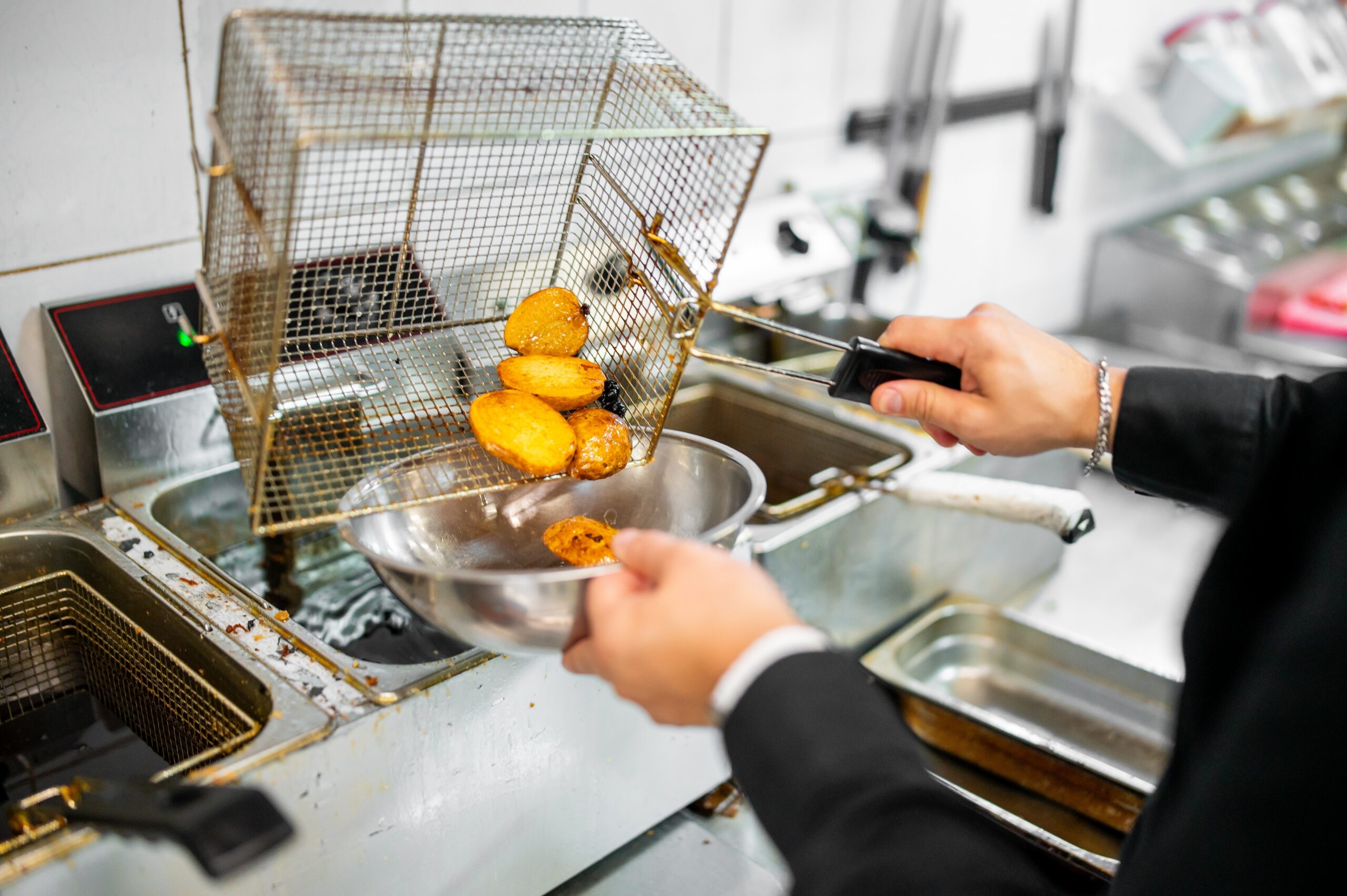
Running a restaurant kitchen is fast-paced, high-pressure, and full of fire risks, especially when cooking oil is involved. Grease fires can ignite in seconds and spread quickly. If your team grabs the wrong type of fire extinguisher, they might make the problem worse instead of solving it.
Not all fire extinguishers are safe or effective on oil fires. In fact, using a water-based extinguisher on hot oil can cause it to splatter and spread flames. Choosing the right extinguisher is critical for keeping your kitchen, staff, and guests safe. It also helps you stay in compliance with local fire codes and health inspections.
Understanding Cooking Oil Fire Behavior
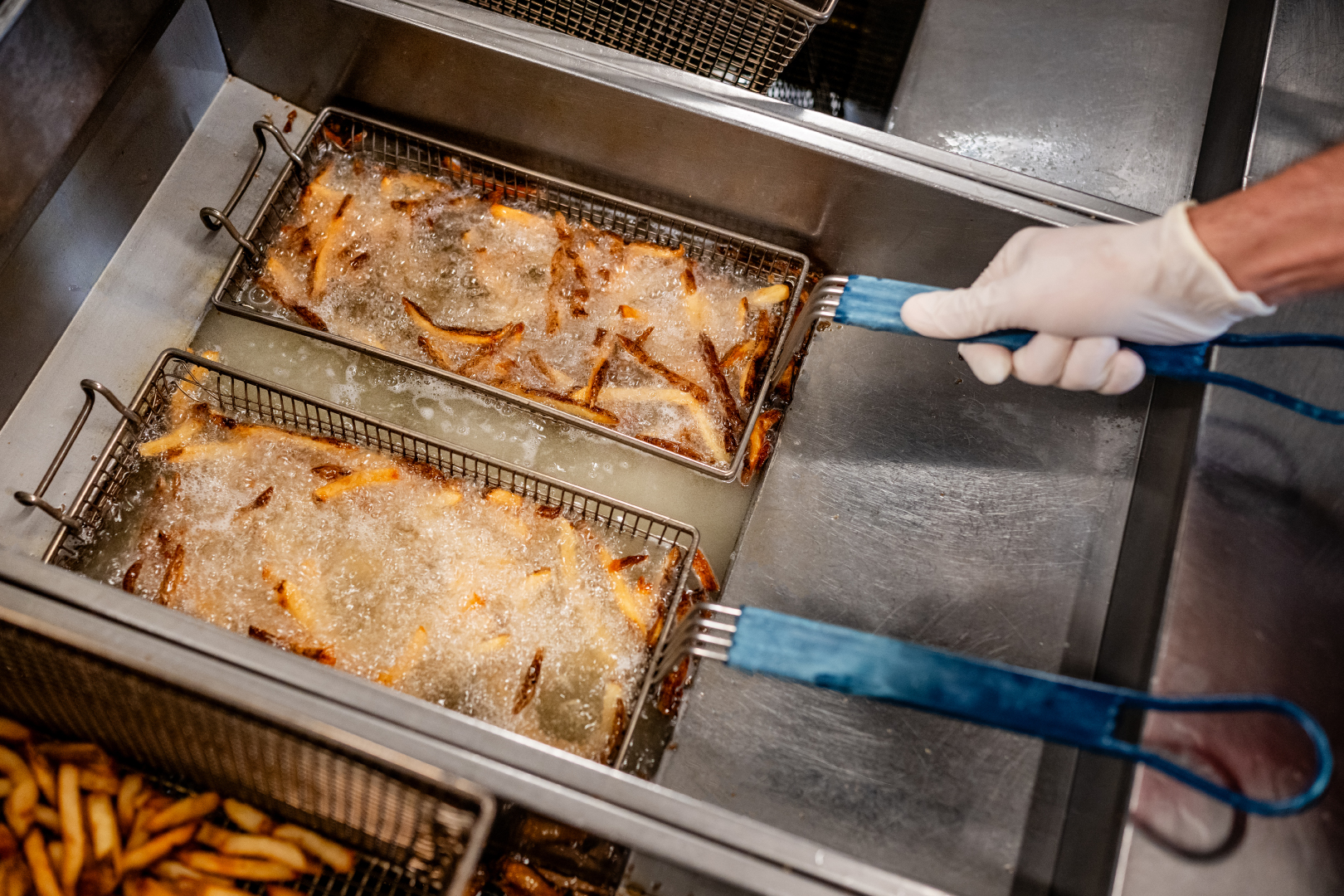
Cooking oil fires behave differently from other types of fires. When oil is heated past its smoke point, it breaks down and releases flammable vapors. If the oil continues to heat beyond its flash point, those vapors can ignite, often without warning.
Once ignited, cooking oil fires can grow fast. The biggest mistake is trying to put them out with water. Water sinks through the oil, instantly vaporizes, and causes the oil to erupt, spreading fire across your cooking surfaces.
That’s why grease fires require a very specific kind of extinguisher that cools the oil and cuts off its oxygen source at the same time.
Types of Fire Extinguishers and Their Classes
Fire extinguishers are categorized by the type of fire they’re designed to fight:
- Class A: For fires involving ordinary combustibles like paper, wood, or cloth
- Class B: For flammable liquids such as gasoline, alcohol, or oil
- Class C: For electrical fires involving wires, panels, or outlets
- Class D: For flammable metals (typically in industrial settings)
- Class K: For kitchen fires involving cooking oils, fats, and grease
Although many kitchens carry ABC extinguishers, only Class K extinguishers are specifically made to handle high-temperature cooking oil fires safely and effectively.
Why K Fire Extinguishers Are Essential for Commercial Kitchens
Class K extinguishers contain a special wet chemical agent—usually potassium acetate—that reacts with hot oil to create a thick, soapy foam. This process is called saponification, and it helps cool the oil while smothering the flames.
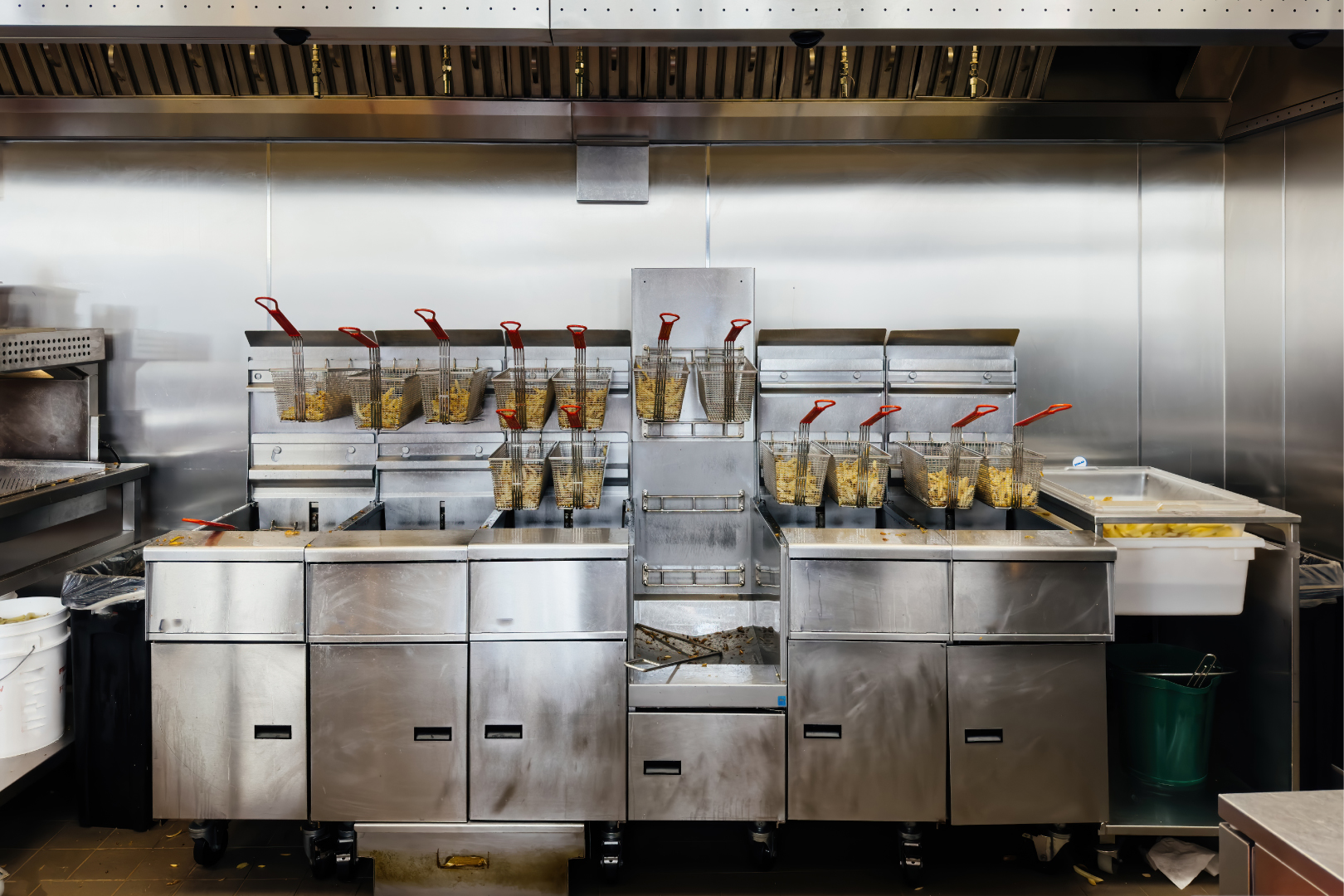
These extinguishers are designed for the extreme temperatures found in deep fryers, griddles, and other commercial cooking equipment. Unlike dry chemical extinguishers, Class K agents don’t leave residue that damages appliances or affects food safety.
If your restaurant uses deep fryers or high-heat oil cooking methods, a Class K extinguisher is a must.
Legal Requirements for Fire Extinguishers in Restaurants
Kitchen safety isn’t just a good practice—it’s a legal requirement. Agencies like OSHA (Occupational Safety and Health Administration), the NFPA (National Fire Protection Association), and local fire departments all have regulations to keep commercial kitchens safe.
Key requirements include:
- Class K extinguishers must be present in areas where cooking oil is used
- Extinguishers must be within 30 feet of cooking equipment
- Monthly visual inspections and annual professional maintenance are required
- All extinguishers must be clearly labeled, mounted properly, and kept unobstructed
Failure to meet these standards can result in fines, failed inspections, or worse—serious injury to your staff.
Where to Install Fire Extinguishers in a Restaurant
Having the right extinguishers is only part of the solution. Placement matters too.
Best practices include:
- Mounting Class K extinguishers near fryers or other oil-cooking stations
- Placing extinguishers along escape routes or near exits
- Keeping them between 3.5 to 5 feet off the ground for easy access
- Avoiding locations behind clutter, doors, or low-traffic areas
- Using clear signage so staff can find them quickly in an emergency
Fire extinguishers should be visible, accessible, and ready to use. If your team can’t reach it fast, it won’t help when seconds count.
Training Staff to Use a Fire Extinguisher Safely
Having the right fire extinguisher is only half the equation—your team also needs to know how to use it. Regular fire safety training empowers staff to act quickly and confidently during an emergency.
One of the most important tools to teach is the PASS method:
- Pull the pin
- Aim low at the base of the fire
- Squeeze the handle
- Sweep side to side
But there’s another critical step before pulling the trigger—make sure the power is off. Many Class K extinguishers use wet chemical agents that can conduct electricity. Using one on a fryer or other appliance that’s still powered on can lead to an electric shock. That’s why it’s essential to train staff to shut off power to the equipment before using a K fire extinguisher.
Training should be part of your regular safety routine, not just a one-time event. Consider holding monthly fire safety refreshers or partnering with your local fire department for hands-on demonstrations. Giving your staff the knowledge and confidence to handle a burning kitchen fire could prevent injuries and save lives. Check out this informative video on successfully using the PASS method to extinguish a fire.
Final Thoughts on Fire Extinguisher Preparedness
Grease fires can be devastating, but they’re also preventable. The right extinguisher, installed in the right place and used by a trained team, makes all the difference.
If you operate a commercial kitchen, invest in:
- Class K extinguishers for high-heat oil fires
- Proper placement near cooking equipment and exits
- Regular staff training so everyone knows what to do in an emergency
- Scheduled inspections to keep equipment in working condition
Fire safety isn’t only about checking boxes on an inspection. It’s about creating a kitchen where your team feels safe, your equipment stays protected, and your guests can trust the quality of every meal. With the right tools and training in place, you can prevent emergencies before they happen, and keep your kitchen running smoothly, day after day.
Looking to simplify oil safety and reduce fire risks in your kitchen?
Explore how Restaurant Technologies’ automated oil management solutions can help you protect your team, maintain compliance, and keep your kitchen running smoothly—without the mess or guesswork.