

For years, restaurant operations were built on a simple assumption: supply would be there when you needed it. Prices might fluctuate slightly. Deliveries might shift by a day. But overall, the system held.
Today, that assumption no longer applies. Supply chain uncertainty isn’t an occasional disruption. It’s part of the operating environment, and it’s forcing a deeper shift in how restaurants operate. It’s no longer just about reacting when something breaks. It’s about building systems that can hold, even when conditions don’t.
The Restaurant Supply Chain Has Fundamentally Changed
What we’re seeing now is a structural shift. Costs fluctuate more frequently, sourcing is less predictable, and delivery timelines are harder to rely on. Even long-standing vendor relationships don’t always guarantee the same level of consistency.¹
And that uncertainty doesn’t stay confined to procurement. It shows up on the line, affecting prep, service flow, staffing, and ultimately the guest experience.
Operators who are adapting aren’t trying to eliminate volatility. Instead, they’re building their operations to handle it. That means putting systems in place that create consistency internally, even when the external environment doesn’t.
In practice, that shift is changing how several core parts of the operation are managed day to day.
#1 Predictability Is No Longer the Baseline for Restaurant Operations
In the past, predictable supply made planning relatively straightforward. Operators could rely on stable delivery schedules to manage inventory, labor, and daily execution with a high degree of confidence.
That level of reliability is harder to count on today. Instead, teams are constantly adjusting to changes in timing and availability, such as:
- Deliveries arriving early, late, or not at all
- Product availability shifting week to week
- Vendors adjusting timelines with little notice
The impact shows up in how kitchens operate day to day. When timing and supply are less consistent, processes can’t be built around ideal conditions. They need to be flexible enough to adapt without disrupting service.
#2 Cost Volatility Is Forcing Operators to Rethink “Fixed” Expenses
Some costs used to feel predictable, and cooking oil was one of them. In a more volatile supply environment, even routine inputs can fluctuate. Pricing shifts, usage patterns change, and waste becomes harder to track.
As costs move, these assumptions begin to break down. What once looked like a fixed expense becomes something that needs to be actively managed.
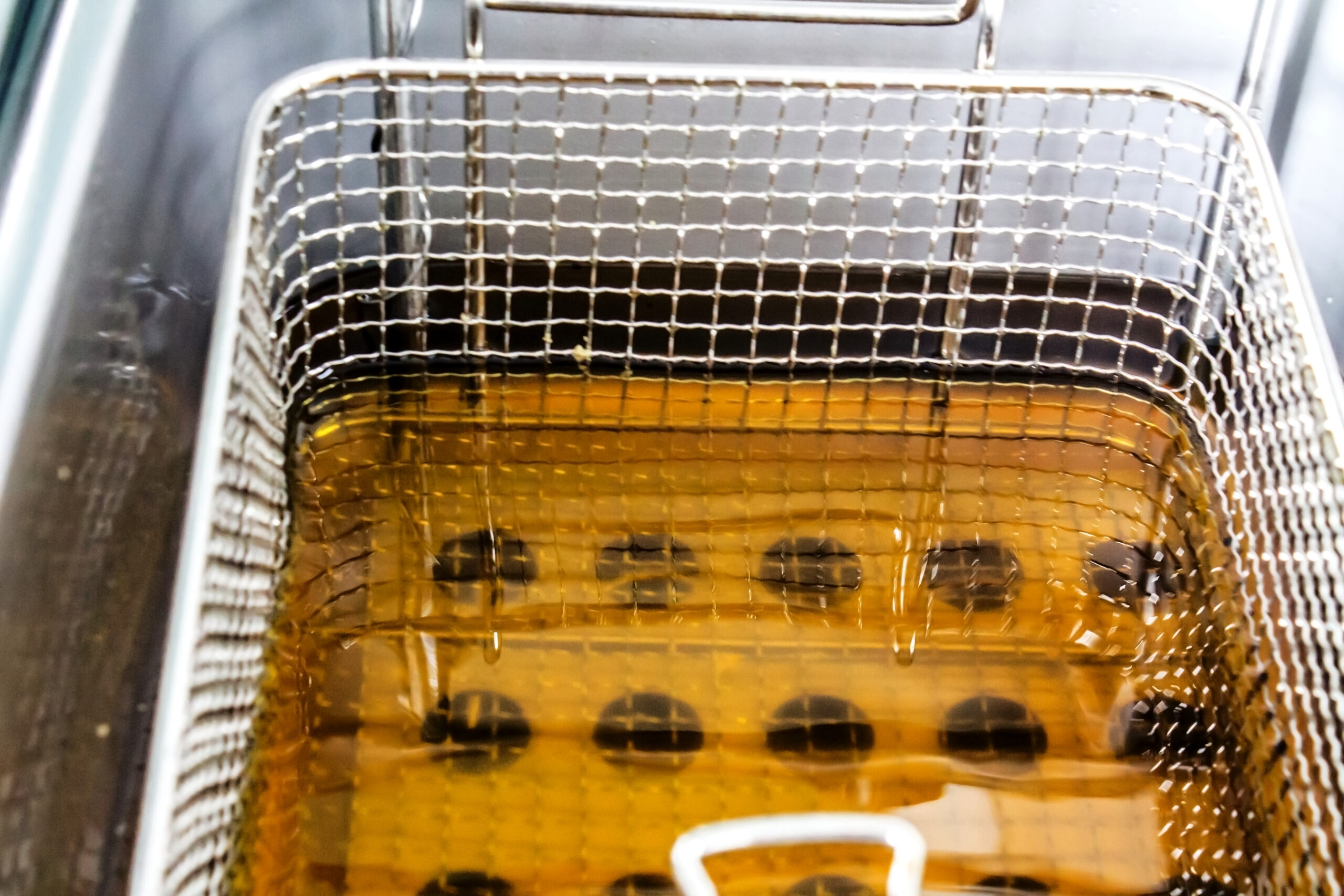
That’s where visibility plays an important role. Systems like fryer oil filtration give operators a clearer understanding of how oil is being used and when it actually needs to be replaced. Instead of relying on guesswork, teams can make more informed decisions that help protect both cost and quality.
#3 Fragmented Vendor Relationships Are Increasing Operational Risk
Many restaurants rely on multiple vendors across regions to keep operations running.² Under stable conditions, that approach works. But under pressure, it can start to show cracks.
Fragmentation often shows up in a few ways:
- Different delivery schedules across locations
- Inconsistent service levels
- Varying communication and responsiveness
Even something as routine as cooking oil delivery can vary depending on the provider, adding another layer of unpredictability. Over time, those differences make it harder to keep operations aligned across locations, and as that alignment slips, risk begins to build.

#4 Standardization Is Becoming a Competitive Advantage
As fragmentation increases, maintaining alignment across locations becomes more difficult.
Operators who are staying in control are focusing on standardization, not just in recipes or training, but in how core processes are handled across every location.
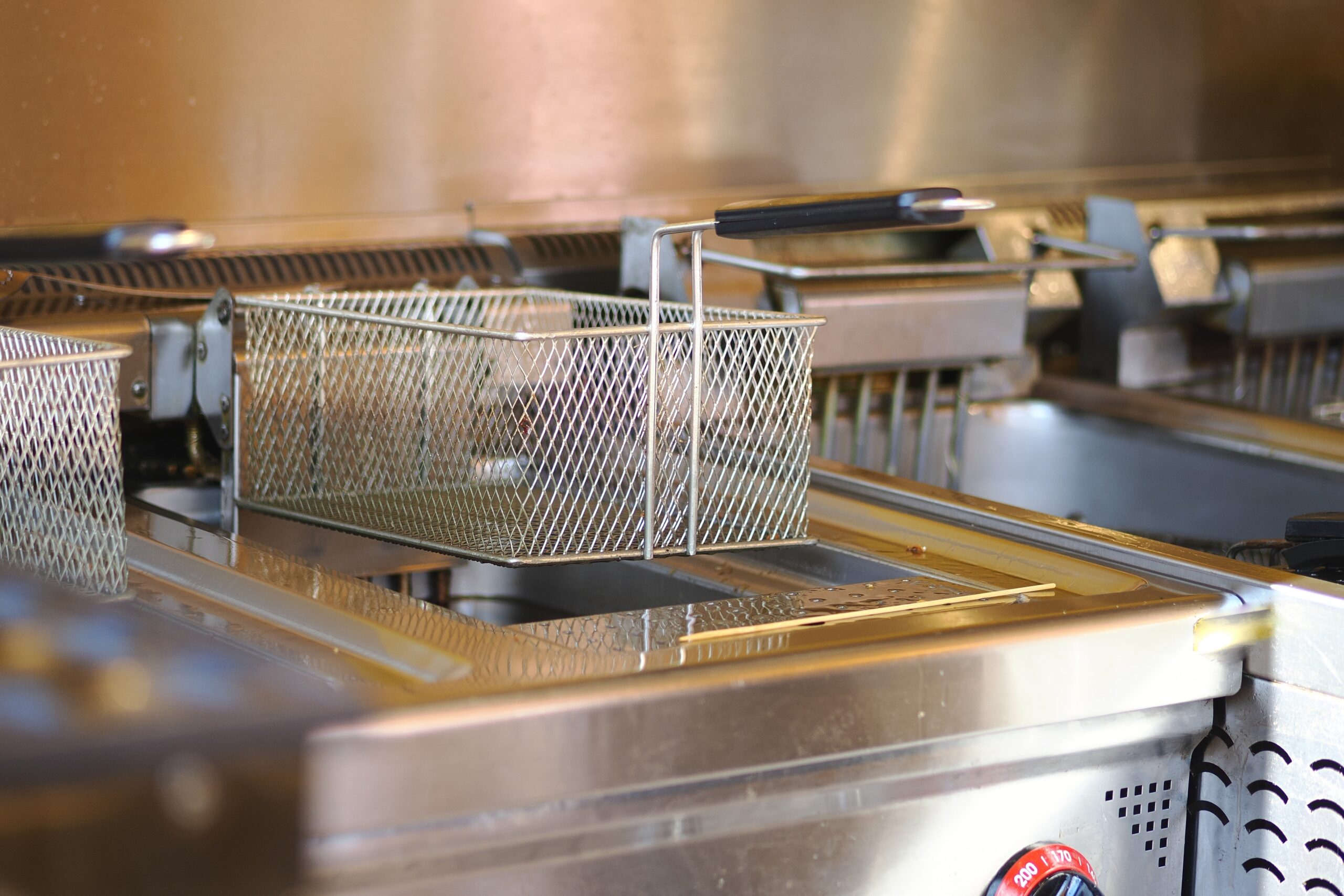
That includes how oil is stored, handled, and removed. Using enclosed oil rendering tanks, for example, creates a more controlled environment than traditional setups. It reduces variability and helps maintain more consistent practices across kitchens.
Standardization doesn’t eliminate external disruption, but it does limit how much that disruption affects the operation. Over time, that added stability becomes a meaningful advantage.
#5 Visibility Is Replacing Reactivity in Modern Operations
Standardization brings more structure to how operations run, but it also makes gaps easier to spot.
Once processes are more consistent, it becomes clearer where things are breaking down, whether that’s missed pickups, inconsistent handling across shifts, or small issues that only surface during disruptions. When those gaps aren’t visible, most teams default to reacting. They fix the issue, adjust on the fly, and move on. But in a volatile environment, that kind of constant reaction isn’t sustainable.
That’s why more operators are prioritizing visibility. Instead of waiting for problems to surface, they’re looking for earlier signals, such as:
- Missed pickups that go unnoticed
- Inconsistent handling across shifts
- Small gaps that only surface during disruptions
This is especially important for processes that are easy to overlook, like cooking oil disposal. With better oversight, these issues can be identified earlier and managed before they escalate, shifting operations away from reactive fixes toward a more controlled, proactive approach.
Building More Resilient Restaurant Operations with Restaurant Technologies
Supply chain uncertainty isn’t going away. If anything, it’s becoming more embedded in how the industry operates. That’s why more operators are shifting toward systems that bring consistency to the parts of the business they can control.
This is where automated cooking oil management comes into play.
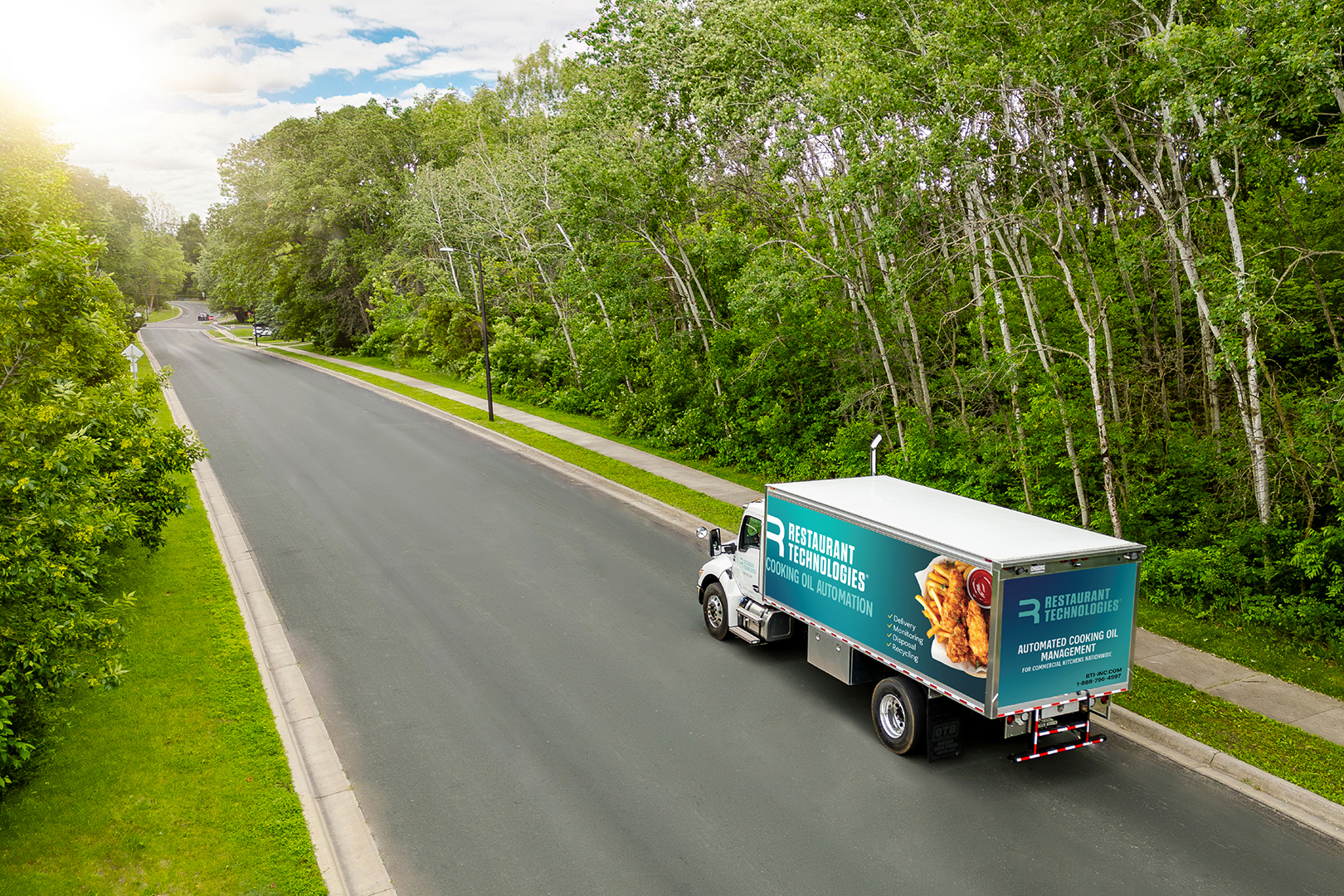
By integrating delivery, monitoring, storage, and disposal into a single, structured system, Restaurant Technologies helps reduce the variability caused by fragmented processes. Oil handling becomes more predictable. Teams spend less time adjusting to disruptions and more time focused on execution.
In an environment where unpredictability is the baseline, that kind of stability matters. Because the operators who stay ahead are the ones building operations that can perform, no matter what changes around them.
Sources:
- National Restaurant Association. State of the Restaurant Industry / Supply Chain updates. https://restaurant.org/research-and-media/research/state-of-the-restaurant-industry/
- Get Know App. Effective Strategies to Manage Multi-Unit Restaurants Successfully. https://www.getknowapp.com/blog/manage-multi-unit-restaurants/