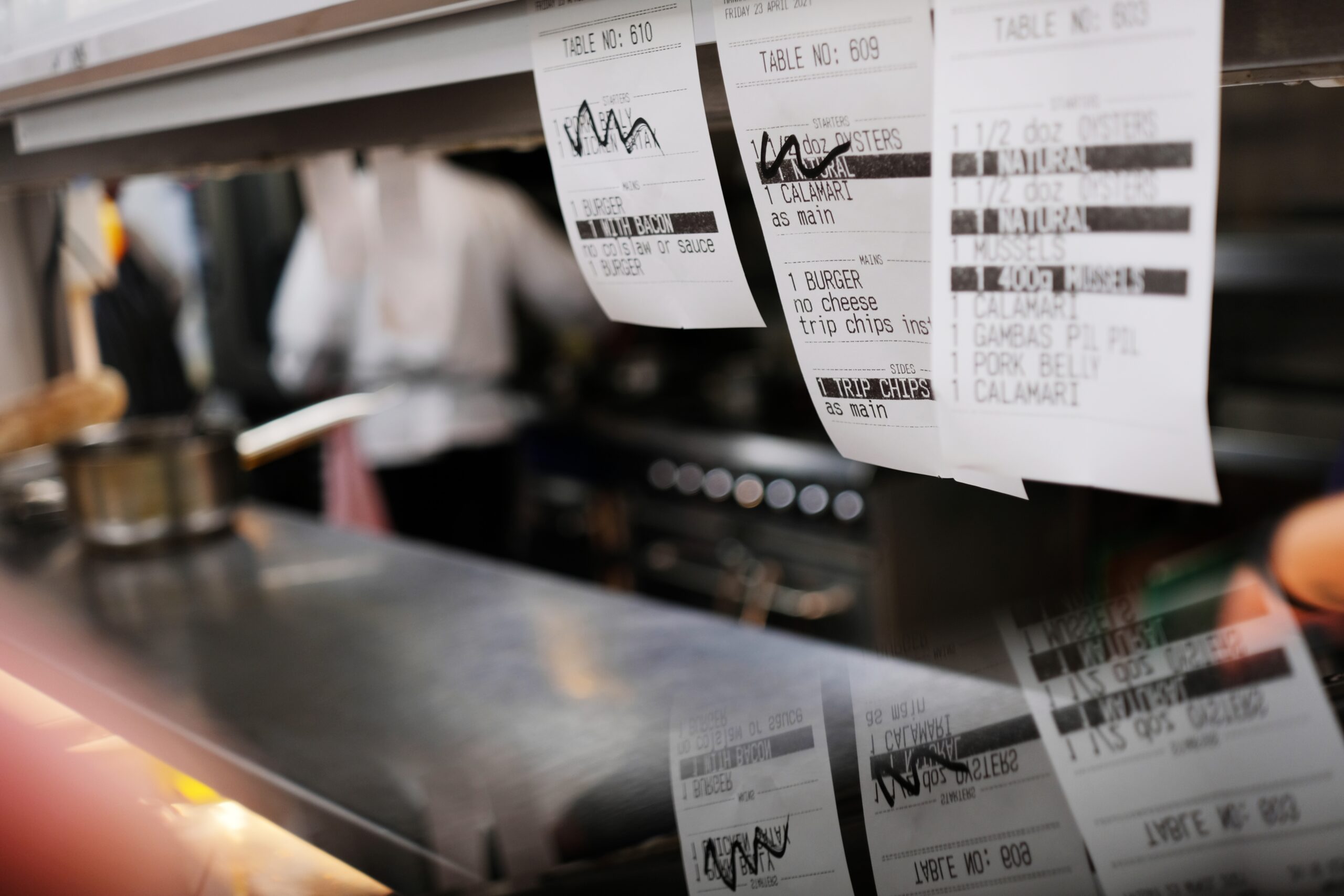

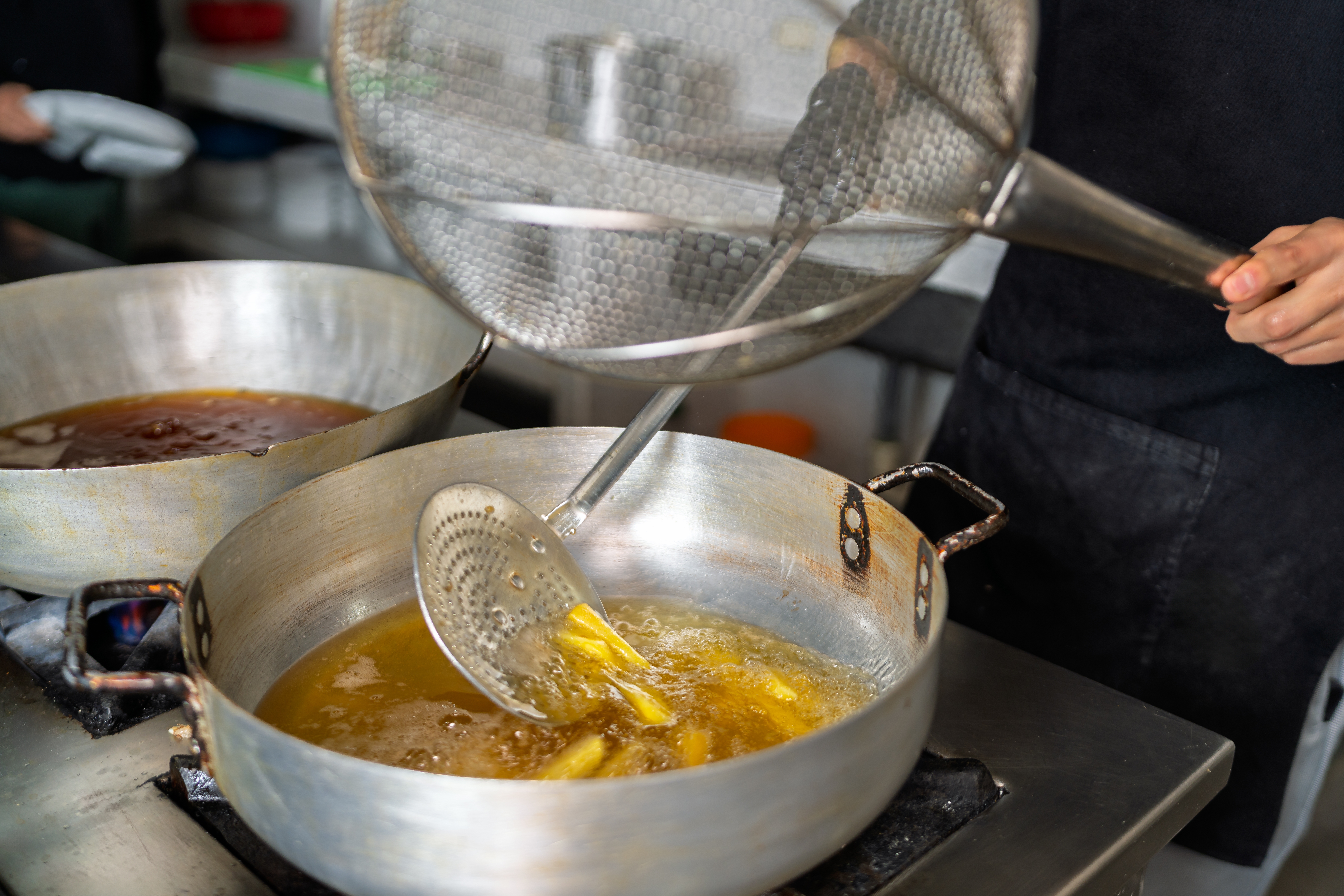
Oil disposal used to feel routine. Kitchens stored it, scheduled a pickup, and moved on. It was an important but predictable part of daily operations.
That predictability is starting to break down.
In 2026, cooking oil disposal sits at the intersection of environmental regulation, workplace safety, and operational accountability. For restaurant operators, that shift means what was once simple now requires far more attention.
Oil Disposal Regulations Are Getting More Complex and Less Predictable
Regulatory pressure is driving much of that change. Expectations around waste and environmental impact continue to increase, but not in a uniform way.
States, counties, and cities are evolving at different speeds. Some are tightening requirements around storage and transport, while others are placing greater emphasis on environmental reporting and enforcement. The result is a patchwork of expectations that is harder to track and standardize across locations.
For operators, this creates added complexity. Processes that worked a year ago may no longer meet current expectations, and approaches that work in one location may not apply in another. Compliance is no longer something that can be set once and left unchanged. It requires ongoing visibility and the ability to adapt as requirements evolve.
As these requirements continue to shift, there are several key areas where operators are seeing the most impact.
#1 Regulation Is No Longer Local. It Is Fragmented Across States and Municipalities
Regulation is no longer confined to the state level. In many cases, requirements now vary from city to city, adding a layer of complexity that didn’t exist before.
Storage standards, pickup frequency, transport documentation, and approved handling methods can all differ depending on where a restaurant operates. What meets expectations in one market may raise concerns in another, even when the process itself hasn’t changed.
For multi-location brands, this poses a real operational challenge. Maintaining consistency becomes difficult when each location operates under slightly different rules. Even something as basic as how oil is stored, whether in enclosed oil rendering tanks or traditional setups, can carry different expectations across jurisdictions.
Without a clear way to manage those differences, risk builds quietly across the portfolio.
#2 “Compliant” Does Not Mean Low Risk Anymore
Many operators assume that meeting stated requirements means they are fully covered. In reality, compliance on paper is only part of the equation, and risk often emerges in how those processes are carried out day to day.
In most kitchens, gaps tend to show up in execution rather than intent. They are not always the result of major breakdowns, but of small inconsistencies that build over time, such as:
- Staff handling oil differently from shift to shift
- Missed or inconsistent pickups
- Incomplete or outdated documentation
Individually, these issues may seem minor, but over time they can create inconsistencies that are difficult to detect in the moment and even harder to account for later. As a result, they often remain unnoticed until an inspection or incident brings them into focus, and with enforcement becoming more rigorous, those gaps carry more weight, especially when there is limited visibility into how processes were followed.
At the same time, regulators are placing greater emphasis on how procedures are implemented in practice, not just whether they exist. This shift has raised the standard for what compliance looks like, making consistency in day-to-day execution just as important as having the right processes in place.
#3 Documentation and Traceability Are Becoming Non-Negotiable
Documentation is one of the areas that has evolved most quickly. Operators are now expected to maintain clear, consistent records across every stage of the disposal process, including:
- When oil is picked up
- Who handled it
- Where it was transported
- How it was processed
This level of detail reflects a broader shift toward traceability. Without it, even routine operations can become difficult to validate during audits or inspections, increasing the risk of delays, penalties, or additional scrutiny.
Because of this, having visibility into the full lifecycle of oil handling has become increasingly important. When operators can clearly see how oil is used, handled, and removed, it’s much easier to keep records accurate and accessible over time. Tools that track usage, like fryer oil filtration monitoring, and connect to more structured disposal processes can help make that consistency easier to maintain.

#4 Third-Party Vendors Can Be a Hidden Compliance Risk
Many restaurants rely on third-party vendors to handle used oil. It’s a standard part of operations, but it also introduces a layer of risk that is often less visible.
In many cases, visibility stops at the back door. Once oil leaves the kitchen, operators are left relying on the assumption that everything downstream is handled correctly, from pickup and transport to final disposal. When that visibility is limited, it becomes harder to verify that processes are being followed consistently or that regulatory requirements are being met.
If something goes wrong, the impact doesn’t stay with the vendor. Missed pickups, improper disposal, or gaps in documentation may originate externally, but the responsibility often still traces back to the restaurant.
This dynamic has already led to real consequences. In California, several restaurants were cited and fined after improper grease disposal practices contributed to sewer system blockages and environmental violations.¹ In many of these cases, the root issue was not a lack of process, but inconsistent vendor practices combined with limited oversight into how waste was handled after pickup.
The result extended beyond fines. Operations were disrupted, inspections increased, and reputational risk followed, highlighting how quickly a routine vendor relationship can become a compliance issue without clear visibility and control.
#5 Safety and Compliance Are More Closely Linked Than Ever
Oil disposal isn’t just a regulatory issue. It also plays a direct role in day-to-day safety in the kitchen.² In many operations, manual handling is still part of the process, which can introduce risks like:
- Burns from hot oil
- Slips from spills
- Strain from lifting heavy containers.
While these may seem like routine safety concerns, they can have a broader impact on how consistently operations run.
An injury can disrupt a shift, slow things down, or lead to inconsistencies in how processes are followed, especially in environments where teams are already stretched thin. Over time, those disruptions can create additional pressure. Incidents may lead to inspections, insurance claims, or closer attention from regulators, particularly as safety and compliance are more closely evaluated together.
As a result, the connection between the two has become harder to separate. Reducing manual handling and creating more controlled workflows not only helps lower the risk of injury, but also supports more consistent, reliable operations that are easier to maintain and keep compliant.
#6 Multi-Location Brands Face Exponential Compliance Complexity
Compliance doesn’t always scale neatly.
Each new location introduces:
- A new regulatory environment
- A new team with varying practices
- A new set of vendors and routines
What feels manageable in one kitchen can quickly become difficult to control across several. Without standardization, small inconsistencies begin to multiply, documentation gaps become more common, and oversight often shifts from proactive to reactive.
This is where system design becomes increasingly important. Structured approaches, such as integrating cooking oil delivery with disposal and monitoring, help create consistency across locations, even when regulations differ. At scale, that consistency is what helps keep operations stable and easier to manage.
Bringing Consistency and Control to Oil Disposal with Restaurant Technologies
Managing compliance across multiple locations takes more than just effort. It really comes down to having the right systems in place to keep everything aligned over time. As regulations continue to evolve, keeping up can start to feel like a moving target, especially when each location is operating a little differently. What works in one kitchen doesn’t always translate to another, and over time, those differences can turn into gaps that are tough to track and even harder to manage.
That’s where a more connected approach can make things a lot easier. With Restaurant Technologies, delivery, monitoring, and disposal all work together as part of one system, so there’s less guesswork and fewer surprises. You get a clearer view into what’s happening across locations, it’s easier to keep processes consistent, and documentation becomes more manageable without adding more to your team’s plate. As you grow, that kind of structure helps keep everything running smoothly.
Connect with our team at Restaurant Technologies to discover how automated cooking oil management can transform how you manage oil across every location.
Sources:
- California State Water Resources Control Board. FOG (Fats, Oils, and Grease) Control Program. https://www.waterboards.ca.gov/water_issues/programs/npdes/fog.html
- National Library of Medicine. Work-related injuries and illnesses among kitchen workers at two major students’ hostels. https://pmc.ncbi.nlm.nih.gov/articles/PMC11228010/