
In a commercial kitchen, cooking oil does a lot of heavy lifting. From deep-frying to high-volume production, it supports a significant portion of the menu. But once that oil has been used, the job changes. Handling used cooking oil the right way is not just a side task; it is a core part of running a safe and efficient kitchen.
For restaurant owners, kitchen managers, and operations leaders, the goal is straightforward: To keep staff safe, protect the building, avoid costly disposal problems, and make the process as consistent as possible.
That is the best way to handle used cooking oil at a restaurant. Not by improvising, not by pouring it wherever it seems convenient, and not by treating it like a quick cleanup job. The stronger the process, the smoother the kitchen.
Why Proper Handling of Used Cooking Oil Matters
Used cooking oil affects more than just the fryers. It also affects safety, compliance, plumbing, and the overall rhythm of the kitchen. When oil is handled carelessly, small issues can escalate quickly.
Some of the most common risks include:
- Workplace injuries – Hot oil can spill during transfer, leading to burns or slip hazards on the floor.
- Fire concerns – Improper storage or transfer increases the risk of ignition in high-heat environments.
- Plumbing damage – Pouring oil into a sink or drain can clog a pipe and damage the sewer system. This creates costly interruptions and can also lead to compliance issues and environmental harm.
- Operational slowdowns – Even a small mistake can interrupt service in a busy kitchen.
Used cooking oil that is collected and recycled correctly can be turned into biofuel instead of becoming waste. That matters for kitchens that want a cleaner, more reliable operation.
Step-by-Step Process for Handling Used Cooking Oil
A clear process makes oil management easier and more efficient. When everyone on the team follows the same steps, the kitchen runs cleaner, safer, and with fewer surprises.
Here is the basic flow that restaurants or kitchens usually follow:
- Let the oil cool.
- Transfer it with approved equipment.
- Store it in a sealed container.
- Schedule pickup or disposal.
- Keep the area clean and dry.
That sounds simple, but consistency is where the real value lives. A well-run kitchen does not guess, rush, or improvise when it comes to used cooking oil. It follows the same steps every time, whether the team is handling a little oil after a slow lunch shift or a full container after a busy night of deep-frying.
Here’s a more detailed look at each step:
1. Letting Oil Cool Safely Before Handling
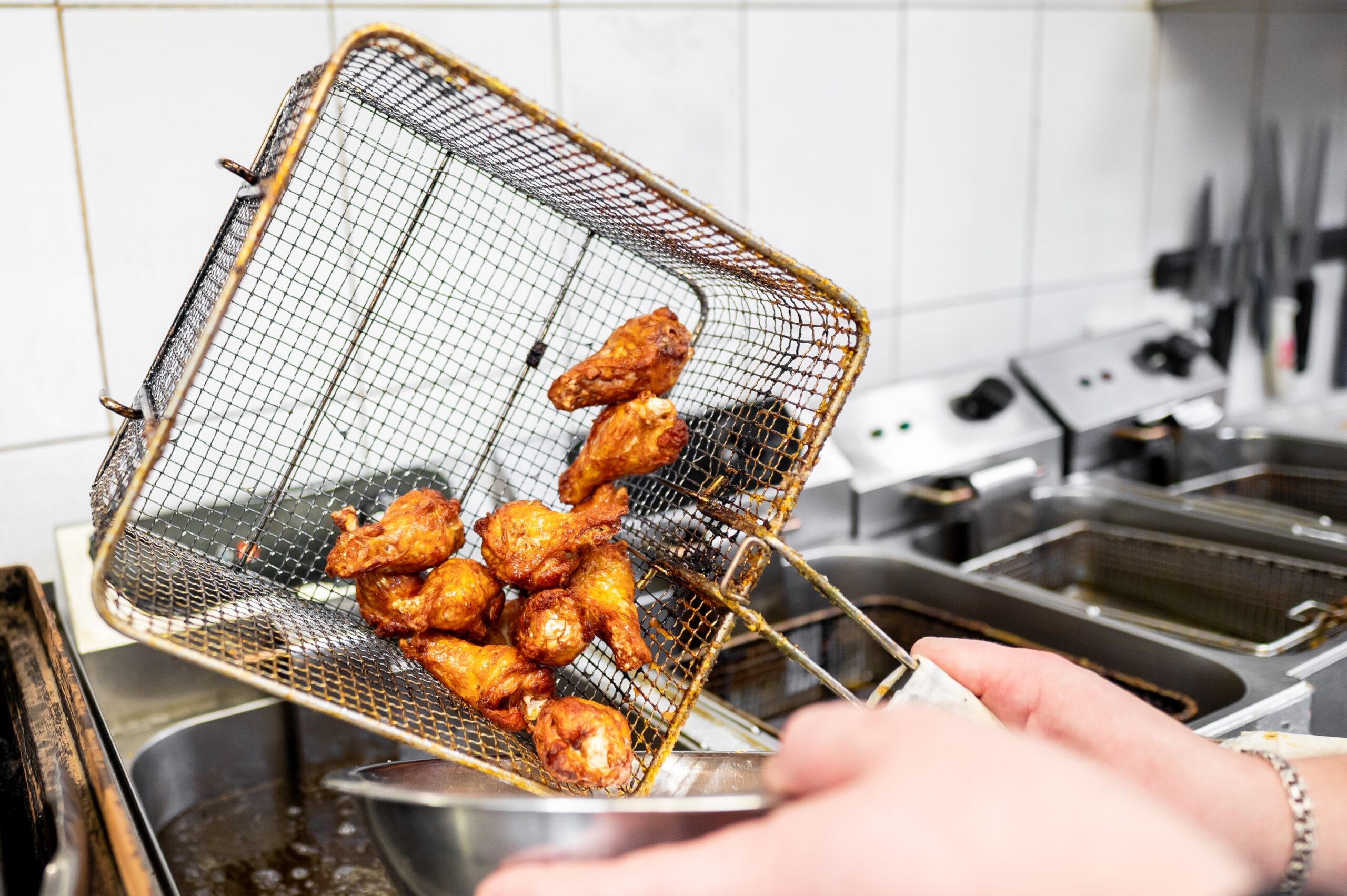
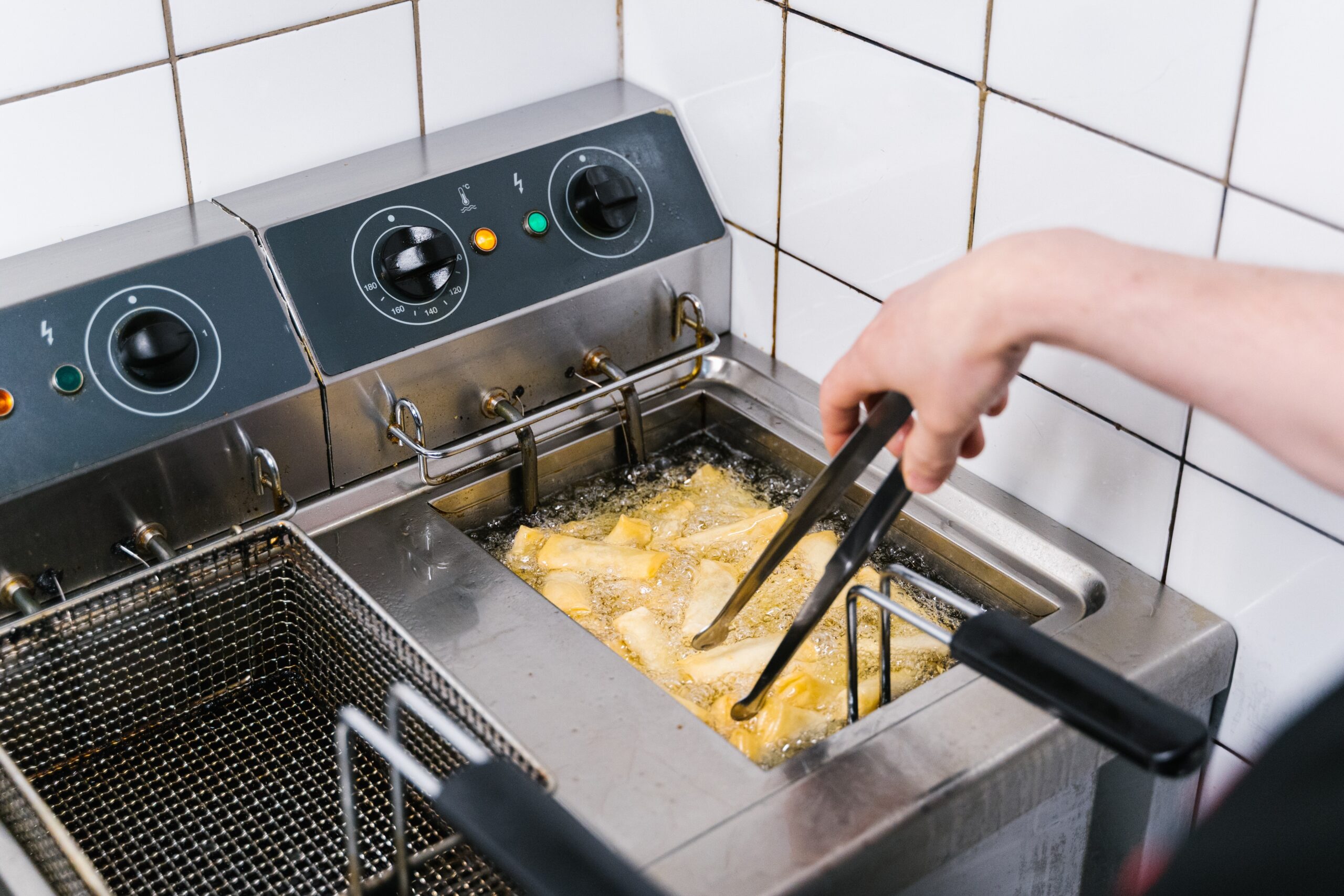
Before any cooking oil disposal begins, the oil must cool. Hot oil burns quickly and spreads easily, increasing the chance of injury. Allowing oil to reach a safe temperature protects staff and makes the process easier to manage.
As oil sits, it may also begin to darken due to oxidation and impurity buildup. This is a natural part of the lifecycle of cooking oil, especially when used to fry repeatedly. Monitoring this stage for a few extra minutes can save a lot of trouble. It also makes the transfer cleaner, since cooler oil is easier to control and less likely to spread across the work area.
Using the Right Transfer Equipment
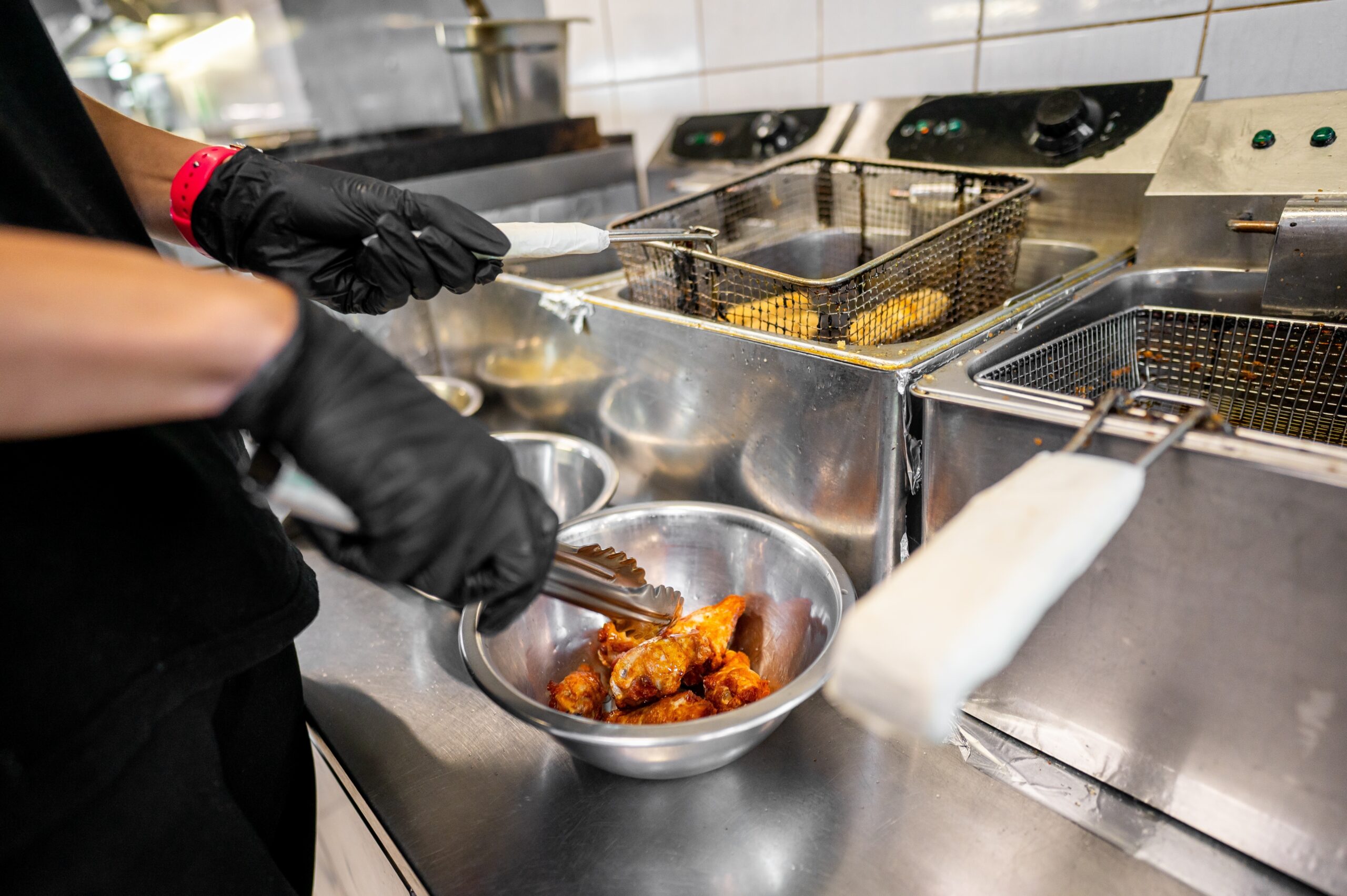
Using the right tools makes all the difference by reducing risk and improving control. Attempting to pour grease manually into a random container or jar can create unnecessary hazards.
Instead, kitchens should rely on:
- Designated oil containers or sealed tanks
- Pumps or transfer systems designed for cooking oil
- Cooking oil filtration tools to remove scraps and debris
Good transfer equipment also helps save cooking oil when filtration is part of the workflow. If the oil can be strained properly and reused when appropriate, operators can get more value out of it before disposal. However, once oil degrades past a certain point, kitchens must properly dispose of used cooking oil through approved methods.
Choosing the Right Storage Containers
Once the oil is transferred, the next step is storage. It is where many kitchens either gain control or lose it. The right oil containers should be sealed, durable, and designed for easy access without increasing risk. A flimsy jar, an open bin, or a temporary trash workaround is not enough.
A well-designed container should:
- Prevent leaks, spills, and odor
- Reduce exposure to air and contamination
- Safeguard against tampering or prevent theft
- Handle large quantities without overflow
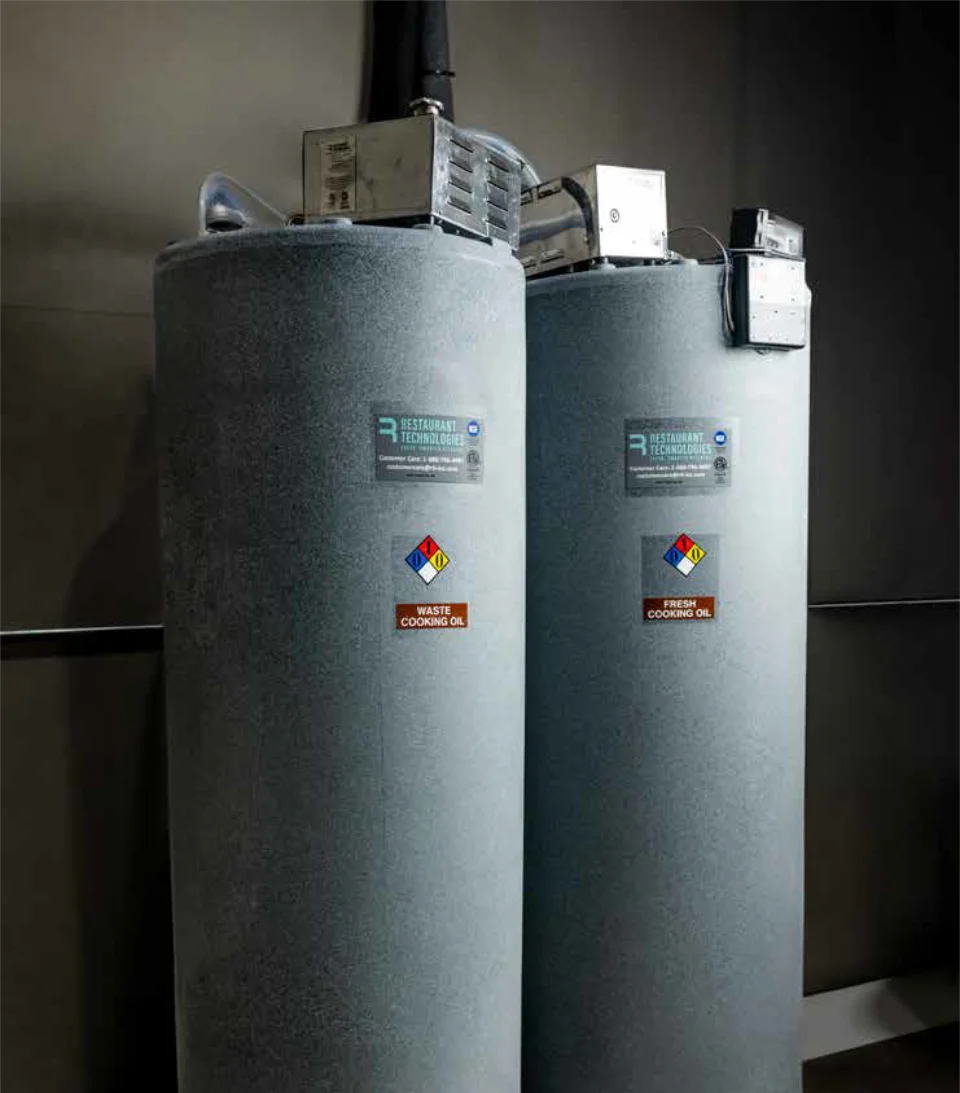
When storage is managed well, the entire process becomes more controlled and predictable. For restaurant operations, this is also where closed-loop systems add value. Enclosed storage helps keep used oil contained until pickup, improving safety and making the back of house easier to manage.
Without that level of control, the risks increase. Improper storage can lead to used grease buildup, added strain on the grease trap, and potential environmental risks. It can also complicate cooking oil recycling efforts.

Preventing Spills and Workplace Hazards
Spills are one of the fastest ways to disrupt a busy kitchen. That said, a good oil process is not just about disposal. It is about preventing the mess in the first place. Used cooking oil on the floor creates slip risks, and hot oil increases the chance of burns if someone is moving too fast or working without protection.
To reduce risks, following these basics can help:
- Keep the area around fryers and oil transfer zones clean, dry, and away from high-traffic paths.
- Use PPE, including gloves and slip-resistant shoes, when handling oil.
- Train kitchen staff on safe transfer, storage, and grease disposal procedures.
- Clean spills immediately using the right soap and cleaning tools.
- Never pour or toss grease into sinks, floor drains, or trash containers.
It is tempting to treat a small amount of grease like no big deal. But small amounts add up. Grease can solidify, harden inside a pipe, and clog a sewer line before anyone notices. That is a fast route to a plumber, downtime, and avoidable cost.
Keeping Used Oil Free From Contamination
Clean oil is easier to manage, easier to recycle, and more valuable in cooking oil recycling programs. Once it’s contaminated, oil becomes harder to process and less suitable for conversion into biodiesel or animal feed.
To maintain quality, kitchens must:
- Keep water, chemicals, and food debris out of oil
- Store used oil in sealed containers
- Avoid mixing regular grease with other waste streams
Even a bit of debris can cause problems later. A clean process supports better recycling outcomes and helps the oil move from the kitchen into the right recovery stream.
Working With Professional Oil Collection Services
Managing used cooking oil manually is time-consuming and inconsistent. That’s why for many restaurants, the best long-term answer is to work with a professional collection service that can handle pickup, disposal, and recycling on a schedule. That reduces labor, supports compliance, and keeps the kitchen more organized.
A professional partner helps:
- Standardize cooking oil collection and grease disposal
- Ensure compliance with regulations and proper documentation
- Provide a consistent pickup schedule
- Reduce labor tied to manual handling
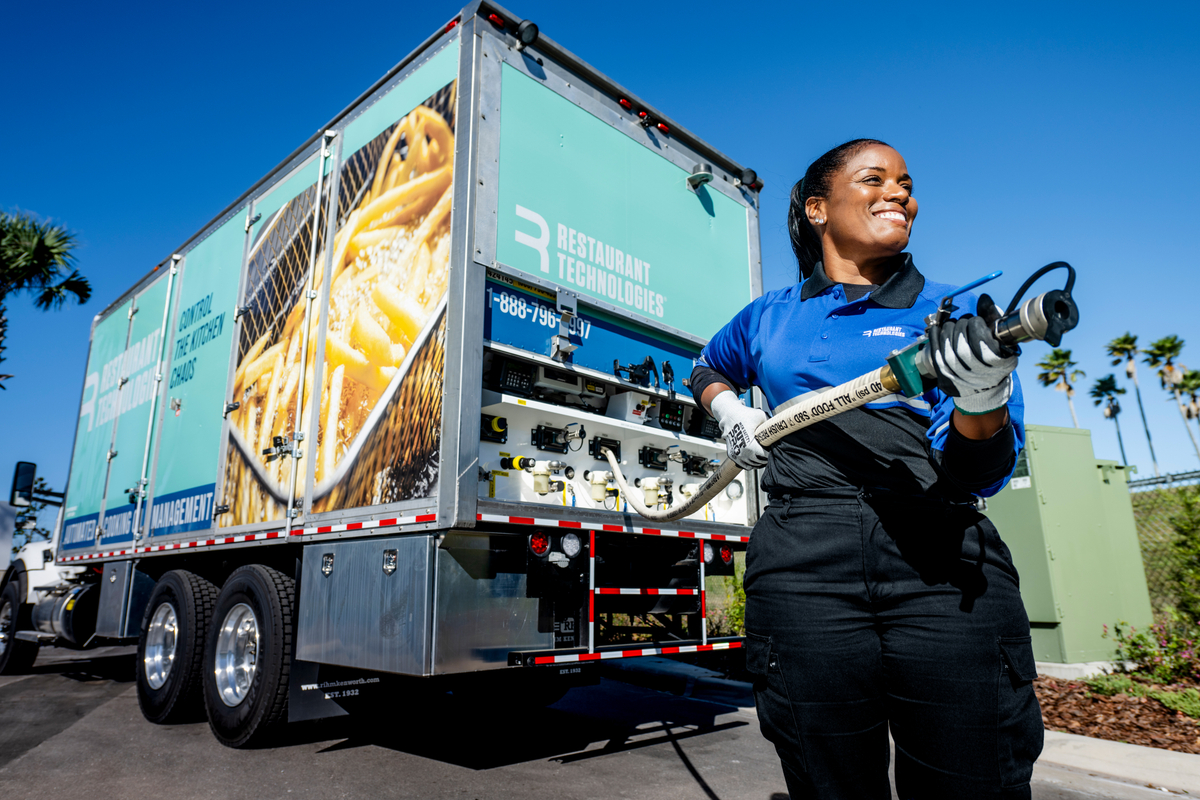
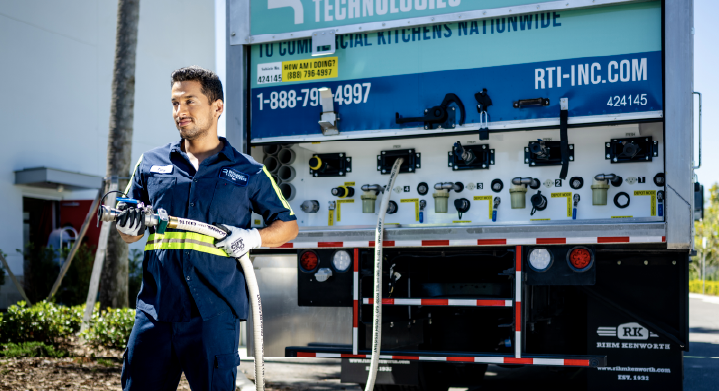
Solutions like automated cooking oil management take this further by creating a closed-loop system that integrates cooking oil delivery, storage, collection, and recycling into a more efficient process. Instead of relying on manual steps, kitchens can automate transfer, storage, and pickup, improving safety and efficiency across the board.
As a trusted partner, Restaurant Technologies supports more than 45,000 commercial kitchens with an automated system designed to simplify the disposal of cooking oil while improving consistency and reducing risk.
Put Your Oil Handling on Autopilot
The best way to handle used cooking oil at a restaurant is to make the process simple, safe, and consistent. Cool the oil properly, transfer it with the right tools, store it in a sealed container, and work with collection services that can recycle it responsibly.
Restaurant Technologies helps simplify this process through automated cooking oil management. With a closed-loop, hands-free system, operators can improve safety, streamline operations, and turn used oil into renewable resources like biodiesel.
For kitchens ready to move beyond manual handling, it’s a smarter, more reliable way to manage cooking oil every day.