
For many restaurant operators, oil rendering is one of those processes that quietly consumes time and attention throughout the week. Tank levels need to be monitored, pickups need to be coordinated, and fresh oil inventory needs to keep pace with demand. None of these tasks is particularly complex on its own, but together they can create a steady stream of operational work.
Restaurant Technologies approaches oil rendering as part of a connected process rather than a series of individual tasks. Automated Cooking Oil Management helps create greater awareness of how oil is moving through the operation, making it easier to keep rendering activities aligned with actual kitchen demand. The result is a more predictable process that requires less day-to-day oversight from restaurant teams.
Most Oil Rendering Still Runs on Manual Processes
In many kitchens, oil rendering is managed through a series of routine checks and decisions that happen throughout the week. Teams monitor tank levels, keep an eye on used oil storage, place fresh oil orders, and coordinate pickups as needs arise. Each task is manageable on its own, but together they require ongoing attention to keep the process running smoothly.
As kitchen activity changes, so do oil management needs. A busy stretch of service, an unexpected increase in fryer volume, or a delayed pickup can quickly change storage requirements and inventory levels.
Some of the situations operators commonly navigate include:
- Used oil accumulating faster than expected during high-volume periods
- Uncertainty around pickup timing and available storage capacity
- Storage areas occupied by oil containers and packaging materials
- Maintaining sufficient inventory as oil consumption levels fluctuate
These responsibilities affect both fresh and used oil management and often require teams to stay actively involved in the process. Over time, that attention adds up, pulling focus toward routine oil-related tasks that must be managed alongside food preparation, staffing, and service.
What Changes When Oil Rendering Is Fully Managed
With complete oil management systems in place, Restaurant Technologies brings monitoring, service, and used oil removal together into a connected oil rendering process. Rather than functioning as a series of separate activities, each part of the process works in coordination with the others to help support a more consistent experience across the operation.
For many operators, the difference becomes noticeable in the small moments throughout the week. There is less time spent checking tank levels, wondering whether storage capacity will be sufficient, or keeping track of when service may be needed. Instead, Restaurant Technologies helps keep oil rendering aligned with actual kitchen activity, creating a process that feels more predictable and requires less day-to-day oversight.
As oil usage and storage levels change, Restaurant Technologies helps ensure service reflects how the kitchen is operating at that time. That allows teams to stay focused on running the operation while maintaining confidence that oil rendering is being managed in step with the needs of the kitchen.
The foundation of that approach is knowing where oil levels stand at any given time and how those levels are changing throughout the day.
How We Monitor Oil Levels in Real Time
Knowing where oil levels stand at any given moment helps Restaurant Technologies understand how oil is moving through the operation. Because oil usage can fluctuate from one day to the next—or even one shift to the next—understanding those changes is an important part of maintaining a predictable process.
Our Oil Rendering Tanks continuously monitor both fresh and used oil levels, creating an ongoing picture of how oil is moving through the kitchen. That information helps us understand consumption patterns and identify when fresh Cooking Oil Delivery or Cooking Oil Disposal may be required.
Why Real-Time Monitoring Matters
Oil management decisions are often influenced by changing conditions inside the kitchen. A successful promotion, an unexpected rush, or a seasonal menu item can all affect how quickly oil is used and how much storage capacity is available.
Real-time Fryer Oil Monitoring helps Restaurant Technologies respond to those changes as they occur by:
- Providing a continuous view of fresh and used oil levels
- Supporting timely service based on actual usage patterns
- Helping maintain available capacity for used oil storage
- Reducing the need for routine level checks by restaurant staff
Rather than relying on estimates or predetermined schedules, service is informed by what is happening in the operation at that time.
How Pickup and Service Are Automatically Scheduled
The information collected through real-time monitoring plays an important role in how service is planned and delivered.
As fresh and used oil levels fluctuate, Restaurant Technologies uses that information to plan pickups and deliveries based on current usage and storage conditions. This helps ensure service remains responsive to the needs of the operation.
The process follows a connected path:
- Tank levels are continuously monitored.
- Usage patterns and storage levels are evaluated.
- Service needs are identified automatically.
- Pickups and deliveries are scheduled.
- Fresh oil is delivered and used oil is removed.
Because Restaurant Technologies manages the process from end to end, operators do not need to coordinate routine service, track pickup schedules, or place recurring oil orders. The result is a more predictable oil rendering process that can respond to changing demand while requiring less day-to-day attention from restaurant teams.
What the Day-to-Day Looks Like for Your Team
For many teams, the difference is most noticeable in the number of oil-related tasks that no longer require routine attention throughout the week. Instead of spending time tracking levels, planning pickups, and managing inventory, teams can rely on a process that is designed to keep pace with the needs of the operation.
That can mean less time spent:
- Checking tank levels
- Ordering oil
- Managing JIB inventory
- Coordinating pickups
- Monitoring storage capacity
- Managing oil containers and packaging
The experience remains consistent across the oil products we support. Whether your operation uses vegetable oil, canola oil, RTI Gold, or even tallow in select markets, the rendering process works through the same connected system.
Over time, that consistency can help simplify day-to-day operations and reduce the number of oil management tasks competing for attention during busy shifts. Teams are able to spend more of their time focused on kitchen execution and supporting the guest experience.
How the Closed-Loop System Keeps Kitchens Clean and Controlled
A well-managed oil process should feel organized from beginning to end.
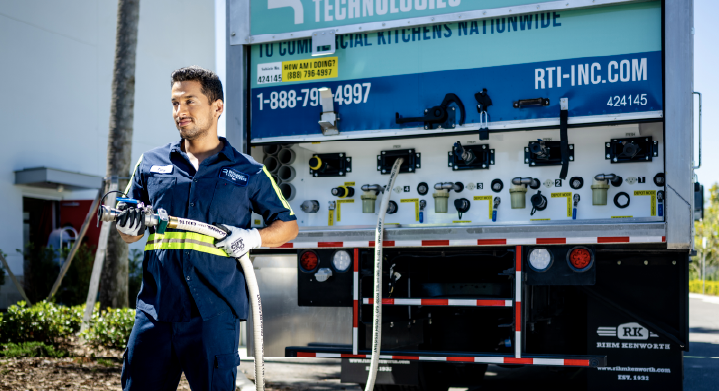
With Restaurant Technologies, fresh oil is delivered directly into storage tanks through secure connections, while used oil is collected and removed through the same closed-loop system. Because oil remains within an enclosed process, teams spend less time handling containers, managing packaging materials, and maintaining designated collection areas.
That approach can help support:
- Less packaging waste from JIBs
- More available storage space
- Fewer opportunities for spills during handling
- Reduced handling of oil containers
- Greater consistency in how oil moves through the operation
Our Oil Rendering Tanks help support that process, creating a streamlined approach to managing both fresh and used oil throughout the kitchen.
A More Predictable Way to Manage Oil Rendering with RTI
For many operators, the value of a connected oil rendering process becomes apparent in the confidence it creates across the operation. Teams know oil levels are being monitored, service is being planned around actual usage, and the process is supported by a system designed to keep pace with changing kitchen demands.
That level of consistency can be especially valuable across multi-unit operations, where standardizing processes and maintaining visibility across locations becomes increasingly important as the business grows.
Restaurant Technologies helps operators bring those capabilities together through total oil management, creating an oil rendering process designed to support day-to-day operations while providing a stronger foundation for long-term growth.
Connect with Restaurant Technologies to learn how a connected approach to oil rendering can help support your operation.