

As sustainability becomes a larger focus across the restaurant industry, it’s influencing far more than brand messaging alone. Restaurant operators are increasingly factoring sustainability into operational planning, performance goals, and long-term business decisions as they look for ways to run more efficient and responsible kitchens.1 At the same time, many brands are discovering there’s a meaningful difference between talking about sustainability and having the ability to clearly measure progress behind those efforts.
For multi-location restaurant organizations, that visibility matters. Sustainability initiatives are much easier to improve and scale when operators can consistently track what’s happening across locations, identify gaps in execution, and understand where operational changes are making an impact. Without that level of insight, even well-intentioned programs can be difficult to manage in a measurable way.
While most restaurant brands already recognize the importance of sustainability, turning those goals into day-to-day operational practices is often where the real challenge begins. The focus is no longer just on defining sustainability commitments, but on creating systems and processes that make progress easier to track over time.
Sustainability Is Only Valuable If You Can Measure It
Most restaurant brands today have sustainability goals in place, but far fewer have consistent visibility into how those goals are being carried out across every location. As operations grow, that gap between intention and execution can become harder to identify and even harder to manage.
Without clear measurement, it becomes difficult to:
- Validate progress over time
- Identify inconsistencies between locations
- Make decisions based on reliable operational data
- Give leadership a clearer picture of systemwide performance
As a result, sustainability efforts can remain more conceptual than operational.
For many operators, the challenge is not a lack of commitment. It’s having the right systems and processes in place to turn sustainability goals into measurable day-to-day activity. While that disconnect may feel manageable within a single kitchen, maintaining consistency across dozens or even hundreds of locations is far more complex.
That’s why measurement plays such an important role. It helps operators establish a baseline, uncover operational differences between locations, and create a clearer path for improving performance over time.
What Leading Restaurant Brands Are Actually Measuring
As restaurant operators work toward more measurable sustainability goals, many are also becoming more intentional about what they track. Rather than trying to measure every possible variable at once, leading brands are focusing on several key areas that provide meaningful insight into environmental performance and operational efficiency. Common sustainability metrics often include waste reduction, resource consumption, recycling and recovery rates, and efforts to reduce single-use materials across locations.
Waste Reduction and Diversion
Waste remains one of the most visible indicators of sustainability performance, but only when operators have enough visibility to measure it consistently across locations.2
Many leading restaurant brands are tracking:
- Total waste generated across locations
- Waste diverted from landfill
- Differences in waste handling between kitchens
- Frequency of disposal and overflow issues
- Opportunities to reduce avoidable waste, including single use plastics
With clearer operational data, teams are better equipped to identify patterns, uncover inefficiencies, and make more informed decisions about where improvements can have the greatest impact. Many operators are also using these insights to track opportunities to reduce single-use plastics and other disposable materials, helping minimize waste while responding to growing customer and stakeholder expectations around sustainability.
Resource Usage Across Back-of-House Operations
For many restaurant operators, sustainability efforts also involve taking a closer look at how resources are used throughout the back of house. That includes water, energy, and the materials required to support daily kitchen operations.
While these inputs are often monitored at a high level, connecting usage data back to specific operational processes is where many organizations face challenges. Operators may begin asking questions such as:
- Which locations are using more resources than expected?
- Where are processes operating more efficiently?
- Which operational changes are driving the most meaningful improvements?
In many kitchens, cooking oil is one of the most significant consumable resources being monitored. For example, consistent fryer oil filtration practices can help extend oil life, reducing overall oil consumption and purchases while lowering waste. Even relatively small improvements in oil utilization can create measurable sustainability and cost benefits when applied across multiple locations.
Answering those questions requires consistent tracking, reliable workflows, and better visibility into everyday kitchen activity. Without that operational foundation, resource management can easily remain reactive instead of becoming part of a longer-term sustainability strategy.
Cooking Oil Management as a Sustainability Measurement Opportunity
Among the many sustainability metrics restaurant operators track, cooking oil management offers a useful example of how operational activity can be translated into measurable environmental outcomes.3 Because oil follows a clearly defined lifecycle—from delivery and filtration to collection and recycling—it creates multiple opportunities to reduce waste, improve resource efficiency, and monitor sustainability performance over time.
It is delivered, used, filtered, collected, and eventually recycled, with each stage creating opportunities to improve efficiency, reduce waste, and generate more consistent operational data. That visibility makes cooking oil management one of the clearest examples of how sustainability can be measured in everyday kitchen operations.
1. Usage and Optimization
How cooking oil is managed day to day can have a direct impact on both operational efficiency and sustainability outcomes.
Replacing oil too early increases waste and unnecessary costs, while extending oil beyond optimal conditions can affect food quality and consistency. Structured Fryer Oil Filtration helps operators strike a better balance by supporting more consistent filtration routines and improved visibility into oil condition over time. By extending oil life and reducing unnecessary oil replacement, consistent filtration practices can help reduce overall oil consumption, in some cases by around 10%.
The benefits are measurable:
- Reduced oil waste and overall oil consumption
- Potential reductions in oil purchases through extended oil life
- Lower operational costs
- More consistent food quality across locations
2. Collection and Recovery
Once oil reaches the end of its usable life, the collection process becomes just as important as the way the oil was used.
Manual or inconsistent Cooking Oil Disposal practices can create unnecessary variability between locations. Storage methods may differ, pickup schedules can become inconsistent, and tracking recovery data often becomes more difficult over time.
By standardizing this process, operators can improve both safety and operational visibility. Structured oil storage and collection systems can support a more consistent approach to used oil handling and recovery across locations while helping reduce operational variability.
3. Recycling and Environmental Impact
The final stage of the cooking oil lifecycle is often where sustainability outcomes become most visible.
Recovered oil can be repurposed into renewable biofuels, transforming a used byproduct into a measurable environmental benefit. More importantly, these outcomes can be tracked in ways that connect operational activity back to broader sustainability goals, including:
- Volume of oil recovered
- Amount diverted from landfill
- Contribution to renewable energy production
When operators have consistent visibility into these metrics, it becomes easier to understand the direct relationship between everyday kitchen operations and long-term environmental impact.
Quantifying Sustainability at Scale
As restaurant brands gain better visibility into operational sustainability data, the conversation naturally shifts from tracking activity to understanding impact.
For leadership teams, the value is not just in collecting numbers. It’s in being able to translate operational performance into measurable business and environmental outcomes that can be evaluated across the organization.
Instead of only monitoring processes, operators can begin answering larger strategic questions:
- How much waste reduction has actually been achieved?
- Which operational changes are creating the biggest impact?
- Where are sustainability efforts improving efficiency across locations?
This level of quantification gives restaurant organizations a stronger foundation for decision-making, long-term planning, and enterprise reporting.
What Quantification Allows Operators To Do
With clearer sustainability insights, operators are better equipped to:
- Compare performance across locations
- Identify operational trends and inconsistencies
- Track improvements over time
- Support internal sustainability reporting
- Align operational initiatives with broader business goals
Tools like the RTI Sustainability Calculator help bridge the gap between operational activity and measurable environmental outcomes by translating kitchen data into tangible metrics such as landfill space saved, plastic reduced, and emissions avoided.
How Restaurant Technologies Helps Restaurants Track and Scale Sustainability Performance
For many multi-location restaurant operators, the challenge is no longer defining sustainability goals. It’s building consistent operational systems that make those goals easier to measure, manage, and scale over time.
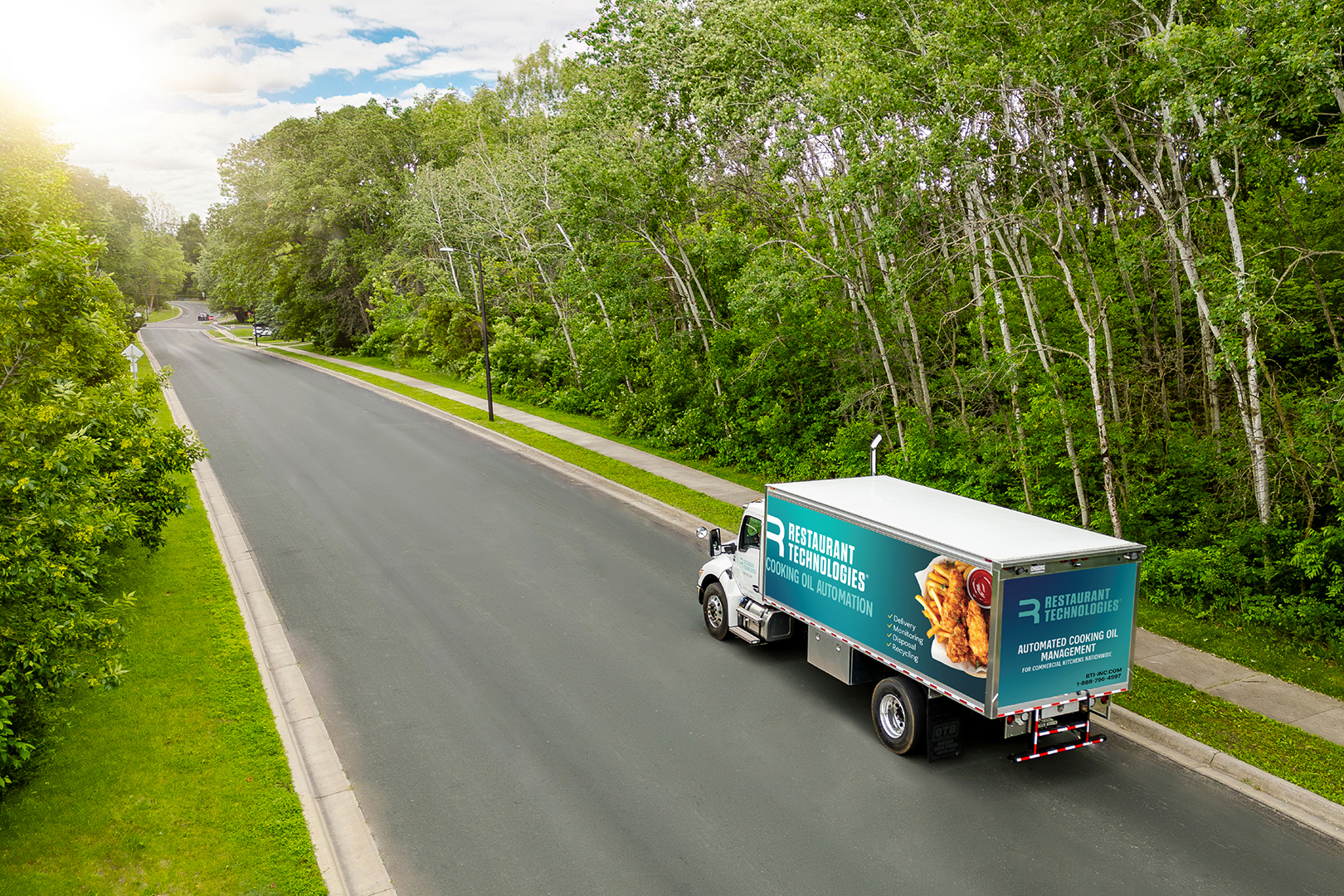
Restaurant Technologies helps simplify that process by creating a more automated approach to cooking oil management, from delivery and filtration to collection and recycling. With greater visibility into how oil is used and recovered across locations, operators can reduce operational variability while supporting more measurable sustainability outcomes.
By turning everyday kitchen processes into more trackable, standardized workflows, sustainability becomes easier to manage at both the location and enterprise level.
Connect with Restaurant Technologies to learn how a system-driven approach can help support more measurable sustainability performance across your operation.
Sources:
- Science Direct. Sustainable green dining: The power of responsible consumption and waste reduction on revisit intention. https://www.sciencedirect.com/science/article/pii/S2666188825002096
- MDPI. Waste Management, Waste Indicators and the Relationship with Sustainable Development Goals (SDGs): A Systematic Literature Review. https://www.mdpi.com/2071-1050/16/19/8486
- SciePublish. Sustainable Recycling Mechanisms for Waste Cooking Oil in China’s Third-Tier Cities: Evidence from Restaurant Practices. https://www.sciepublish.com/article/pii/746