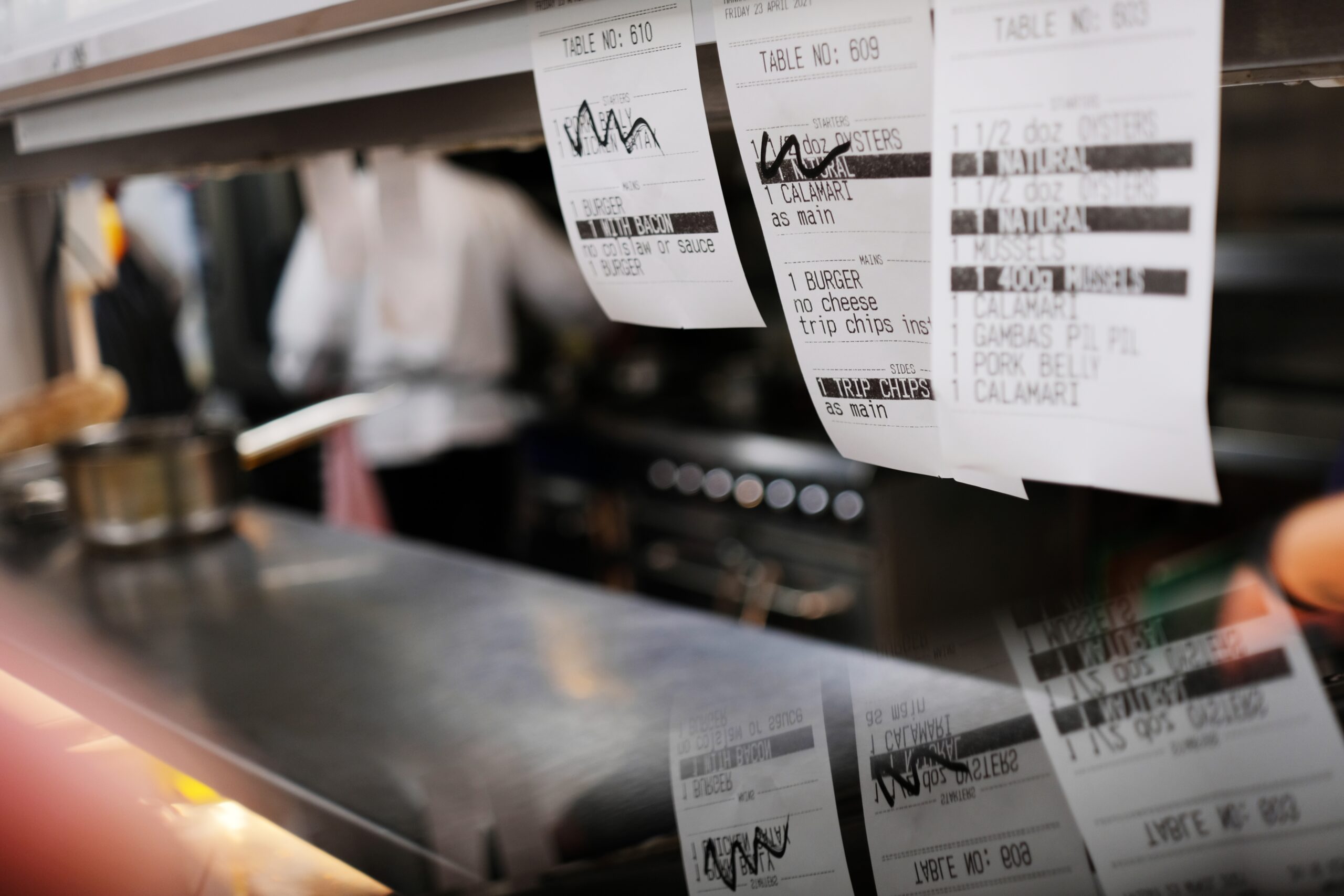


The more locations a restaurant group operates, the harder it becomes to ensure that what’s working in one kitchen is working just as well in the next. A new system might gain traction quickly at a high-performing location with an experienced GM, only to encounter resistance at a restaurant where turnover is higher and the closing crew has developed its own way of getting things done.
For multi-unit operators, these differences can have a lasting impact on technology adoption. A missed filtration cycle or an employee reverting to a familiar process might seem like an isolated issue, but when those habits become routine across multiple locations, the value of a technology investment starts to erode. And with regional leaders overseeing increasingly complex operations, there’s only so much that can be caught during a site visit.
At Restaurant Technologies, we’ve seen how much the day-to-day realities of a kitchen influence the success of new technology. Our experience helping restaurant groups implement automated cooking oil management has shown us what it takes to establish consistent practices across locations and sustain them as operations grow.
Assess Each Location Before You Build the Rollout Plan
According to TouchBistro’s 2025 State of Restaurants Report, 86% of operators use the same POS system across their locations.1 For growing restaurant groups, standardizing technology can help establish more consistent operations, but successful implementation still depends on the needs of each location.
A high-volume restaurant with a seasoned management team may be ready to adopt new technology quickly, while a recently opened restaurant still establishing its daily procedures could benefit from a more measured rollout. Assessing each location’s readiness helps operators plan for those realities before installation begins.
Identify Site-Specific Installation Requirements
Two restaurants can follow the same kitchen prototype and still have very different installation needs. One may have plenty of room near the fryer line, while another is working around a tighter back-of-house layout or an exterior access point that makes equipment placement more complicated.
For systems like automated cooking oil management, these details can influence everything from tank placement to how fresh and used oil moves through the kitchen. Taking the time to assess each location before installation helps operators identify potential obstacles and determine what adjustments may be needed to accommodate the new equipment.
The last thing a busy kitchen needs is an installation surprise that interrupts service. Working through those considerations early gives teams a clearer picture of what to expect and helps keep the rollout on track.
Account for Operational Complexity
Beyond the physical setup of each kitchen, operators also need to consider how the demands of daily service might influence a new technology rollout. A quick-service restaurant managing a steady stream of orders from breakfast through dinner will have different opportunities for employee training than a casual-dining location preparing for its busiest hours in the evening. Understanding those patterns can help operators introduce new procedures at times when employees have the capacity to learn them.
Staffing stability also deserves consideration, particularly for growing restaurant groups where some locations may be onboarding new employees more frequently than others. An experienced kitchen team might adapt quickly to a new system, while a location with higher turnover could need additional training to ensure procedures are being followed consistently. Factoring in those differences allows operators to provide the right level of support without placing unnecessary demands on already busy managers.
Sequence Locations by Readiness
Starting with a smaller group of restaurants gives operators an opportunity to see how new procedures hold up during actual service before expanding the rollout. Those early experiences can reveal where employees need additional guidance or where a workflow may need adjusting to better accommodate the demands of a busy kitchen.
Use what you learn to refine the process before bringing the next group of locations online. For regional leaders overseeing multiple restaurants, this phased approach also makes it easier to stay involved in implementation without stretching their attention across the entire operation at once.
Standardize New Workflows Before Teams Go Live
As restaurant groups expand, individual locations can develop their own approaches to routine tasks, even when they’re operating under the same brand standards. Introducing new technology is an opportunity to establish a consistent process across the organization, with clear expectations for how each location should operate.
Before implementation, operators should establish a few foundational standards:
- Define process ownership: Identify who’s responsible for overseeing each procedure and ensuring it’s followed.
- Document operating procedures: Establish clear SOPs that account for how the technology will be used during daily service.
- Set escalation protocols: Clarify how employees should report issues and when management or technical support should step in.
- Establish performance expectations: Determine how adherence will be monitored across locations.
For automated cooking oil management, this could mean establishing consistent filtration schedules across restaurants while accounting for differences in kitchen volume and operating hours. Setting those expectations before installation gives managers a clear framework to reinforce as teams begin using the new system.
Train Employees on the Tasks They Will Actually Perform
With operating standards established, training becomes an opportunity to prepare employees for how the technology will function during an actual shift. A team may understand a new procedure during a scheduled training session, but carrying it out independently during a busy dinner service requires familiarity with the equipment and the decisions they’ll need to make along the way.
Train the Core Daily Workflow
Using automated cooking oil management as an example, frontline training should concentrate on the tasks employees will encounter most often:
- Filtration: Practice completing filtration procedures according to the established schedule.
- Fresh oil management: Demonstrate how to add fresh oil using the automated system.
- Used oil disposal: Practice transferring used oil through the enclosed system.
- System alerts: Learn to recognize notifications and follow the appropriate response procedures.
Whenever possible, employees should practice using the equipment they’ll work with during service. This gives them an opportunity to ask questions and become familiar with the process before they’re expected to perform it independently.
Prepare Managers for Exceptions
Even with clear procedures in place, managers will encounter situations that require additional attention. A missed filtration cycle during a busy dinner service or an unexpected equipment alert can create uncertainty if there isn’t an established process for responding.
Manager training should address how to handle these situations, including:
- Missed procedures: Determine how to address skipped filtration cycles.
- Equipment concerns: Recognize when an issue requires technical support.
- Employee questions: Provide guidance when employees encounter unfamiliar situations.
Managers who can confidently address these situations are better equipped to keep small disruptions from turning into recurring operational issues.
Build for Turnover and New Hires
For restaurant groups managing frequent hiring or expanding into new markets, training needs to extend well beyond the initial implementation. Employees joining six months after installation should receive the same foundational instruction as the team that participated in the original rollout.
Incorporating technology training into standard onboarding procedures, supported by accessible reference materials and hands-on demonstrations, helps maintain consistency as teams change. It also reduces the burden on experienced employees who might otherwise be responsible for explaining procedures informally between shifts.
Keep Managers Involved Beyond the Initial Rollout
Restaurant managers are often the ones turning a corporate technology rollout into a working process on the kitchen floor. They’re coordinating training around shift schedules, answering questions when employees encounter something unfamiliar, and making sure new procedures are followed once the implementation team leaves. For managers already balancing staffing demands and daily service, leading that transition requires dedicated support from regional leadership.
For multi-unit operators, the priority should be equipping managers to lead the transition without adding unnecessary complexity to their workload. Here are a few ways to make that happen:
- Give managers ownership early, allowing them to flag operational challenges before installation begins.
- Build reinforcement into existing routines, using shift checklists and manager walkthroughs to keep procedures consistent.
- Maintain communication after launch, creating opportunities to share feedback with regional leadership and address emerging issues.
Use Location-Level Data to Catch Adoption Problems Early
Even when a rollout appears successful across the broader restaurant group, individual locations may be having trouble maintaining consistent procedures. Reviewing performance at the location level helps regional leaders identify where execution may be slipping before those issues become established habits.
Keep an eye on indicators such as:
- Missed or inconsistent filtration activity
- Recurring system alerts
- Unexpected changes in cooking oil usage
- Repeated employee questions about established procedures
- Performance gaps between comparable locations
The Restaurant Technologies T.O.M. Portal provides visibility into filtration activity and cooking oil usage across locations, helping operators spot patterns that warrant a closer look. When inconsistencies emerge, investigate whether additional training, workflow adjustments, or equipment support may be needed.

Treat the First 30 Days as Part of the Implementation
According to the National Restaurant Association, 76% of restaurant operators believe technology gives them a competitive edge.2 Realizing that potential requires close attention to how new systems perform once employees begin using them independently, making the first 30 days after installation an important period for evaluating adoption.
Review early performance data alongside manager feedback, paying particular attention to recurring issues or procedures employees are struggling to follow. Use those findings to refine training materials and SOPs so the next group of restaurants can benefit from what you’ve learned during the initial rollout.
Choose a Restaurant Technology Partner That Can Support Adoption at Scale
As restaurant groups expand, technology partners need to be equipped to support operations well beyond the initial installation. Reliable service and ongoing visibility into system performance help operators maintain the standards they’ve worked to establish across their locations.
Restaurant Technologies helps multi-unit operators bring that consistency to one of the busiest parts of the kitchen through automated cooking oil management. With dependable fresh oil delivery, automated filtration and monitoring, and hands-free used oil disposal, Total Oil Management helps standardize essential processes across locations while giving operators greater control over daily operations.
Ready to bring greater consistency to your kitchens? Explore Total Oil Management.
Sources
- TouchBistro. 2025 State of Restaurants Report. https://marketingdev.touchbistro.com/wp-content/uploads/2024/11/TouchBistro-2025-State-of-Restaurants-Report.pdf
- National Restaurant Association. Restaurant Technology Landscape Report 2024. https://go.restaurant.org/rs/078-ZLA-461/images/NatRestAssoc_TechLandscapeReport_2024.pdf