
Keeping a commercial kitchen running smoothly requires more than quality equipment and skilled staff. Consistent maintenance plays a critical role in preventing breakdowns, protecting employees, and controlling long-term operating costs. A clear commercial kitchen maintenance checklist helps teams stay proactive rather than reactive, especially in fast-paced environments.
When maintenance becomes part of the daily routine, kitchens operate more safely and equipment performs as intended.
Why a Maintenance Checklist Matters
Commercial kitchens rely on high-cost appliances that operate for long hours under demanding conditions. Without regular upkeep, even reliable equipment can fail unexpectedly.
A structured maintenance checklist helps:
- Reduce unplanned equipment downtime
- Improve kitchen safety and cleanliness
- Extend the lifespan of major appliances
- Maintain consistent food quality
- Support compliance with health and safety codes
Preventive maintenance is often more cost-effective than emergency repairs and helps kitchens stay focused on service rather than disruptions.
Daily Maintenance Tasks for Commercial Kitchens
Daily tasks are the foundation of an effective maintenance program. These checks take only a few minutes but can prevent larger issues over time.
Common daily tasks include:
- Checking cooking oil levels and fryer performance
- Wiping down cook lines, prep surfaces, and controls
- Inspecting fryers, ranges, and ovens for visible wear
- Emptying grease traps and waste containers as needed
- Verifying proper temperatures in refrigeration units
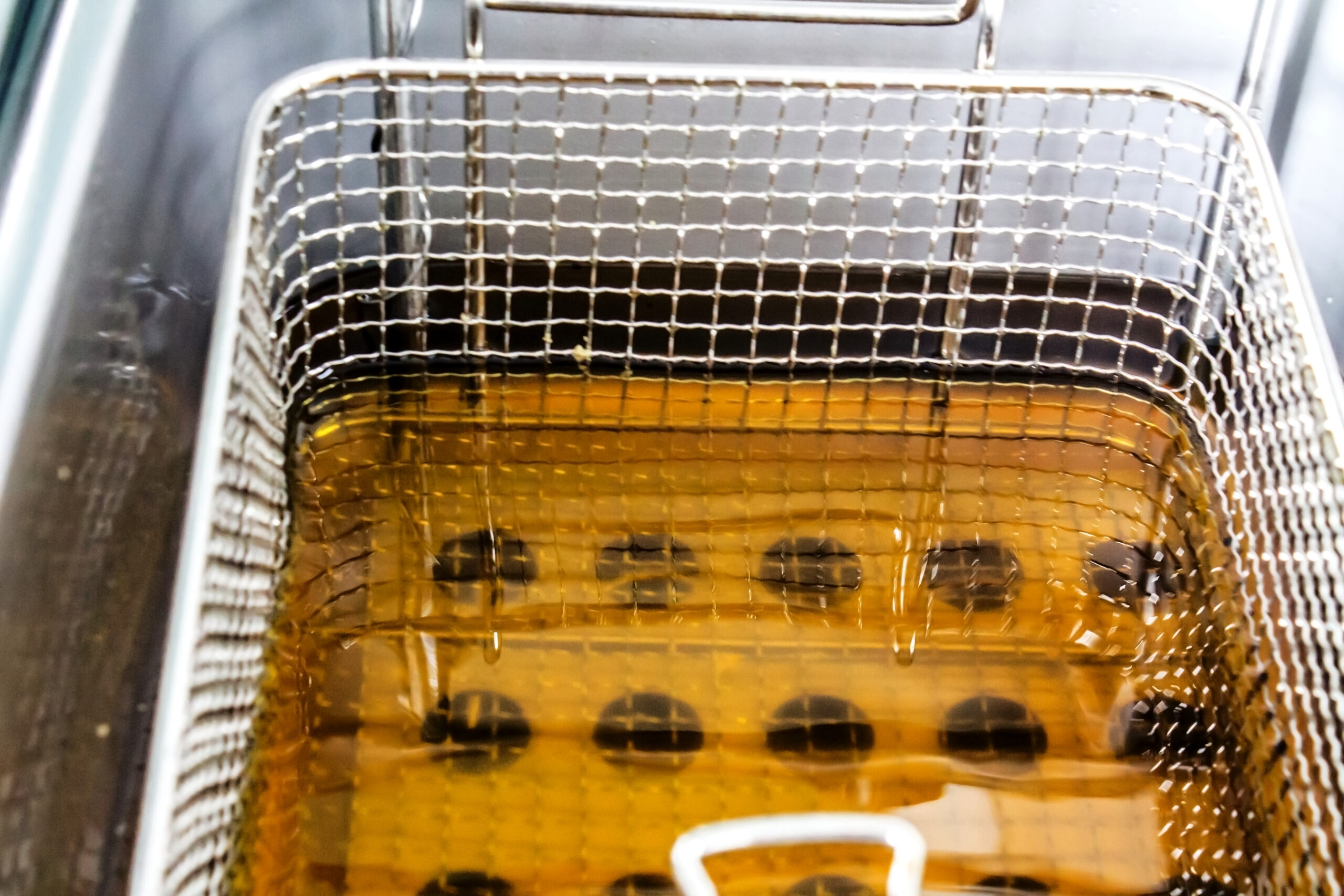
In kitchens with fryers, monitoring oil condition is especially important. Daily attention supports consistent food quality and aligns with broader cooking oil management practices that reduce waste and manual handling.
Weekly Maintenance Checklist Essentials
Weekly maintenance tasks focus on deeper cleaning and inspection that supports equipment reliability.
Typical weekly tasks include:
- Cleaning condenser coils on refrigeration units
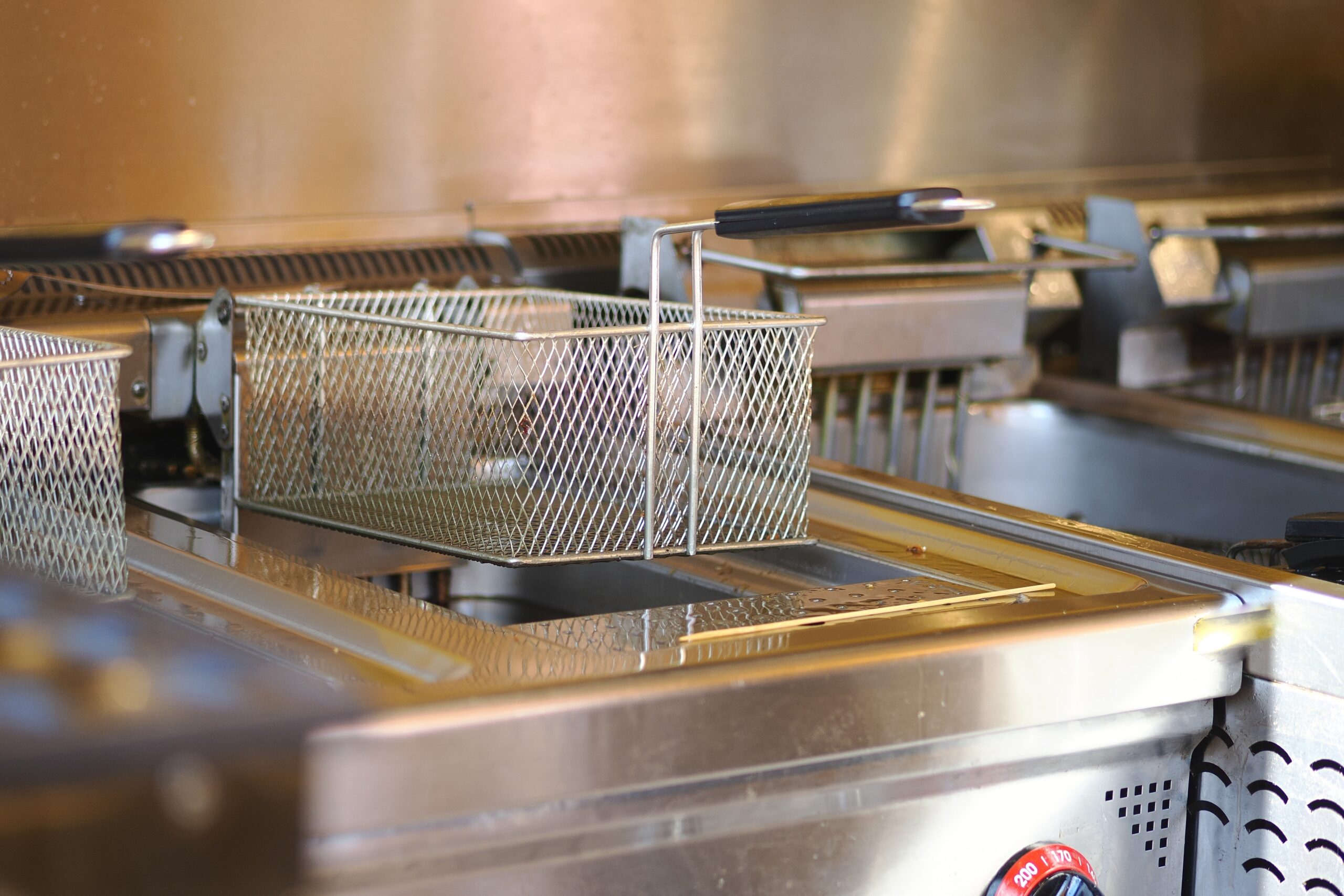
- Inspecting fryers for leaks, buildup, or worn components
- Checking ventilation hoods and filters for grease accumulation
- Testing safety shutoffs and pilot lights
- Reviewing floor drains and plumbing connections
Regular fryer inspections paired with tools like fryer filtration monitoring help kitchens maintain oil quality and identify issues before they affect service.
Monthly Maintenance Priorities
Monthly maintenance addresses systems that impact performance and safety over the long term.
Key monthly tasks include:
- Calibrating oven and fryer thermostats
- Inspecting plumbing lines and connections
- Checking electrical panels and cords for wear
- Reviewing equipment alignment and leveling
- Auditing storage areas for organization and cleanliness
Scheduling these checks helps ensure that equipment continues to operate efficiently under daily demand.

Annual Maintenance and Professional Inspections
Some maintenance tasks should be handled by certified professionals on a scheduled basis.
Annual services typically include:
- Hood and fire suppression system inspections
- Gas line testing and pressure checks
- Electrical system evaluations
- Full equipment servicing per manufacturer guidelines
Professional inspections reduce liability and help ensure compliance with local regulations and insurance requirements.
How to Build a Custom Maintenance Schedule
Every kitchen is different, so maintenance schedules should reflect the specific operation.
When building a checklist, consider:
- Equipment type and age
- Kitchen size and layout
- Hours of operation and peak volume
- Menu complexity and fryer usage
High-volume kitchens may require more frequent fryer checks and more structured oil handling routines, while smaller operations may focus on compact equipment and shared systems.
Using Technology to Streamline Maintenance
Digital tools make maintenance easier to manage and more consistent across teams.
Many operators use:
- Scheduling apps for automated reminders
- Digital logs to track completed tasks
- Performance dashboards to identify trends
- Alerts tied to equipment sensors
Technology helps kitchens stay accountable and reduces reliance on manual recordkeeping.
Partnering with Vendors for Preventive Maintenance
Working with trusted service providers can simplify maintenance and improve consistency. Vendors often provide scheduled inspections, training, and system support that reduce the burden on in-house teams.
For kitchens that rely on fryers, partnering with providers that offer dependable cooking oil delivery and safe cooking oil disposal helps eliminate common pain points tied to oil storage, handling, and waste removal.
Restaurant Technologies supports preventive maintenance by automating oil delivery, filtration, and disposal as part of a closed-loop system designed for safety and efficiency.
Training Staff on Maintenance Procedures
Even the best checklist is only effective if staff understand how to follow it.
Training should include:
- Clear maintenance SOPs during onboarding
- Visual guides for daily and weekly tasks
- Defined responsibility by role or shift
- Ongoing refreshers and accountability checks
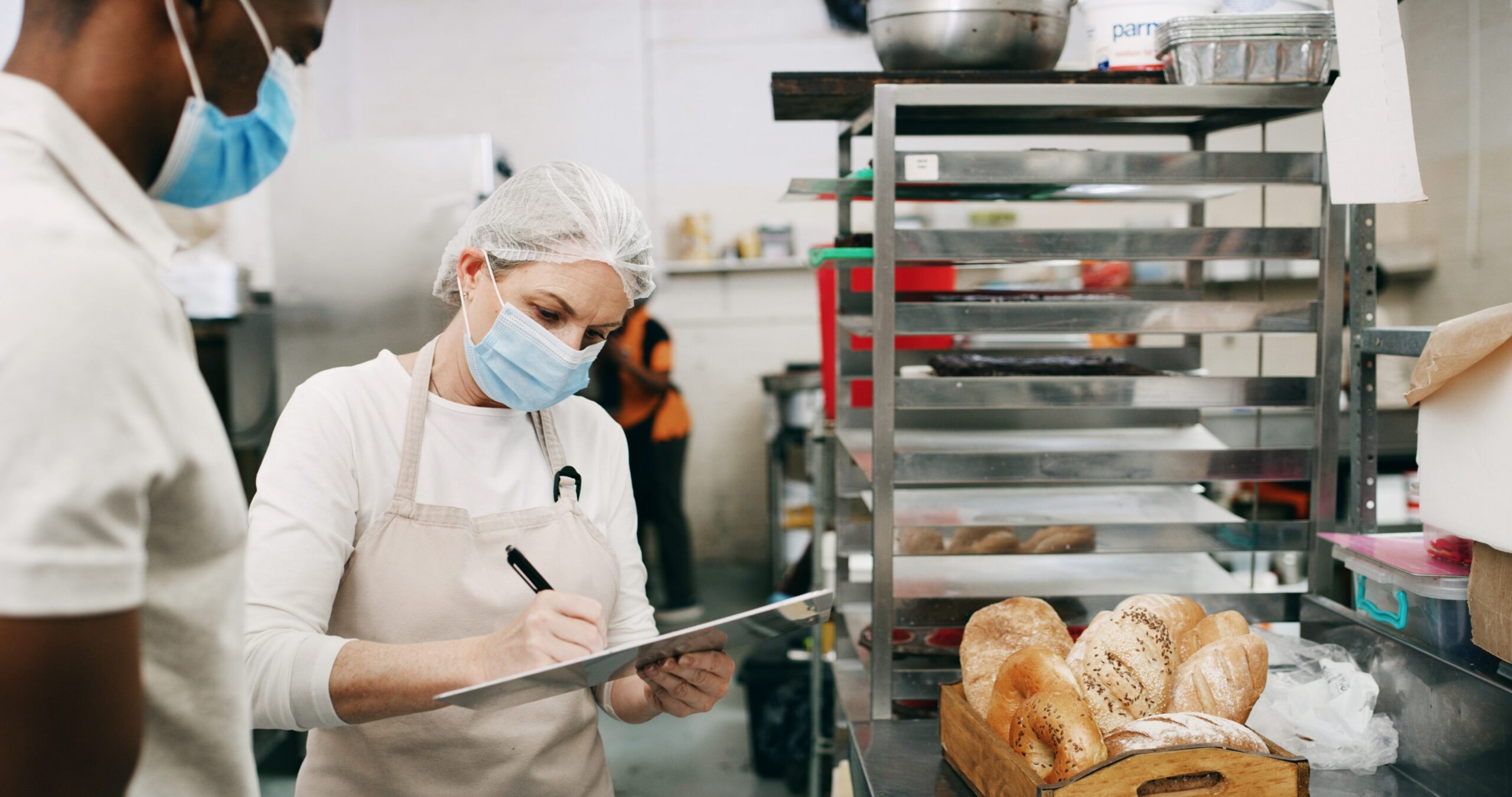
Well-trained teams are more likely to catch issues early and maintain consistent standards across shifts.
Final Thoughts on Commercial Kitchen Maintenance
A consistent commercial kitchen maintenance checklist supports efficiency, safety, and cost control across every service day. By breaking tasks into daily, weekly, monthly, and annual priorities, operators can protect equipment, reduce downtime, and maintain a reliable kitchen environment.
Preventive maintenance becomes even more effective when paired with automated systems and vendor support. Together, these practices help kitchens operate smoothly and stay focused on delivering quality food and service.