
Most restaurant operators have a clear handle on major expenses like food and labor. Those costs are tracked closely, reviewed regularly, and carefully managed. But some of the costs that have the biggest impact on margins are often less visible.
They tend to build quietly in the background through everyday processes, routine tasks, and small operational decisions that may not seem significant in the moment. On their own, these inefficiencies can feel manageable. Across multiple locations, however, they start to compound.
Eventually, those hidden costs can create the difference between a kitchen that runs consistently and one that constantly feels like it is playing catch-up.
The Hidden Costs Most Restaurants Overlook
Not every cost shows up clearly on a report. Some are embedded in everyday workflows, how products are handled, how consistently processes are followed, and whether operational standards are executed the same way across every shift and location.
These costs often appear in:
- Small amounts of product lost during preparation or handling
- Minor inefficiencies repeated across every shift
- Tasks that take longer than necessary
- Variations in how processes are carried out across locations
- Gaps between expected procedures and day-to-day execution
Individually, these issues can seem relatively minor. Together, they create steady pressure on margins. What makes them especially difficult to manage is that they often develop quietly and without immediate visibility.
Here’s a closer look at five of the most common hidden costs that can impact kitchen performance and profitability over time.
#1 Wasted Product That Never Gets Accounted For
Some product loss happens gradually through overuse, inconsistent handling, or replacing materials earlier than necessary.1 Because it is rarely tracked in real time, it can be easy to underestimate how much those small losses add up.
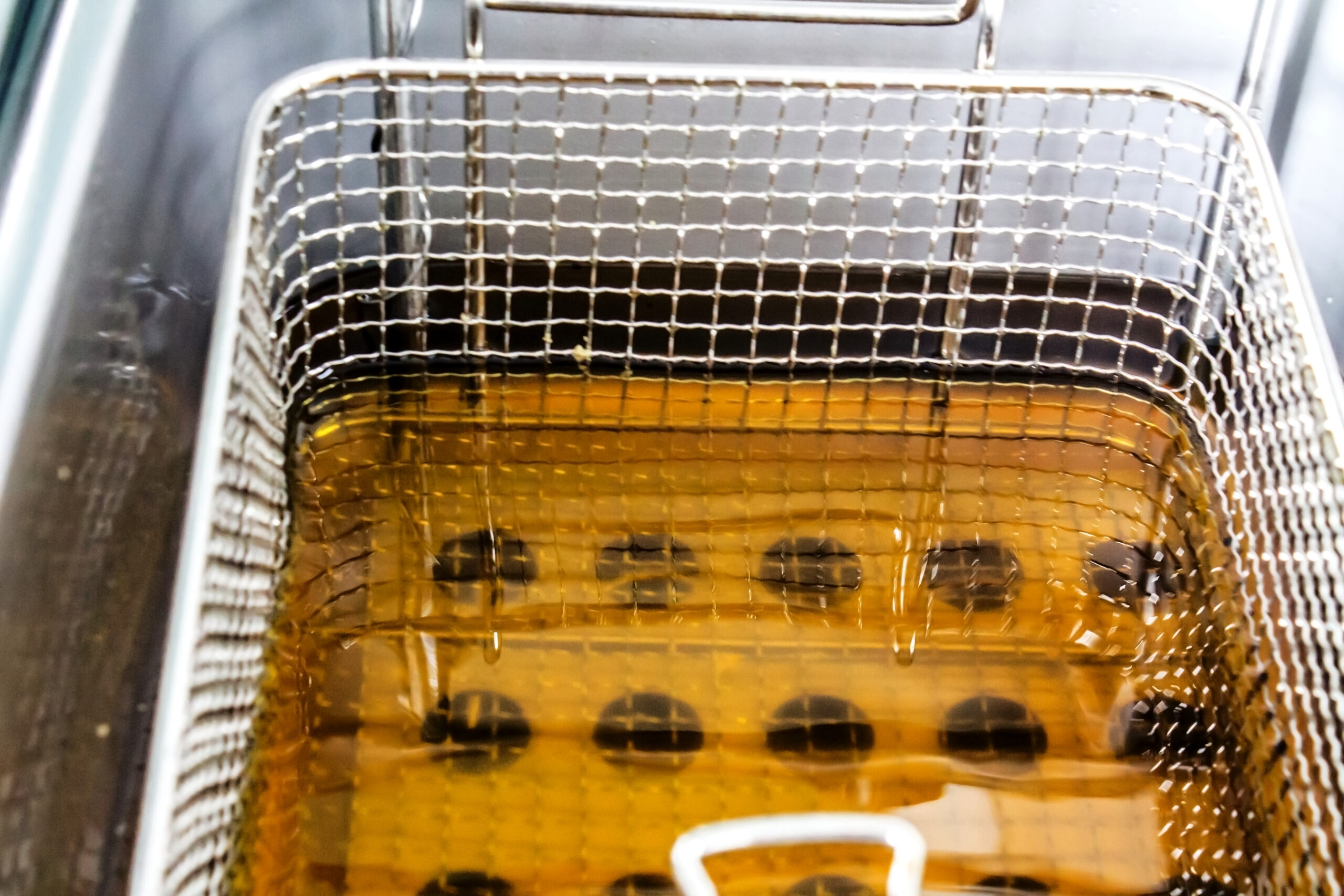
Cooking oil is one of the clearest examples.
When oil is replaced before reaching its full usable life, costs increase quietly across fryers, shifts, and locations. Waste often comes from:
- Oil discarded earlier than necessary
- Inconsistent filtration routines
- Overfilling or misjudging usage levels
- Lack of visibility into oil condition
Structured Fryer Oil Filtration helps reduce this type of waste by creating a more consistent approach to maintaining oil quality. When filtration routines are standardized and monitored, oil can last longer, perform more consistently, and generate less unnecessary waste.2
#2 Shortened Lifespan of High-Cost Inputs
Every kitchen relies on high-cost inputs such as cooking oil, ingredients, and cleaning supplies. But the issue is not only how much of those resources are used. It is also how long they last.
Even small reductions in lifespan can create meaningful costs over time, especially across multiple locations.
Small Inefficiencies That Quietly Drive Up Costs
These inefficiencies rarely stand out on their own, but repeated across shifts and kitchens, they can steadily increase operational spend:
- Extra oil changes each week: Small increases in replacement frequency can add up quickly over the course of a year.
- Shorter usage cycles: Minor reductions in oil lifespan can drive unnecessary replacement costs across locations.
- Inconsistent adherence to best practices: Variability in how teams manage oil often leads to uneven performance and avoidable waste.
- Reactive decision-making: Without structured processes, teams are more likely to replace oil too early or manage it inefficiently.
- Limited visibility into oil condition: When oil quality is difficult to assess, decisions often rely on guesswork instead of clear indicators.
This is where consistency matters.
When supply and usage are managed more precisely, as seen with Cooking Oil Delivery, operators can reduce unnecessary replacement while maintaining more stable kitchen performance. Extending the lifespan of key inputs is not about cutting corners. It is about improving operational control.
#3 Labor Time Spent on Manual, Low-Value Tasks
Labor costs are closely tracked, but how staff time is actually spent is not always examined with the same level of visibility.
Many kitchens still rely on manual processes for routine tasks such as handling materials, coordinating supply, managing disposal, or monitoring usage. While each task may seem minor on its own, together they can pull employees away from more valuable operational responsibilities.3
Labor inefficiencies often show up in:
- Repetitive handling tasks ➜ Moving, storing, or transferring materials that could be automated or streamlined
- Manual tracking and coordination ➜ Relying on logs, memory, or verbal communication instead of more structured systems
- Time spent resolving preventable issues ➜ Addressing shortages, overflows, or inconsistencies that could have been avoided earlier
#4 Inconsistent Processes That Lead to Ongoing Waste
Consistency is one of the most important (and often overlooked) drivers of cost control in restaurant operations.
When processes vary from one location to another, performance tends to vary as well. Small inconsistencies can gradually create unnecessary waste, reduce efficiency, and make it harder to maintain operational standards across kitchens.
Inconsistency often shows up through:
- Different filtration routines across locations
- Disposal practices that vary by shift or team
- Uneven adherence to operating procedures
- Different interpretations of when oil should be replaced or refilled
Individually, these differences may seem minor. Across multiple locations, they can create operational gaps that become increasingly difficult to manage.
With systems like Automated Cooking Oil Management, processes become more standardized. Delivery, filtration, and removal follow a consistent workflow, reducing variability across locations. That consistency gives operators greater control over both operational performance and long-term costs.
#5 Disposal and Waste Handling Costs
Waste handling continues to create costs even after oil leaves the fryer. How used oil is stored, managed, and removed can affect labor, safety, operational efficiency, and ongoing service expenses.
When disposal processes are inconsistent, costs tend to build in several ways. Irregular waste volumes and unplanned pickups can lead to higher hauling fees and less predictable service costs. Manual handling also requires additional staff time, especially during busy shifts, pulling employees away from other operational priorities.
There are operational risks as well.
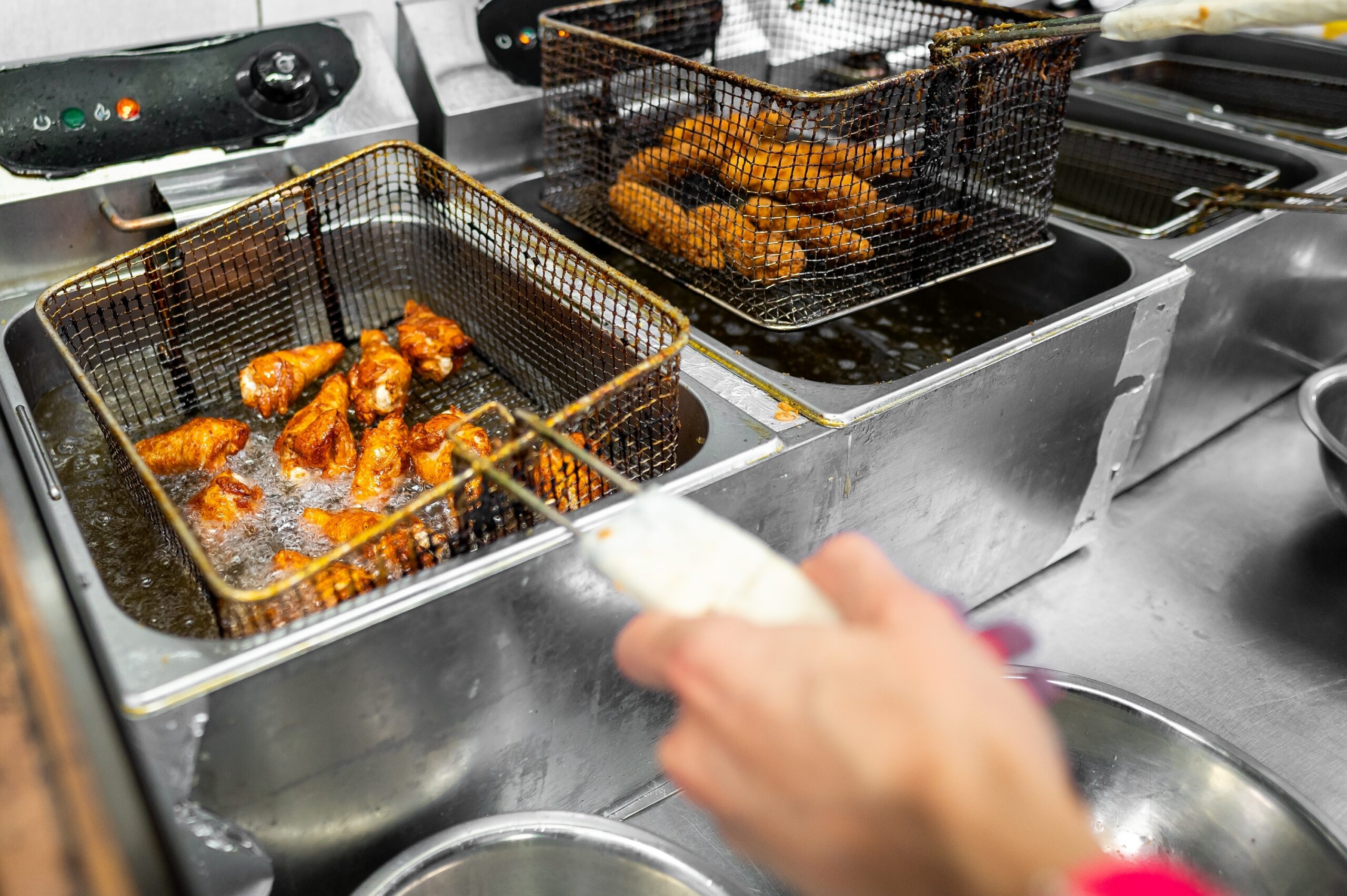
Handling hot oil manually increases the likelihood of spills, burns, and improper transfers, particularly when processes vary between teams or locations. At the same time, inconsistent disposal practices can create compliance concerns and make storage areas more difficult to manage.
Cooking oil is often at the center of these challenges.
Structured Cooking Oil Disposal helps create a more controlled and consistent process for handling used oil, reducing variability while improving safety and operational organization. Systems such as Oil Rendering Tanks can further support kitchen workflows by enabling more streamlined, hands-free oil collection and removal.
#6 Lack of Visibility Into Where Money Is Being Lost
One of the most expensive hidden costs in restaurant operations is not having clear visibility into where losses are actually occurring. Without reliable data, small inefficiencies can quietly grow into larger operational problems before teams have a chance to address them.
Limited visibility can make it difficult to:
- Identify where waste is happening
- Compare performance across locations
- Understand how consistently processes are being followed
- Measure whether operational changes are improving results
- Prioritize the areas that need the most attention
Even well-run kitchens can experience avoidable loss when data is incomplete or inconsistent.
Clearer visibility changes that. It helps operators spot patterns earlier, make more informed decisions, and address issues before they begin affecting performance at scale.
How Restaurant Technologies Helps Restaurants Identify and Eliminate Hidden Costs
Many of the costs that impact restaurant performance the most are not always the easiest to spot. They build gradually through inconsistent processes, manual workarounds, unnecessary waste, and limited visibility into day-to-day operations.
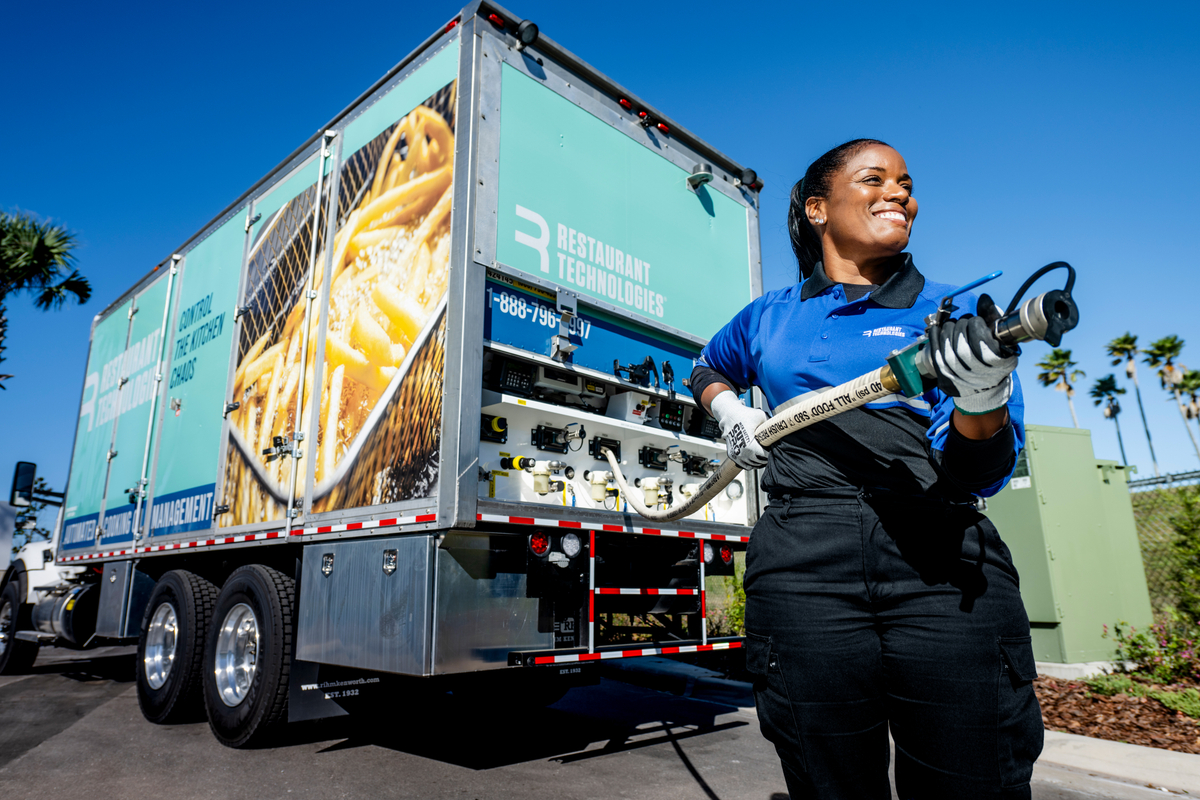
Restaurant Technologies helps operators bring more structure and consistency to one of the busiest areas of the kitchen through Automated Cooking Oil Management. By connecting delivery, filtration, collection, and disposal into one more coordinated system, restaurants can reduce manual effort, standardize workflows, and gain clearer insight into how oil is being used across locations.
That visibility helps turn hidden costs into measurable opportunities for improvement.
To learn how a more system-driven approach can help reduce waste, improve operational consistency, and protect margins across your operation, connect with Restaurant Technologies today.
Sources:
- Get Know App. What Is Restaurant Loss Prevention—and Why It Matters. https://www.getknowapp.com/blog/restaurant-loss-prevention/
- MFS Trade School. What is Cooking Oil Filtration? A Guide for Restaurants. https://mfstradeschool.com/en-us/blogs/public-entity-bidding/what-is-cooking-oil-filtration-a-guide-for-restaurants?srsltid=AfmBOooEd9euSgWlMXa05OIAJ2B1wM3OqIedSXQVlr1Y-Wup8HDslpIM
- ResearchGate. Smart Kitchens of the Future: Technology’s Role in Food Safety, Hygiene, and Culinary Innovation. https://www.researchgate.net/publication/395051752_Smart_Kitchens_of_the_Future_Technology’s_Role_in_Food_Safety_Hygiene_and_Culinary_Innovation