
What Is a Hotel Kitchen Layout?
Time lost in the kitchen can turn into money lost at the front desk. For hotels that serve multiple dining outlets, an efficient kitchen layout isn’t a luxury; it’s a necessity.
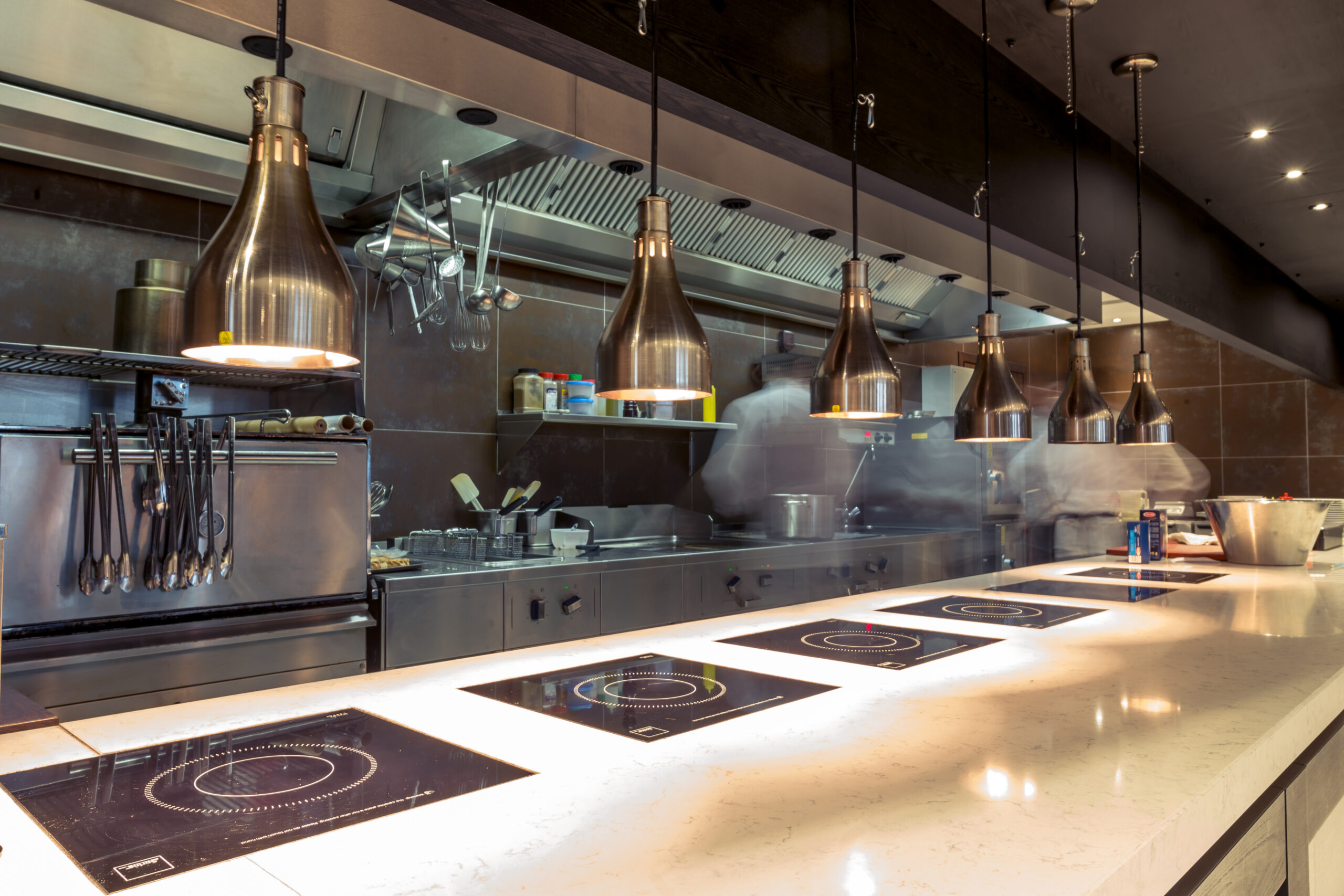
A hotel kitchen layout refers to the strategic arrangement of cooking stations, storage areas, prep zones, and cleaning equipment to support high-volume foodservice operations. In a hotel setting, this layout must accommodate a variety of meal types. This includes breakfast buffets, room service, banquet catering, and restaurant dining, all of which operate within tight timelines and share limited resources.
An effective layout enhances workflow, reduces staff fatigue, and minimizes cross-traffic. It also supports compliance with food safety and fire codes, making it foundational to both service quality and overall guest satisfaction. A poorly designed kitchen can lead to production delays, safety hazards, and staff frustration.
Common Types of Hotel Kitchen Layouts
Hotels may use different layouts based on service style, kitchen size, and staff specialization. Below are some of the most common configurations:
- Assembly Line Layout: Ideal for banquets and large-scale service, this layout places stations in a linear progression, from prep to cook to plate. It streamlines repetitive tasks but can create congestion during peak hours.
- Island Layout: Features a central island (often for cooking) surrounded by separate prep, dishwashing, and storage zones. This promotes collaboration and visibility across stations, working well for open kitchen designs.
- Zone-Style Layout: Each type of food or task has its own designated “zone” (e.g., grill, salad, pastry), minimizing cross-contamination and enabling specialists to work more efficiently. Common in large hotel kitchens with diverse menus.
- Open Kitchen Layout: This design allows guests to see into the kitchen, promoting transparency and enhancing the overall dining experience. While more aesthetically pleasing, it requires extra attention to cleanliness, noise control, and kitchen workflow.
For tips on keeping these layouts sanitary and up to code once they’re in use, explore our Hotel Kitchen Cleaning Checklist, which breaks down cleaning tasks by zone to maintain smooth hotel operations.
Key Elements of a Functional Kitchen Layout
Designing a hotel kitchen involves more than simply placing equipment where it fits. It requires thoughtful planning that accounts for safety, efficiency, and adaptability.
- Space Planning: Ensure aisles are wide enough for multiple staff to move safely. Even during rush periods plan for dedicated entry/exit pathways to minimize collisions.
- Equipment Placement: Place essential tools and appliances near their point of use. For example, prep tables should be adjacent to cold storage and sinks. Cooking equipment should align with ventilation hoods.
- Ventilation: A well-ventilated kitchen protects both staff health and essential equipment lifespan. Install proper hood systems and ensure airflow prevents the buildup of heat and grease.
- Safety Zones: Segregate hot and cold zones, provide adequate lighting, and install slip-resistant flooring. Keep emergency exits clear and ensure fire suppression systems are integrated into the design.
Designing for Efficiency and Compliance
Efficiency and compliance go hand in hand. Health and fire safety codes often dictate layout parameters, from sink placements to clearance space around equipment.
- NSF and Local Code Compliance: Layouts must accommodate requirements for three-compartment sinks, handwashing stations, and food-safe prep areas. Clear labeling and separation of raw and ready-to-eat items are essential.
- Fire Safety: Position fire extinguishers, suppression hoods, and alarm systems for easy access and visibility. Gas and electric lines should be professionally installed and routinely inspected.
- Energy and Waste Efficiency: Incorporate energy-efficient appliances and plan waste disposal zones. Consider using closed-loop systems for oil management to reduce spillage and disposal hazards while improving staff safety.

Optimizing Workflow for Staff Productivity
A well-designed kitchen should work cohesively for the hotel staff, not against them. When space supports clear communication and minimal backtracking, productivity and morale improve.
- Minimize Cross-Traffic: Position stations to allow kitchen staff to work without crossing paths unnecessarily. This reduces logistical delays and improves safety.
- Logical Flow: Design the kitchen around a logical order of operations: receiving, storing, prepping, cooking, plating, and cleaning. This makes onboarding easier and helps during busy service periods.
- Ergonomics and Access: Use worktables at appropriate heights, accessible shelving, and mobile equipment to reduce strain. Quick access to utensils and supplies saves time and energy.
For more on how cleanliness supports efficiency, see our Restaurant Kitchen Cleaning Checklist, which covers daily and deep-cleaning tasks for high-volume foodservice spaces.
Conclusion: Streamlining Hotel Kitchens with Restaurant Technologies
A smart hotel kitchen layout does more than look organized, it lays the foundation for smooth service, clean operations, and satisfied guests. It enhances communication, ensures code compliance, and allows chefs to focus on what they do best: delivering exceptional food.
Restaurant Technologies supports hotel kitchens by integrating automated oil management systems that:
- Eliminate manual oil handling
- Reduce slip-and-fall risks
- Maintain cleaner equipment
- Extend oil life for better-tasting food
By combining thoughtful layout design with innovative kitchen technology, hotels can reduce downtime, improve staff efficiency, and meet the highest standards of cleanliness and safety.
Explore how Restaurant Technologies’ automated oil management solutions can be part of your kitchen optimization strategy.