
Commercial kitchens generate significant volumes of used cooking oil every day. Managing it safely takes more than pouring it into containers and waiting for pickup. It requires a structured process that keeps kitchens clean, efficient, and compliant.
This guide walks through how a used cooking oil service works, from initial equipment setup to final recycling. It also covers common service models, key benefits, and what to look for when choosing a dependable provider.
What Is a Used Cooking Oil Service
Many operators ask, “How does a used cooking oil service work before committing to a provider?” A used cooking oil service collects and recycles spent cooking oil from commercial kitchens. These services manage the disposal of restaurant-used cooking oil.
Operators do not have to deal with heavy containers, messy transfers, or environmental compliance on their own. Professional oil collection and recycling serve multiple commercial operations, such as:
- Quick service restaurants
- Hotels
- Grocery stores
- Institutional foodservice operations
Professional oil collection and recycling also ensures proper handling. Kitchens can focus on food preparation rather than figuring out how to dispose of used cooking oil after frying. These services reduce liability, prevent oil from entering sewer systems, and free kitchen staff from hazardous manual tasks.
Without a dependable partner, operators face serious challenges:
- Inconsistent pickup schedules
- Compliance risks
- Physical strain of managing oil themselves
Why Restaurants Use Used Cooking Oil Services
Kitchen operators choose professional used cooking oil collection for three primary reasons: operational efficiency, workplace safety, and regulatory compliance.
Employee Efficiency
Employee efficiency improves when staff no longer spend time transporting heavy oil containers or coordinating disposal logistics. That time returns to food preparation, customer service, and other revenue-generating activities.
Safety
Safety is equally critical. Manual oil handling creates multiple hazards:
- Burn risks from hot oil
- Slip-and-fall injuries from spills
- Lifting hazards from heavy containers1
Traditional grease collection services may still require employees to transport used cooking oil from the kitchen to outdoor storage tanks, creating ongoing safety and labor challenges. More advanced oil management solutions help reduce manual handling by automating parts of the oil transfer and disposal process, which can improve kitchen safety, cleanliness, and operational efficiency.
Compliance
Compliance with local environmental regulations requires proper documentation of disposal and approved recycling partners.2 Restaurants that recycle their oil through a structured program protect themselves from fines or violations. When time savings, injury prevention, and regulatory peace of mind combine, the value becomes clear.

How Does a Used Cooking Oil Service Work
Understanding how a used cooking oil service works helps operators make informed decisions. The process follows a consistent sequence from equipment setup through final recycling.
Step 1: Oil Collection Setup and Equipment Installation
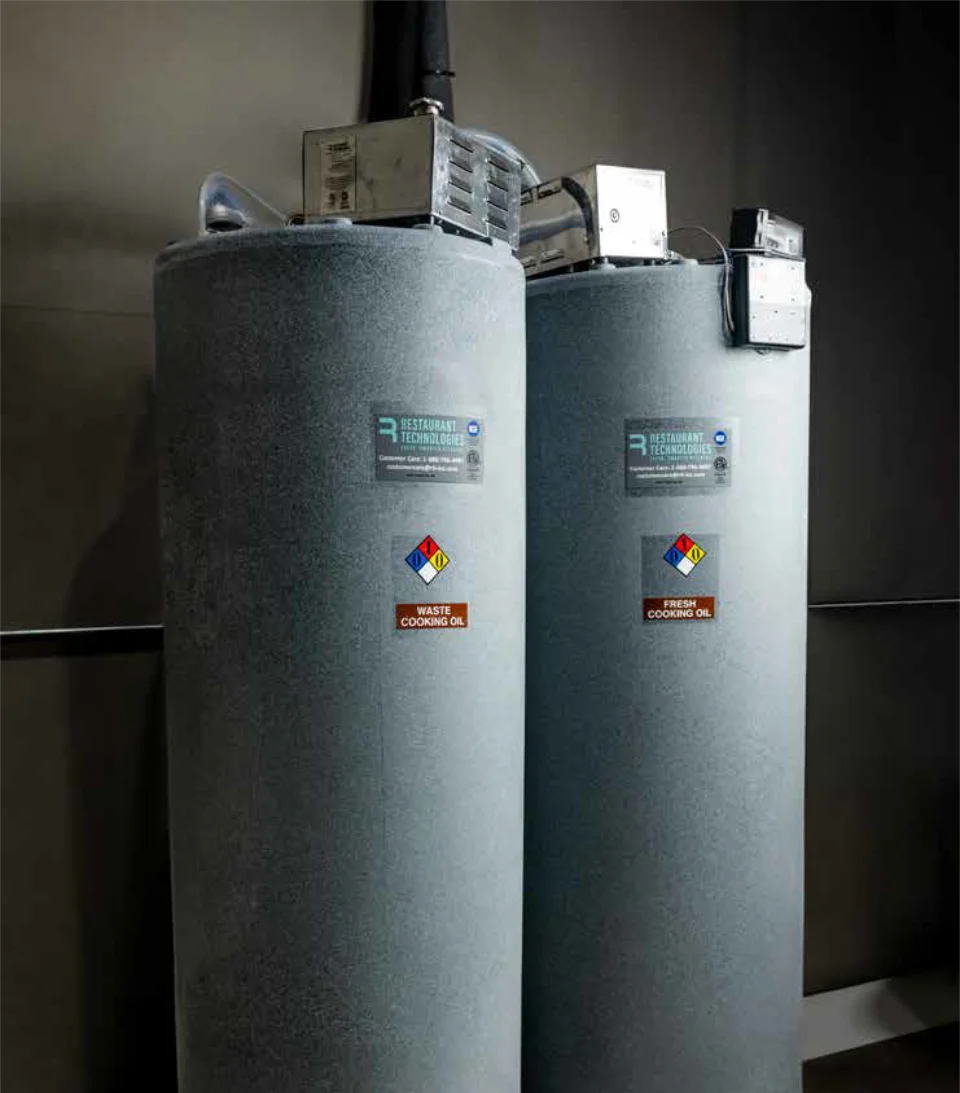
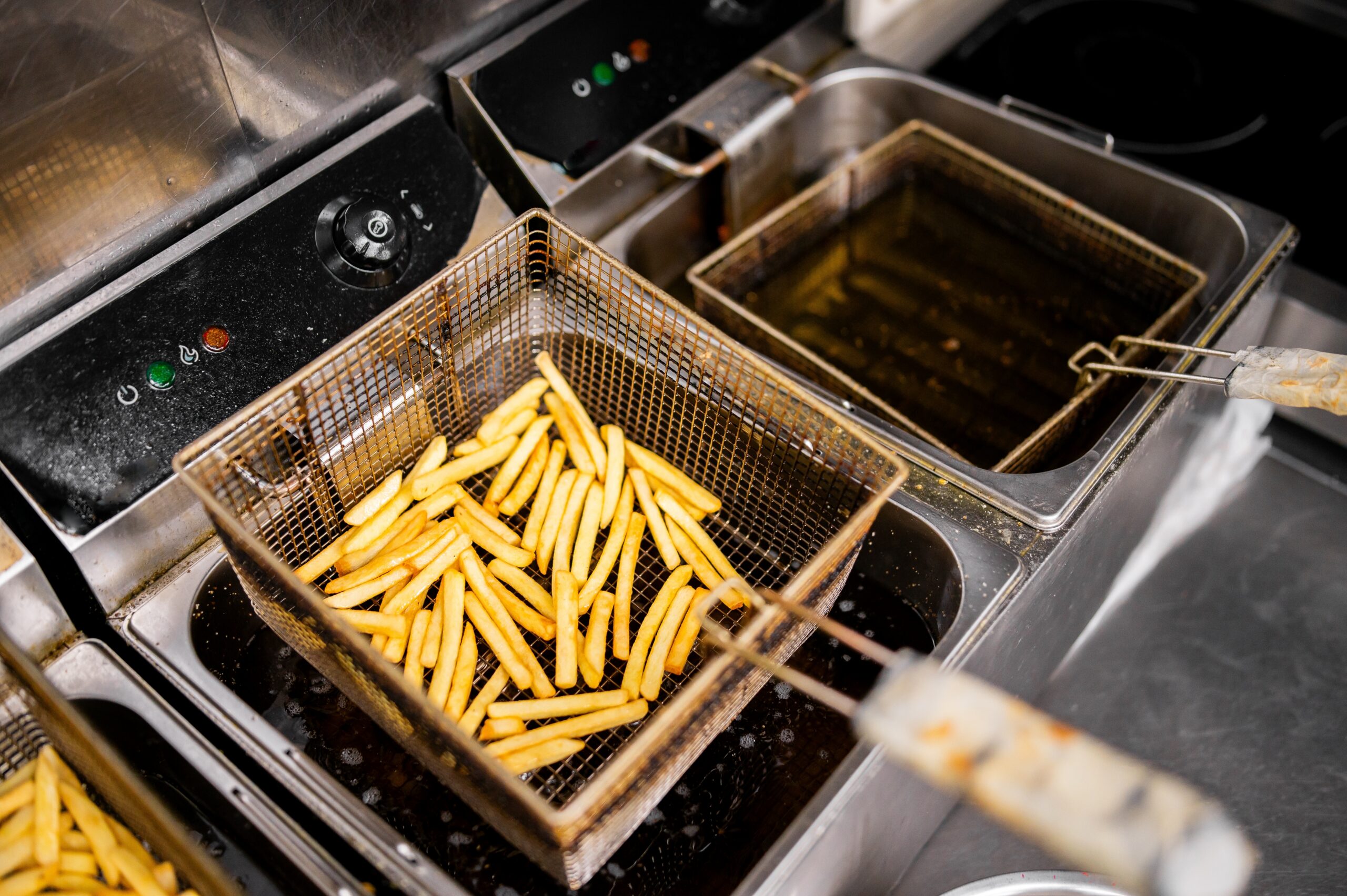
Service begins with installing appropriate storage equipment at your location. Depending on kitchen layout and volume, this may include indoor tanks, outdoor tanks, or portable containers near fryer stations.
Automated systems pump oil from fryers through enclosed lines to storage, while basic setups use designated collection bins. The provider assesses your space and recommends the right configuration, whether that means a compact indoor solution or a larger exterior used oil tank.
Step 2: Safe Storage of Used Cooking Oil
Between service visits, cooking oils must be stored properly to prevent spills, odors, and contamination. Enclosed tanks keep oil secure and separated from kitchen traffic. Straining out food particles before storage improves oil quality.
Following best practices for storing used cooking oil until disposal protects both staff and the surrounding environment. Proper used cooking oil storage also maintains oil quality for recycling. Clean, uncontaminated oil produces better biofuel and may generate rebates from some providers.
Step 3: Scheduled Pickup and Collection
Reliable scheduling ensures cooking oils never overflow or create operational bottlenecks. Providers establish pickup frequency based on your kitchen’s output, whether that means weekly visits or more frequent collection for high-volume operations.
Step 4: Transportation to Processing Facilities
Service vehicles transport used cooking oil to certified oil recycling centers. Transport vehicles follow established handling standards to prevent spills during transit and maintain chain-of-custody documentation for compliance.
Step 5: Recycling Used Cooking Oil Into Valuable Products
At processing facilities, the benefits of recycling cooking oil become clear as spent oil transforms into valuable products. Filtration removes contaminants, and a centrifuge separates water and solids.
Used cooking oil, classified as yellow grease3 by the U.S. Energy Information Administration, commands market value as feedstock for biofuel production. Most commonly, refineries convert it into biodiesel and sustainable aviation fuel.
The used oil recycling industry processed 3.7 billion gallons of oil globally in 20224. Understanding recycling vs. disposing used cooking oil helps operators appreciate the environmental value of professional service.
Types of Used Cooking Oil Services Available
Service models vary based on kitchen size, volume, and operational preferences.
Manual Collection Services
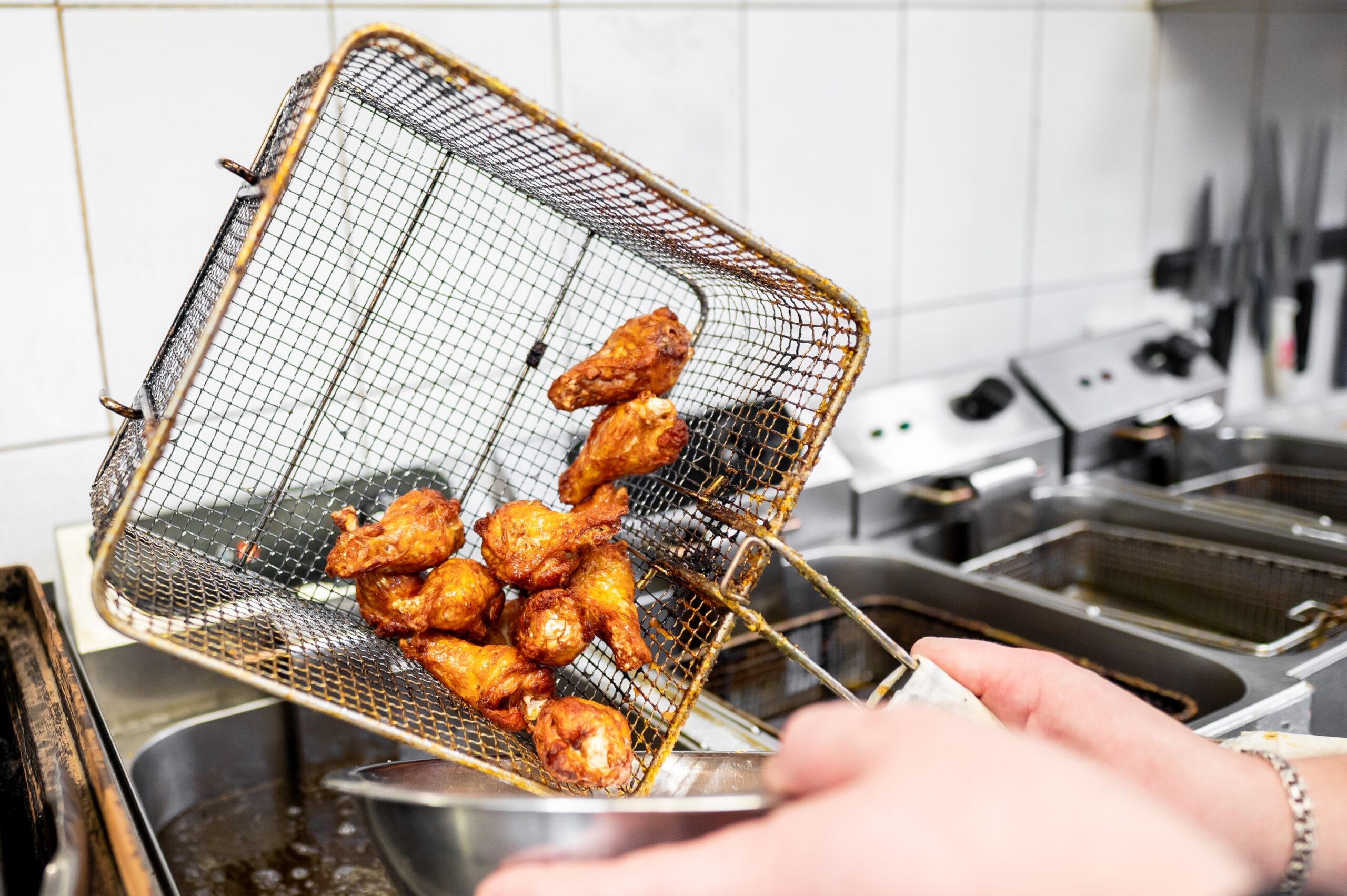
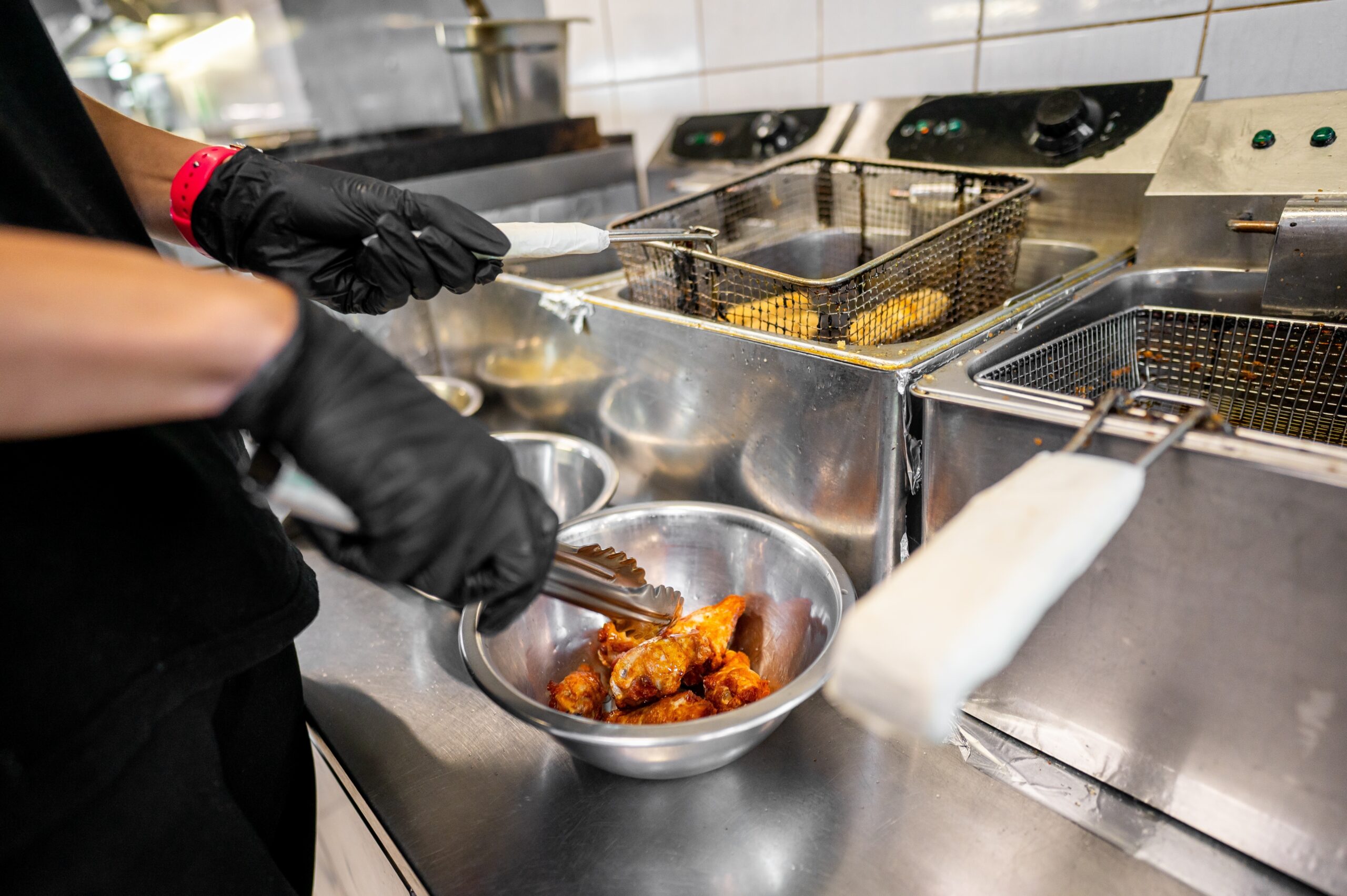
A driver arrives on schedule, collects filled containers, and replaces them with empty ones. Staff must wait for hot oil to cool, then manually pour it into collection bins, which requires physical effort and creates a spill risk.
This model suits independent restaurants or locations where fryer output remains modest. However, it still requires employees to handle heavy oil between pickups.
Automated Oil Management Systems
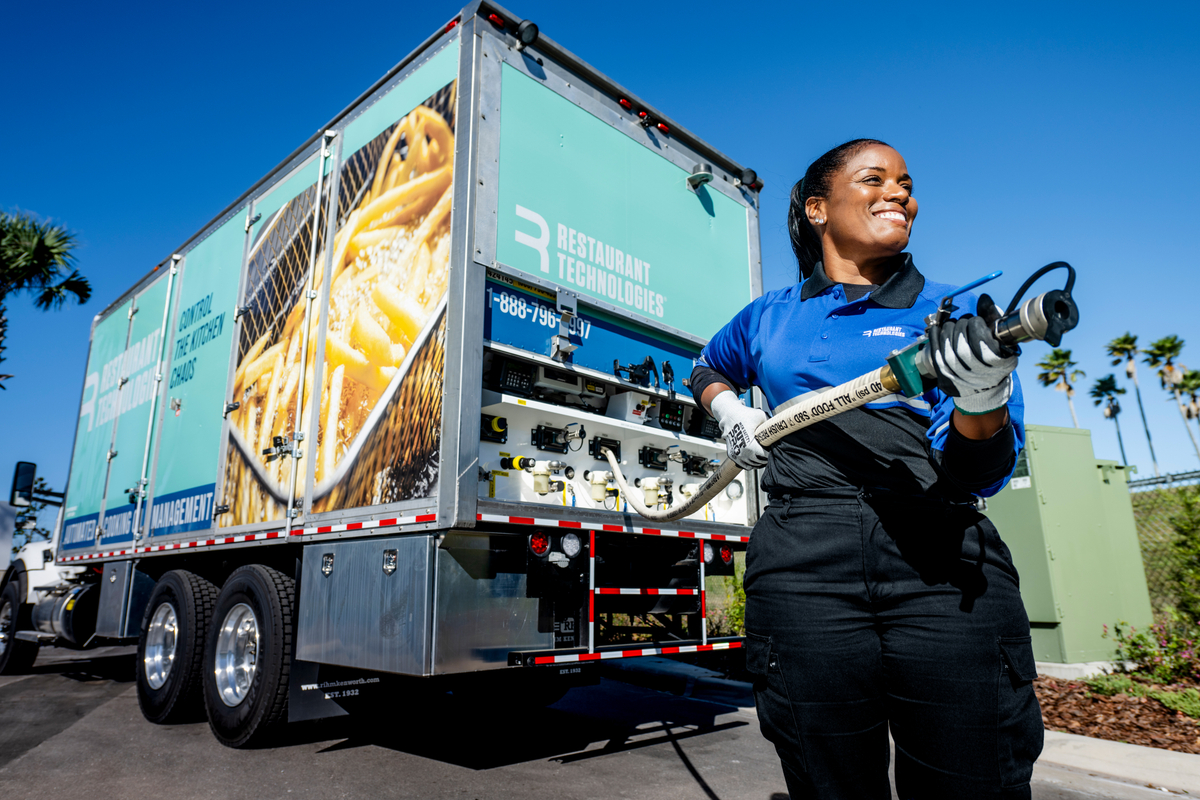
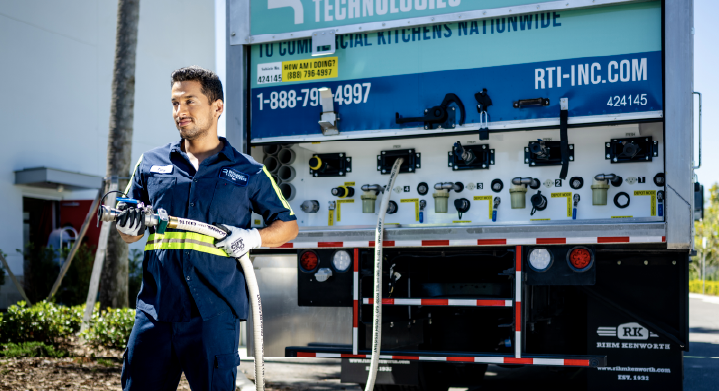
Automated cooking oil management eliminates manual handling entirely. These closed-loop systems pump used cooking oil directly from fryers to secure storage tanks through enclosed lines. Service drivers connect to exterior hookups and complete oil removal without entering the kitchen.
The benefits are substantial:
- Reduced labor
- Improved safety
- Consistent used cooking oil disposal without staff involvement
For multi-unit operators or high-volume kitchens, commercial kitchen automation delivers measurable efficiency gains. Both manual and automated services recycle collected oil the same way.
Key Benefits of Using a Professional Oil Service
Professional oil services deliver advantages across multiple operational areas:
- Efficiency gains: Staff focus on core tasks instead of oil logistics
- Safety improvements: Hands-free systems reduce the risk of burns and slips
- Compliance assurance: Proper documentation helps meet environmental standards
- Sustainability support: Converting oil waste into biodiesel supports clean energy
Kitchens operate more smoothly, employees face fewer hazards, and operators improve restaurant sustainability through responsible practices. Recycled oil produces lower greenhouse gas emissions than petroleum diesel.
What to Look for in a Service Provider
Selecting the right partner requires evaluating several factors beyond price.
- Reliability should top the list. Missed pickups create overflow situations and operational headaches. Ask potential providers about service guarantees and track record.
- Transparency in reporting helps operators track oil usage, pickup frequency, and recycling outcomes. Verify that recycling services include compliance documentation. Choose an oil recycler with web-based monitoring tools that offer visibility manual recordkeeping cannot match.
- Customer support matters when issues arise. Responsive service teams resolve problems quickly before they affect kitchen operations.
- Scalability is essential for multi-location operators. A recycling company serving one location should demonstrate the capacity to support growth across dozens or hundreds of sites with consistent service standards.
Common Challenges and How Services Solve Them
Manual oil handling creates predictable problems:
- Spilled cooking oils contaminate floors and create slip hazards
- Improper storage can make cooking oil go bad, causing it to degrade and lose recycling value
- Inconsistent scheduling leads to overflowing containers
Grease buildup in drain lines causes costly plumbing issues. Fats solidify in sewer pipes, creating blockages. Oil entering storm drains pollutes waterways and burdens wastewater treatment plants.
Cost and ROI of Oil Collection Services
Pricing structures vary by provider and service model. Some charge flat monthly fees while others base pricing on collection volume. Used cooking oil has inherent value as a recycling commodity, so certain providers offer rebates when used cooking oil prices are strong.
ROI extends beyond direct service costs:
- Reduced labor time
- Fewer workplace injuries can lower restaurant insurance premiums
- Lower compliance risk
- Eliminated equipment maintenance
When evaluating cost, consider what manual oil handling actually costs in staff hours, safety incidents, and management attention. For commercial kitchens handling significant oil volume, professional services typically deliver positive ROI within months.
Simplifying Oil Management for Restaurants
Knowing how a used cooking oil service works clarifies why professional management outperforms manual handling. Used cooking oil services transform a messy, hazardous task into a streamlined background process. From equipment installation through final recycling, professional providers handle every step so kitchen operators can focus on what matters most.
Restaurant Technologies is the leading provider of Automated Cooking Oil Management, serving more than 45,000 commercial kitchens nationwide with dependable, technology-driven systems. With over 25 years of expertise, the company delivers fresh oil, automates filtration and monitoring, and enables safe, hands-free disposal.
Sources:
- Washington State Department of Labor and Industries. Danger of working around hot-oil fryers. https://lni.wa.gov/safety-health/preventing-injuries-illnesses/hazardalerts/HotOilFryer.pdf
- Start Green Commodities. Regulations & Legal Requirements for Used Cooking Oil Recycling. https://startgreencommodities.com/post/disposal-of-waste-oil-regulations
- U.S. Energy Information Administration. Monthly Biofuels Capacity and Feedstocks Update. https://www.eia.gov/biofuels/update/table2.pdf
- Clean Fuels Alliance America. Clean Fuels Releases Outlook on Global Supplies of Used Cooking Oil for Biodiesel and Renewable Diesel Production. https://cleanfuels.org/clean-fuels-releases-outlook-on-global-supplies-of-used-cooking-oil-for-biodiesel-and-renewable-diesel-production/