
In a high-volume kitchen, oil doesn’t sit idle, it moves constantly through deep fryer systems, supporting continuous production. But while most operators focus on when to change fryer oil, the bigger operational question is how often that oil needs to be removed to keep everything running smoothly.
That decision isn’t just about volume. It’s also about timing, storage, and how well your process keeps up with demand. When pickup frequency is aligned with real usage, oil moves through the system cleanly, from fryer to storage to collection, without slowing down the kitchen.
Why Pickup Frequency Matters in High-Volume Kitchens
Pickup frequency isn’t just a scheduling detail, it directly impacts safety, workflow, and consistency across the kitchen.
Too little pickup, and oil storage becomes a risk. Containers can reach maximum capacity, increasing the chance of spills, leaks, or unsafe handling. Too frequent pickup, and operations may become inefficient, adding unnecessary service costs or interruptions.
On the other hand, a well-aligned schedule keeps operations predictable. Oil is transferred, stored, and removed before it becomes a problem.
The right frequency helps:
- Reduce risk of overflow and contamination
- Keep the kitchen clean and organized
- Support safer handling of waste oil
- Maintain steady operational flow during service
In short, pickup frequency is part of effective oil management. It connects what’s happening at the fryer to what happens after the oil leaves it
Factors That Influence Oil Pickup Frequency
There’s no one-size-fits-all schedule. Pickup frequency depends on how your kitchen operates and how much oil moves through your deep fryer systems each day.
Several factors come into play:
- Volume of deep frying and overall oil usage
- Type of food being cooked (fish, vegetables, breaded items)
- Length of daily service hours
- Cooking oil filtration practices and how often oil is filtered
- Storage capacity and container size
- Local regulations around disposal and recycling
High smoke point oils like canola oil, peanut oil, sunflower oil, and avocado oil may last longer under heat, but in high-volume settings, even these oils degrade quickly with repeated exposure. That means kitchens may need to change fryer oil more frequently and increase pickup accordingly.
Operators who closely monitor oil usage, maintain effective cooking oil filtration practices, and keep a record of change cycles are better equipped to adjust pickup schedules before issues arise.
Kitchen Output and Oil Usage Levels
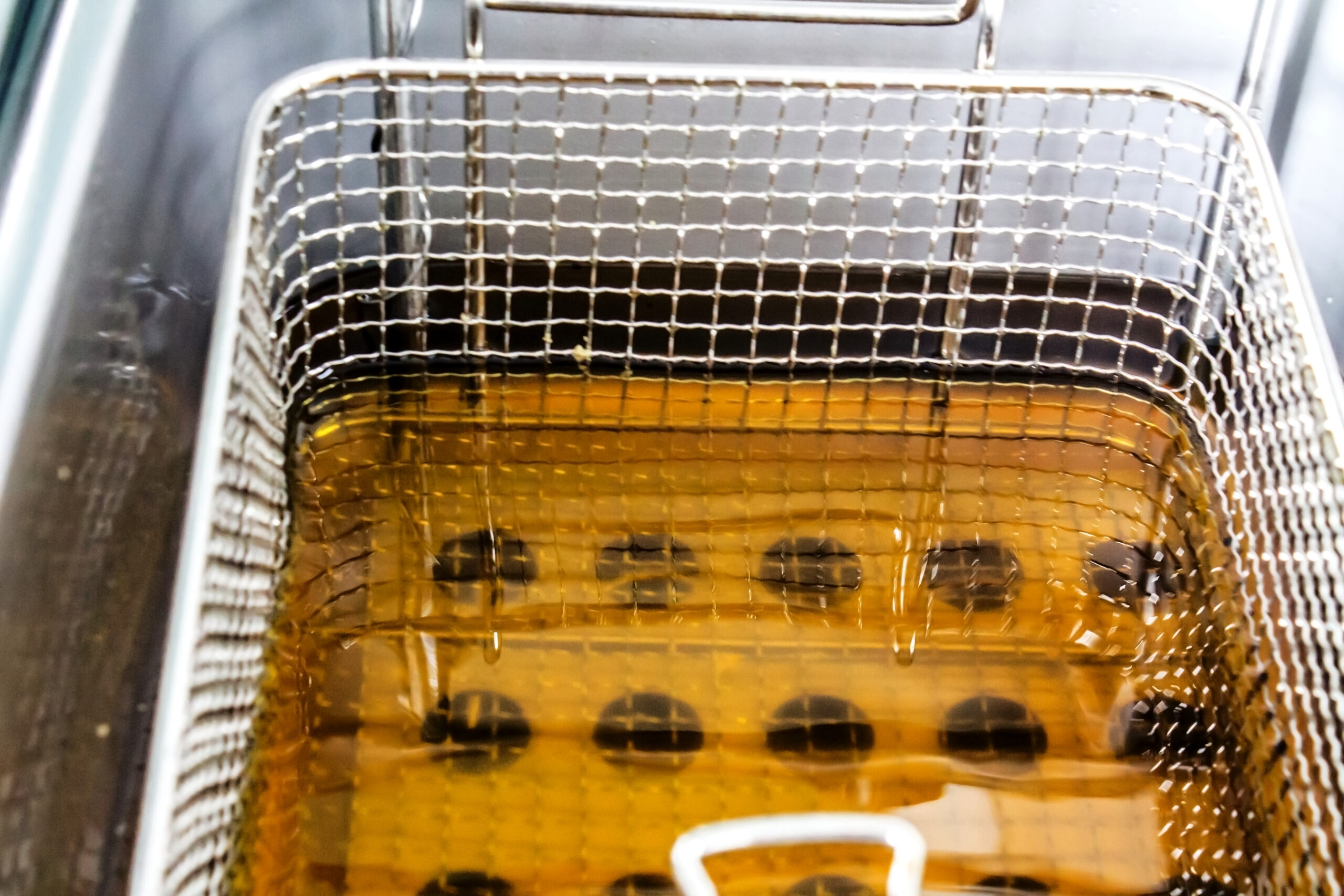
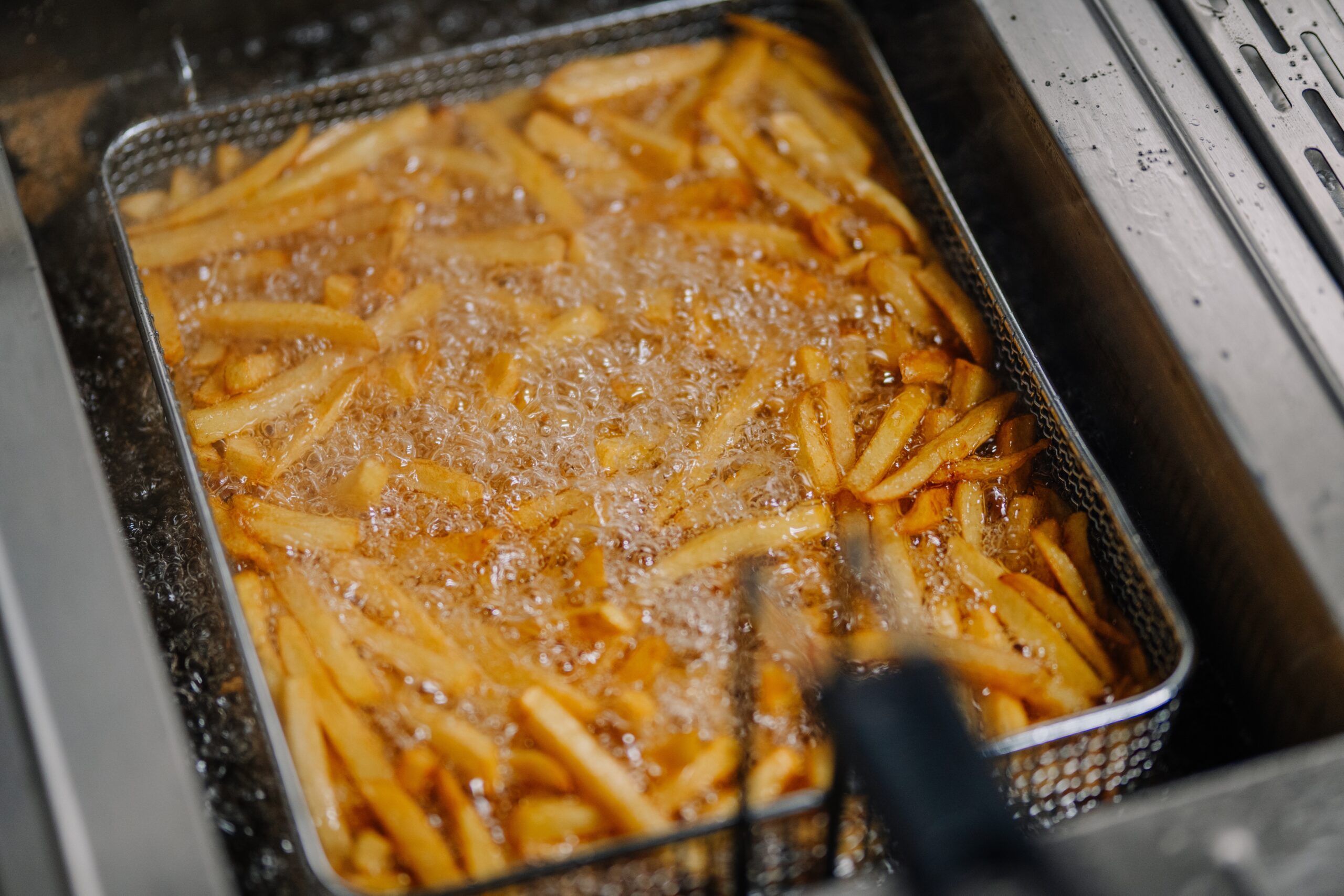
In a busy restaurant, fryer activity rarely slows down. The more a kitchen fries, the faster the oil breaks down and the more frequently it needs to be removed.
For example:
- Kitchens serving french fries, fish, or breaded items all day generate more waste oil
- High turnover increases the amount of oil moving through friers each shift
- Oil may need to be filtered multiple times daily to maintain quality
Even with strong filtration practices, there comes a point where oil can no longer be extended. Knowing that time to change and planning pickup accordingly is essential.

Storage Capacity and Equipment Limits
Even if oil is changed regularly, storage becomes the limiting factor. Once oil leaves the fryer, it must be safely transferred into a container and held until collection.
Some important considerations include:
- Container size and maximum capacity
- Placement for safe and efficient transfer
- Ability to seal storage and minimize exposure
- Frequency of handling required by staff
If storage is limited, pickups need to happen more often. With larger, more controlled storage, kitchens may have more flexibility in their schedules.
In more advanced setups, automated cooking oil management helps streamline this process. By connecting storage, monitoring, and collection into a closed-loop system, it reduces manual handling and ensures oil is moved out of the kitchen consistently, without relying on guesswork.
Recommended Pickup Schedules by Kitchen Type
While every operation is different, general benchmarks can help guide your schedule based on kitchen type and output:
- Quick-service restaurants (QSRs) – Often require multiple pickups per week due to continuous deep frying and high customer volume.
- Full-service restaurants – Weekly or biweekly pickup may be sufficient, depending on menu mix and how often operators change oil every cycle.
- Large-scale or institutional kitchens – May require frequent collection, sometimes several times per week, to keep up with demand and maintain consistency.
These benchmarks aren’t fixed rules; they’re starting points. The right schedule depends on how your kitchen actually operates.
Signs You Need More Frequent Oil Pickup
Even with a schedule in place, there are clear signs that frequency needs to be adjusted. Ignoring these signals can lead to safety risks and operational slowdowns. Recognizing early signs helps prevent disruption.
Look for:
- Storage containers are filling faster than expected
- Noticeable odor or degraded oil quality
- Increased grease around storage areas
- Staff feedback about handling challenges
- Slower workflows due to limited space
These are clear indicators that your current schedule isn’t keeping up with demand. At this point, adjusting pickup frequency helps restore balance and reduce risk.
Coordinating Pickup With Service Providers
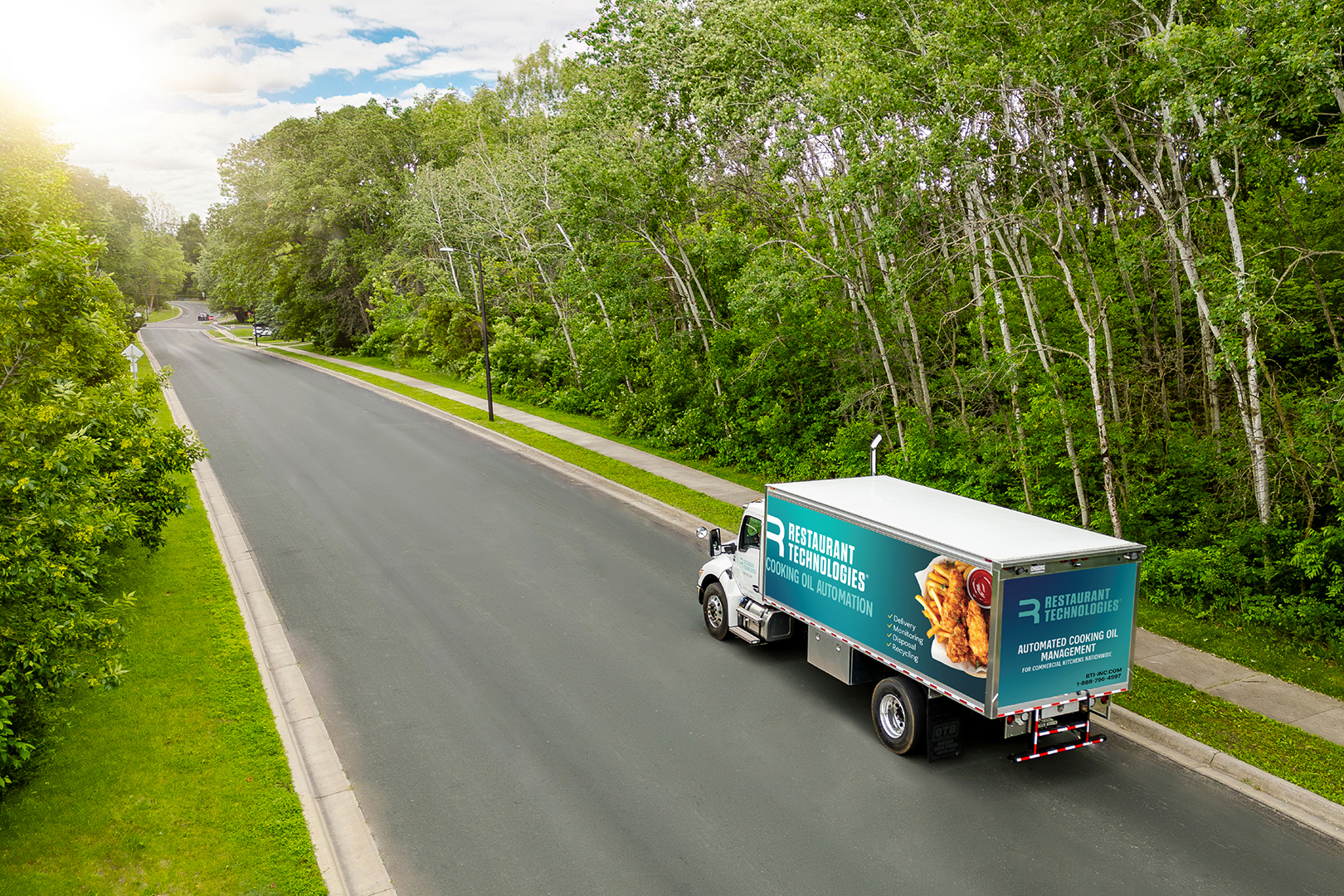
Working with a reliable service provider helps ensure pickup schedules align with how kitchens operate daily. Instead of reacting to overflow, operators can plan ahead and maintain consistency.
Working with the right partner allows you to:
- Establish a consistent schedule based on actual oil usage
- Scale frequency up or down as demand changes
- Ensure proper cooking oil recycling, collection, and documentation
- Maintain compliance without adding operational burden
Seasonal Demand Adjustments
Not all weeks are the same. Peak seasons, including holidays, promotions, or high-traffic periods, can significantly increase oil usage.
During these times, kitchens may:
- Fry more food per day
- Change fryer oil more often
- Fill storage containers faster
Adjusting pickup schedules during peak periods helps prevent overflow and keeps operations running smoothly.
Emergency or Overflow Pickup Options
Even with planning, unexpected spikes happen. Having access to emergency pickup options ensures that kitchens can respond quickly without compromising safety.
This flexibility is especially important in high-volume environments where delays can create immediate operational challenges.
Operational Benefits of Optimized Pickup Frequency
When pickup frequency is aligned with the kitchen’s actual usage, the benefits are immediate and measurable. These include:
- Cleaner environments – Less buildup of oil and grease in storage areas
- Improved safety – Reduced risk of spills, burns, and improper handling
- Better efficiency – Staff spend less time managing oil manually
- Consistent workflows – No interruptions due to overflow or limited storage
It also supports better overall oil management. When oil is filtered, monitored, and removed on time, kitchens can reduce waste oil, extend oil life where appropriate, and maintain consistent food quality for every customer.
Finding the Right Pickup Schedule for Your Kitchen
There’s no universal answer to how often you should change fryer oil or schedule pickup. The right frequency depends on your kitchen’s output, storage capacity, and daily workflow.
What matters most is consistency. When oil is managed effectively, from fryer to storage to collection, operations run smoother, safer, and more efficiently.
Automated cooking oil management connects the key processes of cooking oil delivery, filtration, storage, and collection into a closed-loop system, helping kitchens align pickup schedules with real-time usage. Restaurant Technologies supports more than 45,000 commercial kitchens with a more consistent way to manage oil, making it easier to reduce risk and maintain control in high-volume environments.