
Keeping kitchen floors clean is hard enough, but when cooking grease settles into porous grout lines, it becomes more than just an eyesore. It becomes a sanitation issue, a safety hazard, and a liability risk. In this guide, we’ll break down how to clean cooking grease from grout, why it builds up in the first place, and how to keep your commercial kitchen clean and safe for the long haul.
Why Cooking Grease Builds Up in Commercial Grout
Grout is porous by nature. When exposed to constant foot traffic, grease splashes, and hot steam, it soaks up oils like a sponge. Add to that the regular flow of dirty mop water, which spreads grease rather than removing it, and you’ve got a perfect storm for grime to accumulate in tile joints.
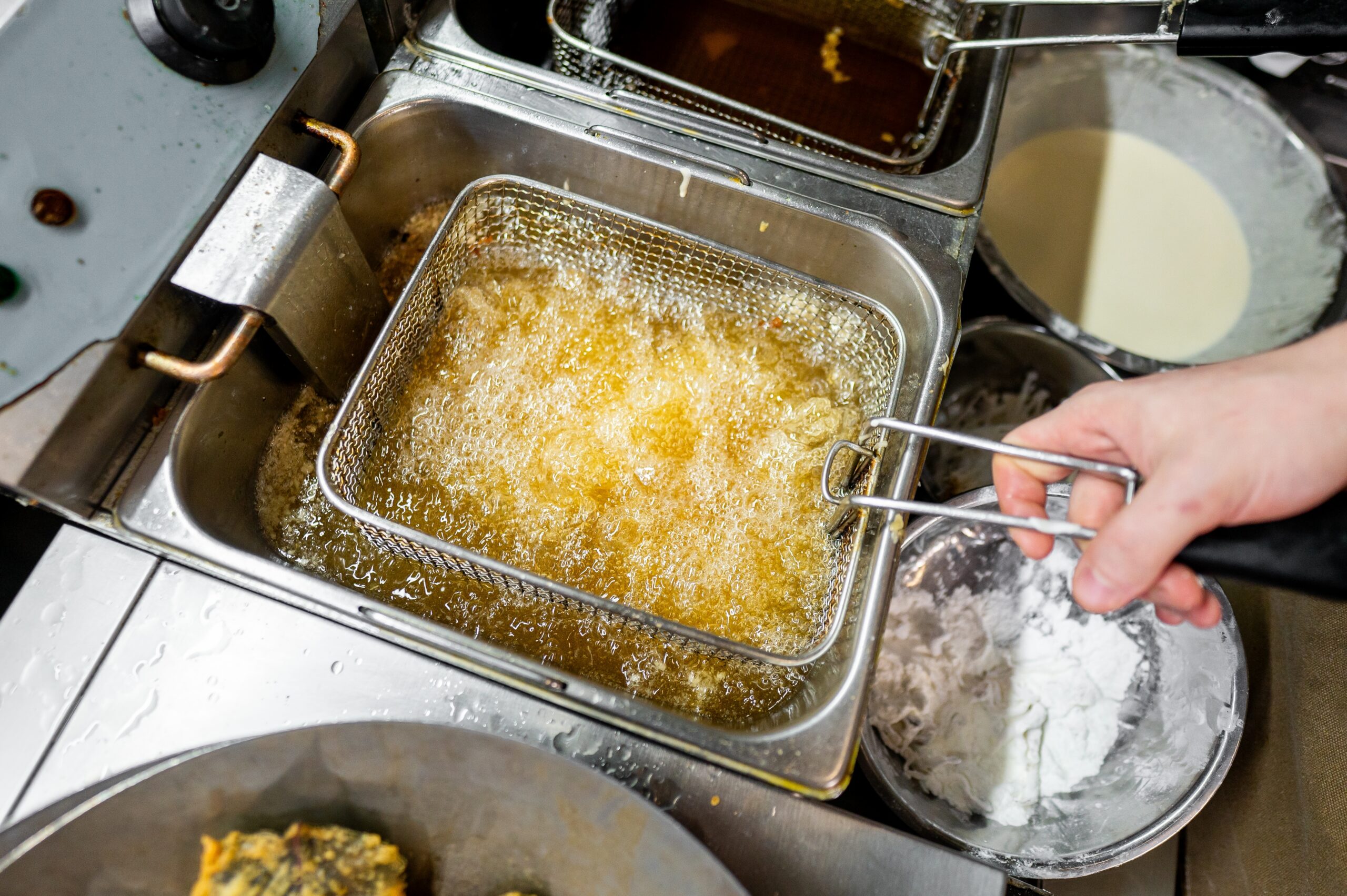
Grout between floor tiles is especially vulnerable because it sits lower than the tile surface. The constant foot traffic in a busy kitchen acts as a grinding mechanism. As chefs, cooks, and servers move across the floor, they inevitably track grease, oil, and food particles. This traffic physically pushes these contaminants down into the microscopic crevices and pores of the grout lines. While manual oil handling is a significant contributor to these spills, advanced solutions like automated cooking oil management systems can drastically reduce this issue.
Risks of Greasy Grout in Restaurant Kitchens
A greasy floor isn’t just a cleaning inconvenience—it’s a serious hazard in a foodservice setting. Grease-saturated grout can lead to:
- Slip and fall injuries: One of the most common workplace incidents in commercial kitchens.
- Bacterial growth and odors: Grease traps food particles and moisture, creating an environment where bacteria and mold thrive.
- Failed health inspections: Dirty or discolored grout is a visual cue for inspectors. If grease buildup is detected, it could result in citations or even closures.
- Pest problems: Grease buildup can attract insects and rodents looking for a food source.
Understanding how to remove cooking oil from grout is a key step in preventing these outcomes.
Effective Tools and Products for Grease Removal
Before diving into your cleaning routine, it’s important to choose the right tools. Standard mops won’t cut it when dealing with embedded grease in grout lines. Instead, try:
- Grout brushes: Commercial-grade with stiff nylon bristles that reach into narrow grout lines.
- Steam cleaners: High-temperature steam breaks down grease and lifts it from porous surfaces.
- Degreasers: Heavy-duty degreasers formulated for commercial kitchens cut through thick grease layers.
- Enzyme-based cleaners: These cleaners digest organic matter and continue working even after you’ve applied them.
- Wet/dry vacuums or extractors: Useful for lifting both dirty water and grease residue in one pass.
These tools make grease removal more effective and reduce the risk of damaging grout or spreading contaminants.
Step-by-Step: How to Clean Cooking Grease from Grout
Follow this simple workflow to restore clean, safe grout in your kitchen:
Pre-Treating Grout for Better Results
- Clear the floor: Remove all equipment and debris from the cleaning area.
- Sweep thoroughly: Dry sweep or vacuum to get rid of crumbs and solid waste.
- Apply degreaser: Spray a kitchen-safe degreaser along the grout lines. Let it dwell for at least 5–10 minutes.
- Repeat as needed: For heavy buildup, a second application may be necessary.

Scrubbing and Extraction Tips
- Use a grout brush or steam cleaner: Scrub the lines firmly with a stiff brush, or use steam to loosen dirt.
- Extract immediately: Use a wet/dry vacuum or clean mop to remove all residue and broken-down grease.
- Rinse thoroughly: Mop with clean water or run the extractor again to eliminate cleaner residues.
Drying and Sealing the Grout
- Let it dry: Air-dry or speed up the process with floor fans.
- Apply sealer: Once the grout is fully dry, apply a food-safe sealer to protect against future absorption.
- Cure time: Follow product directions—most sealers need 24–48 hours to fully cure.
DIY vs. Professional Grout Cleaning in Restaurants
You don’t always need to call in the pros, but understanding when to do so can save time and prevent bigger issues.
DIY Advantages
- Lower cost for routine upkeep
- Flexible timing
- Good for daily and weekly maintenance
DIY Disadvantages
- Labor-intensive
- Less effective for deep buildup
- Inconsistent results if staff are untrained
Professional Cleaning Advantages
- High-powered equipment cleans deeper
- Professionals seal grout to prevent future buildup
- Saves time and reduces injury risk for your team
Professional Cleaning Disadvantages
- Higher upfront cost
- May require after-hours access or downtime
For many restaurants, the best strategy is a hybrid: regular DIY maintenance supported by quarterly or biannual professional deep cleans.
Tips for Keeping Grout Grease-Free Long-Term
Once you’ve restored your grout, keeping it clean becomes a matter of process and consistency. Here’s how:
- Seal regularly: Use a food-safe grout sealer every 6 months.
- Wipe spills immediately: Spot clean oil drips and splashes before they penetrate the grout.
- Use absorbent mats: Place mats near fryers, dish pits, and cook lines to minimize spread.
- Assign cleaning zones: Make sure every area is accounted for in your deep-clean checklist.
- Train staff: Teach team members how to use degreasers properly and spot signs of grease buildup.
- Color-code tools: Use separate brushes and cloths for back-of-house vs. front-of-house to avoid cross-contamination.
- Disposal: Know how to solidify cooking oil before disposal or cleanup.
- Maintain utility areas: know how to remove cooking oil from concrete can prevent long-term stains and safety issues around loading docks and service entrances.
Leveraging Automated Oil Management Systems
Beyond traditional cleaning and sealing, modern restaurant technology provides a powerful solution to prevent cooking grease from accumulating in grout. Companies like Restaurant Technologies (RTI) offer automated cooking oil management systems that revolutionize how fresh and used oil are handled in commercial kitchens.
These automated systems eliminate the need for staff to manually carry heavy, hot, or used cooking oil across the kitchen floor. Instead, oil is directly pumped from fryers to secure, contained storage tanks, and fresh oil is automatically dispensed. This closed-loop system drastically reduces the potential for:
- Oil spills and drips: The primary cause of greasy grout and slippery floors.
- Splashes: Which can contribute to grime on surrounding tiles and grout.
- Cross-contamination: By keeping oil contained throughout its lifecycle.
By minimizing human interaction with cooking oil, automated systems contribute directly to cleaner kitchen floors, significantly reducing the grease buildup in grout and leading to consistently safer, non-slip surfaces. This proactive approach not only cuts down on future intensive grout cleaning needs but also enhances overall kitchen hygiene and employee safety.
Final Thoughts on Commercial Grout Maintenance
Greasy grout might not be the flashiest part of restaurant maintenance, but it plays a crucial role in food safety and staff wellbeing. Clean, sealed grout makes your kitchen safer, your staff more confident, and your inspections less stressful.
Achieving and maintaining this level of cleanliness requires a team effort, supported by the right tools and strategies. We strongly encourage regular staff training on proper cleaning protocols, immediate spill response, and the importance of every individual’s role in maintaining hygienic and safe floors. Furthermore, exploring advanced solutions like automated cooking oil management systems can be a game-changer in preventing grease buildup and ensuring long-term floor cleanliness and safety.
By learning how to clean cooking grease from grout and integrating it into your regular workflow, you improve overall kitchen hygiene and operational efficiency.