
Grease fires are one of the most dangerous types of kitchen fires—and they can happen in seconds. Whether you’re deep-frying at home or running a busy restaurant kitchen, knowing how to put out a cooking oil fire quickly and correctly can prevent serious damage, injury, or worse.
In this guide, we’ll break down what causes grease fires, how to put out an oil fire on a stove safely, and the fire safety tools every kitchen should have on hand. Prevention is always the best line of defense, but when a grease fire does occur, these steps could save lives.
Understanding Grease Fires & Why They’re Dangerous
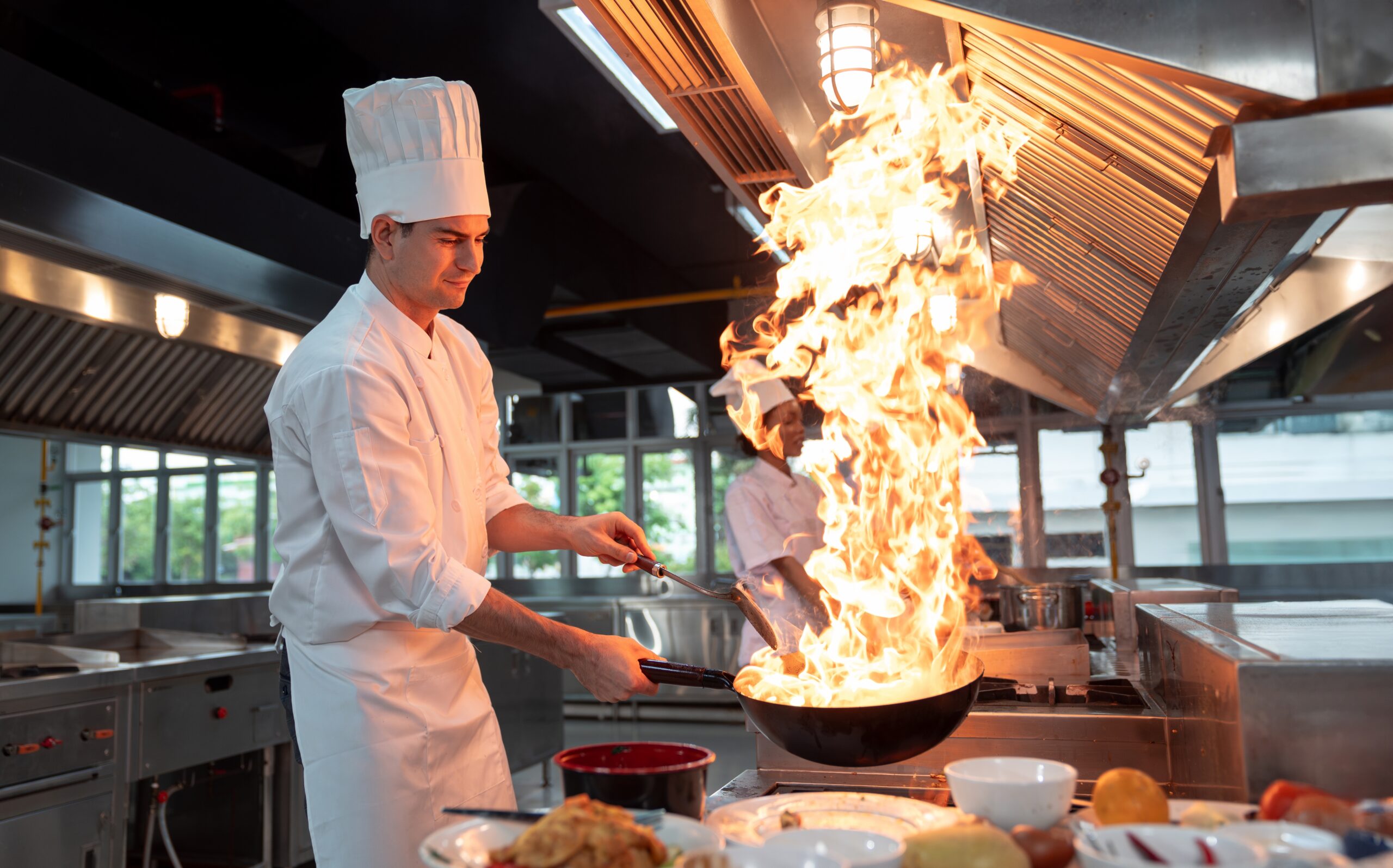
A grease fire happens when oil or fat gets too hot and ignites. Most cooking oils have a smoke point between 350°F and 450°F. If the oil continues heating past that point, it can catch fire quickly. Once ignited, the flames can spread rapidly and even leap out of the pan if not handled properly.
Grease fires are uniquely dangerous because they react explosively to water. Pouring water on burning grease can cause the flames to flare up and spread, potentially igniting other surfaces and putting everyone in the kitchen at risk.
Step-by-Step Guide to Putting Out a Grease Fire
Immediate Actions to Take
If a grease fire starts on your stovetop:
- Turn off the heat: The first thing to do is eliminate the heat source. If it’s safe, turn off the burner to stop the fire from getting worse.
- Smother the fire with a metal lid or baking sheet: Do NOT try to move the pan. Instead, carefully slide a metal lid or baking sheet over the flames to cut off oxygen. This will help extinguish the fire without spreading it.
- Stay calm and act quickly: Panic can make the situation worse. Take controlled, deliberate actions and avoid sudden movements.
Safe Methods for Extinguishing Grease Fires
- Use baking soda or salt: If the fire is small and manageable, you can dump baking soda or salt directly onto the flames. Both can help smother the fire without the explosive reaction that water causes.
- Never use flour, sugar, or water: These can ignite or cause the fire to spread.
- Use a Class K fire extinguisher: For larger grease fires, use a fire extinguisher rated for kitchen use (Class K or ABC). Aim at the base of the fire and use short, controlled bursts.
- Avoid throwing the extinguisher contents all at once—overdoing it can spread burning oil if not done carefully.
When to Evacuate & Call 911
If the flames are growing, if you can’t smother the fire, or if smoke is filling the kitchen:
- Evacuate immediately and call 911. Your safety and the safety of others is more important than saving the kitchen.
- Do not try to move the burning pan outside—it can spill flaming grease and cause the fire to spread.
- Close the kitchen door if possible to contain the flames, and wait for firefighters or emergency responders in a safe location.
Preventing Grease Fires in the Kitchen
The best way to handle a grease fire is to never have one in the first place. Here’s how to lower your risk:
- Never leave oil unattended: Most grease fires happen when oil is left to overheat on the stove.
- Use a thermometer when frying to control oil temperature.
- Don’t overcrowd fryers or pans—this causes oil to splatter and heat unevenly.
- Regularly clean stovetops, fryer baskets, and exhaust hoods: Built-up grease residue can ignite quickly.
- Use heavy-duty cookware that distributes heat evenly and can safely handle high temperatures.
In commercial kitchens, investing in automated fryer oil filtration systems and hood cleaning can greatly reduce the chance of flare-ups.
Common Mistakes That Make Grease Fires Worse
Even well-meaning actions can lead to disaster. Avoid these common—and dangerous—mistakes:
- Throwing water on the fire: This can cause an explosive reaction, spreading flames instantly.
- Using the wrong extinguishing agents: Flour, baking powder, or sugar will not smother the fire and can ignite themselves.
- Trying to move the burning pan: Hot oil can slosh, causing burns or spreading the fire to counters or flooring.
Knowing what not to do is just as important as knowing what to do.
Fire Safety Equipment Every Kitchen Should Have
Whether you’re running a home kitchen or managing a restaurant, you should always have the right safety tools in place:
- Class K fire extinguisher: Specifically designed for cooking oil and grease fires. Required in most commercial kitchens.
- Fire blanket: Can be used to smother small stovetop fires or protect a person from flames.
- Metal lids and baking sheets: Keep these accessible to quickly smother a pan fire.
- Smoke alarms and fire suppression systems: Essential for early detection and automatic fire control, especially in commercial kitchens.
Don’t just buy these tools—train your team or family on how to use them properly.
Final Thoughts
Grease fires are fast, frightening, and highly dangerous—but with the right knowledge and preparation, you can minimize the damage and stay safe. Preventive measures like regular cleaning, proper oil management, and readily available safety tools are key to keeping your kitchen protected.
For restaurant operators looking to reduce grease buildup, improve oil safety, and streamline kitchen fire prevention, solutions like commercial cooking oil management from Restaurant Technologies can help create a safer, more efficient kitchen environment.
Sources:
U.S. Fire Administration. Cooking Fire Safety. https://www.usfa.fema.gov/prevention/home-fires/prevent-fires/cooking/
Service Master. How to Quickly Put Out a Grease Fire. https://www.servicemasterbyzaba.com/blog/how-to-put-out-a-grease-fire/