
Peak season brings opportunity… and pressure.
Dining rooms fill faster, drive-thru lines extend, and fryers run continuously as kitchens work to keep pace with rising demand. For restaurant leaders, these periods can represent some of the most profitable weeks of the year, but they also place back-of-house systems under real pressure. What operates smoothly during slower periods is suddenly tested at scale, as supply coordination tightens, oil usage accelerates, and teams are expected to maintain speed and consistency without disruption.
For multi-unit brands, peak season becomes more than a surge in volume. It reveals whether the systems behind the kitchen are built to keep up. The question is not just how well operations perform today, but whether they can sustain that performance as demand continues to grow.
What Peak Season Really Exposes in Multi-Unit Operations
During steady business cycles, inefficiencies are easier to manage. Managers can step in, and teams have time to adjust when something slips.
Peak season removes that margin for error.
As volume increases, pressure builds across the kitchen. Fryers run longer, oil turns over more quickly, and equipment is pushed harder, all while teams are expected to maintain speed, safety, and consistency without disruption. Small inefficiencies that once went unnoticed start to surface in real time.
Across multi-unit operations, that pressure can expose challenges such as:
- Limited visibility into oil usage
- Inconsistent filtration routines
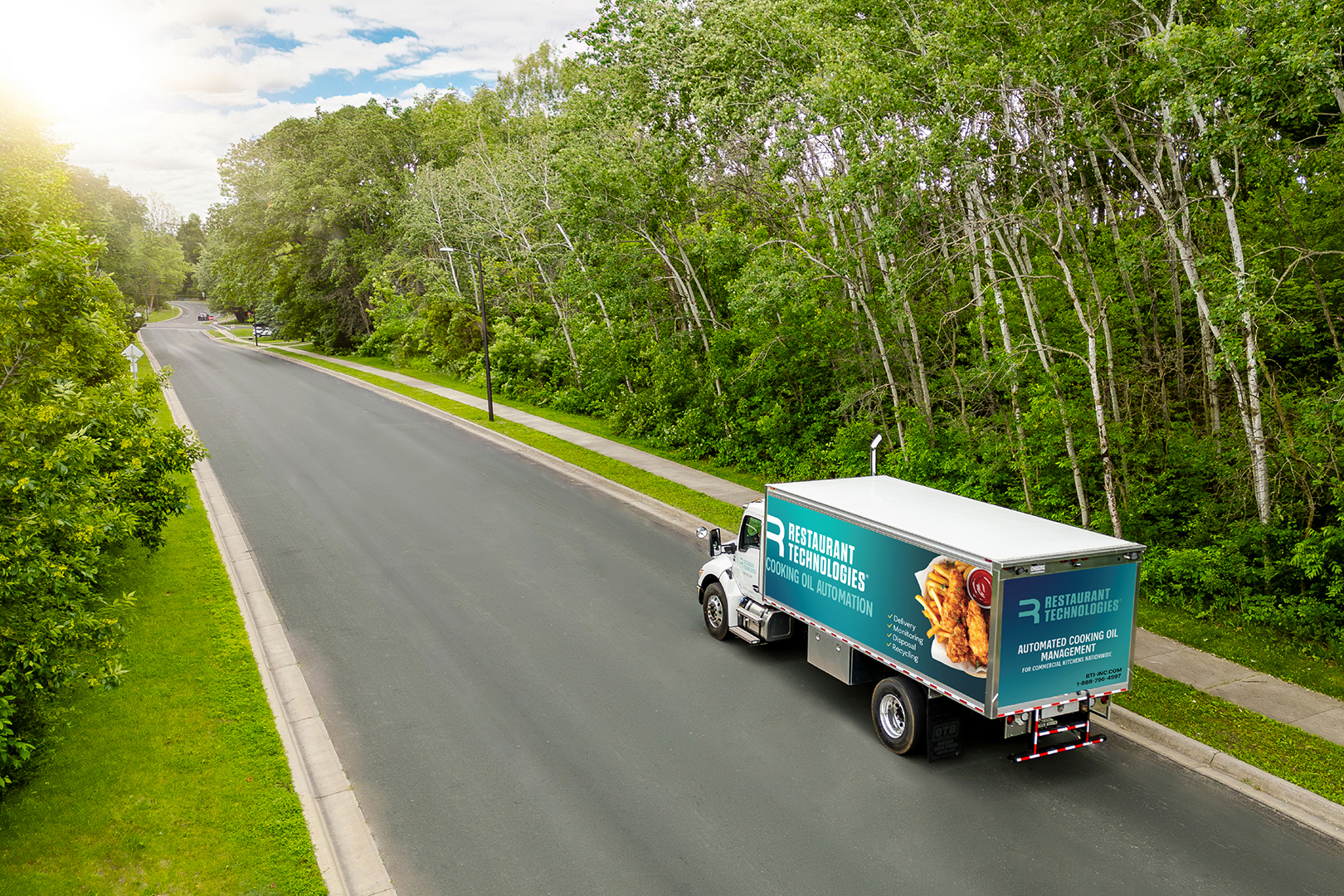
- Delivery coordination across locations
- Strain on staff performing manual oil handling
Individually, these issues may seem manageable. At scale, they compound. What happens in one kitchen is no longer isolated, and variability across locations becomes harder to control.
Peak season doesn’t create these problems. It reveals whether the systems behind the operation are built to handle sustained demand.
The Back-of-House Systems That Matter Most When Volume Spikes
When restaurant traffic increases, a few back-of-house systems quickly become mission-critical. These systems influence how smoothly kitchens operate and how consistently food quality is maintained.
Among the most important are oil supply reliability, filtration consistency, and structured removal processes.
Frying is one of the most common cooking methods in commercial kitchens, and oil supports a large portion of menu production.1 When oil management systems function smoothly, kitchens maintain steady output and consistent food quality.
That’s why many growing restaurant brands are turning to automated cooking oil management to create a more coordinated and dependable process.
When delivery, monitoring, and removal work together as part of a single system, kitchens remain stable even when demand reaches its peak.
Oil Delivery
As production ramps up, oil consumption increases just as quickly. Fryers run longer, and replenishment becomes more frequent, leaving little room for delays or misalignment in supply.
During peak season, reliable cooking oil delivery becomes critical. Without a predictable system in place, even small disruptions can lead to shortages, forcing teams into reactive decisions that interrupt service. When delivery is coordinated with demand, kitchens are able to maintain steady output and avoid the kind of last-minute adjustments that slow everything down.
Oil Filtration
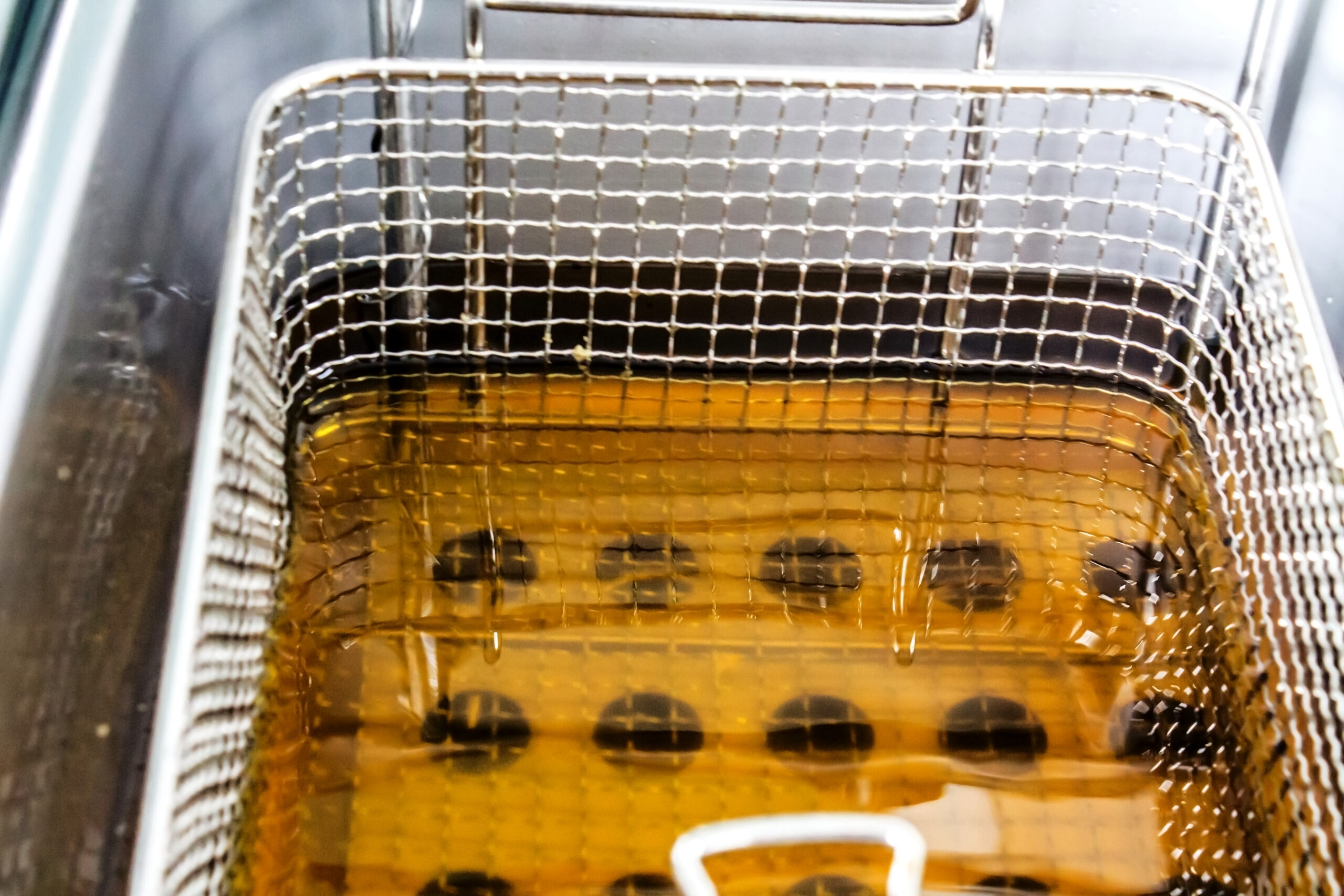
Oil performance directly influences the quality of fried menu items.2 During peak periods, when fryers operate continuously, oil can degrade faster if filtration routines are inconsistent.
Consistent fryer oil filtration helps maintain the crisp texture and flavor guests expect.
Structured filtration processes support kitchen performance by:
- Extending oil life through proper filtration cycles
- Reducing guesswork around oil quality
- Supporting consistent cooking results
- Helping teams follow clear operational standards
When filtration becomes part of a monitored process rather than an informal routine, restaurants maintain higher quality standards even during intense service periods.
Oil Removal
As kitchens operate at full capacity, used oil accumulates quickly. Without a structured removal process, storage areas can become harder to manage. What starts as a routine task can quickly turn into a source of disruption during already busy shifts.
Coordinated cooking oil disposal helps prevent that buildup while creating a safer, more organized back-of-house environment. Enclosed systems like oil rendering tanks keep fresh and used oil securely stored and out of the way, while scheduled removal allows teams to stay focused on production instead of managing a messy, time-consuming task.
Why Manual Processes Break Down Under Peak Pressure
Even with strong delivery and removal practices in place, the way these processes are managed matters just as much as the systems themselves.
Many restaurant kitchens still rely on manual coordination for oil management tasks. That approach can hold up during steady traffic, but peak demand introduces a level of intensity that manual systems are not built to sustain. Managers are often left juggling delivery schedules, tracking oil usage, and coordinating disposal pickups while also overseeing service and staff performance.
As volume increases, cracks in that approach start to show:
- Information becomes fragmented across logs or spreadsheets
- Communication delays impact supply coordination
- Safety risks increase with manual oil handling
- Teams spend more time reacting to problems
At full capacity, that kind of reactive coordination can quickly disrupt operations. Peak season often makes it clear that manual systems were never designed to support high-volume, multi-location growth.
Building a Resilient Oil Lifecycle: Delivery, Monitoring, Removal
Restaurants that scale successfully often adopt a more integrated approach to oil management.
Instead of treating delivery, filtration, and removal as separate tasks, these processes operate as part of one coordinated lifecycle.
A resilient oil lifecycle typically includes three interconnected elements:
- Predictable delivery schedules
- Monitoring tools that track filtration and usage
- Structured removal services that maintain safe storage
When these components work together, kitchens gain stability and predictability during even the busiest service periods.
Drive Operational Resilience During High-Volume Periods
When delivery, monitoring, and removal are aligned within a single lifecycle, kitchens are better equipped to handle spikes in demand. Supply arrives on schedule, monitoring tools surface changes in oil performance, and removal services keep storage areas organized. Instead of reacting to issues as they arise, teams operate within a system designed to keep things running smoothly.
That level of coordination becomes especially important during peak periods, when even small disruptions can slow production.
Create Consistency Across Every Location
The same lifecycle approach also brings greater consistency across multi-unit operations. With standardized delivery schedules, filtration routines, and removal processes, each location operates from the same playbook.
This reduces variability between kitchens and helps ensure a consistent guest experience, even during peak season when maintaining quality becomes more challenging.
Strengthen Oversight and Operational Control
Integrated systems also provide leadership teams with greater visibility into back-of-house performance.
Centralized monitoring tools allow operators to see oil usage patterns, filtration activity, and service coordination across locations. This visibility allows leadership teams to identify trends and make adjustments that improve efficiency.
Instead of managing each location independently, operators gain a broader view of how their kitchens perform as a network. That insight becomes particularly valuable during peak demand, when small improvements can have a meaningful impact on overall performance.
Turning Peak Season Into a Performance Advantage
Peak season will always place additional pressure on restaurant operations. Higher demand pushes kitchens to move faster, coordinate more closely, and maintain consistency under intense conditions.
But with the right infrastructure in place, that pressure becomes manageable.
When oil delivery, monitoring, and removal operate within a coordinated lifecycle, kitchens run more smoothly, and teams spend less time troubleshooting operational disruptions.
Restaurant Technologies helps make this possible by bringing these systems together into one integrated solution that supports safer, more consistent kitchen operations. Connect with Restaurant Technologies to learn more about how we can help.
Sources:
- PubMed Central. Vegetable Oils and Their Use for Frying: A Review of Their Compositional Differences and Degradation. https://pmc.ncbi.nlm.nih.gov/articles/PMC11675685/
- PubMed Central. Comparative Analysis of Frying Performance: Assessing Stability, Nutritional Value, and Safety of High-Oleic Rapeseed Oils. https://pmc.ncbi.nlm.nih.gov/articles/PMC11394795/