
Growth is exciting. New locations open, teams expand, and brand presence stretches into new markets. But as that momentum builds, so does the complexity behind it, often in ways that are easy to miss at first.
What works for a handful of locations rarely holds up the same way at scale. Processes that once relied on familiarity and quick decision-making start to show cracks, and oil supply is often one of the first places where that happens. It is a constant in daily operations, quietly influencing food quality, kitchen flow, and how well teams keep up during peak demand.
At a certain point, the challenge is no longer about keeping locations stocked. It becomes about whether the systems behind that supply can support consistent performance across every kitchen. The real question is whether your oil supply strategy is built to scale with you.
Growth Changes the Demands on Your Oil Supply
At a smaller scale, oil supply often feels straightforward. Orders are placed as needed. Deliveries are coordinated locally. Managers keep track of usage based on experience.
But expansion changes that dynamic quickly.
As unit count grows, so does the complexity behind supply coordination:1
- Multiple locations ordering at different times
- Varying usage patterns across kitchens
- Increased reliance on consistent delivery timing
- Greater need for oversight across regions
What once felt manageable becomes harder to track and predict.
Without a structured approach, supply decisions become reactive. Orders are placed when inventory runs low. Deliveries are adjusted on short notice. And leadership teams have limited visibility into how oil is being used across locations.
The Signs Your Oil Supply Model Is Not Built for Scale
In many cases, supply challenges don’t appear all at once. They show up gradually, often in ways that are easy to overlook.
You might notice:
- Deliveries arriving at inconsistent times across locations
- Managers placing last-minute orders to avoid shortages
- Limited visibility into oil usage trends
- Multiple vendors handling different parts of the process
- Increased time spent coordinating supply logistics
On their own, these issues are easy to work around. Over time, though, they point to a deeper misalignment between how the business is growing and how supply is being managed.
Left unaddressed, that gap starts to show up in day-to-day performance, from inconsistencies in food quality to added strain on teams and increased complexity for leaders trying to keep operations aligned across locations.
What a Scalable Oil Supply Strategy Looks Like
These challenges don’t just point to inefficiencies. They highlight the need for a different approach to managing supply as the business grows.
At scale, oil supply can’t rely on reactive decisions or location-by-location coordination. It requires a more structured system, one built around visibility, predictability, and alignment across every unit. In an environment where operational efficiency directly impacts cost and performance, that shift becomes critical.²
A scalable model connects delivery, usage tracking, and removal into a unified approach that supports every location. Instead of relying on individual managers to manage supply, the system itself provides the structure.
This is where many operators begin exploring automated cooking oil management, not as an upgrade, but as a foundation for growth.
Here are the three key elements of a scalable strategy:
1. Predictable, Volume-Aligned Delivery Scheduling
As kitchen output increases, oil supply needs to keep pace. Higher volume not only drives up demand, but also raises the risk of overflow, spills, and disposal bottlenecks when systems are not aligned.
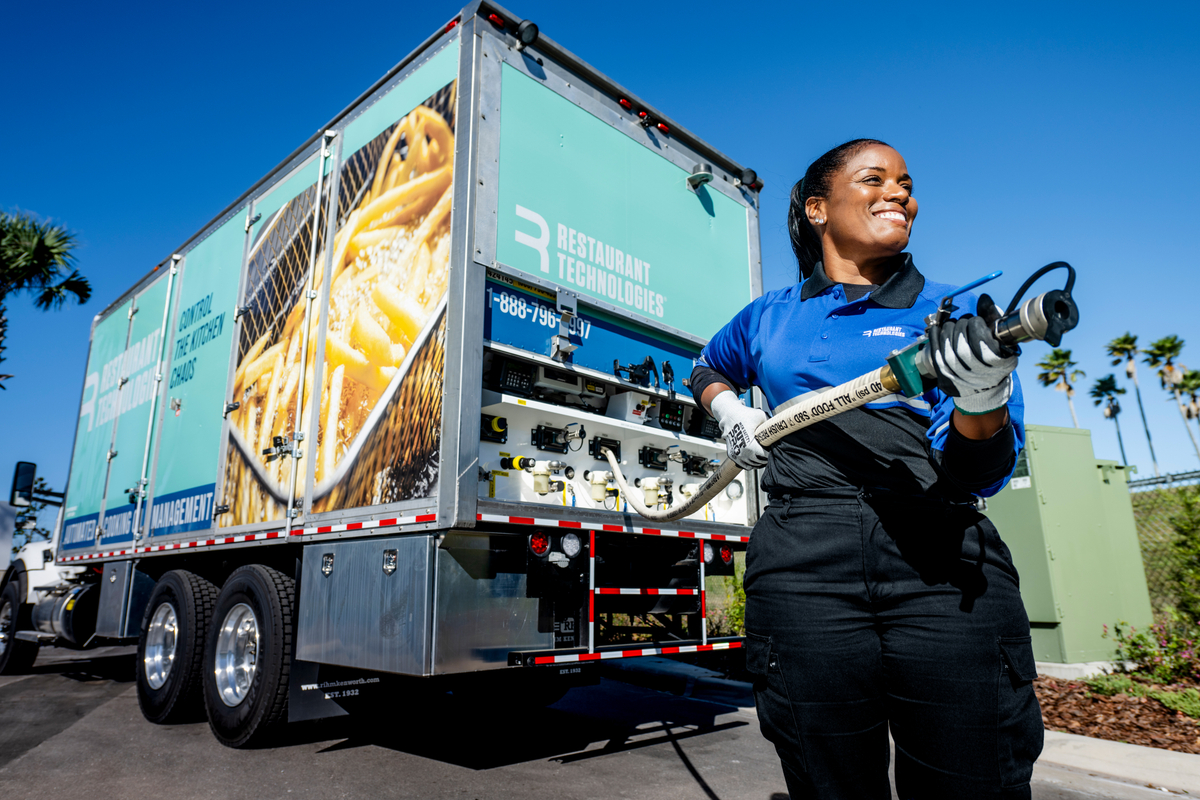
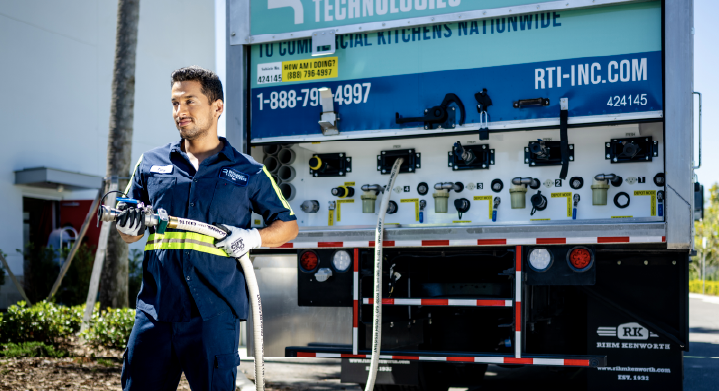
Scalable systems address this by moving beyond reactive ordering and introducing structured cooking oil delivery based on actual usage patterns, with deliveries scheduled around demand rather than guesswork.
This approach helps:
- Reduce last-minute ordering
- Maintain consistent supply across locations
- Align delivery routes with operational needs
2. Usage-Based Forecasting and Centralized Visibility
As brands expand, relying on instinct alone is no longer enough to manage supply effectively. Data-driven insights become essential, giving operators a clearer view of how oil is used across locations and allowing them to plan and adjust supply with greater accuracy.
This level of visibility helps leadership teams:
- Identify trends across multiple units
- Improve ordering accuracy
- Plan for seasonal or regional demand changes
Consistent fryer oil filtration also plays a role here, helping maintain oil performance while providing additional data points to better understand usage patterns. As that visibility improves, operators can make more informed decisions without relying on reactive adjustments.
3. Integrated Delivery, Monitoring, and Removal Coordination
A scalable oil strategy doesn’t treat supply, filtration, and disposal as separate tasks. Instead, these processes are aligned within one coordinated system.
When delivery is connected with monitoring and cooking oil disposal, operations become more streamlined. Kitchens no longer need to manage each step independently.
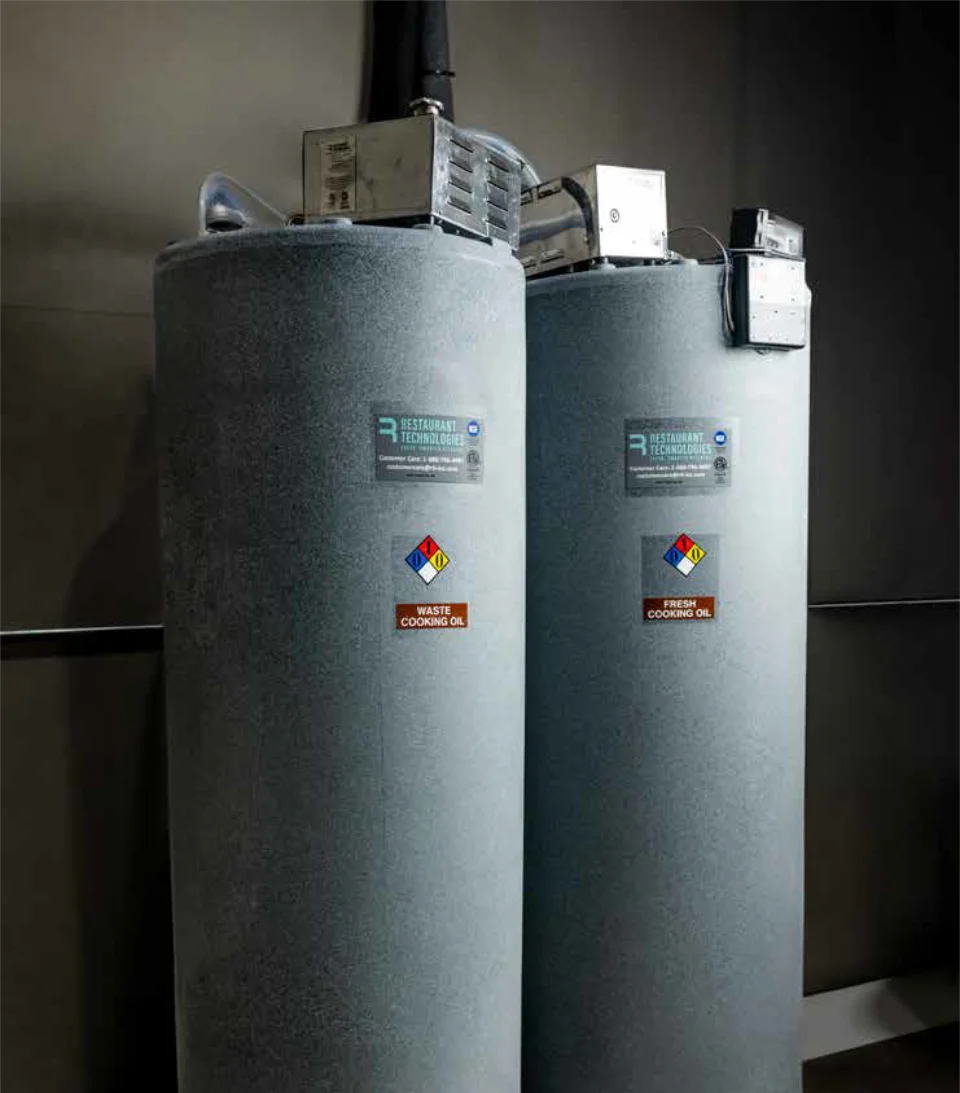
Infrastructure like oil rendering tanks supports this integration by securely storing fresh and used oil within a closed-loop system. The result is a more consistent and organized back-of-house environment. One that can scale without adding complexity.

Why Multi-Unit Brands Are Moving Toward Integrated Oil Partnerships
As operational demands increase, many restaurant brands are rethinking how they manage oil supply.
Instead of coordinating multiple vendors for delivery, monitoring, and removal, they’re consolidating these services under a single, integrated partner.
This shift offers several advantages.
- It simplifies coordination. With one partner managing the lifecycle, there’s less need for back-and-forth communication across multiple providers.
- It improves consistency. Standardized processes are easier to maintain across locations when they’re supported by a unified system.
- It strengthens operational control. Leadership teams gain clearer visibility into how oil is being delivered, used, and removed across the entire network.
Integrated partnerships help transform oil supply from a fragmented process into a structured system that supports growth.
Building Infrastructure That Grows With Your Brand
Restaurant growth puts increasing pressure on the systems behind the scenes, and the brands that scale successfully are the ones that evolve those systems early.
Oil supply is one area where that shift becomes especially important. As operations expand, the ability to maintain consistency, visibility, and control across locations depends on having a more structured, connected approach in place. What was once managed day to day becomes something that needs to be built for scale from the start.
Restaurant Technologies helps operators move in that direction by bringing delivery, monitoring, and removal into one integrated system. With the right foundation in place, oil supply becomes easier to manage as the business grows, not more complex.
If you are planning for continued expansion, now is the time to evaluate whether your current approach can support what comes next. Connect with the Restaurant Technologies team to explore a more scalable path forward.
Sources:
- National Restaurant Association. State of the Restaurant Industry Report. https://restaurant.org/research-and-media/research/
- U.S. Energy Information Administration / ENERGY STAR. Energy Use in Commercial Buildings – Restaurants. https://www.energystar.gov/buildings