
Why a Cleaning Checklist Matters in Restaurants
Running a restaurant kitchen is nonstop action. Between prepping for service, training staff, and keeping customers happy, cleaning can feel like one more thing on an endless list. Yet it is one of the most important responsibilities in the foodservice industry, essential for food safety. A structured restaurant kitchen cleaning checklist is more than a to-do list. It is a framework that protects food safety, keeps staff efficient, and ensures your business passes inspections with confidence.
Clean kitchens do more than satisfy health inspectors. They create a better environment for your team, reduce costly equipment breakdowns, and give guests confidence that their meal is being prepared in a sanitary space. A comprehensive restaurant cleaning checklist can cover all of these bases, even in a busy setting. Restaurant kitchens benefit from checklists that clearly define expectations and hold everyone accountable for their responsibilities.
Daily Restaurant Kitchen Cleaning Tasks
Daily cleaning prevents bacteria, grease, and food debris from accumulating and causing more significant problems in the future. Think of these tasks as your baseline for a safe and efficient kitchen:
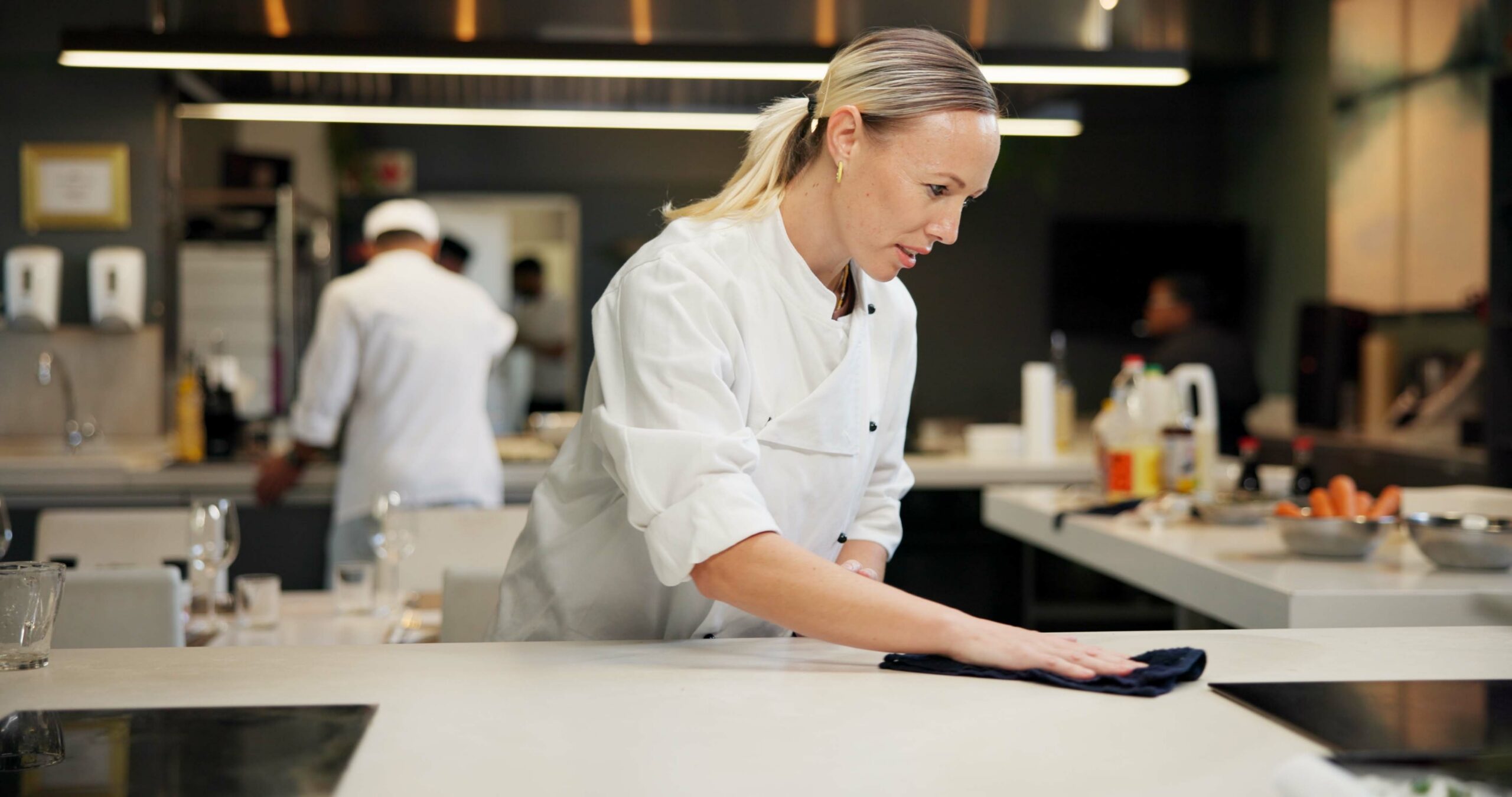
- Cutting Boards and Prep Counters: Sanitize after each use. Color-coded boards reduce cross-contamination between raw proteins and produce. Skipping this step can leave surfaces sticky or contaminated, which customers notice when food quality suffers.
- Knives and Utensils: Wash in a three-compartment sink or commercial dishwasher. Dry thoroughly to prevent rust. Dirty knives not only slow prep but can create visible stains that worry staff and guests.
- Cooking Surfaces: Wipe down grills, flattops, and stovetops at the end of each shift. Clean drip trays and burner grates. If ignored, this can cause grease smoke in the kitchen and allow it to flow into the dining room, annoying guests.
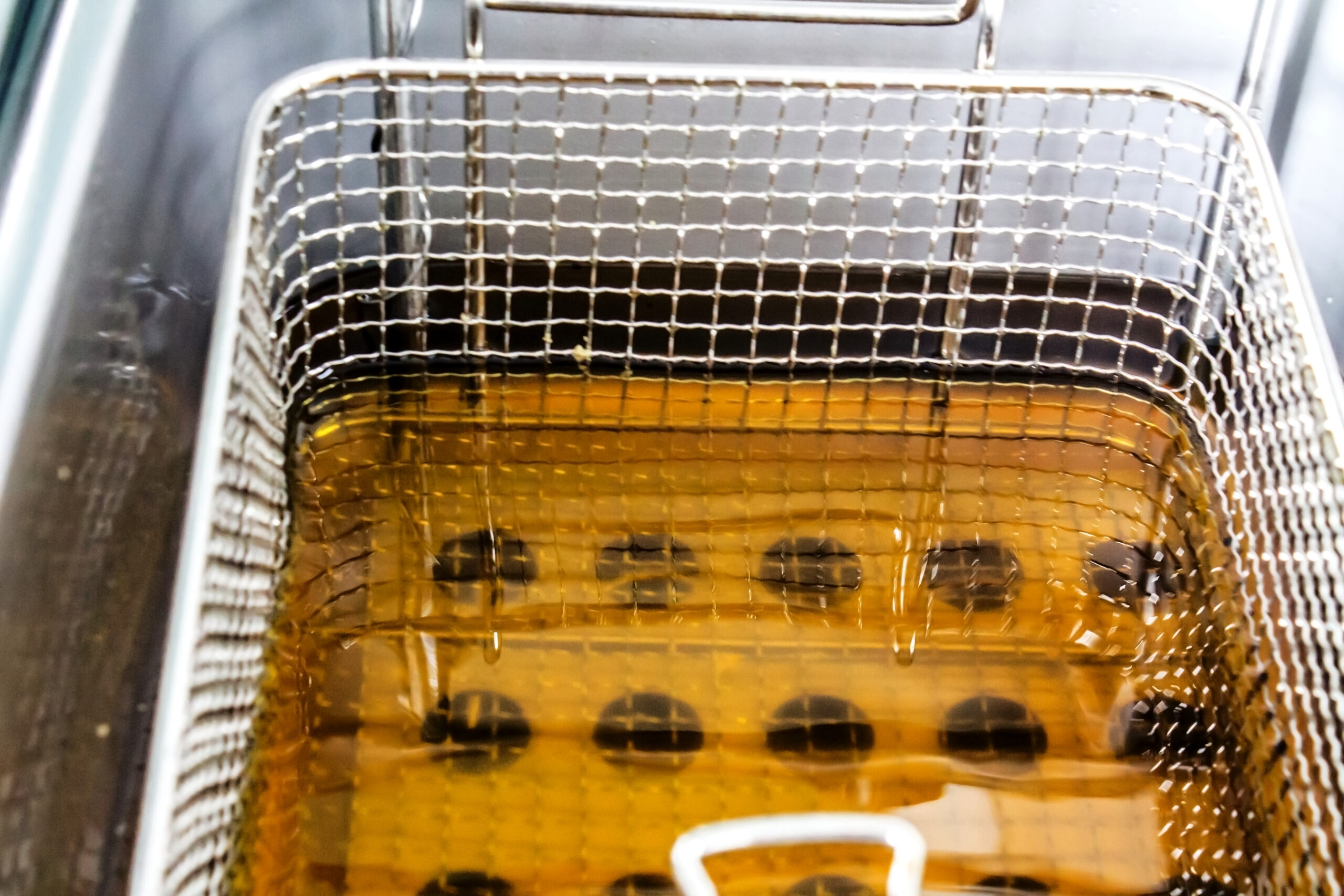
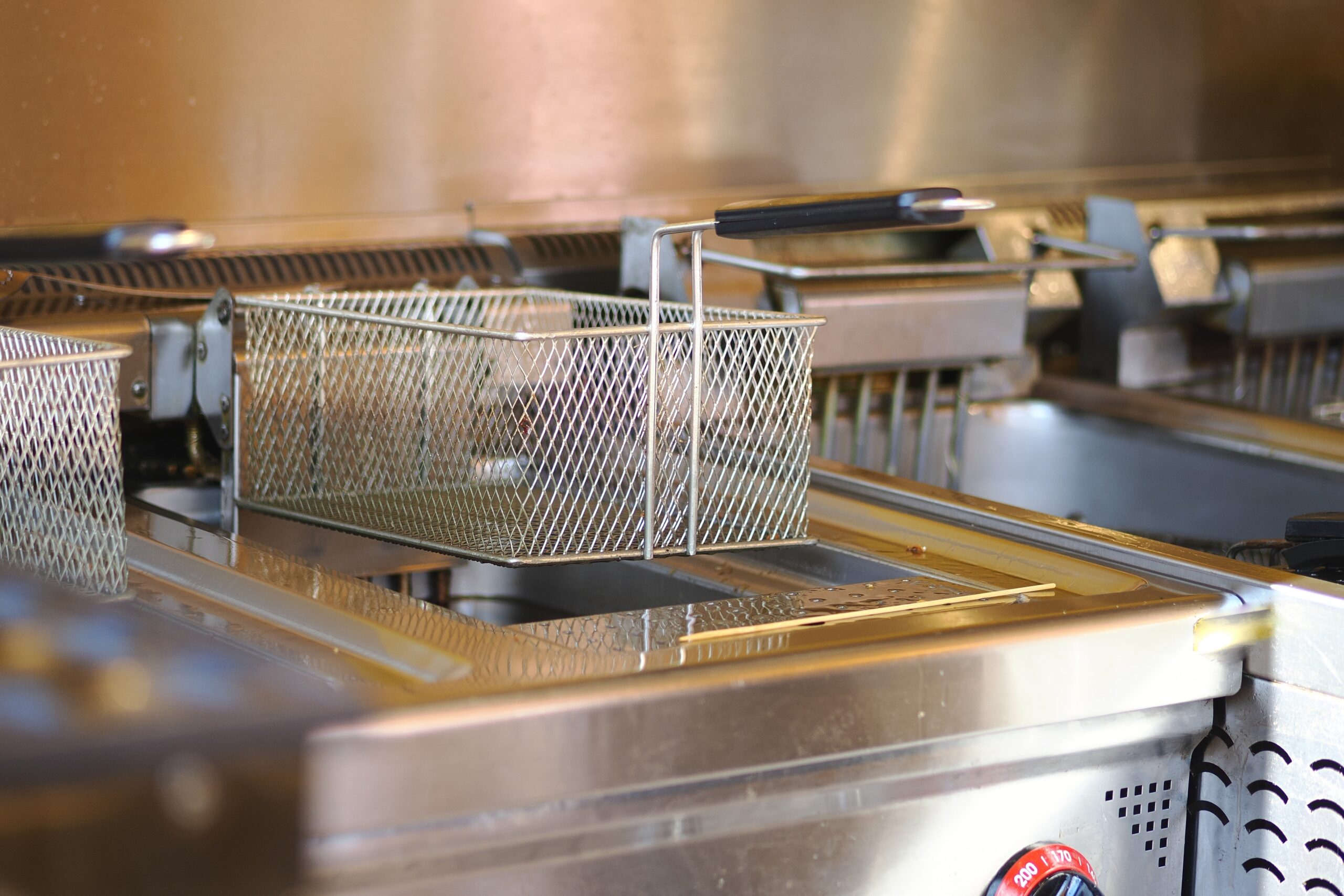
- Fryers: Skim oil throughout the day and wipe exterior surfaces. Staff dislike handling hot oil, which is why many restaurants use automated cooking oil management solutions to reduce risk and cut cleaning time. Burnt oil not only affects the taste but also creates smoke that customers can see and smell.
- Floors: Sweep regularly and mop with a degreaser after closing. Focus on corners and under equipment where debris tends to accumulate. Skipped cleanings result in sticky floors that frustrate staff and pose slip hazards.
- Trash and Recycling: Empty bins before they overflow. Wipe down containers with disinfectant. Overflowing bins during service send a bad message to diners, and may produce unwanted odors.
- Handwashing Sinks: Refill soap and paper towels as needed. Sanitize faucet handles and splash zones. Handwashing sinks that are empty of soap or visibly dirty send the wrong message to both inspectors and staff, suggesting that proper handwashing may not be happening.”
Daily cleaning also extends beyond back-of-house. Servers wiping down menus, bartenders keeping counters sanitized, and bussers resetting tables are all part of the daily rhythm that reassures customers of your restaurant’s cleanliness.

Weekly Restaurant Kitchen Cleaning Routines
Some tasks don’t need to happen daily but are essential for long-term cleanliness and safety. Weekly cleaning targets the areas that accumulate grease and grime slowly:
- Ovens: Remove racks and clean interiors with approved degreasers. Check gaskets and seals. Greasy oven doors or smoky baking trays affect both flavor and presentation.
- Refrigerators and Freezers: Wipe down shelves, check gaskets, and discard expired or unlabeled items. Neglecting refrigerators leads to spoiled or expired products, compromising food safety and slowing down preparation.
- Grease Traps: Clean and inspect weekly to prevent odors and costly plumbing issues. Failing to maintain traps results in unpleasant odors that drift into the dining area.
- Walls and Baseboards: Degrease and scrub to remove splatter and buildup. Regularly scrubbing these surfaces enhances the restaurant’s appeal. Meanwhile, untended walls and floors may diminish an image of cleanliness.
- Ventilation Filters: Wash or replace to maintain airflow and reduce fire hazards. Clogged filters cause smoke and odors to spread into the dining room.
- Small Equipment: Clean mixers, slicers, and blenders thoroughly, paying attention to crevices. Dull blades or sticky surfaces slow prep and frustrate staff.
Much like we outlined in the Hotel Kitchen Cleaning Checklist, weekly tasks prevent bigger issues by addressing areas inspectors often review closely.
Monthly and Seasonal Cleaning Duties
Longer-term tasks require more planning but play a major role in keeping a restaurant compliant and operationally efficient:
- Dishwashers: Descale to prevent mineral buildup. Check spray arms and drains. Ensure there is no blockage. A poorly maintained dishwasher may leave spots or residue on glasses and plates that customers notice immediately.
- Deep Fryers: Schedule professional deep cleaning and calibration to maintain food quality. Fryers that are never fully serviced leave food tasting inconsistent.
- Vents and Ductwork: Clean ducts and exhaust systems to comply with fire codes and maintain air quality. Grease dripping from vents is unsanitary and threatens fire safety.
- Storage Rooms: Sanitize shelving, sweep, and inspect for pests. Dropped grains or flour dust left unchecked invite insects.
- Ceilings and Light Fixtures: Remove dust and grease from surfaces above cooking and prep areas. Dim or greasy lights change the feel of your dining space.
- Seasonal Maintenance: Plan quarterly pest control, service refrigeration units, and recalibrate thermometers. Many restaurants schedule deep cleans ahead of holidays or summer rushes to handle the busiest times with confidence.
Monthly cleaning reduces surprises during inspections and helps equipment last longer, saving on costly repairs. It also reassures staff that management values their workspace, thereby boosting morale.
Best Practices for Restaurant Cleaning Supplies and Tools
The right supplies make cleaning safer and more efficient. Staff are more likely to follow checklists when they have the right tools for the job:
- Eco-Friendly Cleaners: Many restaurants now opt for biodegradable degreasers and sanitizers to minimize chemical exposure and reduce environmental impact.
- EPA-Approved Sanitizers: Always use food-safe options and follow the recommended dwell times to ensure pathogens are fully killed.
- Color-Coded Tools: Assign specific mops, cloths, and buckets to designated areas, such as restrooms, prep stations, and serving lines.
- Protective Equipment: Provide staff with gloves, aprons, and goggles to protect them when working with strong chemicals.
- Storage and Safety: Label and store cleaning chemicals away from food and prep equipment. Organize them to avoid the risk of contamination.
Cleaners are most effective when used consistently, preventing issues before they arise. Posting clear instructions near supply stations reinforces proper use.
Training Staff to Follow Cleaning Checklists
Even the best checklist only works if staff follow it. Training and accountability are what make cleaning routines stick:
- Orientation Training: Introduce new employees to the checklist on their first day of work. Don’t just tell them what needs to be done, but show them.. For example, demonstrate how to clean a slicer safely instead of leaving it to guesswork.
- Role Assignments: Assign daily, weekly, and monthly tasks to specific roles. Clear responsibilities reduce confusion. Clear expectations bolster cooperation. A dishwasher who knows they’re responsible for trash bins is less likely to skip them.
- Visible Checklists: Post cleaning schedules in prep areas and dish stations. Staff should put their initials on completed tasks. A visible chart reminds everyone that cleaning is part of the job, not an afterthought.
- Digital Tools: Some restaurants utilize apps or QR codes to track cleaning in real-time, ensuring accountability. This is especially useful for larger teams where managers cannot oversee every shift.
- Morale and Retention: Cleaning tasks, such as oil handling, are often the most disliked. Streamlining them with automation improves morale, reduces injuries, and helps with staff retention. When staff feel supported, they are more likely to stick around, a lesson many operators learned firsthand during recent labor shortages.
Much like the systems described in our Hotel Kitchen Layout, strong organization and training help staff work more efficiently and safely. Managers who invest in training see fewer mistakes, less rework, and smoother services overall.
Conclusion: Maintaining Restaurant Kitchens with Restaurant Technologies
Restaurant cleaning is never just about passing inspections. It impacts food quality, staff morale, and customer trust. A structured restaurant kitchen cleaning checklist ensures that nothing falls through the cracks, even on the busiest days. By dividing tasks into daily, weekly, and monthly routines, restaurants can improve efficiency, maintain food safety, and protect both guests and staff.
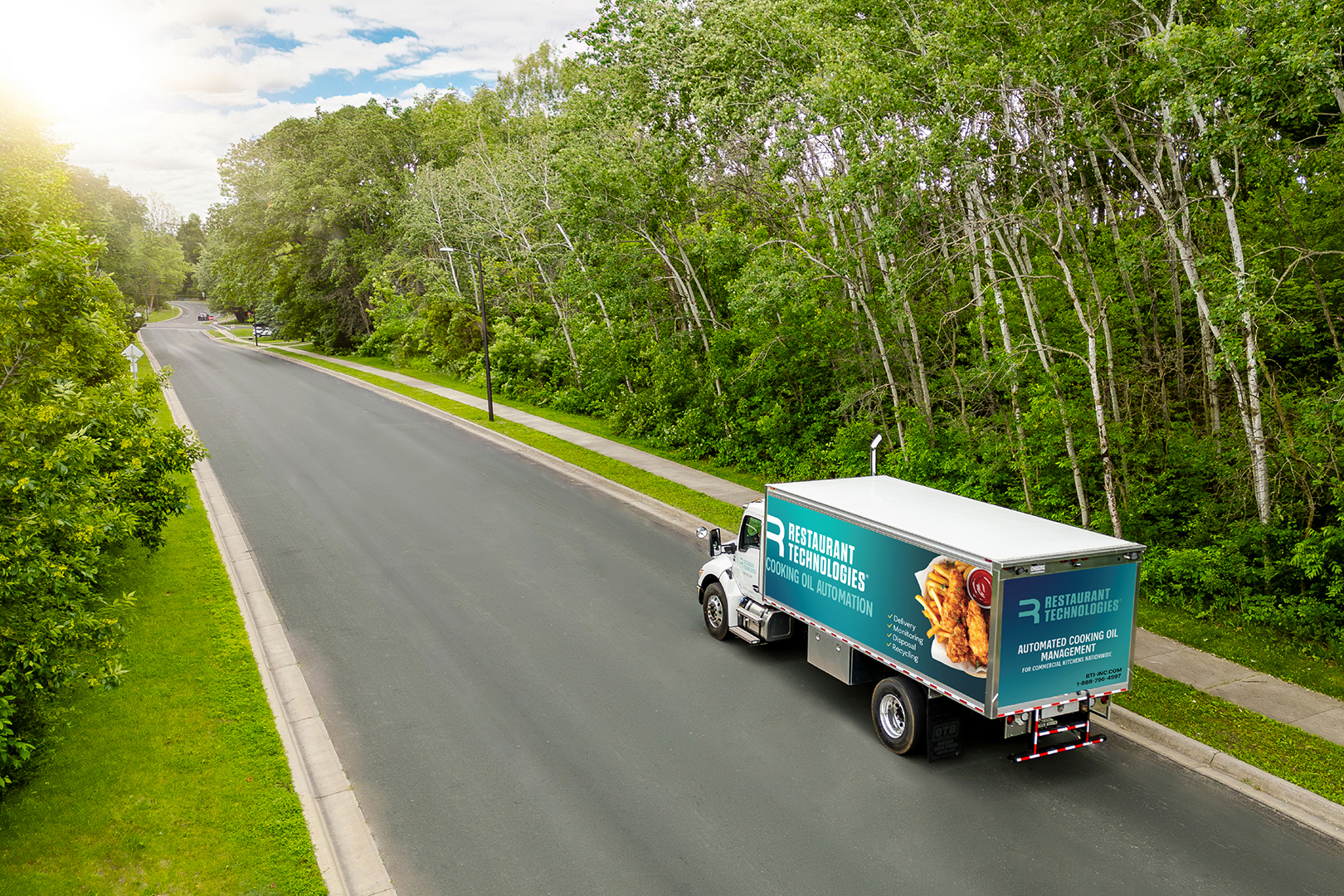
Restaurant Technologies supports restaurant owners and managers by simplifying one of the most challenging cleaning tasks: fryer oil. Restaurant Technologies’ automated systems:
- Eliminate manual oil handling
- Reduce slip hazards and burns
- Keep fryers and surrounding equipment cleaner for longer
- Improve food consistency by extending oil life
With the right checklists and Restaurant Technologies’ innovations, restaurants can reduce labor, improve compliance, and create a kitchen environment where both staff and guests feel confident. See how other restaurants have benefitted from Automated Cooking Oil Management by reading the case studies.
Frequently Asked Questions: Restaurant Kitchen Cleaning
How often should a restaurant kitchen be deep-cleaned?
Most restaurants schedule deep cleans of fryers, ovens, and cooklines on a monthly basis, with quarterly attention to ducts, vents, and storage areas. Local fire codes and health inspectors may require more frequent cleaning, depending on the volume.
What cleaning tasks are often overlooked in restaurants?
Behind and under equipment are common problem spots. Grease, crumbs, and dust can accumulate quickly if not addressed on a weekly basis.
Do health inspectors require proof of cleaning?
Yes. Many inspectors review cleaning logs, sanitizer concentrations, and pest control records to ensure compliance. Documenting tasks on a checklist shows accountability.
What is the best way to train staff to clean consistently?
Hands-on demonstrations and visible checklists are the most effective. Digital tracking systems are also growing in popularity for real-time accountability.
Why is fryer oil such a cleaning challenge?
Manual oil handling is messy, time-consuming, and risky. Automated oil management systems reduce labor, improve safety, and keep fryers cleaner, making them one of the most valuable tools in modern kitchen maintenance.
Sources:
Stathakis. What Dwell Time Means For Disinfection and Commerical Cleaning. https://www.stathakis.com/blog/what-dwell-time-means-for-disinfection-and-commercial-cleaning